
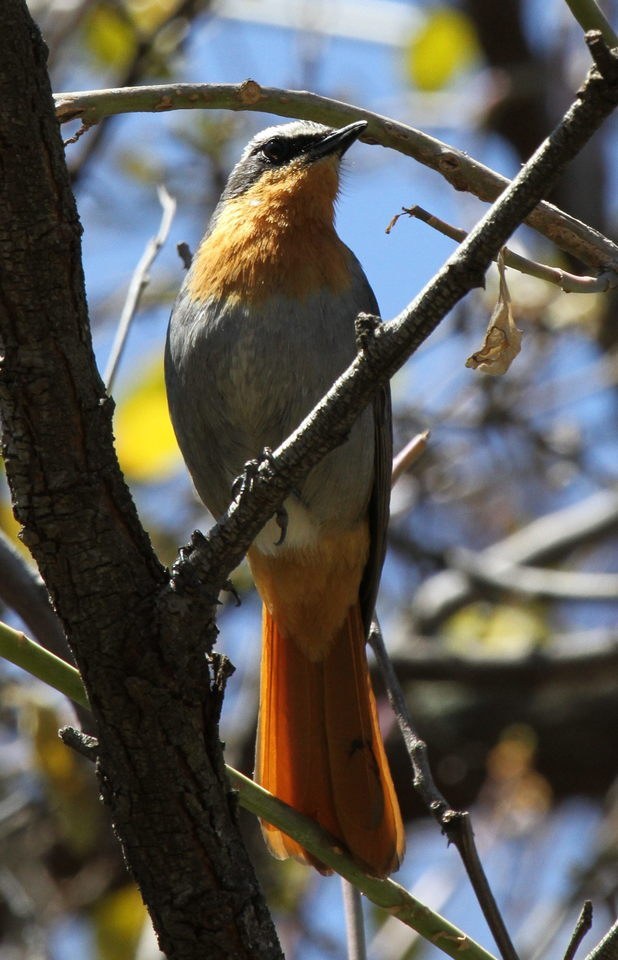
Cape Robin-Chat
Cossypha caffra
A familiar southern African garden bird with an orange face and breast, grey belly, and a rich, melodious song.
- Size
- About 17 cm long
- Habitat
- Gardens, forest edge, fynbos, and scrub across southern and eastern Africa
- Type
- songbird
Spotted a bird like this?
Identify any bird from a photo, free.
Overview
The Cape Robin-Chat is one of the best-known garden birds of southern Africa, valued for its tame nature and beautiful song. It belongs to the robin-chat group, a set of colorful African thrush relatives.
Appearance
- Grey-brown crown and cheeks with a bright orange supercilium (eyebrow stripe)
- Orange throat and breast fading to pale grey on the belly
- Olive-brown upperparts and wings
- Orange tail with dark brown central feathers, often flicked or fanned
- Sexes look alike
How to identify it
Key field marks
- Bold orange eyebrow stripe against a grey face
- Orange throat and breast contrasting with a grey belly
- Orange tail with dark central feathers, frequently cocked or flicked
Similar species
- White-browed Robin-Chat is larger with a bolder white (not orange) eyebrow and a black cap
- White-throated Robin-Chat has a white throat patch rather than orange
- Overall size, tame behavior around gardens, and the orange-and-grey face pattern separate it from other robin-chats
Habitat & range
Range
Found from South Africa north through eastern Africa to parts of East Africa's highlands.
Habitat
Common in gardens, parks, forest edges, fynbos, and coastal scrub; readily adapts to suburban and rural human-altered landscapes, often coming close to houses.
Migration
Generally resident, though some highland populations may make local altitudinal movements.
Behavior & voice
Voice
A rich, melodious, warbling song delivered from cover or an open perch, often at dawn and dusk; it is also a skilled mimic, incorporating phrases of other bird species into its song. The alarm call is a harsh, scolding "wheeeur."
Feeding
Forages mostly on or near the ground, hopping through leaf litter and garden beds in search of insects, worms, and other invertebrates, and also takes berries and fruit.
Nesting and breeding
Builds a cup nest of grass, moss, and leaves in a low bush, tangle, or crevice, sometimes in garden structures; typically lays 2–3 eggs, and is a known host of the Red-chested Cuckoo.
Frequently asked questions
How do you identify a Cape Robin-Chat?
Look for a grey face with a bold orange eyebrow stripe, an orange throat and breast, a grey belly, and an orange tail with dark central feathers.
What does a Cape Robin-Chat eat?
Mainly insects and other invertebrates gleaned from the ground and leaf litter, plus some fruit.
Where do Cape Robin-Chats live?
They are common in gardens, parks, forest edges, and scrub across southern and parts of eastern Africa.
Does the Cape Robin-Chat mimic other birds?
Yes, its song often incorporates snippets of other species' calls alongside its own rich, warbling phrases.
Cape Robin-Chat guides
In-depth guides for identifying, finding, and understanding Cape Robin-Chat.
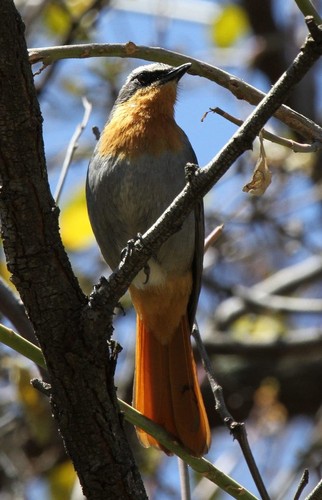
Other birds you may enjoy
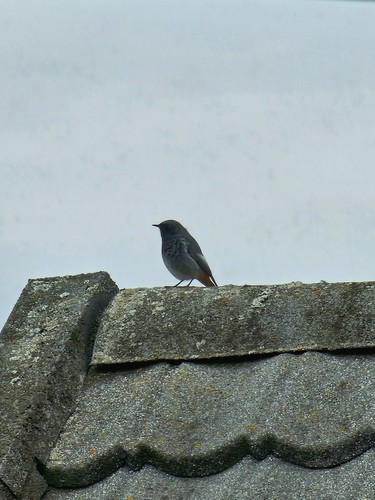
Black Redstart
13-14.5 cm (5.1-5.7 in) long, 23-26 cm wingspan
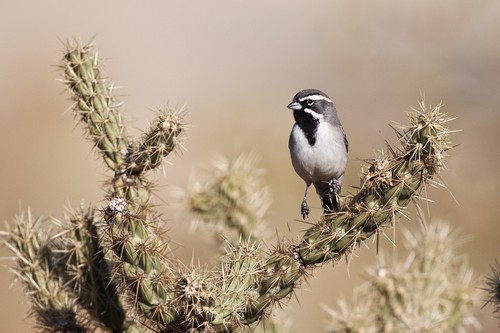
Black-throated Sparrow
12-14 cm (4.7-5.5 in) long, about 19-20 cm (7.5-8 in) wingspan
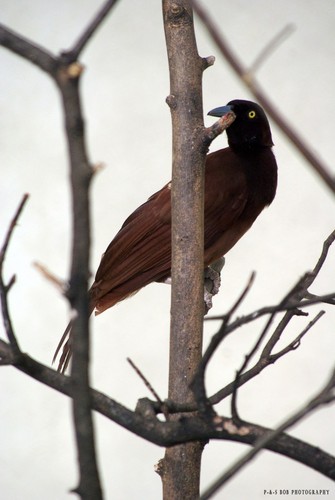
Greater Bird-of-paradise
Body about 43 cm; males with additional flank plumes up to 50 cm and long tail wires
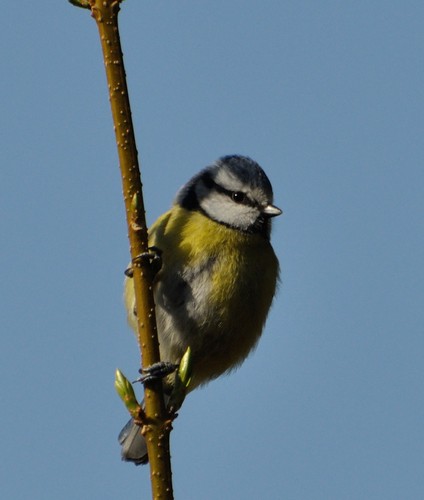
Blue Tit
11-12 cm (4.3-4.7 in) long, 17-20 cm wingspan
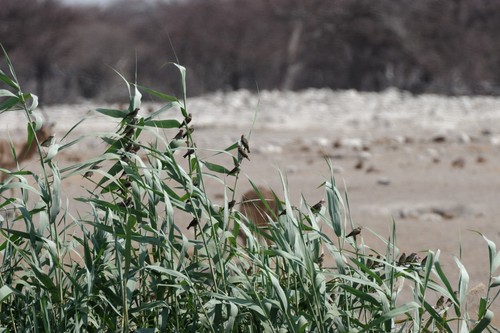
Red-billed Quelea
11.5–13 cm long, wingspan about 20–22 cm
White-plumed Antbird
13-14 cm (5-5.5 in) long
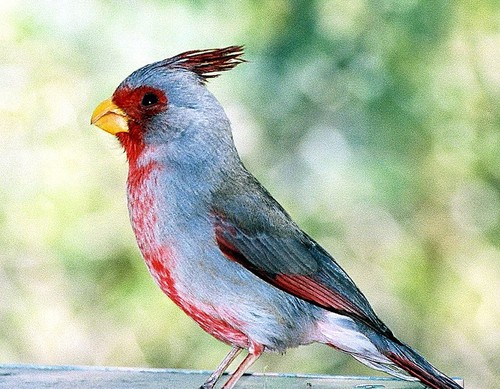
Pyrrhuloxia
19-22 cm (7.5-8.7 in) long, 30 cm wingspan
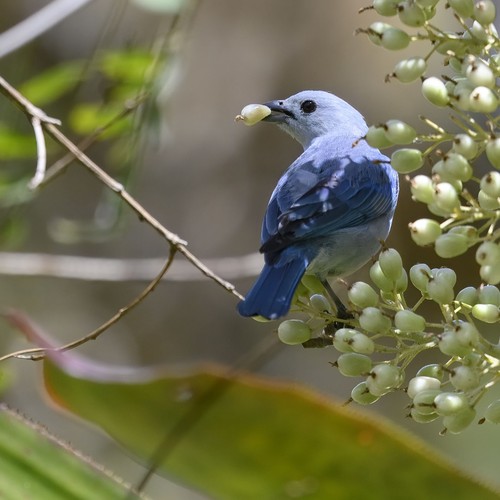
Blue-gray Tanager
16-18 cm (6-7 in) long
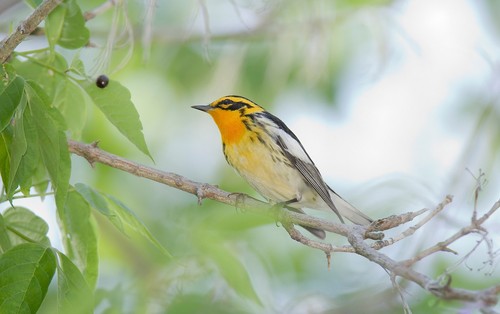
Blackburnian Warbler
11-13 cm (4.3-5.1 in) long, 20-22 cm wingspan
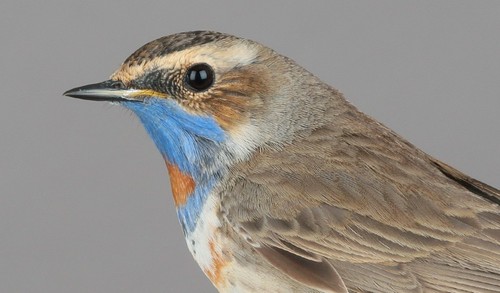
Bluethroat
13-14 cm (5.1-5.5 in) long, 20-22 cm wingspan
Eurasian Nuthatch
12-14.5 cm (4.7-5.7 in) long, 22.5-27 cm wingspan
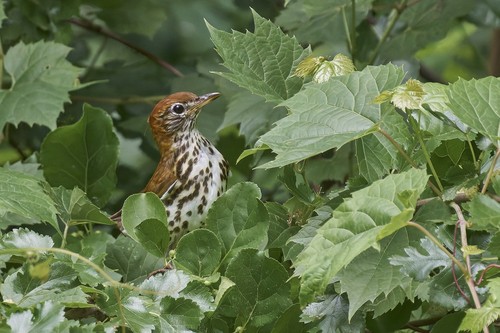
Wood Thrush
19-21 cm (7.5-8.3 in) long, about 33 cm (13 in) wingspan