
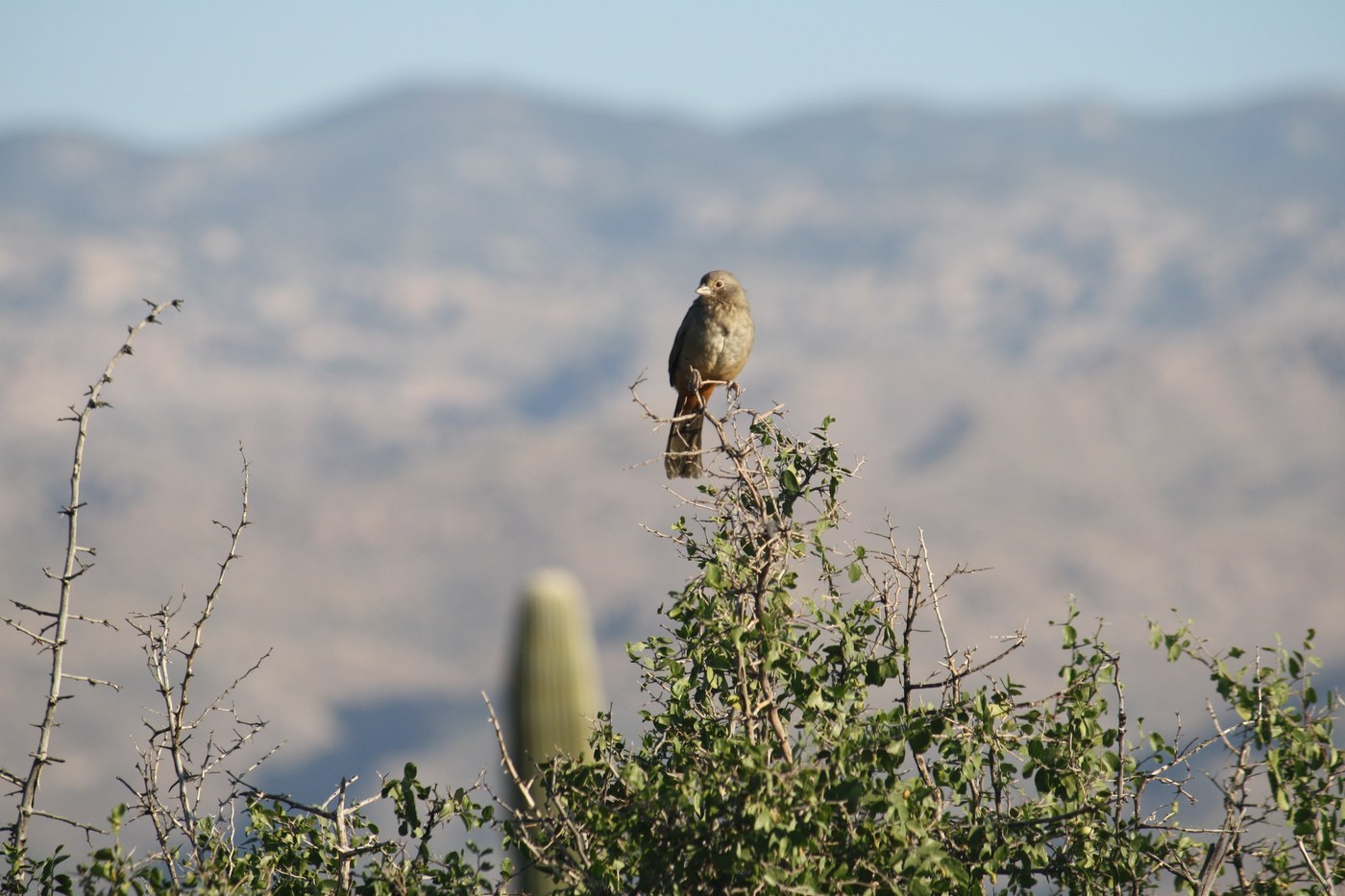
Canyon Towhee
Melozone fusca
A drab, grayish-brown desert towhee closely resembling the California Towhee but with a faint breast spot and rustier crown.
- Size
- 20-25 cm (7.9-9.8 in) long, 28 cm wingspan
- Habitat
- desert canyons, arid scrubland, and rocky hillsides of the southwestern US and Mexico
- Type
- songbird
Spotted a bird like this?
Identify any bird from a photo, free.
Overview
The Canyon Towhee is a plain, medium-large sparrow relative of arid landscapes, closely resembling its coastal counterpart the California Towhee, with an overall grayish-brown body offering little strong pattern. A subtle rusty-brown cap and a faint dark spot in the center of an otherwise buffy-gray breast are the most distinguishing features, along with a rusty undertail.
The long tail, stout bill, and understated coloring help this species blend into the dry, rocky, and scrubby habitats it favors across the Southwest.
How to identify it
Key field marks
- Plain grayish-brown body with a subtly rusty crown
- Faint dark central spot on an otherwise unstreaked buffy breast
- Rusty undertail coverts
- Long tail and stout conical bill
Similar species
- California Towhee is nearly identical but typically lacks a distinct central breast spot and has a less rusty crown; the two species have largely separate, non-overlapping ranges.
- Abert's Towhee, found in similar desert regions, shows a black face mask that the Canyon Towhee lacks.
Habitat & range
Canyon Towhees are found across the southwestern United States, including Arizona, New Mexico, and Texas, and into central Mexico, in desert canyons, arid scrubland, rocky hillsides, and open woodland edges, as well as in rural yards and gardens within their range.
The species is non-migratory and sedentary, with resident pairs typically remaining on the same territory throughout the year.
Behavior & voice
Canyon Towhees forage mostly on the ground, often in pairs, hopping and scratching through soil and leaf litter for food, and are frequently seen perched on rocks, fences, or low shrubs surveying their territory.
The song is a simple, sweet series of chip notes that speeds into a trill, and calls include a sharp, metallic chip similar to that of the California Towhee. Diet is mainly seeds, supplemented by insects. Nests are bulky cups built low in a shrub, cactus, or small tree, with typical clutches of two to four eggs, and pairs often remain together year-round on a shared territory.
Frequently asked questions
How do you identify a Canyon Towhee?
Look for a plain grayish-brown bird with a subtly rusty crown and a faint dark spot in the center of an otherwise unmarked buffy breast, typically seen in dry, rocky, or scrubby habitat.
What is the difference between a Canyon Towhee and a California Towhee?
The Canyon Towhee usually shows a faint central breast spot and a slightly rustier crown, while the California Towhee lacks the breast spot; the two species occupy largely separate ranges, with Canyon Towhee farther east and inland.
Where do Canyon Towhees live?
In desert canyons, arid scrubland, and rocky hillsides across Arizona, New Mexico, Texas, and central Mexico.
What does a Canyon Towhee sound like?
A simple, sweet series of chip notes accelerating into a trill, along with a sharp metallic chip call.
Do Canyon Towhees migrate?
No, they are non-migratory and sedentary, with pairs typically staying on the same territory year-round.
Canyon Towhee guides
In-depth guides for identifying, finding, and understanding Canyon Towhee.
Other birds you may enjoy
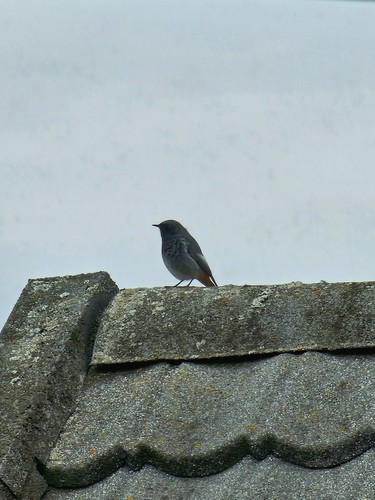
Black Redstart
13-14.5 cm (5.1-5.7 in) long, 23-26 cm wingspan
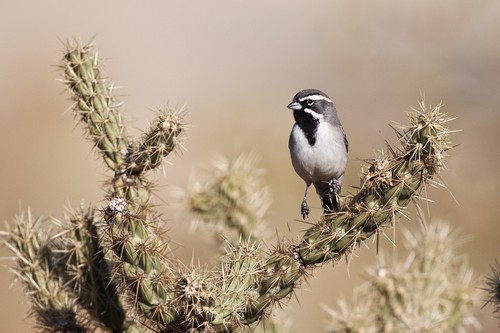
Black-throated Sparrow
12-14 cm (4.7-5.5 in) long, about 19-20 cm (7.5-8 in) wingspan
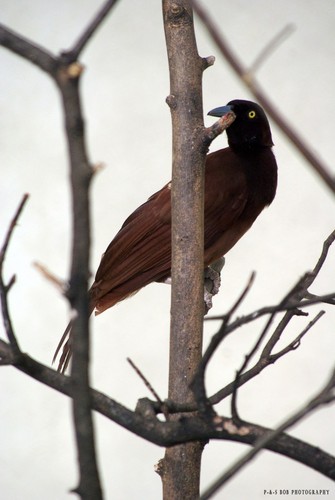
Greater Bird-of-paradise
Body about 43 cm; males with additional flank plumes up to 50 cm and long tail wires
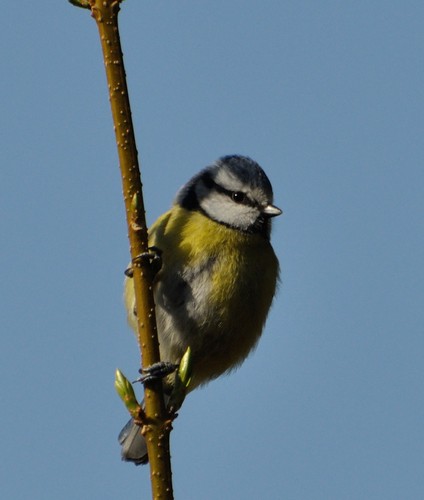
Blue Tit
11-12 cm (4.3-4.7 in) long, 17-20 cm wingspan
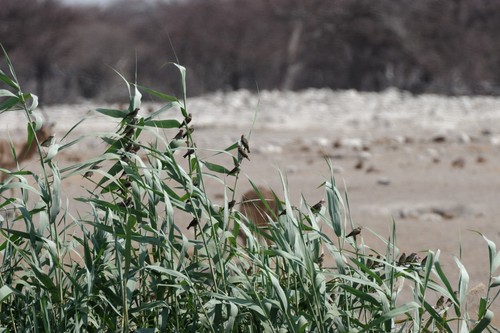
Red-billed Quelea
11.5–13 cm long, wingspan about 20–22 cm
White-plumed Antbird
13-14 cm (5-5.5 in) long
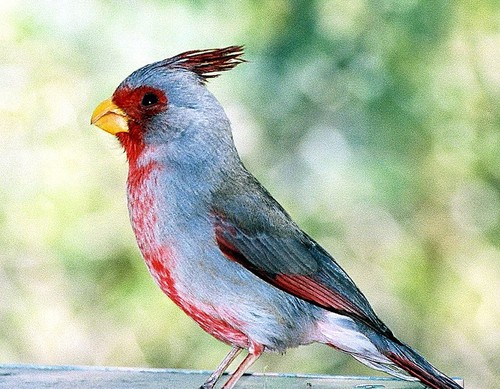
Pyrrhuloxia
19-22 cm (7.5-8.7 in) long, 30 cm wingspan
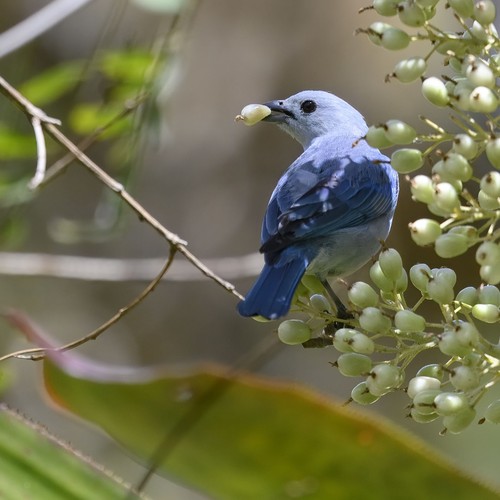
Blue-gray Tanager
16-18 cm (6-7 in) long
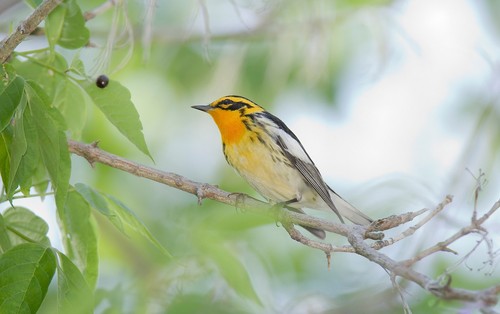
Blackburnian Warbler
11-13 cm (4.3-5.1 in) long, 20-22 cm wingspan
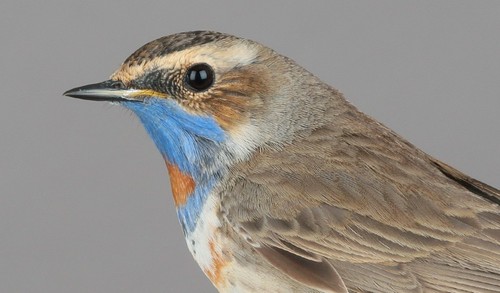
Bluethroat
13-14 cm (5.1-5.5 in) long, 20-22 cm wingspan
Eurasian Nuthatch
12-14.5 cm (4.7-5.7 in) long, 22.5-27 cm wingspan
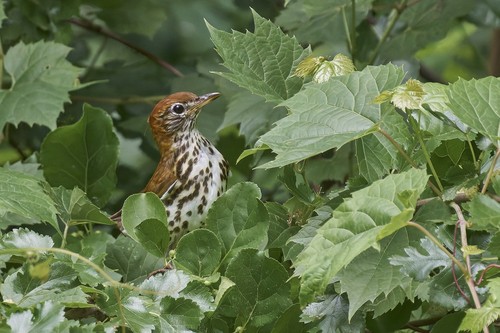
Wood Thrush
19-21 cm (7.5-8.3 in) long, about 33 cm (13 in) wingspan