
Canvasback
Aythya valisineria
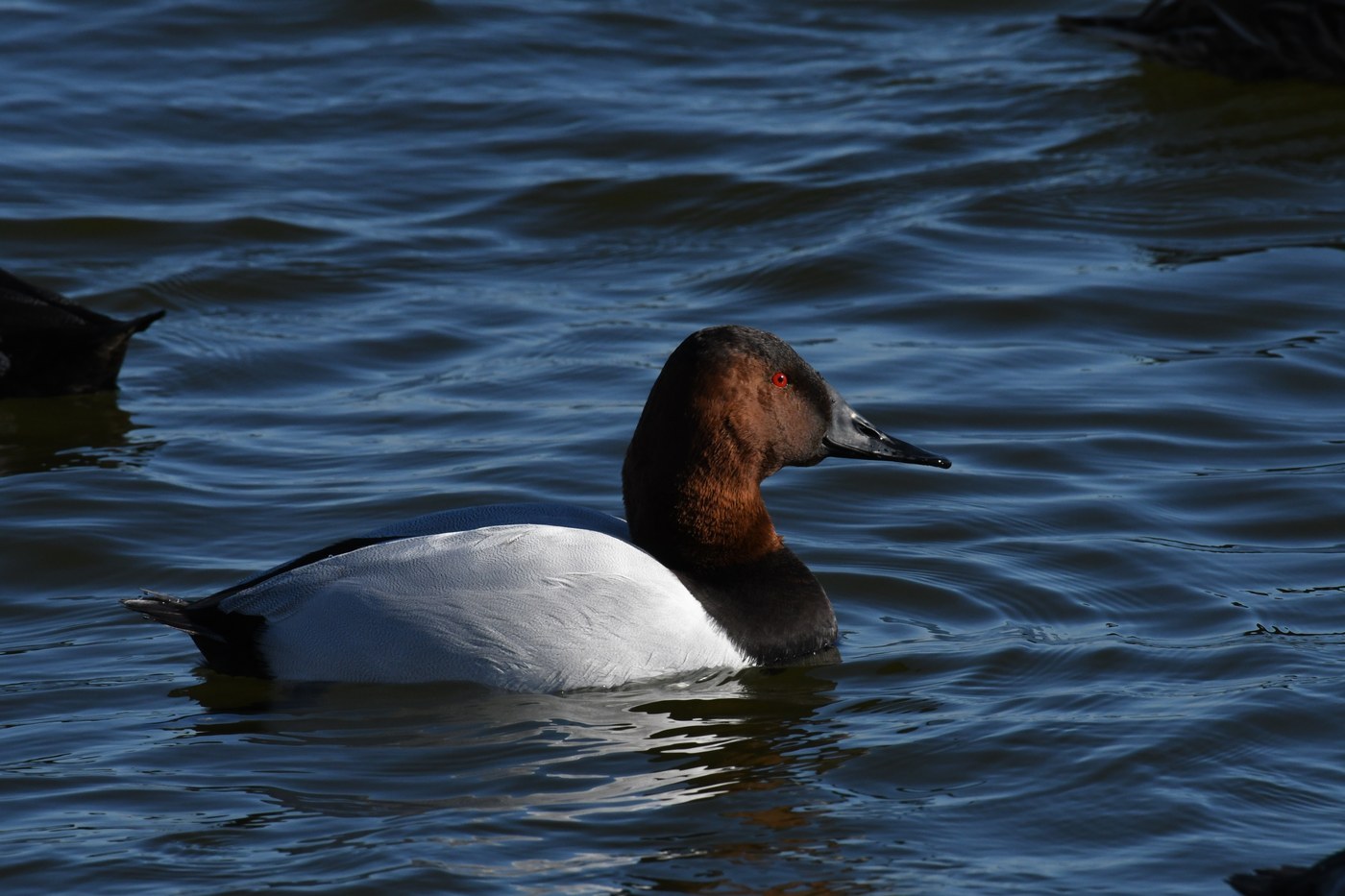
A large diving duck with a distinctive sloping forehead profile, the drake showing a rich chestnut head, black breast, and pale whitish body.
- Size
- 48-56 cm (19-22 in) long, 79-89 cm wingspan
- Habitat
- large lakes, deep marshes, and coastal bays; breeds in prairie pothole wetlands
- Type
- waterfowl
Spotted a bird like this?
Identify any bird from a photo, free.
Overview
The Canvasback is the largest of the North American diving ducks in the genus Aythya, known for its distinctively long, sloping profile where the forehead blends smoothly into a long, straight black bill without any break at the crown. The breeding drake has a rich chestnut-red head and neck, a black breast and rump, and a body so pale gray-white it resembles unbleached canvas fabric, the source of the species' name.
Females share the same sloping head profile but are colored in soft grayish-brown tones with a paler body. The unique head shape makes the species identifiable at a distance even when color details are hard to discern.
How to identify it
Key Field Marks
- Long, sloping forehead profile blending smoothly into a long black bill, without a break at the crown
- Breeding drake: chestnut-red head and neck, black breast and rump, pale grayish-white body
- Female: same sloping profile in soft grayish-brown tones
- Red eye (drake) versus dark eye (female)
Similar Species
The Redhead has a similar chestnut head but a rounded (not sloping) forehead and a shorter, blue-gray bill with a black tip, plus a gray (not whitish) body. The Canvasback's uniquely long, straight head-to-bill profile is the most reliable field mark separating the two species.
Habitat & range
Canvasbacks breed primarily in the prairie pothole region of the north-central United States and south-central Canada, favoring deep, permanent marshes with abundant submerged vegetation, particularly wild celery (Vallisneria), for which the species is named. They winter on large lakes, reservoirs, and coastal bays and estuaries across the United States, with major wintering concentrations historically on Chesapeake Bay and other large coastal water bodies.
The species is a strong, fast flier, often traveling in tight V-formations during migration between breeding and wintering grounds.
Behavior & voice
Canvasbacks are diving ducks, feeding by diving underwater to reach submerged tubers, seeds, and vegetation such as wild celery, along with mollusks and other invertebrates, particularly on wintering grounds in coastal bays. They typically dive in deeper water than dabbling ducks, often exceeding 20 feet.
The male's call is a soft, cooing note during courtship, generally quieter than many other ducks, while females give a low, croaking quack. Canvasbacks nest over water in dense emergent marsh vegetation, building a substantial platform nest anchored to reeds or cattails, with females incubating 7-12 eggs alone.
Frequently asked questions
Why is it called a Canvasback?
The breeding drake's pale grayish-white back resembles the color of unbleached canvas fabric.
How do you tell a Canvasback from a Redhead?
The Canvasback has a long, sloping forehead blending into a long black bill and a whitish body, while the Redhead has a rounded head, a shorter blue-gray bill with a black tip, and a gray body.
What do Canvasbacks eat?
They dive for aquatic tubers and vegetation (especially wild celery), mollusks, and other invertebrates.
Where do Canvasbacks breed?
They breed mainly in the prairie pothole region of the north-central United States and south-central Canada.
Are Canvasbacks fast fliers?
Yes, they are among the fastest-flying North American ducks, often traveling in tight V-formations during migration.
Canvasback guides
In-depth guides for identifying, finding, and understanding Canvasback.
Other birds you may enjoy
Red-necked Grebe
40-55 cm (16-22 in) long, 77-85 cm wingspan
Horned Grebe
31-38 cm (12-15 in) long, 46-55 cm wingspan
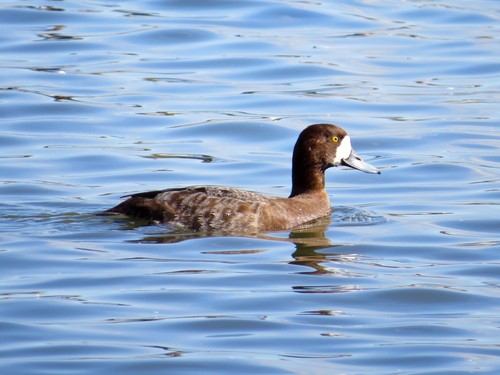
Greater Scaup
42-51 cm (16.5-20 in) long, 71-84 cm wingspan
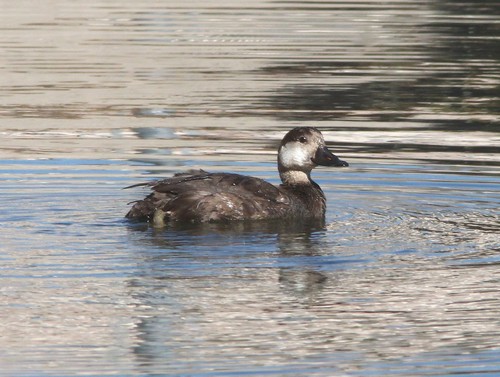
Black Scoter
43-54 cm (17-21 in) long, 79-90 cm wingspan
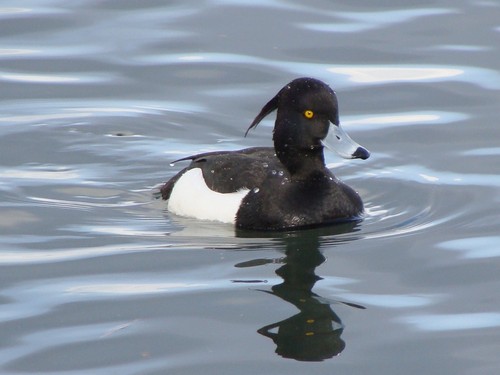
Tufted Duck
40-47 cm (16-18.5 in) long, 67-73 cm wingspan
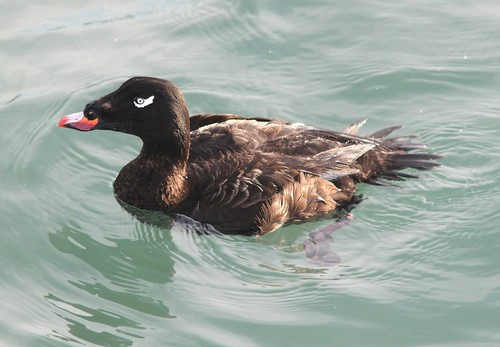
White-winged Scoter
48-58 cm (19-23 in) long, 86-99 cm wingspan
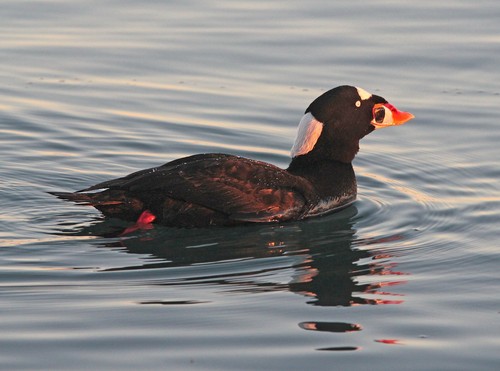
Surf Scoter
45-56 cm (18-22 in) long, 78-92 cm wingspan
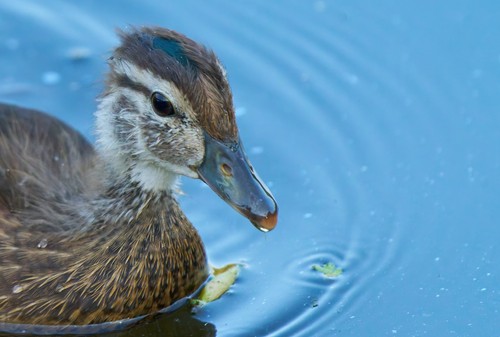
Wood Duck
47-54 cm (18.5-21 in) long, 66-73 cm wingspan
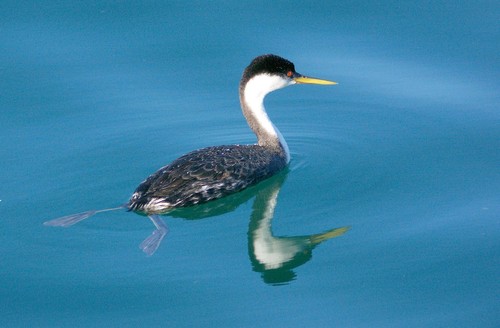
Western Grebe
56-74 cm (22-29 in) long, 79-102 cm wingspan
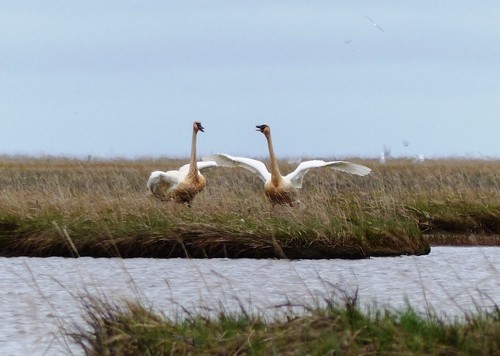
Tundra Swan
115-150 cm (45-59 in) long, about 180 cm wingspan
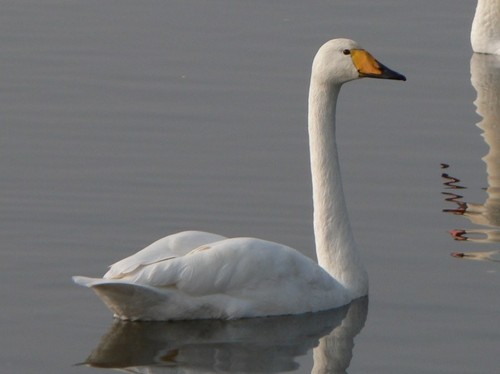
Whooper Swan
140-165 cm (55-65 in) long, 205-235 cm wingspan
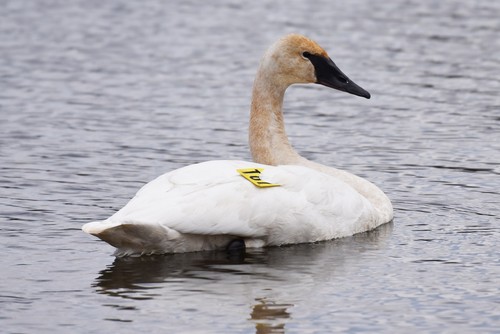
Trumpeter Swan
150-180 cm (59-71 in) long, up to 300 cm wingspan