
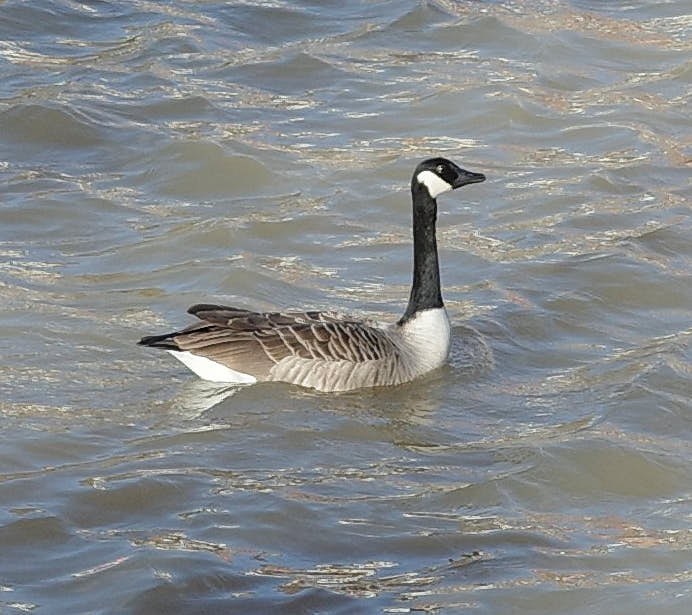
Canada Goose
Branta canadensis
A familiar large goose with a black head and neck, white chinstrap, and brown body, common on lawns and lakes across North America.
- Size
- 76-110 cm (30-43 in) long, 127-185 cm wingspan
- Habitat
- lakes, ponds, rivers, parks, fields, and urban areas
- Type
- waterfowl
Spotted a bird like this?
Identify any bird from a photo, free.
Overview
The Canada Goose is one of the most familiar and widespread waterfowl in North America, instantly recognizable by its black head and neck set off by a bold white chinstrap patch, brown body, and pale underside. Size varies considerably across the many recognized subspecies, from relatively small birds to some of the largest geese in the world.
Highly adaptable, Canada Geese thrive in a huge range of habitats from remote tundra to golf courses, city parks, and suburban lawns, and their V-shaped migratory flocks and loud honking calls are iconic sounds and sights of spring and fall across much of the continent.
How to identify it
Key field marks
- Black head and neck with a bold white chinstrap patch running under the chin
- Brown-gray body, paler breast, black legs and feet
- Large size (though variable by subspecies), long neck
- Flies in classic V-formation, giving loud honking calls
Similar species
The Cackling Goose, once considered the same species, is much smaller with a stubbier, more triangular bill and a shorter neck, though plumage pattern is nearly identical, making size and structure the best clues. The Brant is much smaller and darker, lacking the white chinstrap and instead showing a small white neck patch.
Habitat & range
Canada Geese breed across a vast range spanning from the Arctic tundra to temperate wetlands, grasslands, and urban parks throughout Canada and the United States. Many populations are migratory, moving between northern breeding grounds and more southerly wintering areas, while other populations, especially in urban and suburban areas, have become largely non-migratory 'resident' geese that remain year-round near lakes, ponds, and mowed lawns.
Behavior & voice
Behavior
Canada Geese are highly social, forming large flocks outside the breeding season and flying in coordinated V-formations during migration to conserve energy. Pairs mate for life and are fiercely protective of nests and goslings.
Voice
Loud and familiar, the classic 'honk-a-lonk' call is heard year-round, along with a variety of hisses and grunts used in aggressive displays.
Feeding
Primarily grasses, sedges, and grains, grazed on land, along with aquatic plants; urban geese readily feed on lawns and agricultural fields.
Nesting
Nests on the ground, often on a slightly elevated site near water, sometimes on muskrat lodges or small islands; clutches typically number 4-7 eggs, and both parents defend the goslings vigorously.
Frequently asked questions
How do you tell a Canada Goose from a Cackling Goose?
Cackling Geese are notably smaller with a short neck and a stubby, triangular bill, while Canada Geese are larger with a longer neck and bill; both share the same black head and white chinstrap pattern.
Why do Canada Geese fly in a V-formation?
Flying in a V reduces air resistance for trailing birds and helps the flock maintain visual contact and communicate, conserving energy on long migratory flights.
Do all Canada Geese migrate?
No, many urban and suburban populations have become year-round residents that no longer migrate, especially where food and open water are available in winter.
What do Canada Geese eat?
Mostly grasses, sedges, and grains grazed on land, along with aquatic plants; they readily feed on lawns, parks, and agricultural fields.
Canada Goose guides
In-depth guides for identifying, finding, and understanding Canada Goose.
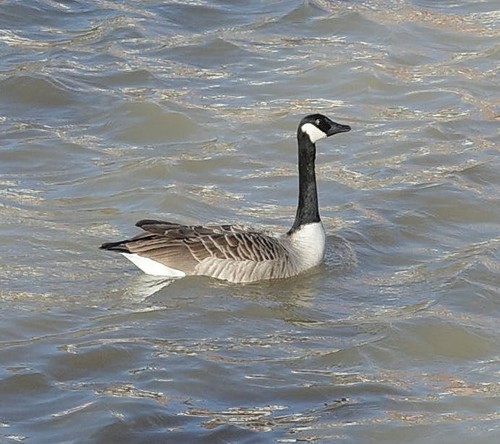
Canada Goose identified by the community
Real birds identified with Bird Identifier.
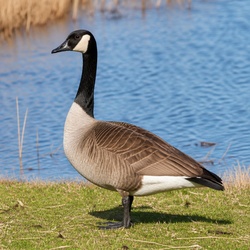
Other birds you may enjoy
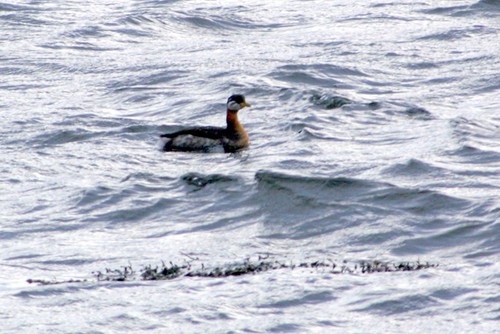
Red-necked Grebe
40-55 cm (16-22 in) long, 77-85 cm wingspan
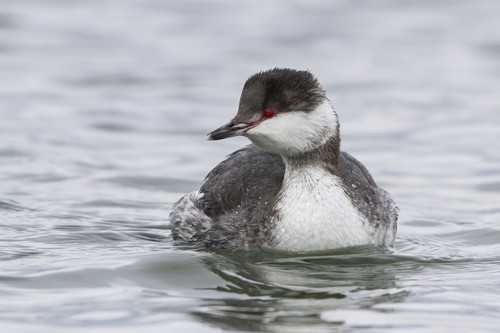
Horned Grebe
31-38 cm (12-15 in) long, 46-55 cm wingspan
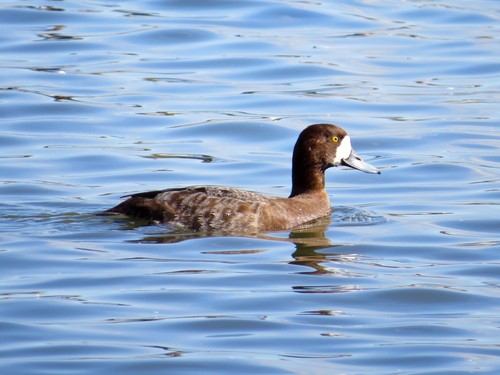
Greater Scaup
42-51 cm (16.5-20 in) long, 71-84 cm wingspan
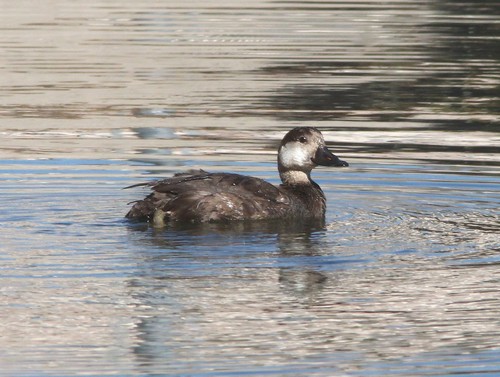
Black Scoter
43-54 cm (17-21 in) long, 79-90 cm wingspan
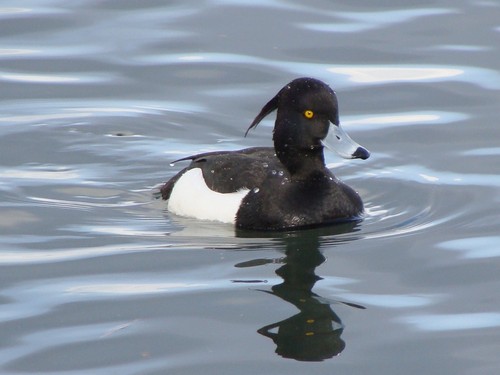
Tufted Duck
40-47 cm (16-18.5 in) long, 67-73 cm wingspan
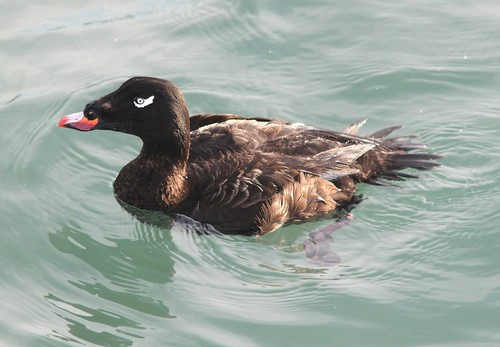
White-winged Scoter
48-58 cm (19-23 in) long, 86-99 cm wingspan
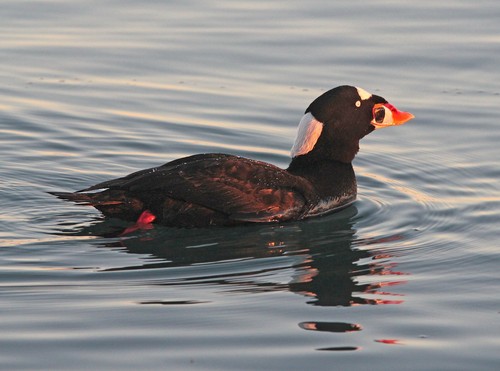
Surf Scoter
45-56 cm (18-22 in) long, 78-92 cm wingspan
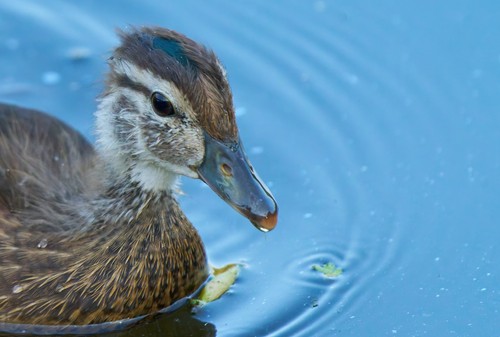
Wood Duck
47-54 cm (18.5-21 in) long, 66-73 cm wingspan
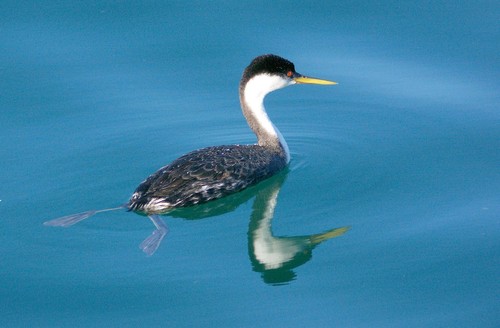
Western Grebe
56-74 cm (22-29 in) long, 79-102 cm wingspan
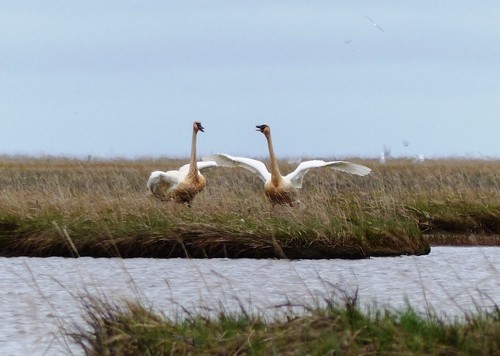
Tundra Swan
115-150 cm (45-59 in) long, about 180 cm wingspan
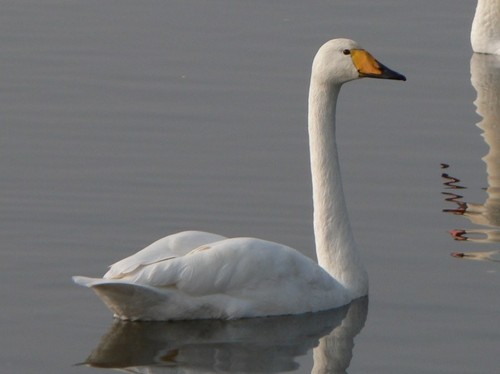
Whooper Swan
140-165 cm (55-65 in) long, 205-235 cm wingspan
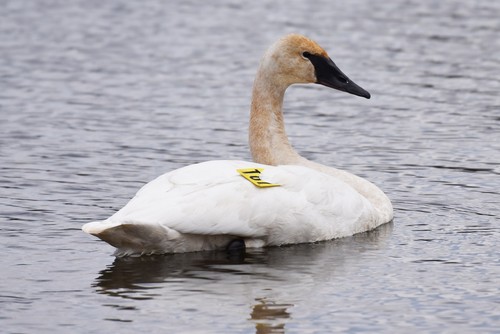
Trumpeter Swan
150-180 cm (59-71 in) long, up to 300 cm wingspan