
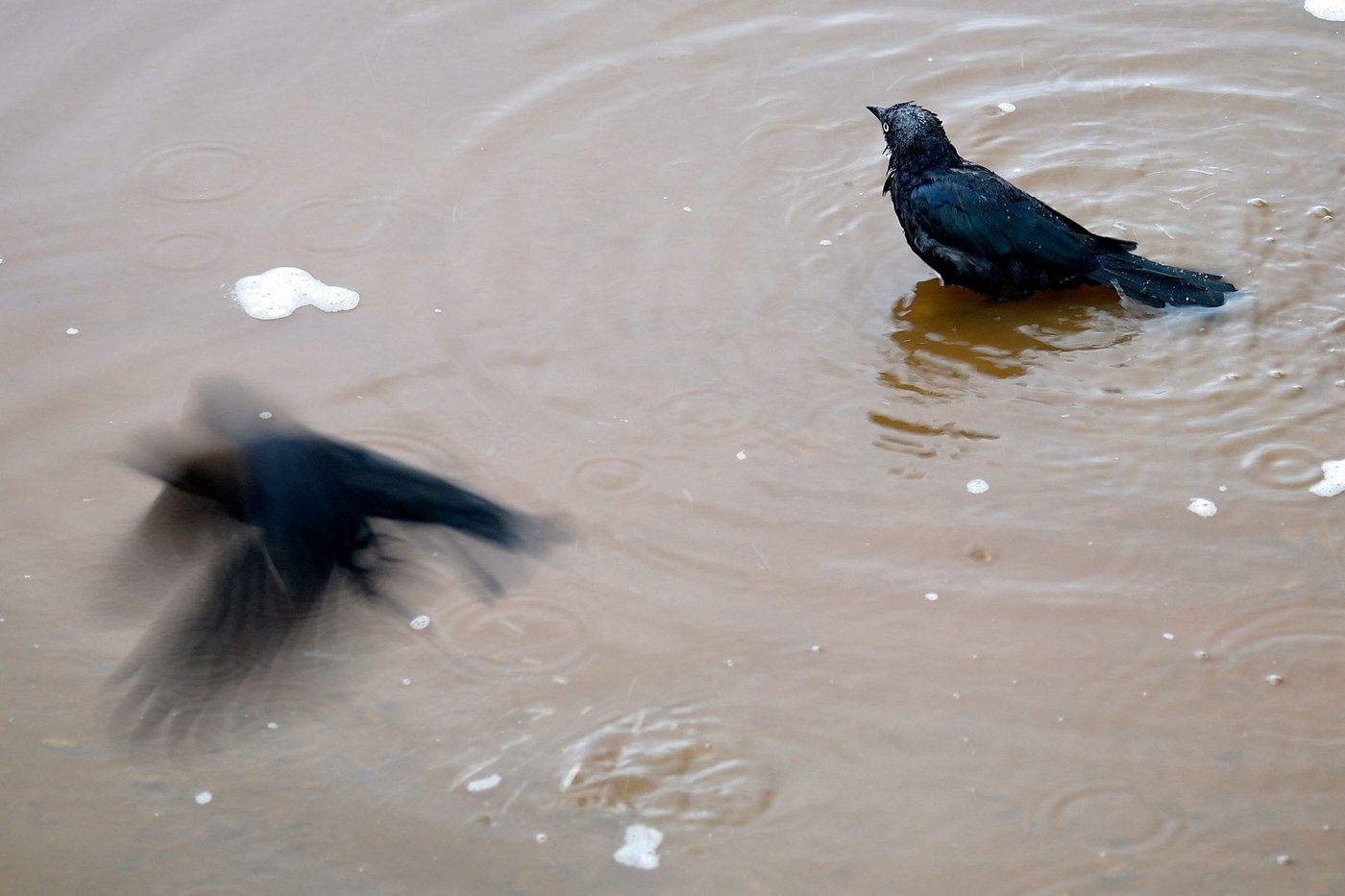
Brewer's Blackbird
Euphagus cyanocephalus
A glossy, pale-eyed blackbird of open western habitats, common in parking lots, parks, and farmland, with a purple-and-green iridescent sheen.
- Size
- 20-25 cm (8-10 in) long
- Habitat
- open fields, parks, agricultural land, and urban areas
- Type
- songbird
Spotted a bird like this?
Identify any bird from a photo, free.
Overview
Brewer's Blackbird is a common and adaptable songbird of open habitats across the western and central United States, equally at home in agricultural fields, city parks, and parking lots. Males are glossy black overall, shimmering with iridescent purple on the head and greenish tones on the body in good light, and are marked by striking pale yellow eyes.
Females are much plainer, a uniform dull grayish-brown with dark eyes, lacking the male's glossy sheen entirely, a contrast that can make the sexes look almost like different species at a glance.
How to identify it
Key field marks
- Male: glossy black plumage with iridescent purple head and greenish body sheen, pale yellow eyes
- Female: plain grayish-brown, dark eyes, no iridescence
- Slim build with a relatively long tail and thin bill
Similar species
- Common Grackle: larger with a longer, more strongly keeled tail and a bigger bill.
- Rusty Blackbird: in nonbreeding plumage shows warm rusty feather edges rather than the cleaner glossy black of Brewer's, and ranges rarely overlap outside migration/winter in some areas.
- European Starling: shorter tail, speckled plumage in winter, and a yellow (not black) bill in breeding season.
Habitat & range
Habitat
Brewer's Blackbirds favor a wide range of open habitats, including agricultural fields, pastures, city parks, lawns, and parking lots, generally avoiding dense forest.
Range
The species breeds across much of the western and central United States and Canada, and has been gradually expanding its breeding range eastward in recent decades. It winters across much of the southern and western US and Mexico.
Migration
Brewer's Blackbirds are partial migrants; many western and northern populations move south for winter, while some populations in milder climates remain resident year-round.
Behavior & voice
Behavior
Brewer's Blackbirds forage mostly on the ground, walking rather than hopping, and readily gather in flocks in open areas including parking lots and picnic areas where they take advantage of food scraps alongside their natural diet of insects, seeds, and grain.
Voice
The song is a short, harsh, creaky note, often described as unmusical, while calls include a sharp "check" note.
Nesting
Nests are bulky cups built in shrubs, low trees, or occasionally on the ground, sometimes in loose colonies. Females lay 3-7 eggs, and both parents help feed the young.
Frequently asked questions
How do you identify a Brewer's Blackbird?
Males are glossy black with iridescent purple on the head and greenish tones on the body plus pale yellow eyes, while females are plain grayish-brown with dark eyes.
Where do Brewer's Blackbirds live?
They favor open habitats such as agricultural fields, parks, and parking lots across the western and central United States and Canada, with the range expanding eastward.
How do you tell Brewer's Blackbird from a grackle?
Brewer's Blackbird is smaller with a shorter, less keeled tail and a thinner bill compared to the larger Common Grackle.
What does a Brewer's Blackbird eat?
It eats insects, seeds, grain, and readily takes food scraps in urban and suburban settings.
Brewer's Blackbird guides
In-depth guides for identifying, finding, and understanding Brewer's Blackbird.
Other birds you may enjoy
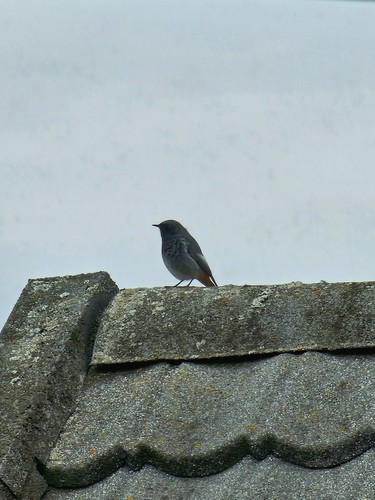
Black Redstart
13-14.5 cm (5.1-5.7 in) long, 23-26 cm wingspan
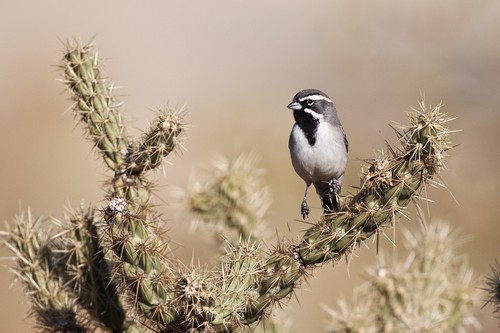
Black-throated Sparrow
12-14 cm (4.7-5.5 in) long, about 19-20 cm (7.5-8 in) wingspan
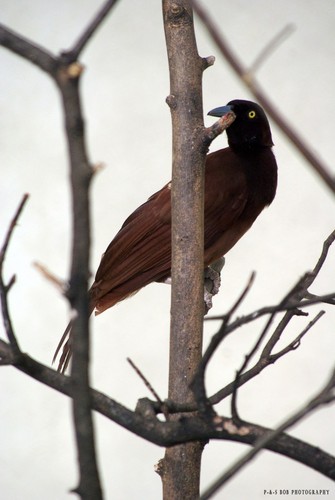
Greater Bird-of-paradise
Body about 43 cm; males with additional flank plumes up to 50 cm and long tail wires
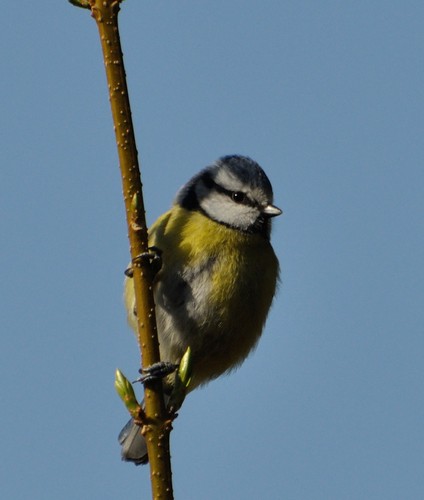
Blue Tit
11-12 cm (4.3-4.7 in) long, 17-20 cm wingspan
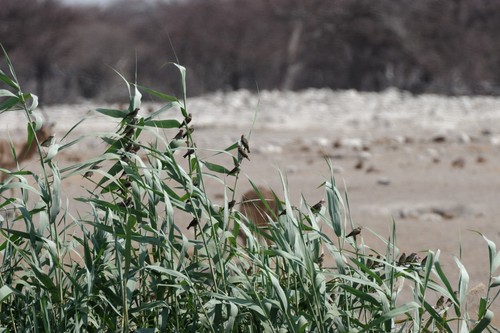
Red-billed Quelea
11.5–13 cm long, wingspan about 20–22 cm
White-plumed Antbird
13-14 cm (5-5.5 in) long
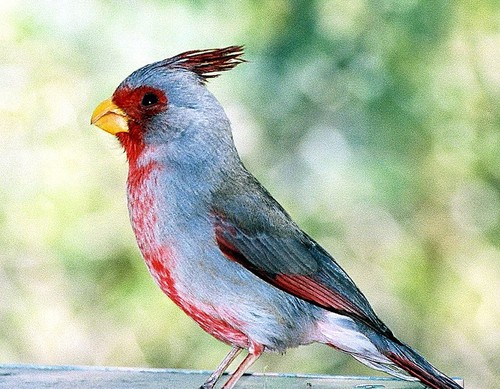
Pyrrhuloxia
19-22 cm (7.5-8.7 in) long, 30 cm wingspan
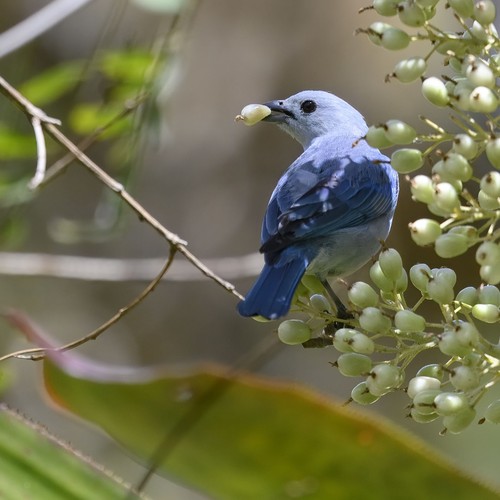
Blue-gray Tanager
16-18 cm (6-7 in) long
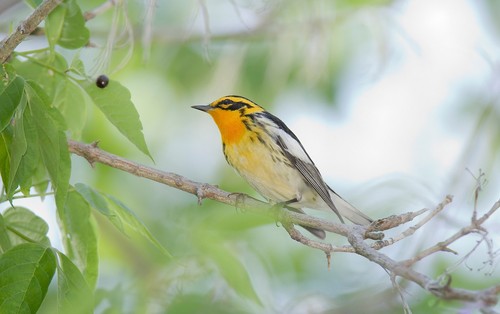
Blackburnian Warbler
11-13 cm (4.3-5.1 in) long, 20-22 cm wingspan
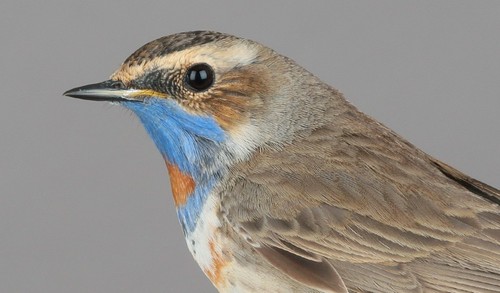
Bluethroat
13-14 cm (5.1-5.5 in) long, 20-22 cm wingspan
Eurasian Nuthatch
12-14.5 cm (4.7-5.7 in) long, 22.5-27 cm wingspan
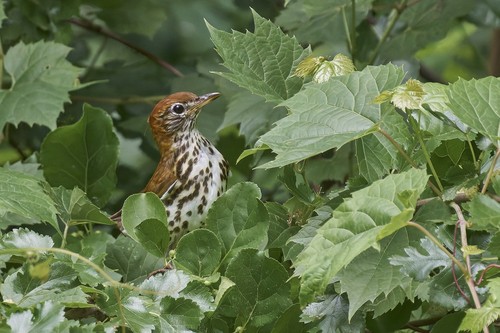
Wood Thrush
19-21 cm (7.5-8.3 in) long, about 33 cm (13 in) wingspan