
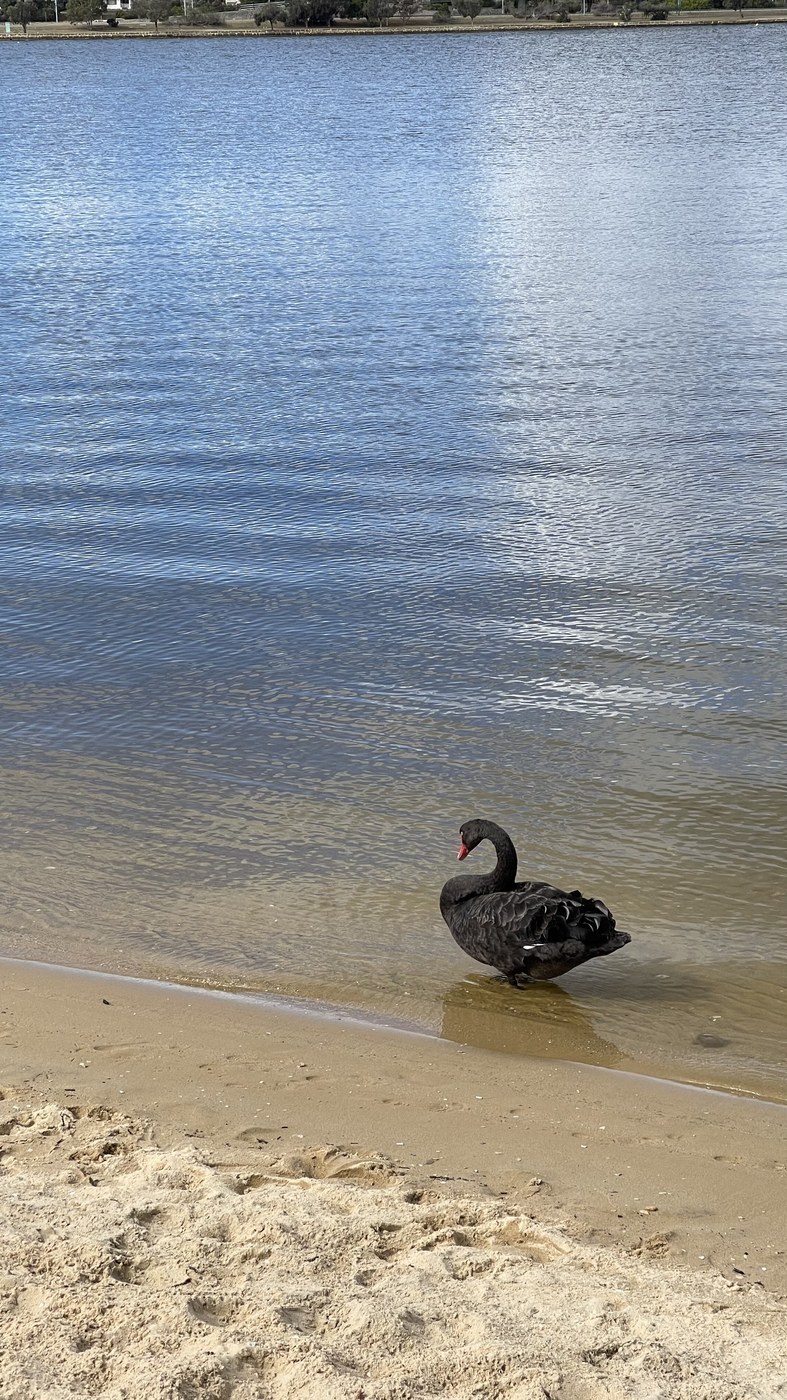
Black Swan
Cygnus atratus
A large, entirely black-plumaged swan native to Australia, with a bright red bill and curly white wing feathers revealed in flight.
- Size
- 110-142 cm (43-56 in) long, 160-200 cm wingspan
- Habitat
- lakes, wetlands, rivers, and estuaries, native to Australia
- Type
- waterfowl
Spotted a bird like this?
Identify any bird from a photo, free.
Overview
The Black Swan is Australia's only native swan and one of the very few swans in the world with predominantly black plumage. The body is covered in sooty black feathers, many with distinctively curled or ruffled edges on the back and wings, while the flight feathers are white, becoming visible as a striking contrast when the bird spreads its wings. The bill is bright red with a pale band near the tip.
Once considered a symbol of impossibility in Europe (the phrase "black swan" meant something believed not to exist) until Dutch explorers encountered the species in Western Australia in the late 17th century, prompting a lasting shift in that idiom's meaning.
How to identify it
Key field marks
- Entirely black or sooty-grey body plumage with curled feather edges on the back
- Bright red bill with a whitish band near the tip
- White flight feathers, conspicuous in flight or when wings are raised
- Long, gracefully curved neck
Similar species
No other swan species shares the all-black plumage, making the Black Swan unmistakable wherever it occurs, including in areas where it has been introduced or escaped from captivity outside Australia.
Habitat & range
Range and habitat
The Black Swan is native to Australia, found on lakes, wetlands, slow rivers, and coastal lagoons across most of the continent, and has also established feral or introduced populations in New Zealand and parts of Europe.
Migration
Australian populations are largely nomadic rather than strictly migratory, moving in response to rainfall and water availability, sometimes covering long distances to find suitable wetlands during droughts.
Behavior & voice
Behavior
Black Swans are gregarious, often forming large flocks on suitable wetlands, and can be aggressive in defense of nesting territories, though generally less so toward humans than some Mute Swans.
Voice
Calls include a musical, bugling note along with softer crooning and hissing sounds, distinct from the calls of white swan species.
Feeding
They feed almost entirely on aquatic vegetation and algae, reaching submerged plants by upending or dipping their long necks below the surface.
Nesting and breeding
Pairs build large nest mounds of reeds and grasses near or in shallow water, and both parents share incubation and chick-rearing duties; Black Swans can breed at almost any time of year when conditions allow, unlike the strictly seasonal breeding of most swans.
Frequently asked questions
Where are Black Swans originally from?
They are native to Australia, occurring across most of the continent on lakes, wetlands, and coastal waters.
Why are Black Swans significant to the phrase 'black swan event'?
Before their discovery by Europeans, 'black swan' was used as a metaphor for something impossible; the 17th-century discovery of real black swans in Australia later inspired the modern idiom for a rare, unexpected event.
Do Black Swans have any white feathers?
Yes, their flight (wing) feathers are white, creating a striking contrast that is especially visible when the bird spreads or flaps its wings.
Are Black Swans found outside Australia?
Introduced and feral populations exist in New Zealand and parts of Europe, though the species is native only to Australia.
Black Swan guides
In-depth guides for identifying, finding, and understanding Black Swan.
Other birds you may enjoy
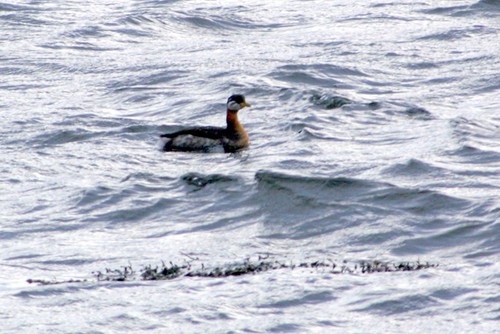
Red-necked Grebe
40-55 cm (16-22 in) long, 77-85 cm wingspan
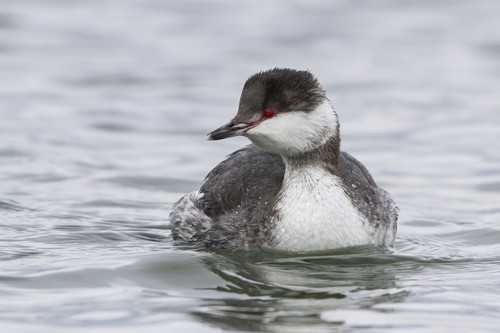
Horned Grebe
31-38 cm (12-15 in) long, 46-55 cm wingspan
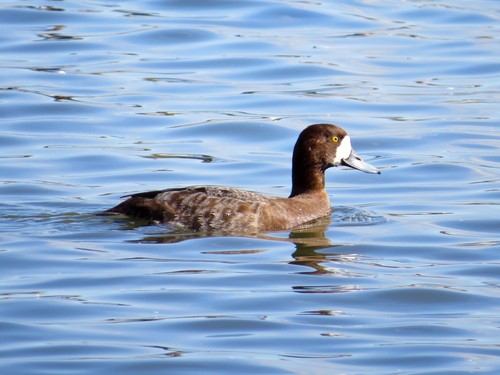
Greater Scaup
42-51 cm (16.5-20 in) long, 71-84 cm wingspan
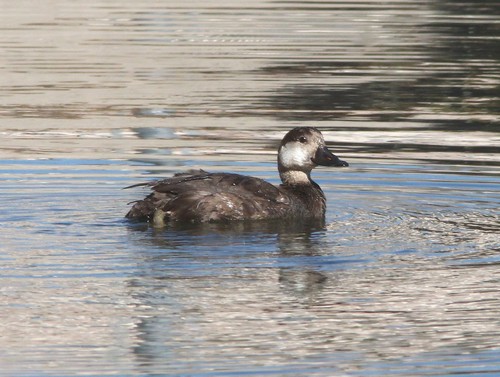
Black Scoter
43-54 cm (17-21 in) long, 79-90 cm wingspan
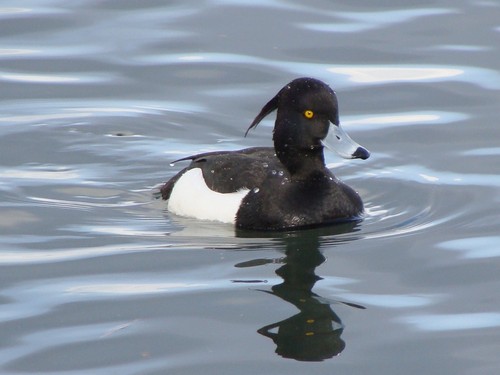
Tufted Duck
40-47 cm (16-18.5 in) long, 67-73 cm wingspan
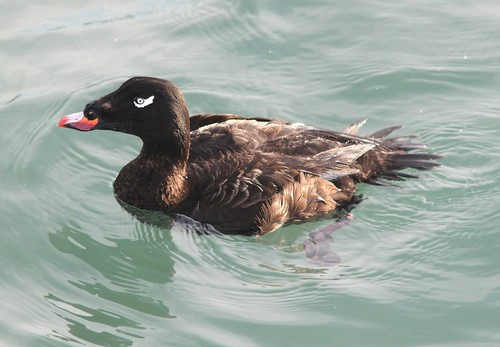
White-winged Scoter
48-58 cm (19-23 in) long, 86-99 cm wingspan
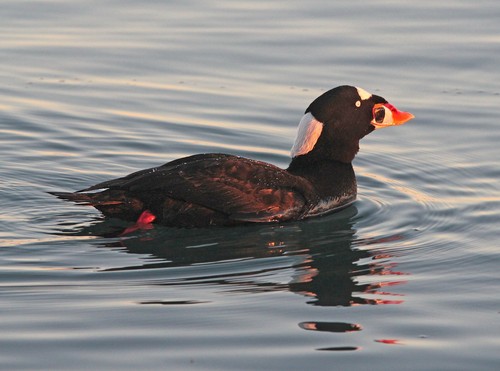
Surf Scoter
45-56 cm (18-22 in) long, 78-92 cm wingspan
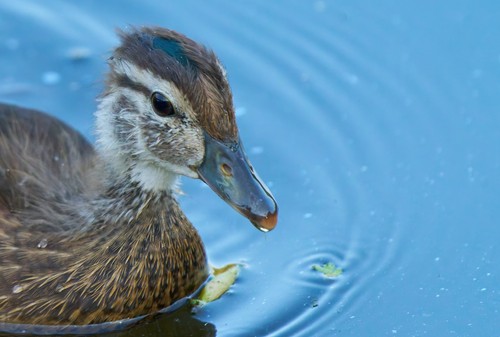
Wood Duck
47-54 cm (18.5-21 in) long, 66-73 cm wingspan
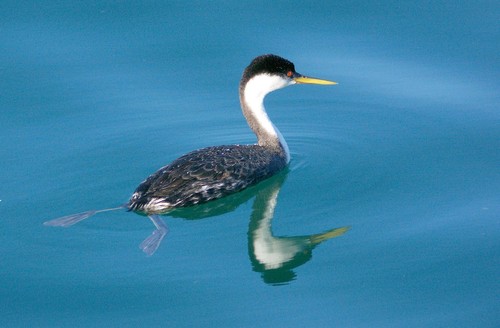
Western Grebe
56-74 cm (22-29 in) long, 79-102 cm wingspan
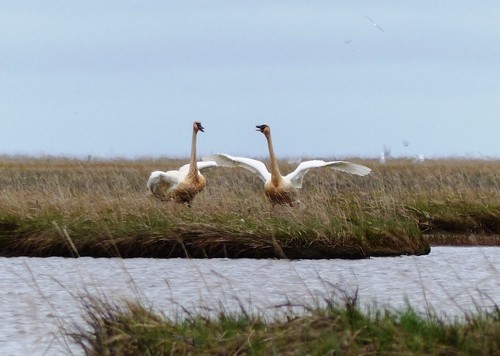
Tundra Swan
115-150 cm (45-59 in) long, about 180 cm wingspan
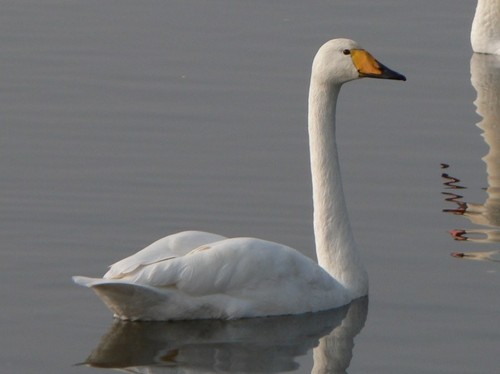
Whooper Swan
140-165 cm (55-65 in) long, 205-235 cm wingspan
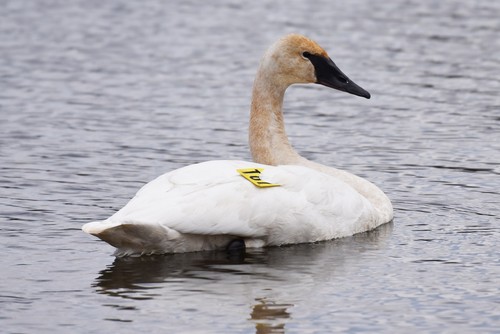
Trumpeter Swan
150-180 cm (59-71 in) long, up to 300 cm wingspan