
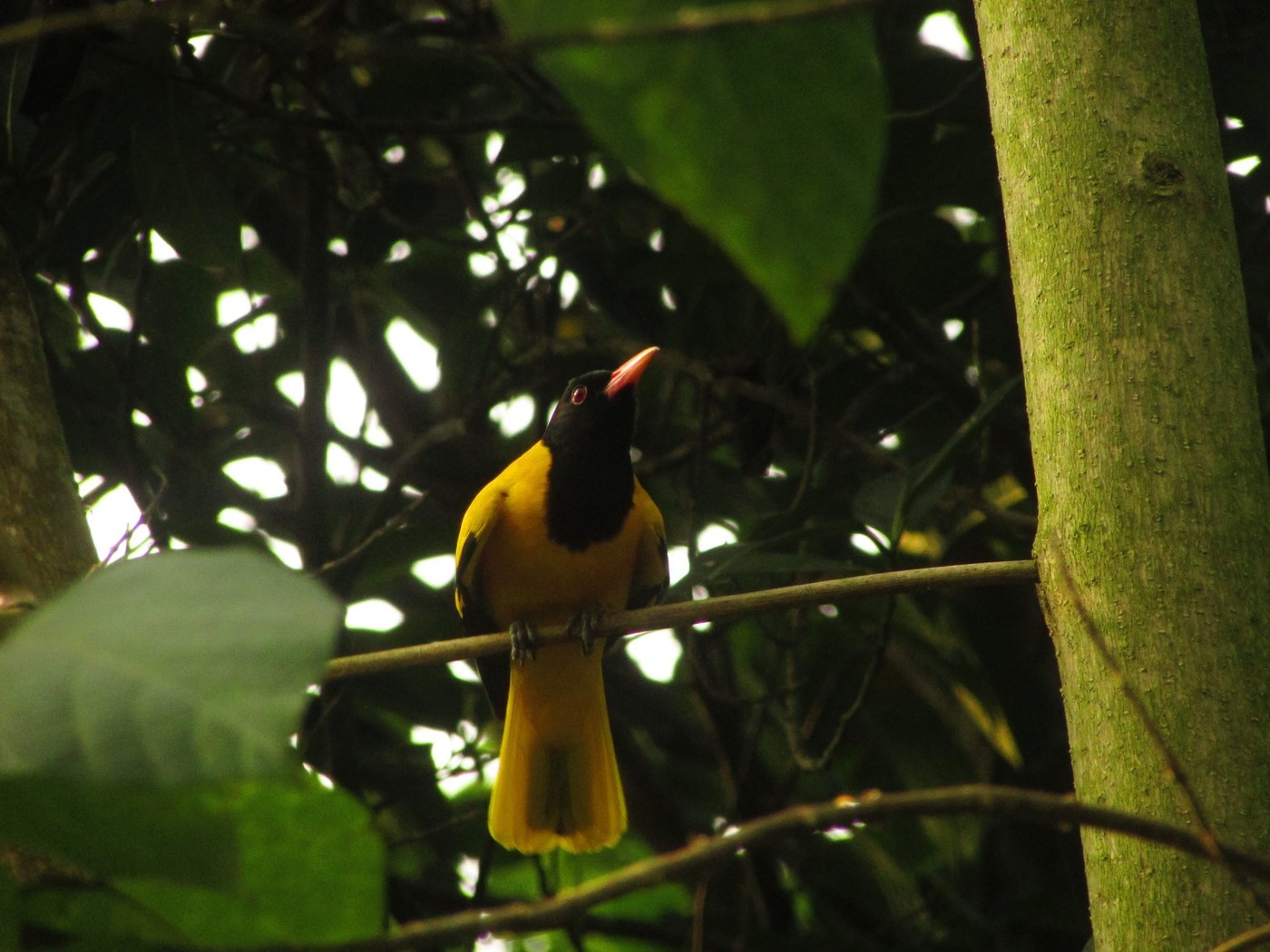
Black-hooded Oriole
Oriolus xanthornus
A vivid golden-yellow oriole with a solid black hood and black-and-yellow wings, often heard before it is seen in leafy canopy.
- Size
- 22-25 cm (8.7-10 in) long
- Habitat
- open forest, groves, gardens, and cultivated land across South and Southeast Asia
- Type
- songbird
Spotted a bird like this?
Identify any bird from a photo, free.
Overview
The Black-hooded Oriole is a strikingly patterned songbird with a rich golden-yellow body offset by a solid black hood covering the head, throat, and upper breast. The wings are mostly black with yellow markings, and the tail is black tipped with yellow, creating a bold, high-contrast appearance that is nonetheless surprisingly easy to overlook among sunlit, dappled foliage.
Both sexes look broadly similar, though females and immature birds can appear slightly duller and more olive-tinged than adult males. The species tends to stay high in leafy canopy, often revealing its presence through its fluty calls before it is spotted visually.
How to identify it
Key field marks
- Bright golden-yellow body
- Solid black hood covering the head, throat, and upper breast
- Black wings marked with yellow patches; black tail tipped yellow
- Pinkish-red bill
- Often stays high in canopy, moving between fruiting or flowering trees
Similar species
The Indian Golden Oriole male shows a black eye-stripe rather than a full black hood, with a mostly yellow head. Female/immature Indian Golden Orioles are more olive-streaked below, unlike the cleaner yellow underparts of Black-hooded Oriole.
Habitat & range
Black-hooded Orioles are found across the Indian subcontinent, Sri Lanka, Bangladesh, and through Southeast Asia into Indonesia. They inhabit open forest, deciduous woodland, groves, gardens, and cultivated land with scattered large trees, generally favoring areas with good tree cover over open grassland.
The species is largely resident, with only local movements tied to fruiting and flowering seasons.
Behavior & voice
Voice
A rich, fluty series of whistled notes, along with a nasal, cat-like mewing call; the song is melodious and often the first indication of the bird's presence in dense canopy.
Feeding
Black-hooded Orioles feed on insects, fruit, nectar, and berries, foraging actively in the middle and upper canopy of trees, sometimes joining mixed-species flocks.
Nesting and breeding
The nest is a neat, deep cup woven from plant fibers and slung hammock-style between a horizontal fork high in a tree. Both parents typically help feed the chicks, and pairs are often quite vocal near the nest site.
Frequently asked questions
How do you tell a Black-hooded Oriole from other orioles?
Look for the solid black hood covering the entire head and upper breast, contrasting with a bright yellow body, unlike species with only a black eye-stripe.
What does the Black-hooded Oriole sound like?
It gives rich, fluty whistled notes along with a distinctive nasal, cat-like mewing call.
Where does the Black-hooded Oriole live?
It is found across the Indian subcontinent and Southeast Asia in open forest, groves, gardens, and cultivated land with good tree cover.
What does a Black-hooded Oriole eat?
Insects, fruit, nectar, and berries, foraged mainly in the tree canopy.
Black-hooded Oriole guides
In-depth guides for identifying, finding, and understanding Black-hooded Oriole.
Other birds you may enjoy
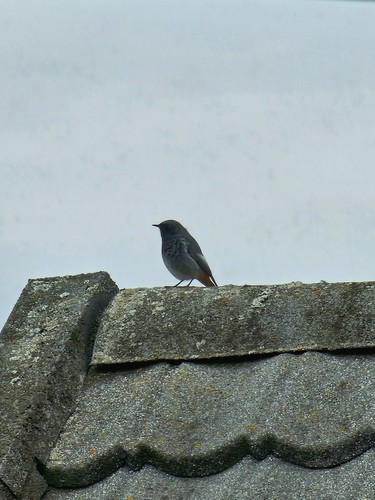
Black Redstart
13-14.5 cm (5.1-5.7 in) long, 23-26 cm wingspan
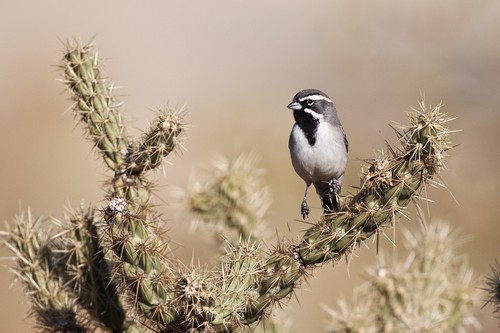
Black-throated Sparrow
12-14 cm (4.7-5.5 in) long, about 19-20 cm (7.5-8 in) wingspan
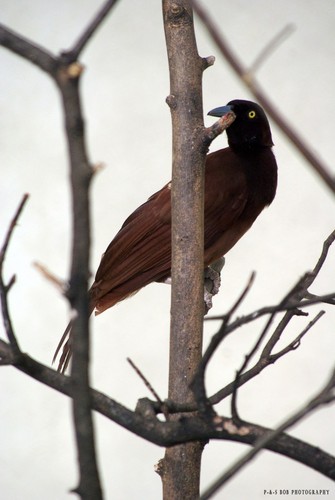
Greater Bird-of-paradise
Body about 43 cm; males with additional flank plumes up to 50 cm and long tail wires
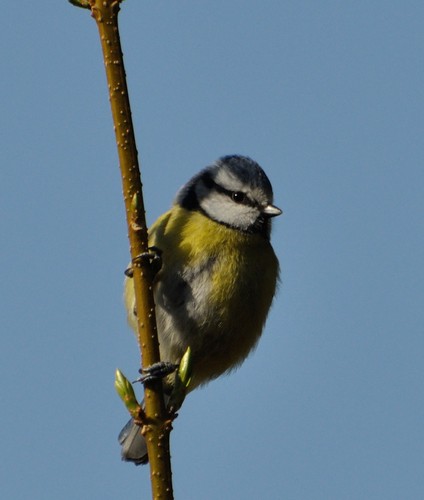
Blue Tit
11-12 cm (4.3-4.7 in) long, 17-20 cm wingspan
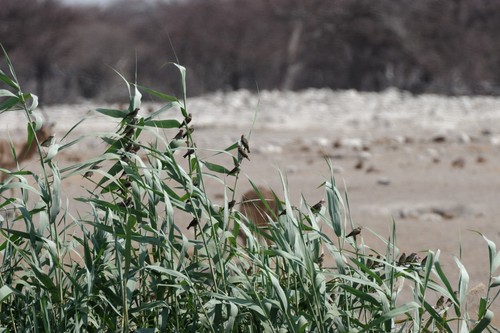
Red-billed Quelea
11.5–13 cm long, wingspan about 20–22 cm
White-plumed Antbird
13-14 cm (5-5.5 in) long
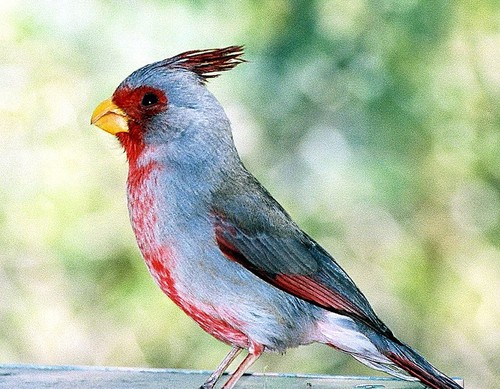
Pyrrhuloxia
19-22 cm (7.5-8.7 in) long, 30 cm wingspan
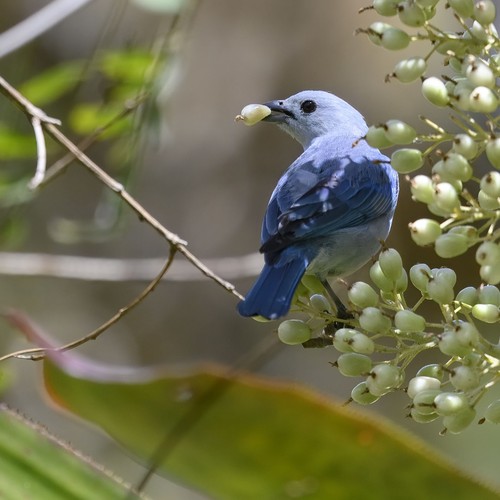
Blue-gray Tanager
16-18 cm (6-7 in) long
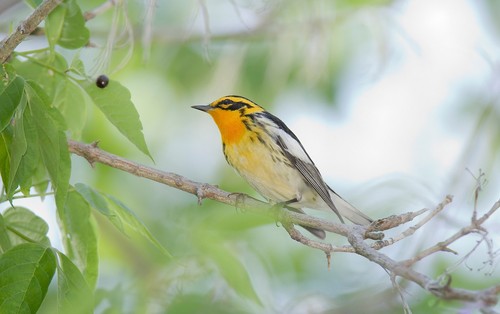
Blackburnian Warbler
11-13 cm (4.3-5.1 in) long, 20-22 cm wingspan
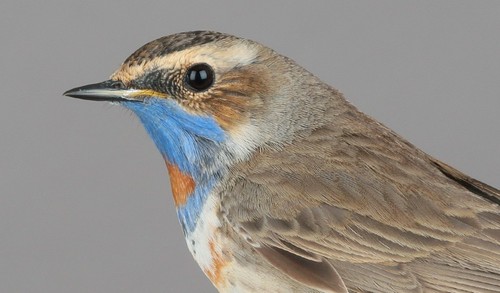
Bluethroat
13-14 cm (5.1-5.5 in) long, 20-22 cm wingspan
Eurasian Nuthatch
12-14.5 cm (4.7-5.7 in) long, 22.5-27 cm wingspan
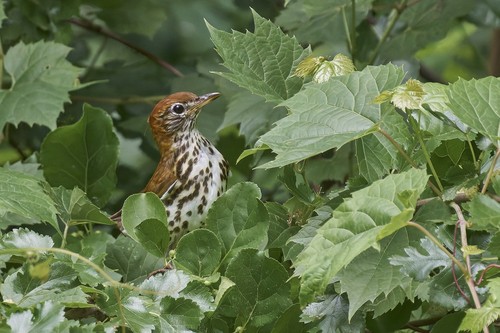
Wood Thrush
19-21 cm (7.5-8.3 in) long, about 33 cm (13 in) wingspan