
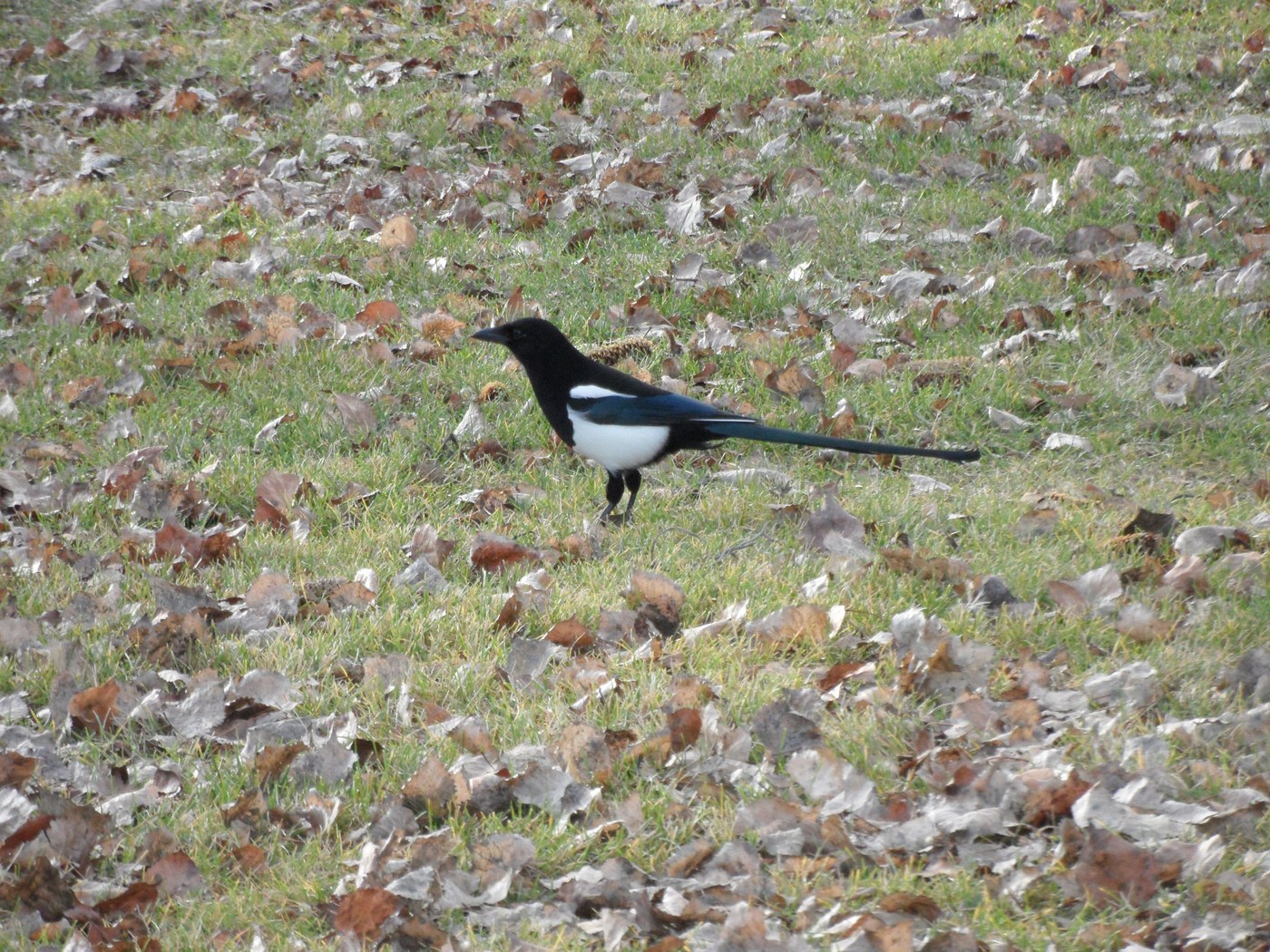
Black-billed Magpie
Pica hudsonia
A striking black-and-white corvid with an extremely long tail and iridescent wings, common across open western rangeland.
- Size
- 45-60 cm (18-24 in) long, 56-61 cm wingspan
- Habitat
- open rangeland, sagebrush steppe, riparian woodlands, and ranches of the western interior
- Type
- songbird
Spotted a bird like this?
Identify any bird from a photo, free.
Overview
The Black-billed Magpie is a large, unmistakable corvid with bold black-and-white plumage, a black head, breast, and back contrasting with white shoulders and belly, and an exceptionally long, wedge-shaped tail that makes up more than half its total length. In good light, the black wings and tail flash iridescent green, blue, and purple.
This species is one of the most recognizable birds of the open western interior, often seen in small flocks along roadsides, ranches, and rangeland, and is known for building unusually large, domed stick nests.
How to identify it
Key Field Marks
- Bold black-and-white pattern: black head, breast, back, and long tail with white belly and shoulder patches
- Extremely long, graduated tail, over half the total body length
- Iridescent green-blue-purple sheen on wings and tail in good light
- Black bill
Similar Species
- Yellow-billed Magpie looks nearly identical but has a yellow bill and bare yellow skin around the eye, and is found only in California's Central Valley and nearby foothills, with no range overlap with the Black-billed Magpie.
Habitat & range
Habitat
Black-billed Magpies favor open country including sagebrush steppe, rangeland, agricultural areas, and riparian corridors with scattered trees for nesting.
Range
Found across the interior western United States and western Canada, from the Rocky Mountains and Great Basin north into Alaska, generally absent from the Pacific coast and eastern half of the continent.
Migration
This species is largely non-migratory, remaining resident year-round, though it may wander locally outside the breeding season.
Behavior & voice
Behavior
Black-billed Magpies are social, often forming small flocks outside the breeding season, and are known for mobbing predators and scavenging at carcasses, sometimes picking ticks and insects off the backs of large mammals like deer and cattle.
Voice
Calls include a harsh, nasal mag or a chattering series of quick notes, often described as a rapid mag-mag-mag.
Feeding
Diet is highly varied, including insects, carrion, small mammals and reptiles, eggs and nestlings of other birds, seeds, and fruit.
Nesting
Pairs build an unusually large, domed stick nest with a side entrance, often reused and added to over multiple years; the female incubates 6-9 greenish, brown-spotted eggs.
Frequently asked questions
How do you tell a Black-billed Magpie from a Yellow-billed Magpie?
The two look almost identical, but the Black-billed Magpie has an all-black bill while the Yellow-billed Magpie has a yellow bill and yellow skin around the eye; their ranges do not overlap.
Where do Black-billed Magpies live?
They live in open rangeland, sagebrush steppe, and riparian areas across the interior western United States and western Canada.
Why does the Black-billed Magpie have such a long tail?
The long, graduated tail makes up more than half its body length and aids in maneuverability during flight.
What do Black-billed Magpies eat?
They eat a wide variety of foods including insects, carrion, small animals, eggs, seeds, and fruit.
Black-billed Magpie guides
In-depth guides for identifying, finding, and understanding Black-billed Magpie.
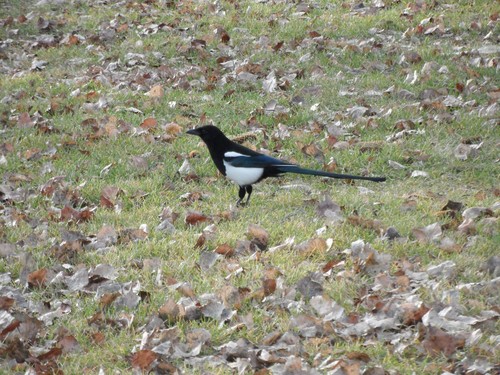
Other birds you may enjoy
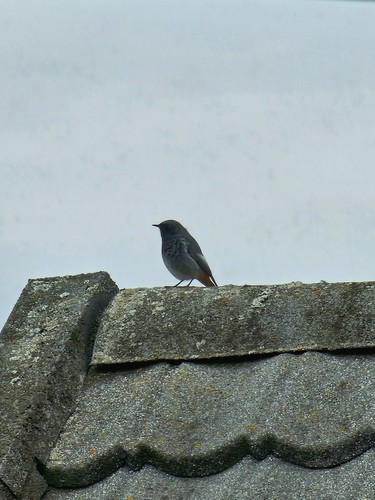
Black Redstart
13-14.5 cm (5.1-5.7 in) long, 23-26 cm wingspan
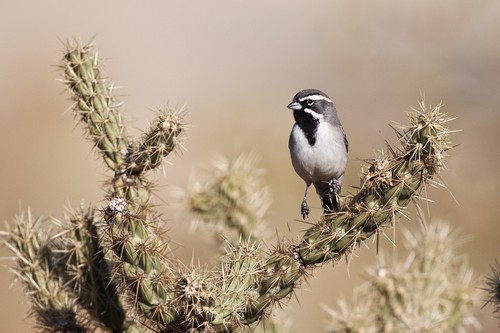
Black-throated Sparrow
12-14 cm (4.7-5.5 in) long, about 19-20 cm (7.5-8 in) wingspan
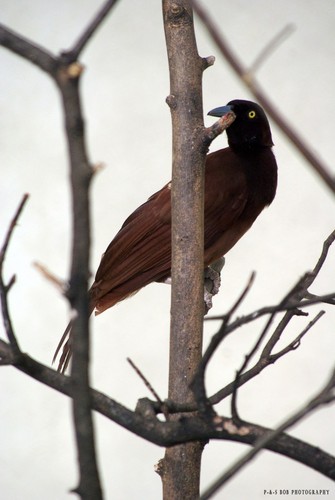
Greater Bird-of-paradise
Body about 43 cm; males with additional flank plumes up to 50 cm and long tail wires
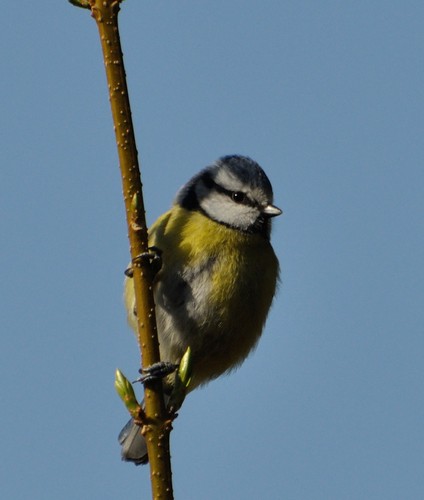
Blue Tit
11-12 cm (4.3-4.7 in) long, 17-20 cm wingspan

Red-billed Quelea
11.5–13 cm long, wingspan about 20–22 cm
White-plumed Antbird
13-14 cm (5-5.5 in) long
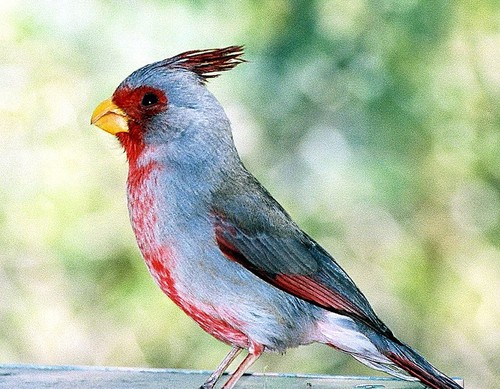
Pyrrhuloxia
19-22 cm (7.5-8.7 in) long, 30 cm wingspan
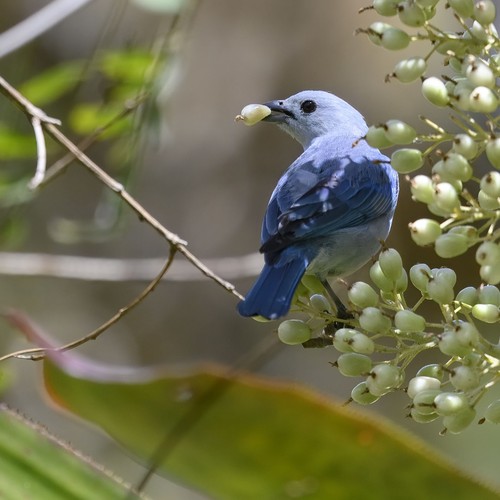
Blue-gray Tanager
16-18 cm (6-7 in) long
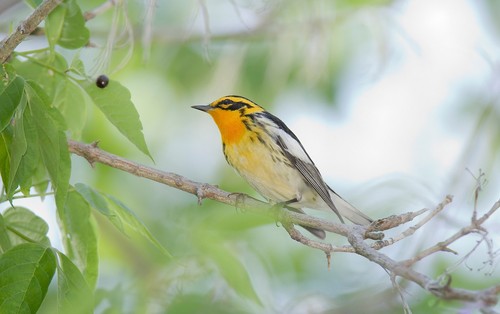
Blackburnian Warbler
11-13 cm (4.3-5.1 in) long, 20-22 cm wingspan
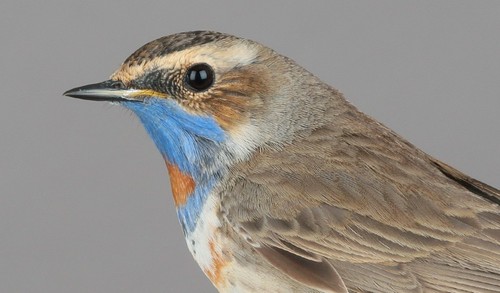
Bluethroat
13-14 cm (5.1-5.5 in) long, 20-22 cm wingspan
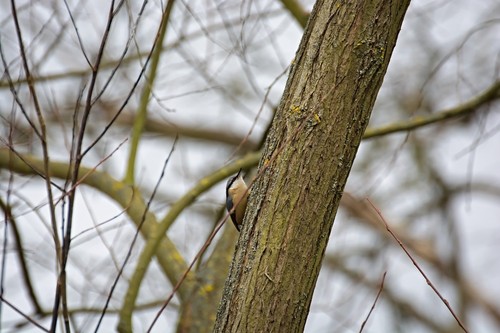
Eurasian Nuthatch
12-14.5 cm (4.7-5.7 in) long, 22.5-27 cm wingspan
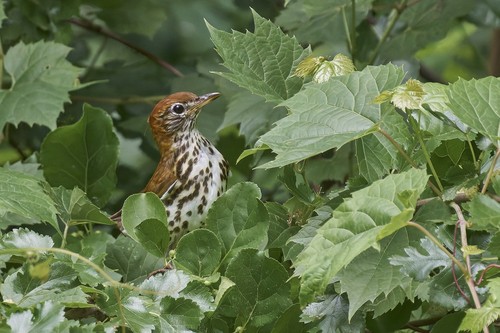
Wood Thrush
19-21 cm (7.5-8.3 in) long, about 33 cm (13 in) wingspan