
Black-bellied Whistling-Duck
Dendrocygna autumnalis
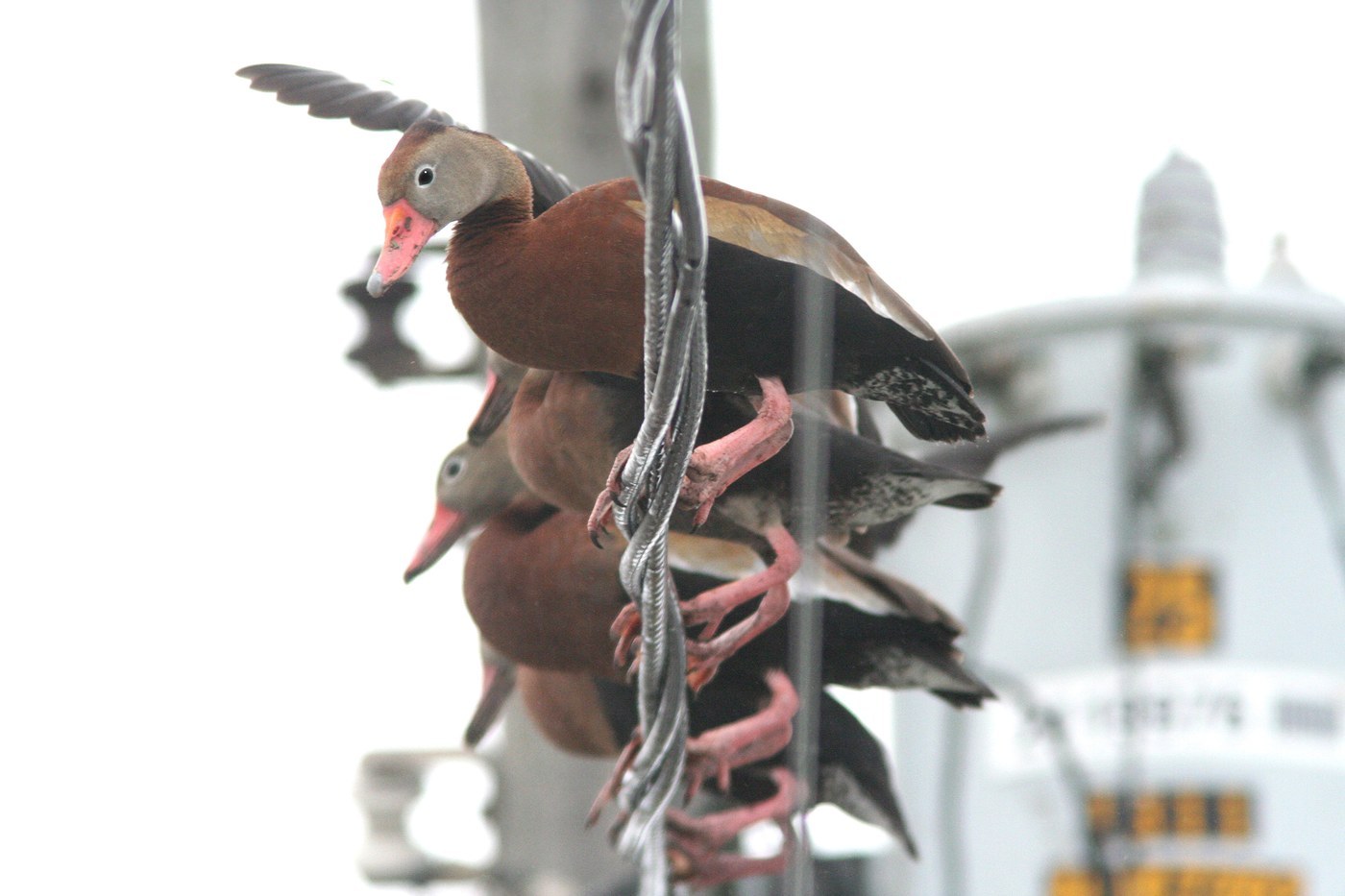
A long-legged duck with a bright pink bill, chestnut body, and bold black belly that often perches in trees.
- Size
- 47-56 cm (19-22 in) long, 76-94 cm wingspan
- Habitat
- ponds, marshes, agricultural fields, urban wetlands
- Type
- waterfowl
Spotted a bird like this?
Identify any bird from a photo, free.
Overview
The Black-bellied Whistling-Duck is a striking, long-legged waterfowl with a gray face, chestnut crown and breast, a bold black belly, and a bright coral-pink bill and legs. In flight, it shows a large white wing patch bordered by black, and its habit of perching on fence posts, tree limbs, and rooftops sets it apart from most other ducks.
Once largely restricted to the American tropics, this social, noisy species has expanded its range northward into the southern United States in recent decades and is now a familiar sight around ponds, golf courses, and urban wetlands in parts of Texas, Louisiana, and Florida.
How to identify it
Key field marks
- Bright coral-pink bill and legs
- Gray face and neck, chestnut crown and breast, solid black belly
- Large white wing patch bordered in black, conspicuous in flight
- Long neck and long legs; often perches upright on branches, posts, or roofs
Similar species
The Fulvous Whistling-Duck is uniformly tawny-orange with a dark bill and pale (not black) belly, lacking the gray face and pink bill of the Black-bellied Whistling-Duck.
Habitat & range
Black-bellied Whistling-Ducks inhabit freshwater ponds, marshes, agricultural fields, and increasingly urban and suburban wetlands from the southern United States through Mexico, Central America, and much of South America. The species has expanded its range substantially northward in the U.S. in recent decades, aided by its tolerance of human-modified habitats such as retention ponds and golf courses.
Behavior & voice
Behavior
Highly social and vocal, often seen in flocks and readily perching in trees or on structures, unlike most ducks. They are frequently active at dusk and after dark.
Voice
Gives a distinctive, high-pitched, chattering whistle, often described as a four- or five-note 'wha-chee-chee-chee,' frequently heard from flying or perched flocks.
Feeding
Mostly seeds, grains, and other plant material, gathered by grazing on land or dabbling in shallow water, along with some aquatic invertebrates.
Nesting
Nests in tree cavities as well as on the ground and in nest boxes; both parents share incubation and care of the ducklings, which is relatively unusual among ducks.
Frequently asked questions
How do you identify a Black-bellied Whistling-Duck?
Look for a bright pink bill and legs, a gray face, chestnut crown and breast, and a solid black belly, plus a large white wing patch in flight.
Why do Black-bellied Whistling-Ducks perch in trees?
Unlike most ducks, they readily perch on branches, fence posts, and rooftops, and they also nest in tree cavities.
Do both parents care for the ducklings?
Yes, unusually among ducks, both the male and female share incubation duties and help care for the young.
Has the range of Black-bellied Whistling-Duck expanded?
Yes, it has expanded significantly northward into the southern United States in recent decades, becoming common in parts of Texas, Louisiana, and Florida.
Black-bellied Whistling-Duck guides
In-depth guides for identifying, finding, and understanding Black-bellied Whistling-Duck.
Other birds you may enjoy
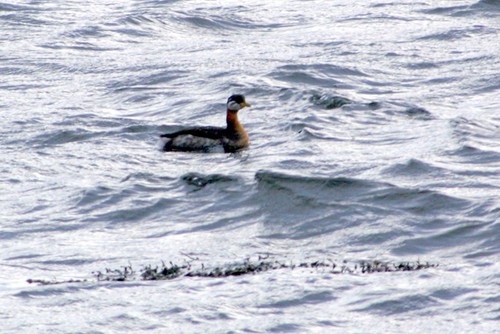
Red-necked Grebe
40-55 cm (16-22 in) long, 77-85 cm wingspan
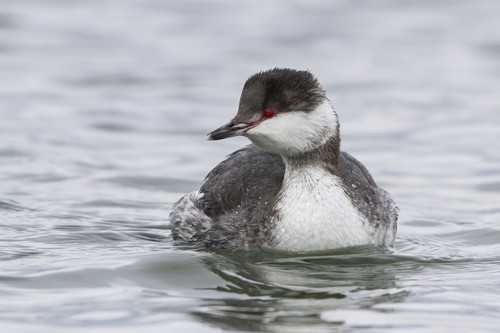
Horned Grebe
31-38 cm (12-15 in) long, 46-55 cm wingspan
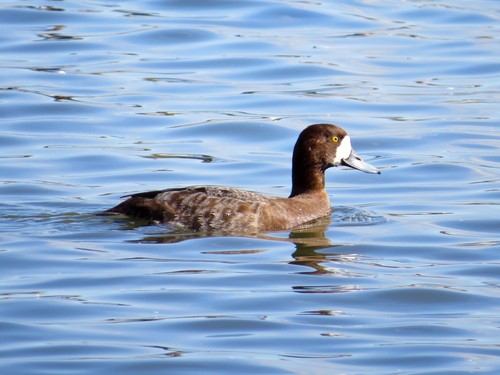
Greater Scaup
42-51 cm (16.5-20 in) long, 71-84 cm wingspan
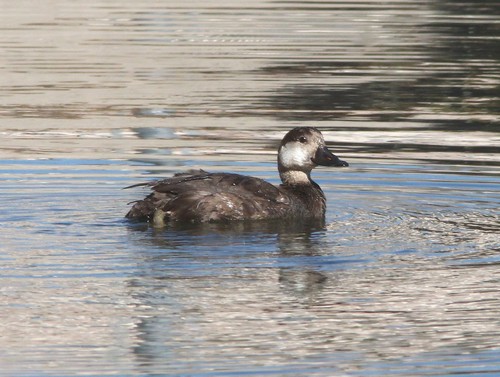
Black Scoter
43-54 cm (17-21 in) long, 79-90 cm wingspan
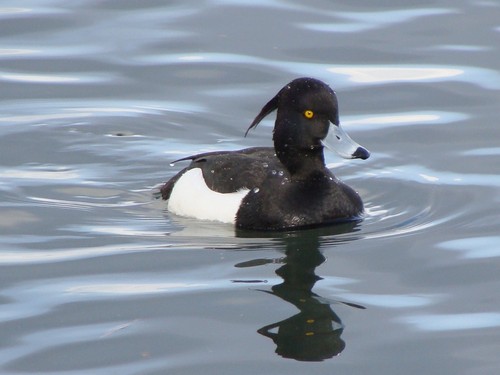
Tufted Duck
40-47 cm (16-18.5 in) long, 67-73 cm wingspan
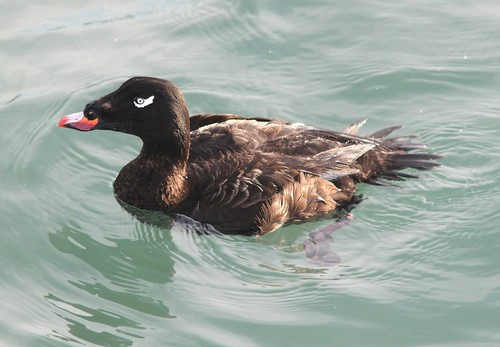
White-winged Scoter
48-58 cm (19-23 in) long, 86-99 cm wingspan
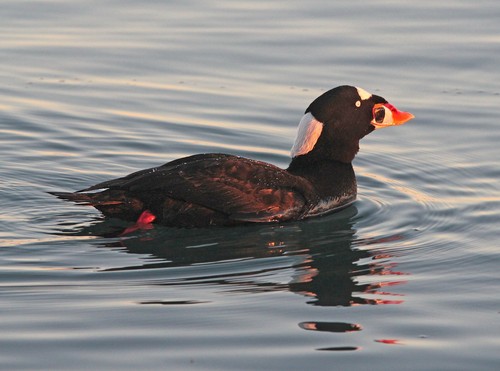
Surf Scoter
45-56 cm (18-22 in) long, 78-92 cm wingspan
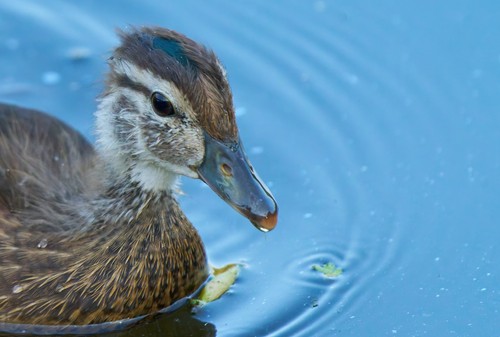
Wood Duck
47-54 cm (18.5-21 in) long, 66-73 cm wingspan
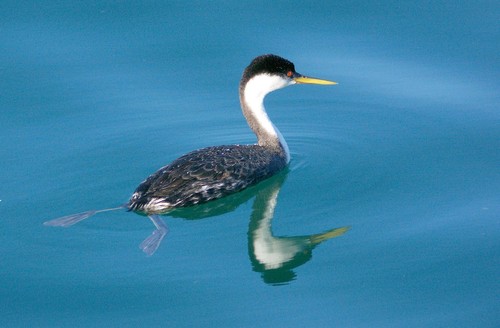
Western Grebe
56-74 cm (22-29 in) long, 79-102 cm wingspan
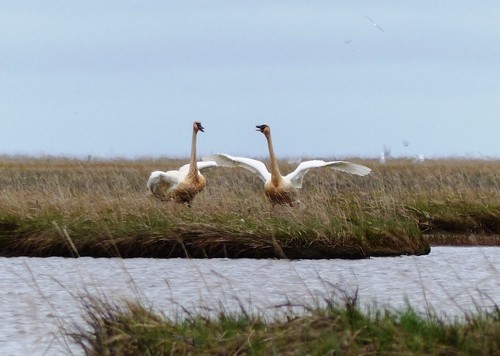
Tundra Swan
115-150 cm (45-59 in) long, about 180 cm wingspan
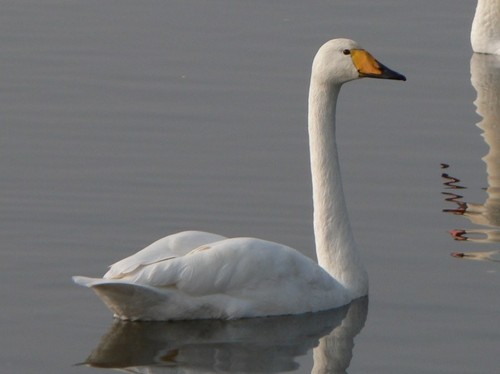
Whooper Swan
140-165 cm (55-65 in) long, 205-235 cm wingspan
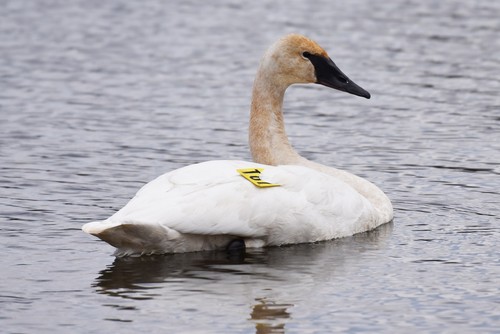
Trumpeter Swan
150-180 cm (59-71 in) long, up to 300 cm wingspan