
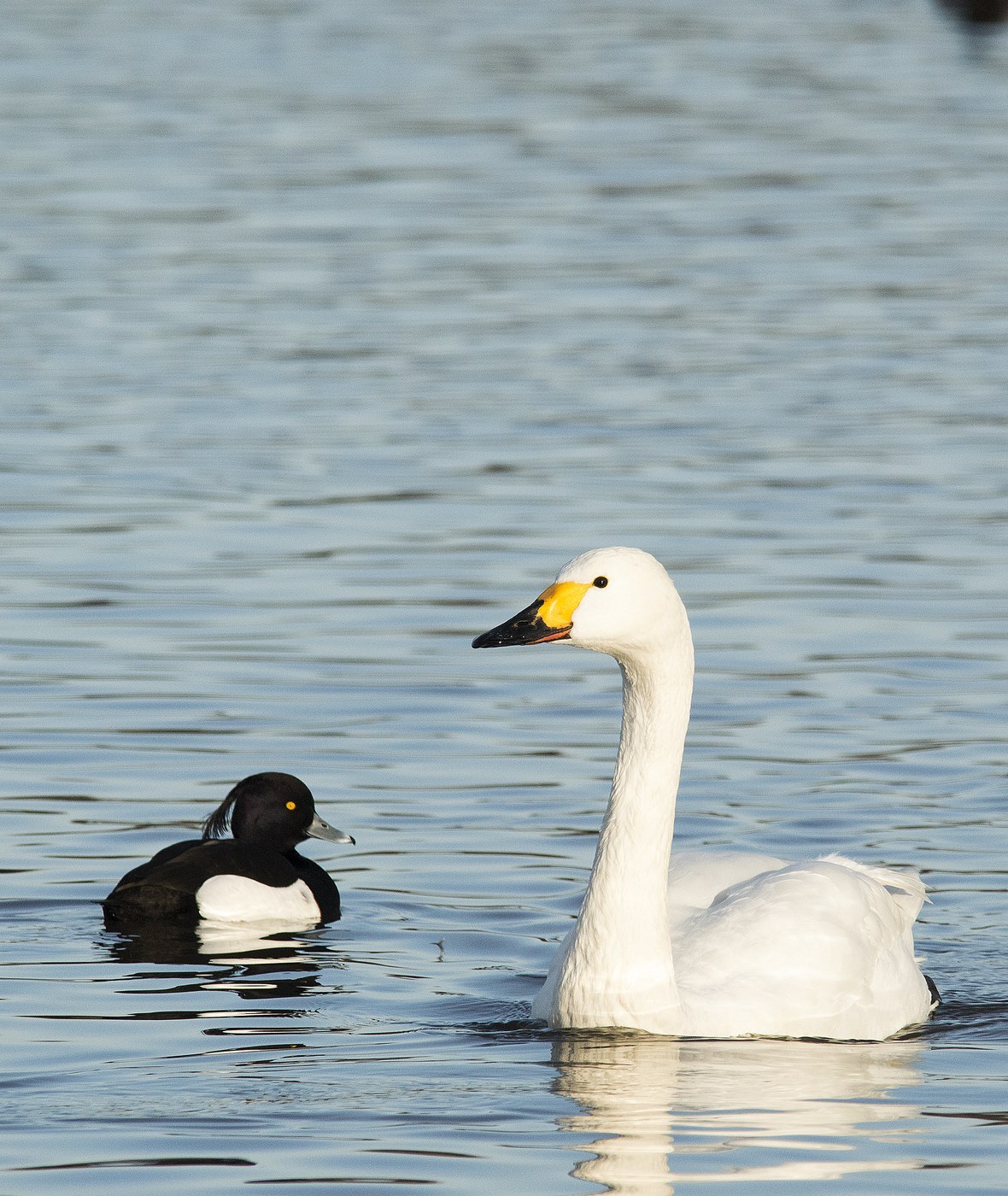
Bewick's Swan
Cygnus columbianus bewickii
The Eurasian counterpart of the Tundra Swan, a compact white swan with a rounded yellow-and-black bill pattern that is unique to each individual.
- Size
- 115-140 cm (45-55 in) long, about 180-211 cm wingspan
- Habitat
- Arctic tundra of Russia for breeding; freshwater and coastal wetlands and farmland in western Europe and East Asia for winter
- Type
- waterfowl
Spotted a bird like this?
Identify any bird from a photo, free.
Overview
Bewick's Swan is the Eurasian form of the Tundra Swan, generally treated as a subspecies, and is the smallest swan regularly seen in Europe. It is entirely white with a shorter neck and more rounded head than the larger Whooper Swan, and its bill shows a variable pattern of yellow and black, with the yellow patch typically more rounded and less extensive than in the Whooper Swan.
Each individual's bill pattern is unique, like a fingerprint, allowing researchers to identify and track specific birds and family groups across years, a technique famously pioneered at the Wildfowl and Wetlands Trust reserve at Slimbridge, England, where the species was named after the engraver Thomas Bewick.
How to identify it
Key field marks
- Smaller and more compact than the Whooper Swan, with a shorter neck
- Rounded (not pointed) yellow patch at the base of the black bill, variable in extent
- Rounded head profile
- All-white adult plumage
Similar species
- Whooper Swan: larger, longer-necked, with a more extensive, pointed wedge of yellow on the bill
- Mute Swan: orange bill with a black knob rather than yellow-and-black patterning
Bill pattern shape (rounded versus pointed) and overall size are the primary ways to separate Bewick's Swan from the similar Whooper Swan.
Habitat & range
Range and habitat
Bewick's Swan breeds on Arctic tundra across northern Russia, nesting near shallow pools and wetlands during the brief Arctic summer.
Migration
The species undertakes long migrations to winter in temperate wetlands of western Europe (notably Britain, the Netherlands, and Germany) and separately in East Asia, favoring flooded grasslands, shallow lakes, and farmland where flocks feed communally.
Behavior & voice
Behavior
Bewick's Swans are highly social in winter, gathering in flocks that include extended family groups, with cygnets often remaining with their parents through their first winter migration.
Voice
Calls are musical, honking, and somewhat higher-pitched than the Whooper Swan, often given in a chorus by feeding or roosting flocks.
Feeding
They feed by grazing on grasslands and by dabbling or upending in shallow water for aquatic plants, and readily use farmland to feed on waste potatoes and grain during migration and winter.
Nesting and breeding
Nests are shallow mounds of vegetation built on the tundra near water; pairs are monogamous long-term partners, and researchers have used individually distinctive bill patterns to study pair bonds and family loyalty over many years.
Frequently asked questions
Is Bewick's Swan a separate species from the Tundra Swan?
It is usually classified as the Eurasian subspecies of the Tundra Swan, differing mainly in bill pattern and being found in Europe and Asia rather than North America.
How can you identify individual Bewick's Swans?
Each bird has a unique pattern of yellow and black on its bill, similar to a fingerprint, which researchers use to identify and track individuals over their lifetimes.
Who was Bewick's Swan named after?
It was named in honor of Thomas Bewick, an English engraver and naturalist known for his detailed wood engravings of birds.
How do you tell Bewick's Swan from a Whooper Swan?
Bewick's Swan is smaller with a shorter neck and a rounded (rather than pointed) area of yellow on its bill compared to the larger Whooper Swan.
Bewick's Swan guides
In-depth guides for identifying, finding, and understanding Bewick's Swan.
Other birds you may enjoy
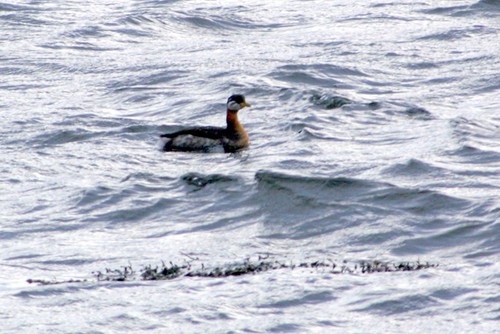
Red-necked Grebe
40-55 cm (16-22 in) long, 77-85 cm wingspan
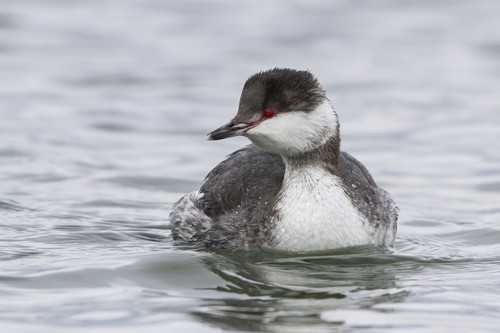
Horned Grebe
31-38 cm (12-15 in) long, 46-55 cm wingspan
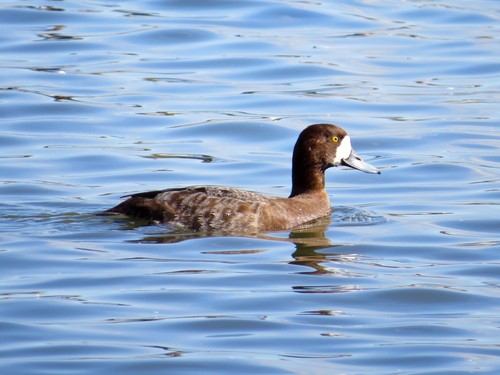
Greater Scaup
42-51 cm (16.5-20 in) long, 71-84 cm wingspan
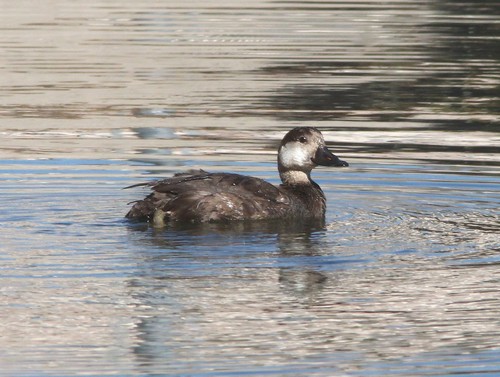
Black Scoter
43-54 cm (17-21 in) long, 79-90 cm wingspan
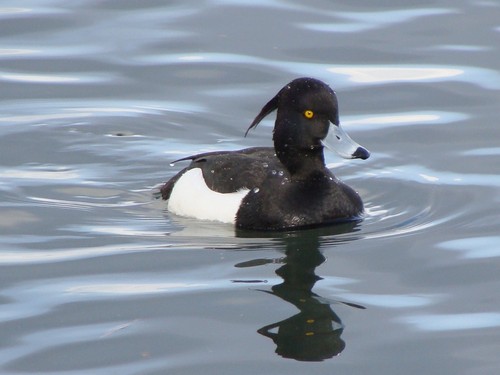
Tufted Duck
40-47 cm (16-18.5 in) long, 67-73 cm wingspan
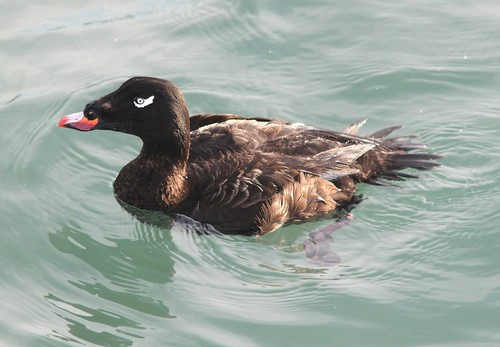
White-winged Scoter
48-58 cm (19-23 in) long, 86-99 cm wingspan
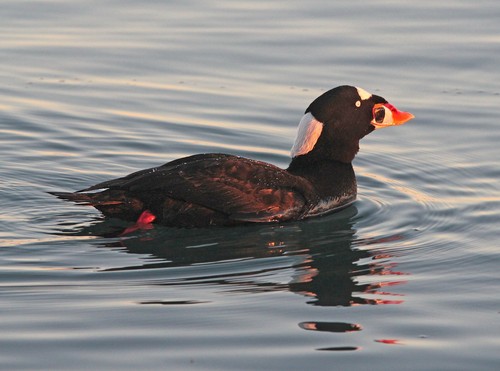
Surf Scoter
45-56 cm (18-22 in) long, 78-92 cm wingspan
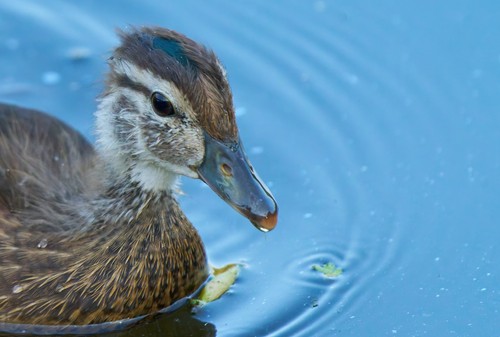
Wood Duck
47-54 cm (18.5-21 in) long, 66-73 cm wingspan
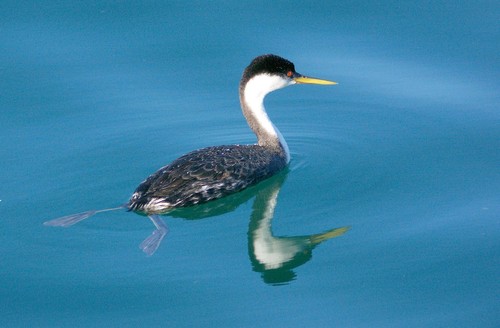
Western Grebe
56-74 cm (22-29 in) long, 79-102 cm wingspan
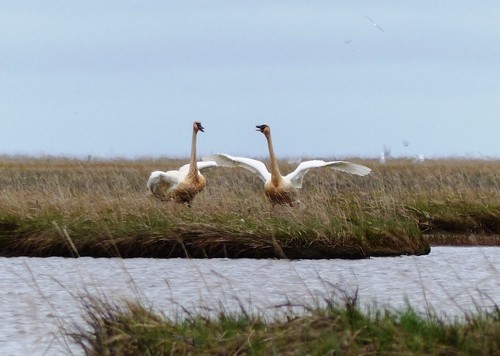
Tundra Swan
115-150 cm (45-59 in) long, about 180 cm wingspan
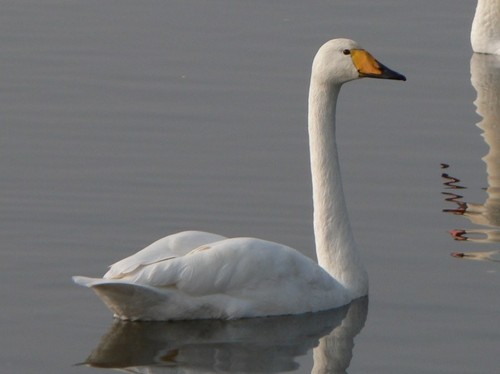
Whooper Swan
140-165 cm (55-65 in) long, 205-235 cm wingspan
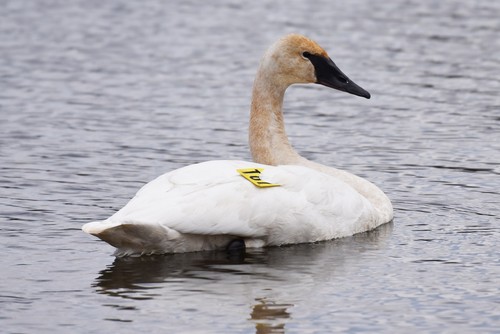
Trumpeter Swan
150-180 cm (59-71 in) long, up to 300 cm wingspan