
Bean Goose
Anser fabalis
A large, dark-headed grey goose of northern Eurasia named for its habit of feeding in fields of beans and grain during migration.
- Size
- 66-84 cm (26-33 in) long, 140-175 cm wingspan
- Habitat
- taiga forest bogs and Arctic tundra for breeding; wetlands, farmland, and grasslands in winter
- Type
- waterfowl
Spotted a bird like this?
Identify any bird from a photo, free.
Overview
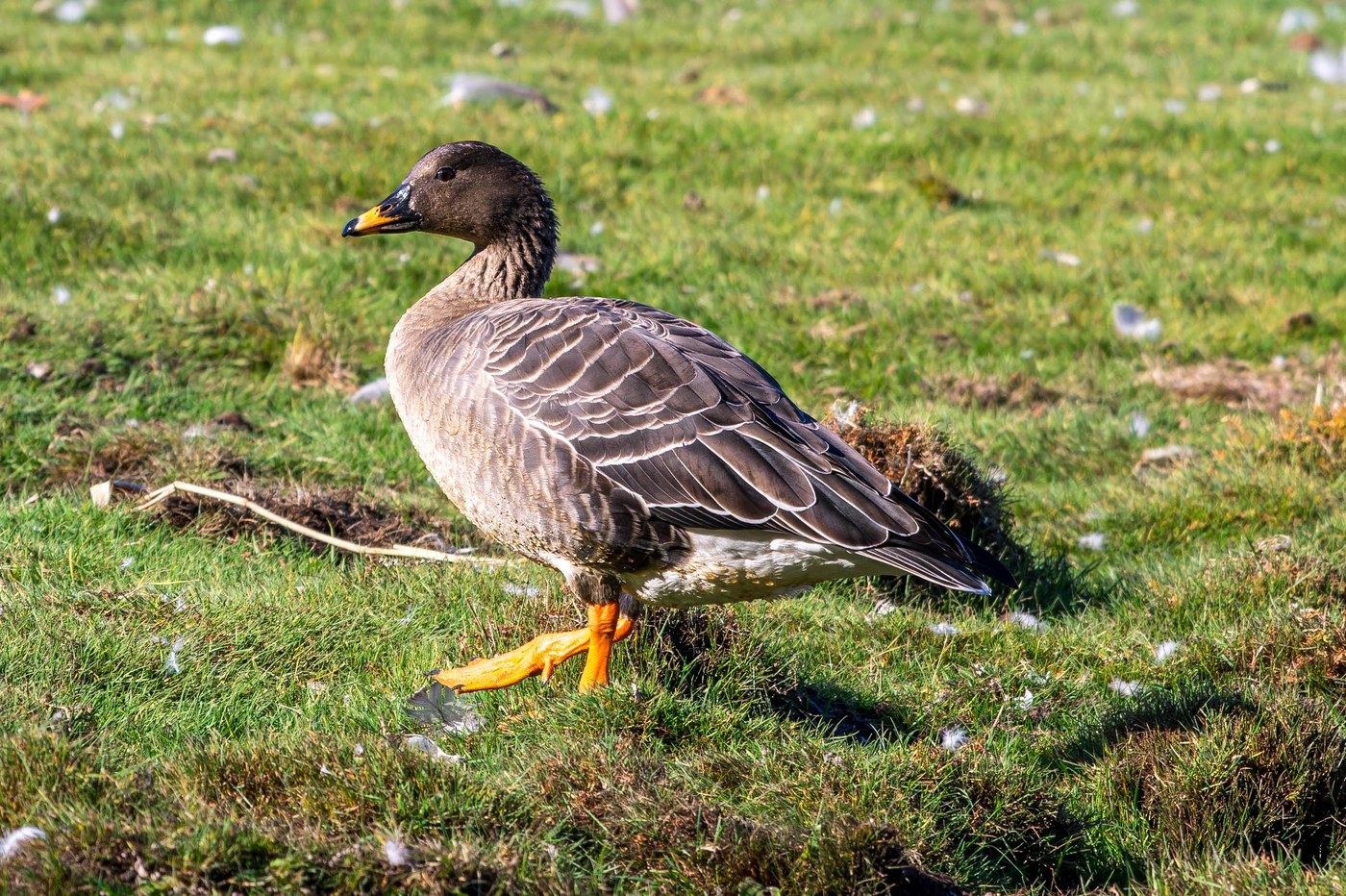
The Bean Goose is a large, richly brown-toned grey goose with a dark head and neck, a long bill patterned in black and orange, and orange legs. It is a variable species, traditionally split into two recognizable forms (often treated as separate species): the Taiga Bean Goose, which is longer-necked and longer-billed and breeds in forested wetlands, and the Tundra Bean Goose, which is shorter-necked and stockier and breeds farther north on open tundra.
Both forms share the same overall dark-brown plumage and orange bill-and-leg combination that distinguishes them from other grey geese.
How to identify it
Key field marks
- Dark brown head and neck, darker than the body
- Long bill patterned black at the base and tip with an orange band in the middle
- Orange legs and feet
- Overall warm brown plumage tone, lacking pale grey forewing patches
Similar species
- Pink-footed Goose: smaller, pink (not orange) legs and bill band, smaller and darker head
- Greylag Goose: paler grey overall with an all-orange bill and no dark head contrast
The combination of orange legs with a partly orange, partly black bill separates Bean Geese from both Pink-footed and Greylag Geese.
Habitat & range
Range and habitat
Bean Geese breed across a broad swath of northern Eurasia, from Scandinavia to Siberia, with taiga-breeding birds nesting in forest bogs and wetlands and tundra-breeding birds nesting on open Arctic tundra farther north.
Migration
The species migrates south to winter in temperate Europe and Asia, including parts of Britain, the Low Countries, Germany, and eastern Asia, where flocks favor wet grasslands, farmland, and floodplains.
Behavior & voice
Behavior
Bean Geese are generally wary and form flocks, though often smaller and less dense than those of some other grey geese, frequently mixing with other goose species on wintering grounds.
Voice
The call is a deep, nasal "ung-unk" or "kayak-kayak," lower-pitched than the Pink-footed Goose's call.
Feeding
They graze on grasses and sedges and, on migration and in winter, feed extensively on agricultural stubble, waste grain, and root crops.
Nesting and breeding
Nests are ground scrapes lined with down, placed near water in bogs, tundra, or forest clearings depending on the population; pairs raise a single brood per year and family bonds persist into the winter flock.
Frequently asked questions
Why is it called a Bean Goose?
The name comes from its historical habit of feeding on bean and grain stubble fields during migration and winter in Europe.
Is the Bean Goose one species or two?
It is traditionally treated as one species with taiga and tundra forms, though many ornithologists now split it into the Taiga Bean Goose and Tundra Bean Goose as separate species.
How do you tell a Bean Goose from a Pink-footed Goose?
Bean Geese have orange legs and an orange-and-black bill, while Pink-footed Geese have pink legs and a mostly black bill with only a small pink band.
Where does the Bean Goose breed?
It breeds across northern Eurasia, from Scandinavian taiga forests to Siberian tundra, and winters farther south in Europe and Asia.
Bean Goose guides
In-depth guides for identifying, finding, and understanding Bean Goose.
Other birds you may enjoy
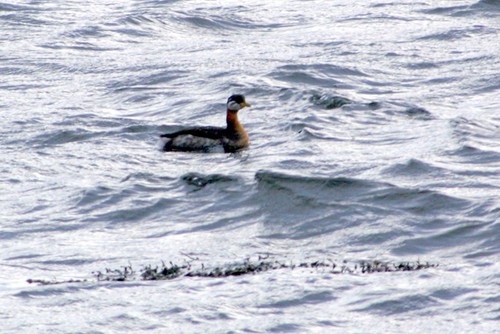
Red-necked Grebe
40-55 cm (16-22 in) long, 77-85 cm wingspan
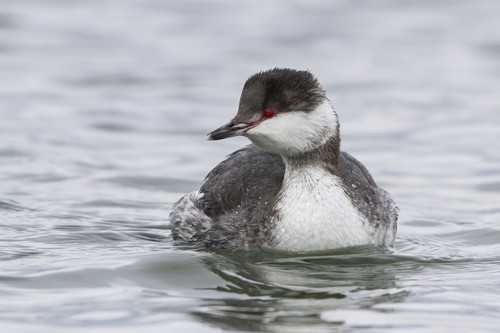
Horned Grebe
31-38 cm (12-15 in) long, 46-55 cm wingspan
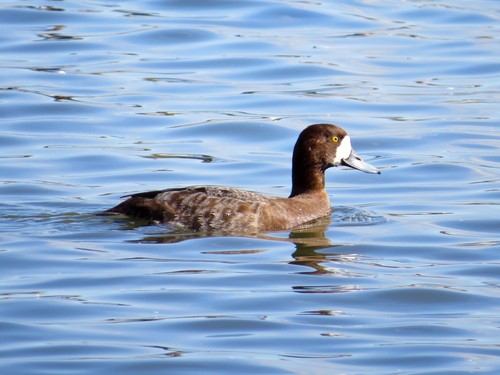
Greater Scaup
42-51 cm (16.5-20 in) long, 71-84 cm wingspan
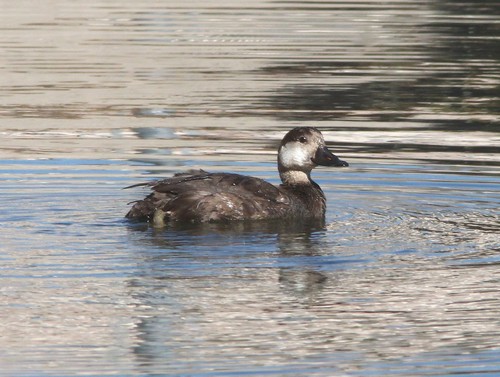
Black Scoter
43-54 cm (17-21 in) long, 79-90 cm wingspan
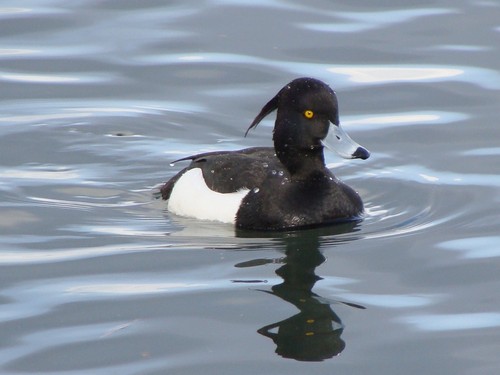
Tufted Duck
40-47 cm (16-18.5 in) long, 67-73 cm wingspan
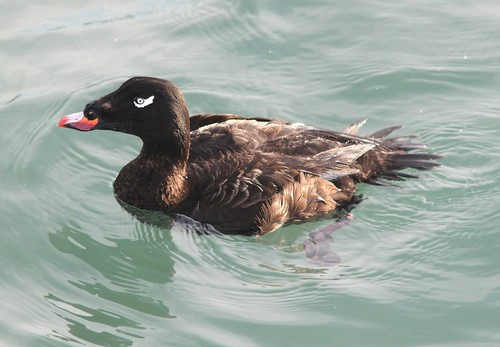
White-winged Scoter
48-58 cm (19-23 in) long, 86-99 cm wingspan
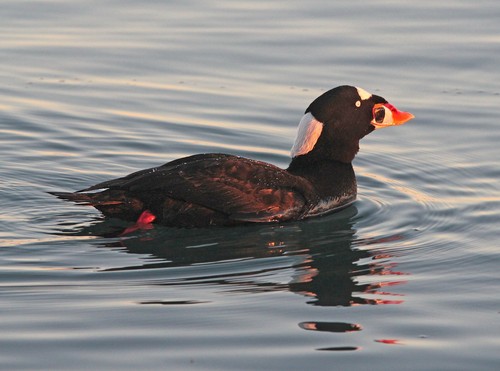
Surf Scoter
45-56 cm (18-22 in) long, 78-92 cm wingspan
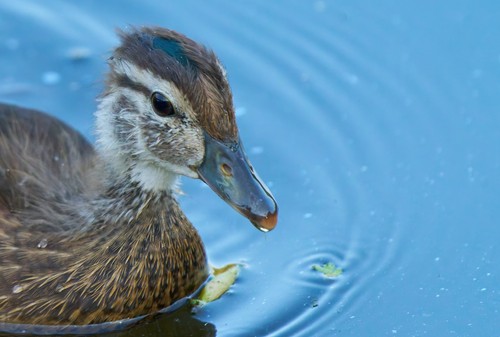
Wood Duck
47-54 cm (18.5-21 in) long, 66-73 cm wingspan
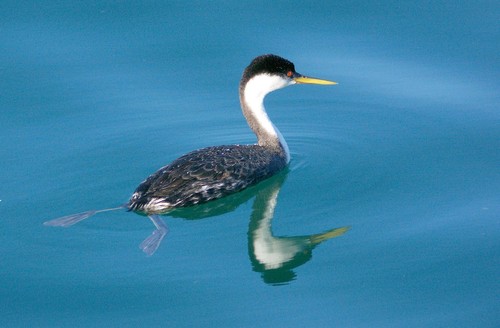
Western Grebe
56-74 cm (22-29 in) long, 79-102 cm wingspan
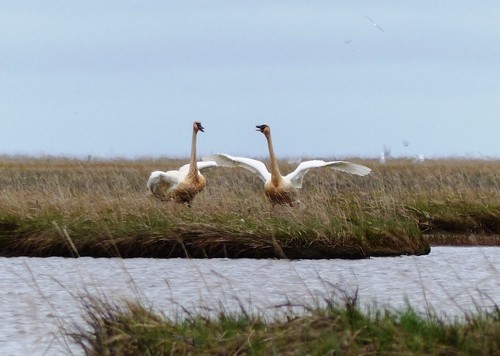
Tundra Swan
115-150 cm (45-59 in) long, about 180 cm wingspan
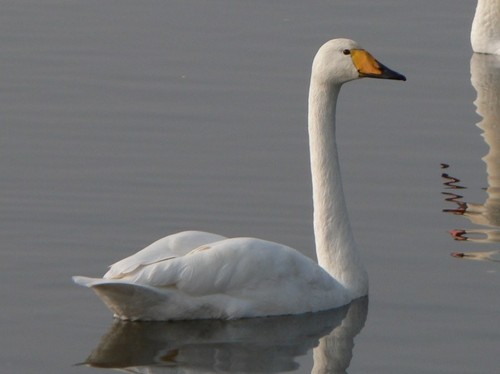
Whooper Swan
140-165 cm (55-65 in) long, 205-235 cm wingspan
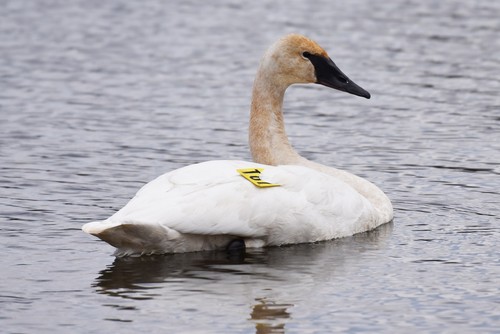
Trumpeter Swan
150-180 cm (59-71 in) long, up to 300 cm wingspan