
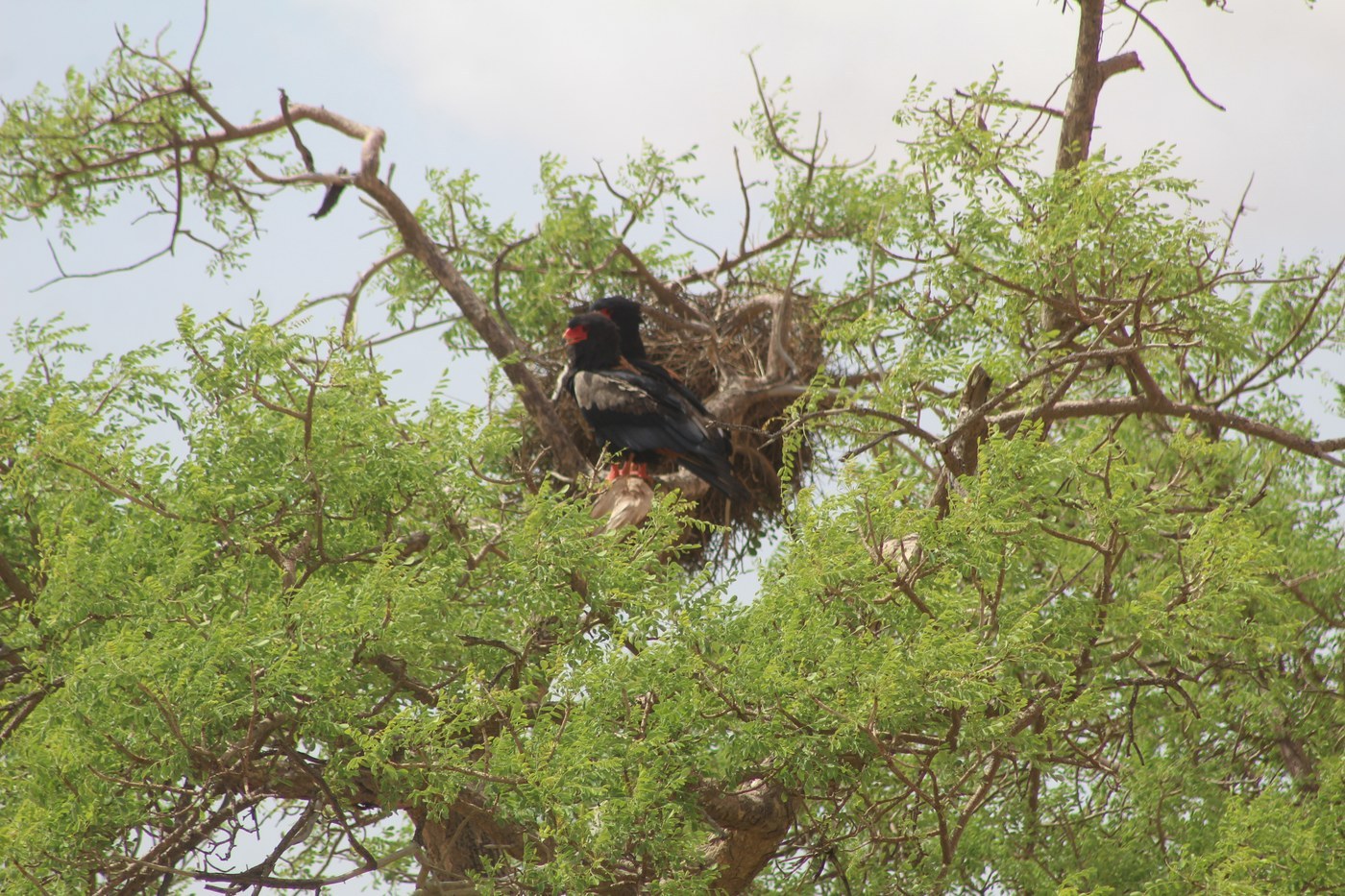
Bateleur
Terathopius ecaudatus
A distinctive short-tailed African eagle famous for its rocking, tightrope-walker flight and vivid red face and legs.
- Size
- 55–70 cm long; wingspan 1.7–1.8 m; strikingly short tail
- Habitat
- Open savanna, woodland, and semi-desert of sub-Saharan Africa
- Type
- raptor
Spotted a bird like this?
Identify any bird from a photo, free.
Overview
The Bateleur is one of Africa's most recognizable eagles, named from the French word for a tightrope walker or acrobat, in reference to its characteristic side-to-side rocking flight. It has jet-black body plumage offset by a rich chestnut mantle and tail coverts, and bare, waxy-red skin on the face, cere, and legs.
Its most unusual feature is an extremely short tail, so short that the long, black-tipped feet project noticeably beyond it in flight, giving the bird an unmistakable, almost tailless silhouette. Males and females differ subtly: females show broader grey trailing edges on the secondaries, while males have all-black secondaries.
How to identify it
Key field marks
- Extremely short tail; feet project beyond the tail tip in flight
- Long, narrow wings held in a shallow V, wingtips often appearing to brush the ground on takeoff
- Bare red face, cere, and legs contrasting with black body plumage and chestnut back
- Distinctive rocking, wing-tilting flight with almost no flapping
Similar species
No other African eagle shares its tailless silhouette and rocking flight style, making the Bateleur unmistakable once airborne. Juveniles are uniformly brown with a dull greenish face and a proportionally longer tail, and can be confused with other juvenile eagles, but the wing shape and low, wobbling flight remain diagnostic.
Habitat & range
Range
Widespread across sub-Saharan Africa, from Senegal and Sudan south to South Africa, with the largest strongholds remaining in protected savanna reserves.
Habitat
Prefers open savanna, broadleaf woodland, and semi-arid bushveld; generally avoids dense forest and true desert.
Movement
Largely sedentary, with adults defending large home ranges they patrol daily; some local movement in response to food availability.
Behavior & voice
Behavior
Bateleurs spend much of the day in low, gliding flight covering enormous distances, sometimes over 200 km, scanning the ground for carrion and prey. They are opportunistic feeders, taking freshly dead carrion as well as live small mammals, birds, reptiles, and insects.
Voice
Gives loud, harsh barking and yelping calls, especially during territorial and courtship flight displays.
Nesting
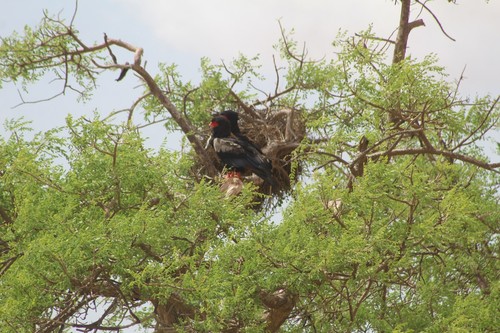
Monogamous pairs perform spectacular aerial displays, including steep dives and rolls, before nesting. They build a large stick nest high in a tree and typically lay a single egg, with a very long incubation and fledging period that limits reproductive output.
Frequently asked questions
Why is the Bateleur called a tightrope walker?
Its name comes from the French word for an acrobat or tightrope walker, describing its distinctive side-to-side rocking flight as it balances on outstretched wings.
Why does the Bateleur look tailless in flight?
It has an unusually short tail for an eagle, so short that its feet project beyond the tail tip, giving it a nearly tailless silhouette overhead.
What does a Bateleur eat?
It is an opportunistic feeder that eats carrion, small mammals, birds, reptiles, and insects, often being one of the first scavengers to find a carcass.
Is the Bateleur endangered?
Yes, it is classified as Endangered due to population declines from poisoning, habitat loss, and reduced prey availability outside protected areas.
Where do Bateleurs live?
They inhabit open savanna, woodland, and semi-desert across sub-Saharan Africa, especially in large protected wildlife reserves.
Bateleur guides
In-depth guides for identifying, finding, and understanding Bateleur.
Other birds you may enjoy
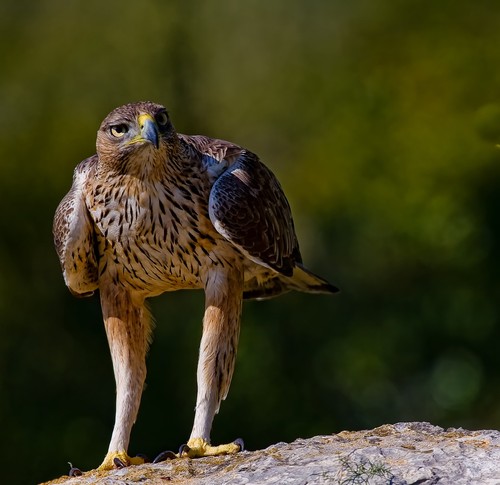
Bonelli's Eagle
Body 65–72 cm (26–28 in); wingspan 150–180 cm (59–71 in)
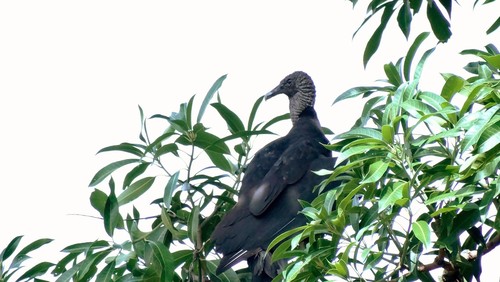
Black Vulture
56-68 cm (22-27 in) long, 137-165 cm wingspan
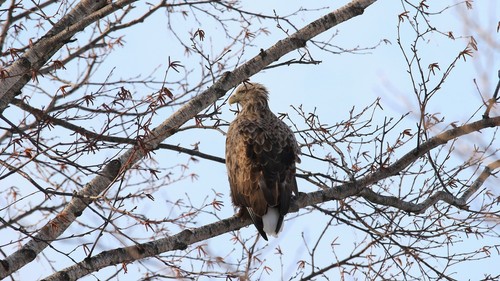
White-tailed Eagle
66-94 cm body length; wingspan 178-245 cm, among the largest eagles in the world
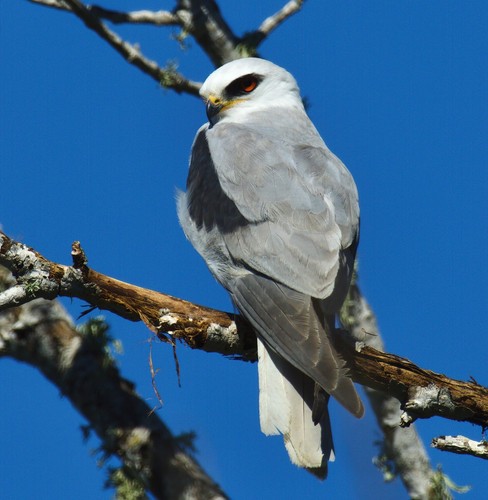
White-tailed Kite
35-43 cm (14-17 in) long, 88-102 cm (35-40 in) wingspan
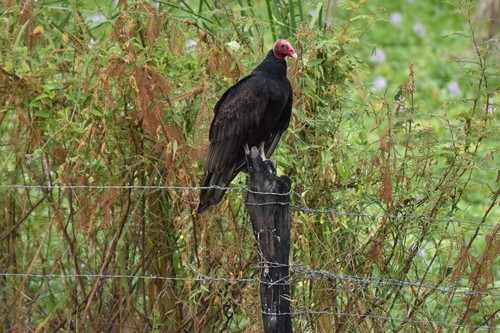
Turkey Vulture
64-81 cm (25-32 in) long, 160-183 cm wingspan
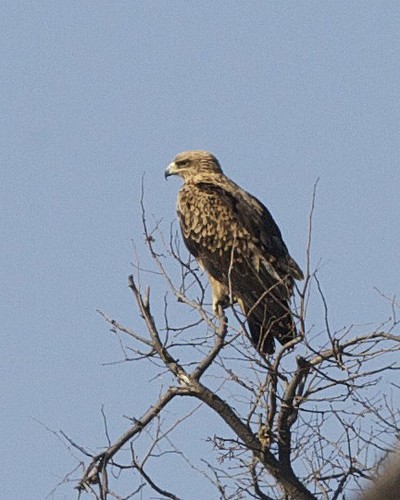
Tawny Eagle
62–75 cm long; wingspan 1.65–2.0 m
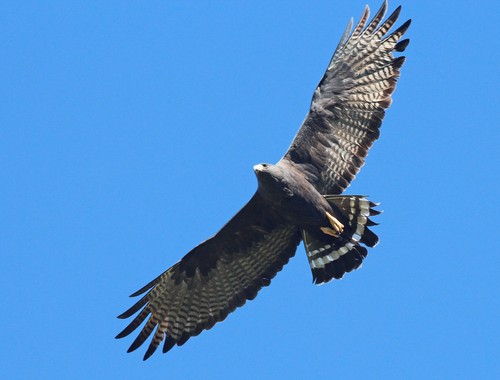
Zone-tailed Hawk
46-56 cm (18-22 in) long, 118-140 cm (46-55 in) wingspan
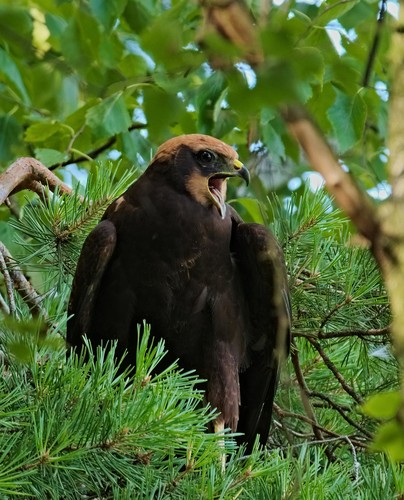
Western Marsh Harrier
Body 43-56 cm; wingspan 115-140 cm
Swallow-tailed Kite
48-68 cm (19-27 in) long including tail streamers, 112-136 cm (44-54 in) wingspan
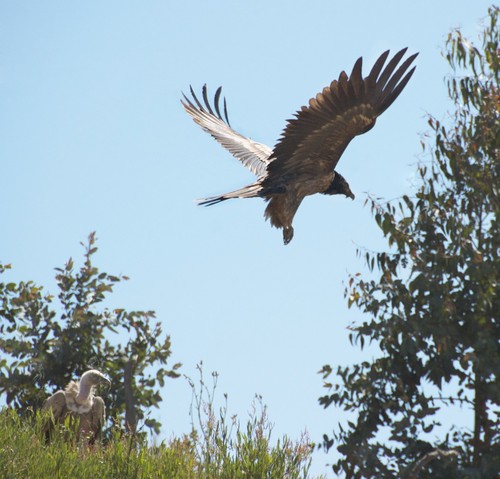
White-backed Vulture
78-98 cm long, wingspan 1.96-2.25 m
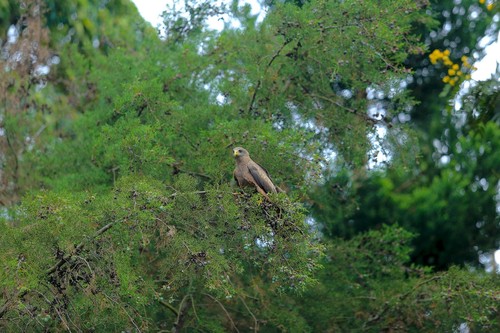
Yellow-billed Kite
55-60 cm long; wingspan 130-155 cm
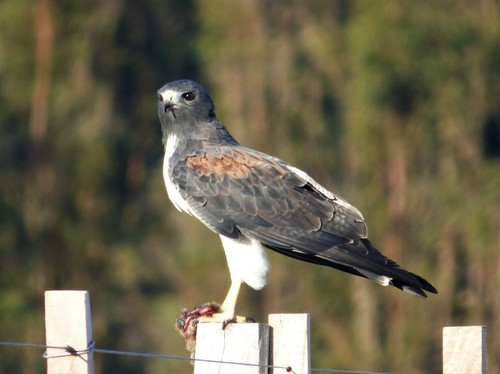
White-tailed Hawk
46-59 cm (18-23 in) long, 122-142 cm (48-56 in) wingspan