
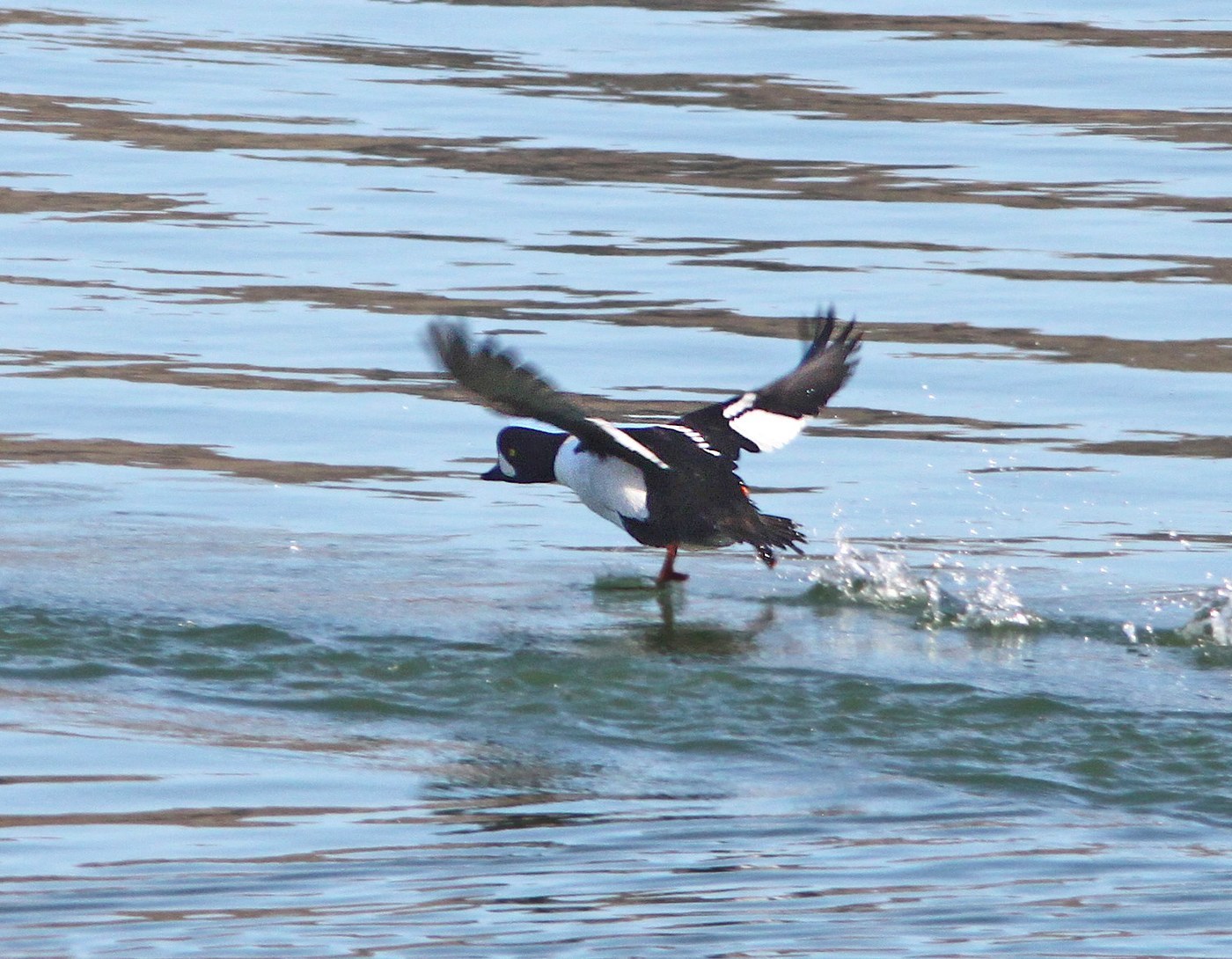
Barrow's Goldeneye
Bucephala islandica
A western diving duck closely related to the Common Goldeneye, the drake distinguished by a crescent-shaped white face patch and a steep purplish-black head.
- Size
- 42-53 cm (16.5-21 in) long, 65-84 cm wingspan
- Habitat
- mountain lakes and rivers for breeding; rocky coastlines and ice-free lakes in winter
- Type
- waterfowl
Spotted a bird like this?
Identify any bird from a photo, free.
Overview
Barrow's Goldeneye is a diving duck closely related to and superficially similar to the Common Goldeneye, but generally restricted to more limited and localized ranges in western North America, plus Iceland and parts of eastern North America (Quebec/Labrador). The breeding drake shows a steep, high forehead and a head with a rich purplish-black gloss, marked by a distinctive white crescent (rather than round spot) between the eye and bill.
Females closely resemble female Common Goldeneye, with a chocolate-brown head and gray body, and are best separated by subtle differences in head shape and bill color/pattern where ranges overlap.
How to identify it
Key Field Marks
- Steep, high forehead with a more angular head profile than Common Goldeneye
- Breeding drake: crescent-shaped (not round) white face patch, purplish-black head gloss, black-and-white body with more extensive black spotting on the flanks/scapulars than Common Goldeneye
- Female: chocolate-brown head, gray body, similar to female Common Goldeneye
Similar Species
The Common Goldeneye has a rounder white face spot, a more gently sloping forehead, and a greenish (rather than purplish) head gloss. In areas of range overlap, careful attention to head shape and face-patch form is needed to separate the two species reliably.
Habitat & range
Barrow's Goldeneye breeds primarily in mountainous regions of western North America (particularly the Rocky Mountains and interior British Columbia/Yukon), nesting in tree cavities or rock crevices near clear mountain lakes and rivers, as well as a smaller, disjunct population in eastern Canada around the Gulf of St. Lawrence, and in Iceland. It winters mainly along rocky Pacific coastlines and on ice-free lakes and rivers, with smaller numbers wintering along the Atlantic coast near its eastern breeding population.
Compared to the more widespread Common Goldeneye, Barrow's Goldeneye has a notably more restricted and patchy overall distribution.
Behavior & voice
Barrow's Goldeneye dives to feed on aquatic invertebrates, mollusks, and some fish and plant material, often foraging in cold, clear mountain lakes during the breeding season and along rocky, wave-swept coastlines in winter. Its habits closely parallel those of the Common Goldeneye.
The male's courtship display includes a similar head-throw posture to the Common Goldeneye, accompanied by low grunting and buzzing calls. As a cavity nester, the female lays 6-12 eggs in tree cavities, rock crevices, or nest boxes near water, and ducklings leap to the ground or water shortly after hatching.
Frequently asked questions
How do you identify a male Barrow's Goldeneye?
Look for a steep, high forehead, a crescent-shaped white face patch, and a purplish-black head gloss, distinguishing it from the round-spotted, greenish-glossed Common Goldeneye.
Where does Barrow's Goldeneye breed?
Mainly in mountainous regions of western North America, plus smaller populations in eastern Canada and Iceland.
Is Barrow's Goldeneye rarer than the Common Goldeneye?
Yes, it has a more restricted and patchy range and is generally less numerous than the more widespread Common Goldeneye.
What do Barrow's Goldeneyes eat?
They dive for aquatic invertebrates, mollusks, some fish, and plant material.
Where does Barrow's Goldeneye nest?
It nests in tree cavities or rock crevices near mountain lakes and rivers, and also uses nest boxes.
Barrow's Goldeneye guides
In-depth guides for identifying, finding, and understanding Barrow's Goldeneye.
Other birds you may enjoy
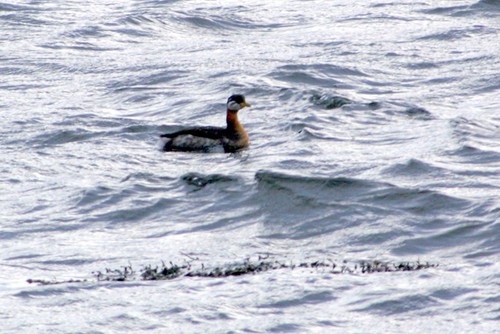
Red-necked Grebe
40-55 cm (16-22 in) long, 77-85 cm wingspan
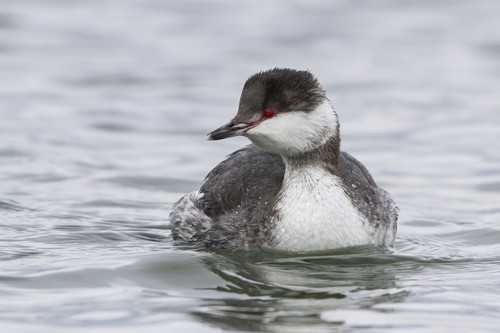
Horned Grebe
31-38 cm (12-15 in) long, 46-55 cm wingspan
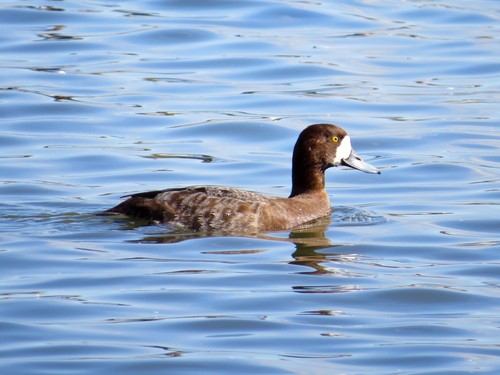
Greater Scaup
42-51 cm (16.5-20 in) long, 71-84 cm wingspan
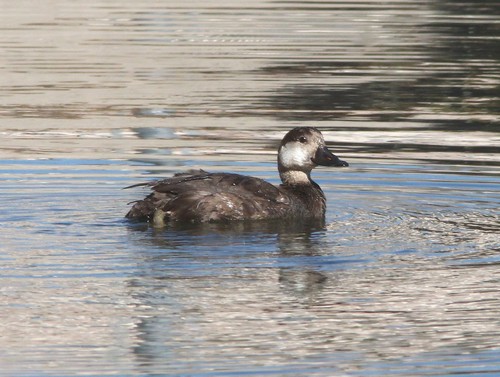
Black Scoter
43-54 cm (17-21 in) long, 79-90 cm wingspan
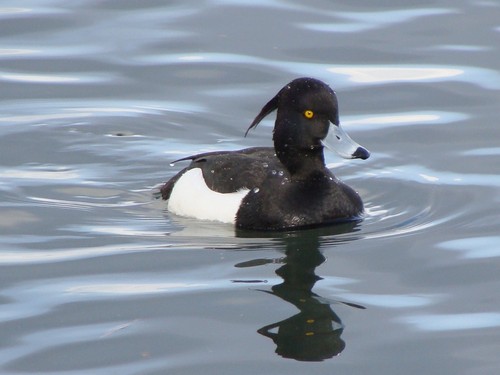
Tufted Duck
40-47 cm (16-18.5 in) long, 67-73 cm wingspan
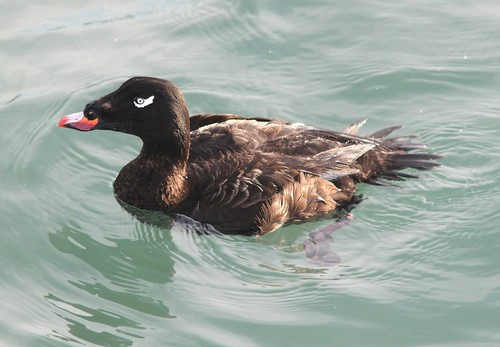
White-winged Scoter
48-58 cm (19-23 in) long, 86-99 cm wingspan
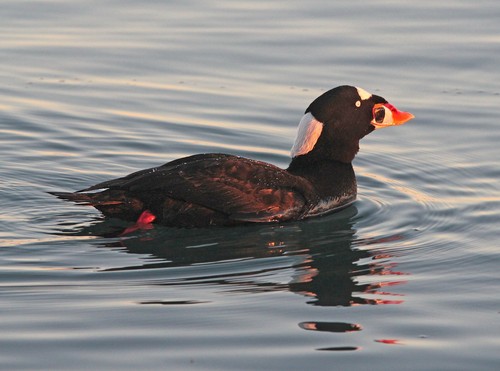
Surf Scoter
45-56 cm (18-22 in) long, 78-92 cm wingspan
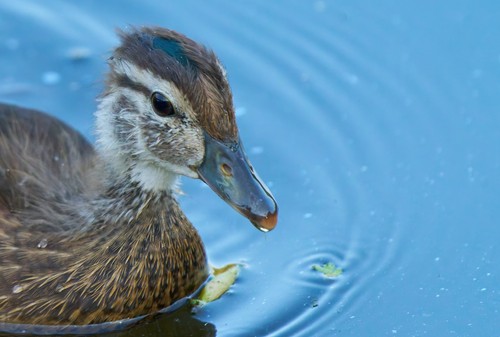
Wood Duck
47-54 cm (18.5-21 in) long, 66-73 cm wingspan
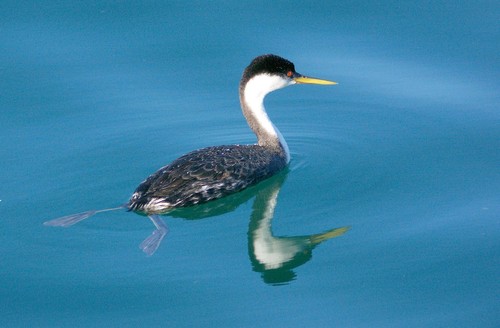
Western Grebe
56-74 cm (22-29 in) long, 79-102 cm wingspan
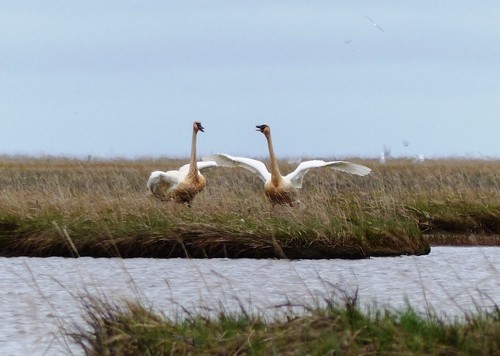
Tundra Swan
115-150 cm (45-59 in) long, about 180 cm wingspan
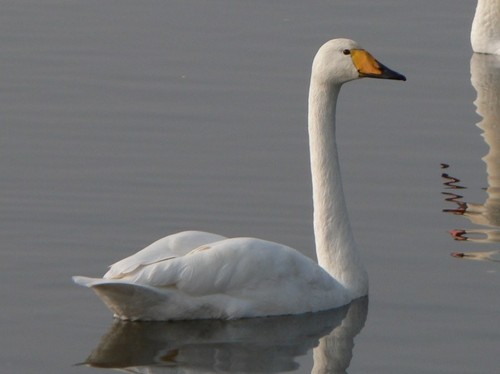
Whooper Swan
140-165 cm (55-65 in) long, 205-235 cm wingspan
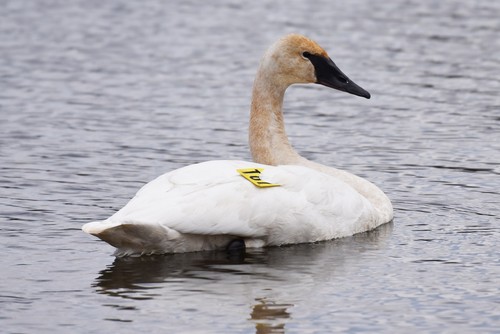
Trumpeter Swan
150-180 cm (59-71 in) long, up to 300 cm wingspan