
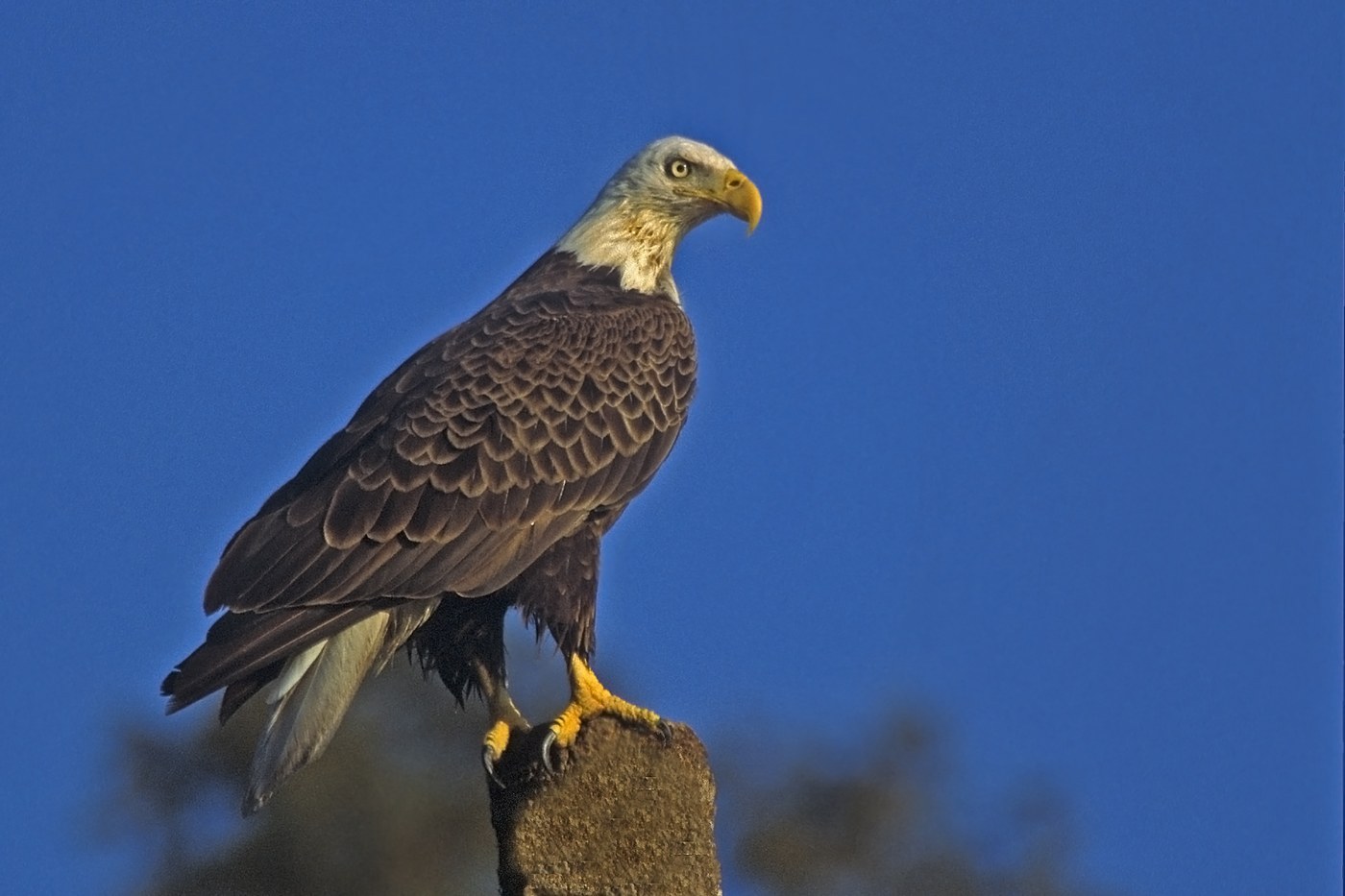
Bald Eagle
Haliaeetus leucocephalus
The United States' national bird, a massive fish-eating eagle known for its white head and tail and huge wingspan.
- Size
- 70-102 cm (28-40 in) long, 180-230 cm (71-90 in) wingspan
- Habitat
- lakes, rivers, reservoirs, and coastlines with large trees or cliffs for nesting
- Type
- raptor
Spotted a bird like this?
Identify any bird from a photo, free.
Overview
The Bald Eagle is a massive, iconic bird of prey and the national bird of the United States, closely associated with lakes, rivers, and coastlines across North America. Adults are unmistakable, with a gleaming white head and tail contrasting against a chocolate-brown body, a large yellow hooked bill, and piercing yellow eyes.
Immature Bald Eagles look completely different, appearing mostly dark brown mottled with white in irregular patches, and do not acquire the full white head and tail until roughly four to five years of age, leading many young eagles to be misidentified as Golden Eagles.
How to identify it
Key field marks
- Adult: solid white head and tail against a dark brown body
- Massive yellow bill and yellow eyes
- Huge, broad, plank-like wings held flat when soaring
- Immatures: mottled brown and white, taking 4-5 years to reach adult plumage
Similar species
Golden Eagle has a uniformly dark body at all ages, golden nape feathering, and feathered legs down to the toes (Bald Eagle's lower legs are bare); immature Bald Eagles show more white mottling in the underwing linings and body than Golden Eagles, and typically have a larger, straighter bill.
Habitat & range
Habitat
Strongly tied to water, Bald Eagles are found along lakes, rivers, reservoirs, and coastlines that provide abundant fish, along with large trees or cliffs nearby for nesting and roosting.
Range
Found throughout North America, from Alaska and Canada south through the continental United States into northern Mexico. Populations in the far north migrate south in winter to find open water, while birds in milder regions may remain year-round. After being nearly wiped out in the lower 48 states by the pesticide DDT and other pressures, Bald Eagle populations have rebounded dramatically since DDT was banned and legal protections were enacted, leading to its removal from the U.S. Endangered Species List in 2007.
Behavior & voice
Behavior
Bald Eagles are powerful, opportunistic hunters and scavengers, often stealing prey from other birds (including Osprey) in a behavior called kleptoparasitism, and gathering in large numbers at seasonal fish runs or carrion sources.
Voice
Despite its powerful appearance, the Bald Eagle's actual call is a series of relatively weak, high-pitched chirping and cackling notes, quite different from the dramatic scream often used to represent it in media (which is usually a Red-tailed Hawk call).
Feeding and nesting
Feeds primarily on fish, caught by swooping down to snatch prey from near the water's surface with its talons, supplemented by waterfowl, carrion, and small mammals. Builds one of the largest nests of any bird species, a massive stick platform reused and enlarged over many years, sometimes reaching several meters across and weighing over a ton.
Frequently asked questions
How do you tell an immature Bald Eagle from a Golden Eagle?
Immature Bald Eagles show more irregular white mottling on the body and underwing linings and have bare (unfeathered) lower legs, while Golden Eagles are more uniformly dark with feathered legs down to the toes.
When do Bald Eagles get their white head?
They do not acquire the full white head and tail until about four to five years of age; younger birds are mottled brown and white.
What do Bald Eagles eat?
Mostly fish, caught near the water's surface, supplemented with waterfowl, carrion, and small mammals; they also frequently steal food from other birds.
Why did Bald Eagle populations decline and then recover?
The pesticide DDT thinned eggshells and caused reproductive failure through the mid-20th century; after DDT was banned in 1972 and the species received legal protection, populations rebounded strongly, leading to delisting from the Endangered Species Act in 2007.
Is the Bald Eagle's call really the screech heard in movies?
No, the Bald Eagle's actual call is a series of thin, weak chirps and cackles; the dramatic screaming cry often used in film and TV is usually a Red-tailed Hawk dubbed over eagle footage.
Bald Eagle guides
In-depth guides for identifying, finding, and understanding Bald Eagle.
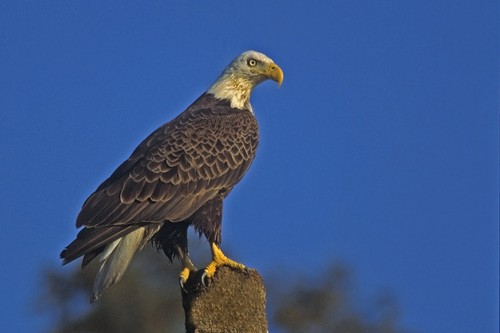
Bald Eagle identified by the community
Real birds identified with Bird Identifier.
Other birds you may enjoy
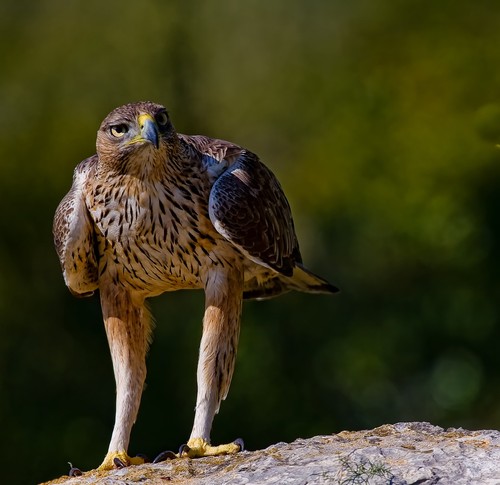
Bonelli's Eagle
Body 65–72 cm (26–28 in); wingspan 150–180 cm (59–71 in)
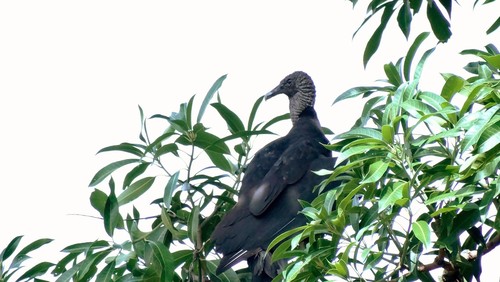
Black Vulture
56-68 cm (22-27 in) long, 137-165 cm wingspan
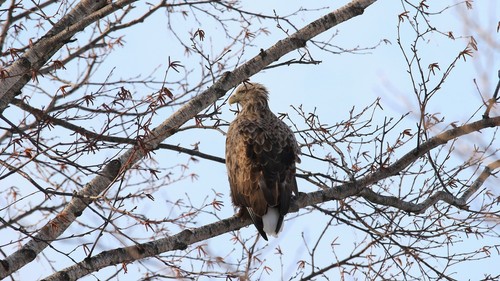
White-tailed Eagle
66-94 cm body length; wingspan 178-245 cm, among the largest eagles in the world
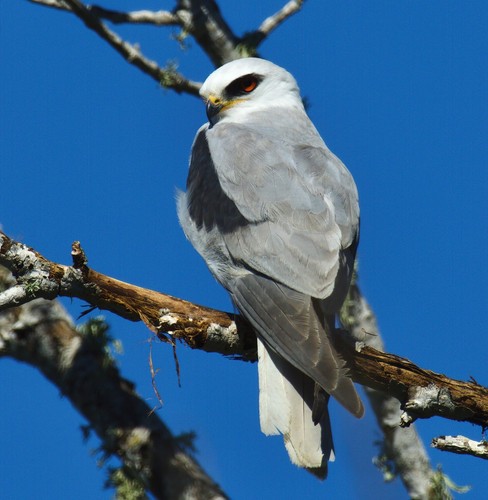
White-tailed Kite
35-43 cm (14-17 in) long, 88-102 cm (35-40 in) wingspan
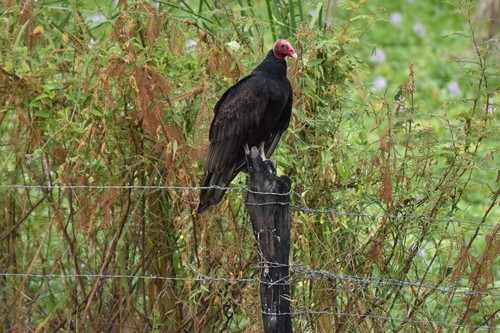
Turkey Vulture
64-81 cm (25-32 in) long, 160-183 cm wingspan
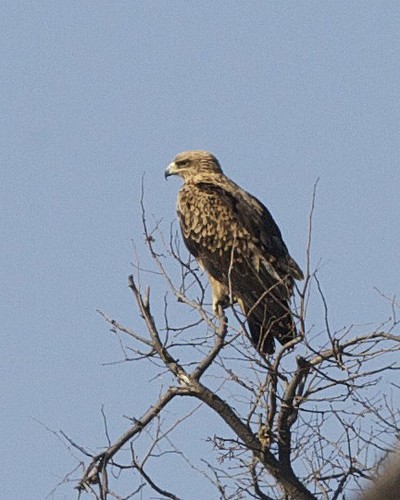
Tawny Eagle
62–75 cm long; wingspan 1.65–2.0 m
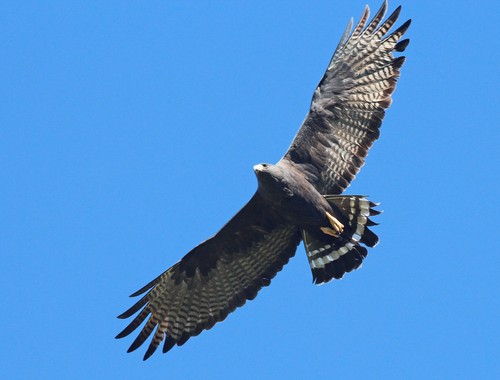
Zone-tailed Hawk
46-56 cm (18-22 in) long, 118-140 cm (46-55 in) wingspan
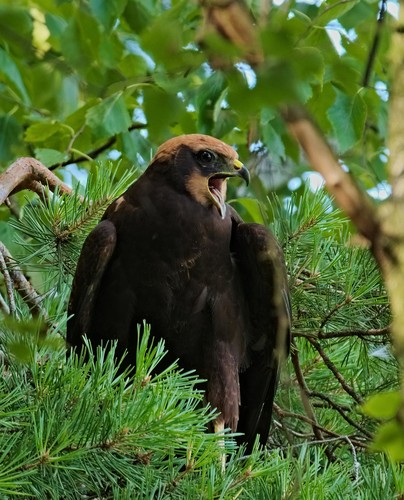
Western Marsh Harrier
Body 43-56 cm; wingspan 115-140 cm
Swallow-tailed Kite
48-68 cm (19-27 in) long including tail streamers, 112-136 cm (44-54 in) wingspan
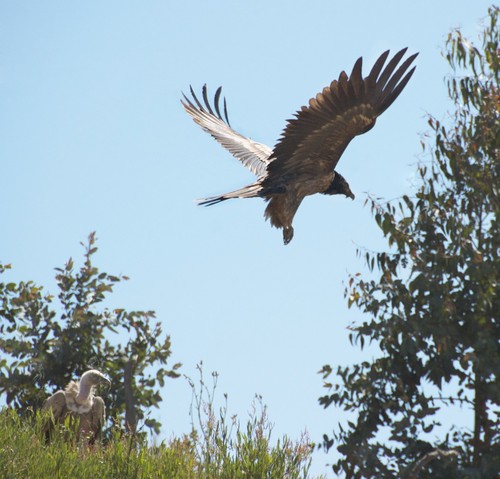
White-backed Vulture
78-98 cm long, wingspan 1.96-2.25 m
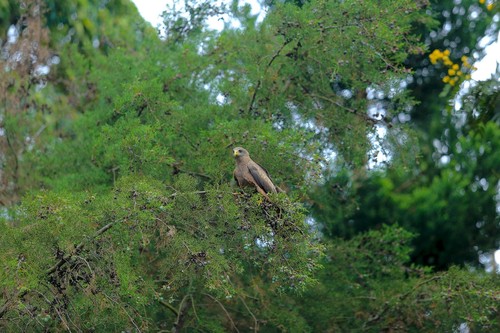
Yellow-billed Kite
55-60 cm long; wingspan 130-155 cm
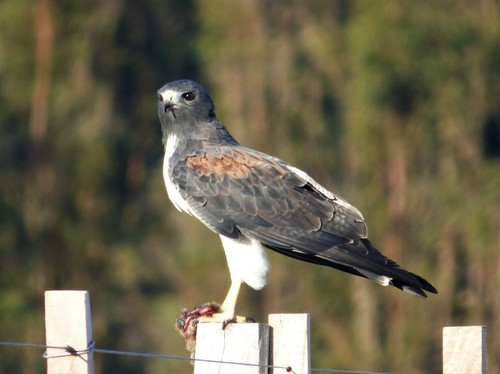
White-tailed Hawk
46-59 cm (18-23 in) long, 122-142 cm (48-56 in) wingspan