
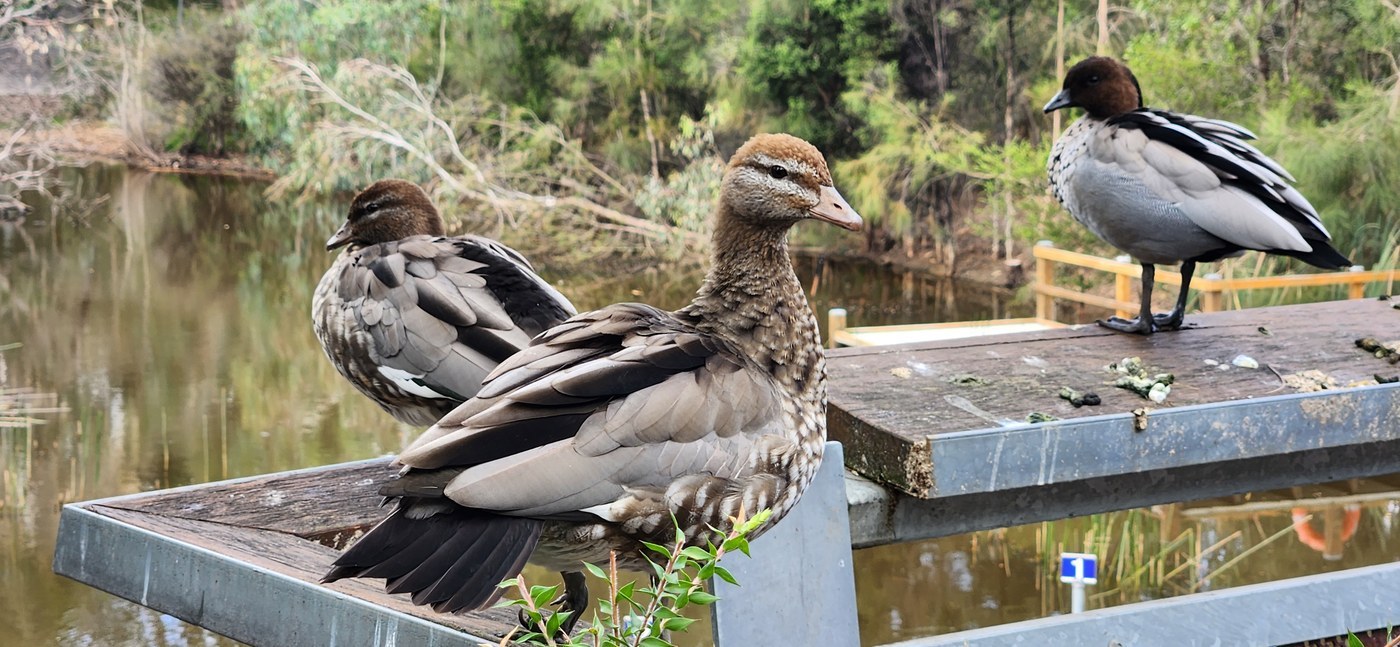
Australian Wood Duck
Chenonetta jubata
A distinctive grey-brown duck with a dark chocolate head and small mane, more often seen grazing on grass than swimming.
- Size
- 44-50 cm (17-20 in) long
- Habitat
- grasslands, farmland, parks, and pastures near water; dams, wetlands, and rivers
- Type
- waterfowl
Spotted a bird like this?
Identify any bird from a photo, free.
Overview
The Australian Wood Duck, also widely known as the Maned Duck, is one of Australia's most familiar waterfowl, instantly recognisable by its unusual, almost goose-like habits and appearance. The male has a dark chocolate-brown head with a short, shaggy mane at the back of the crown, a mottled grey-brown body, and a pale grey bill, while the female is duller brown with two pale stripes above and below the eye.
Unlike most ducks, this species spends much of its time grazing on land like a goose, and is frequently seen far from water on grassy ovals, golf courses, farm paddocks, and road verges. Its stout bill is adapted for grazing rather than dabbling, reflecting its largely terrestrial, herbivorous lifestyle.
The species has adapted very successfully to farmland, parks, and urban wetlands across much of Australia, and is now one of the most commonly encountered ducks in cities and suburbs, often seen in pairs or family groups walking across lawns and ovals.
How to identify it
Key field marks
- Male: dark chocolate-brown head with a low mane, mottled grey-brown body, pale grey bill
- Female: duller brown head with a pale stripe above and below the eye, streaked underparts
- Small, goose-like bill compared to typical dabbling ducks
- Often seen standing or walking on grass well away from water
Similar species
No other Australian duck shares its combination of dark maned head and grazing habit. The Pacific Black Duck is larger, uniformly dark brown with a paler face and a bold dark eye-stripe, and rarely grazes far from water. Female Wood Ducks can be confused with female Chestnut Teal at a distance, but the Wood Duck's paler, streakier plumage and terrestrial grazing behaviour are distinctive.
Habitat & range
Habitat
This species favours open grassy areas near water, including farm dams, pastures, parklands, golf courses, wetlands, and river flats, and readily uses artificial water bodies in urban and suburban settings.
Range
It is widespread across most of Australia except the driest desert interior, and is common in southeastern and southwestern Australia in particular, including many cities.
Migration
Australian Wood Ducks are largely sedentary but can be locally nomadic, moving in response to rainfall and the availability of grassy feeding areas and water, sometimes gathering in larger flocks outside the breeding season.
Behavior & voice
Behavior
Unusually for a duck, this species spends much of its time grazing on land in pairs or small flocks, walking with an upright, goose-like gait, and it perches readily in trees.
Voice
The male gives a soft, high-pitched mewing or wheezy call, while the female's call is a harsher, more raucous descending quack, often heard in flight.
Feeding
It feeds mainly by grazing on short grass, clover, and herbs, plucking vegetation with its short bill, and takes relatively little aquatic food compared to most ducks.
Nesting and breeding
Pairs nest in tree hollows, sometimes well away from water and high above the ground; after hatching, the precocial ducklings jump from the nest hollow to the ground and are led by the parents to water and feeding areas.
Frequently asked questions
Why is the Australian Wood Duck also called the Maned Duck?
It gets this name from the short, shaggy mane of feathers at the back of the male's dark head.
Why do Australian Wood Ducks graze on grass instead of swimming?
They are unusually terrestrial for ducks, with a bill adapted for grazing vegetation, and often feed on grasslands, parks, and ovals well away from water.
Where do Australian Wood Ducks nest?
They nest in tree hollows, sometimes high above the ground and away from water, with ducklings jumping down to join their parents after hatching.
What do Australian Wood Ducks eat?
Mostly grasses, clover, and herbs grazed from lawns and pastures, along with some insects.
Are Australian Wood Ducks common in cities?
Yes, they have adapted very well to urban parks, golf courses, and suburban water bodies and are now a familiar sight in many Australian towns and cities.
Australian Wood Duck guides
In-depth guides for identifying, finding, and understanding Australian Wood Duck.
Other birds you may enjoy
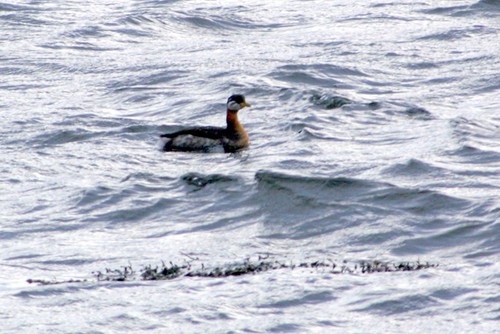
Red-necked Grebe
40-55 cm (16-22 in) long, 77-85 cm wingspan
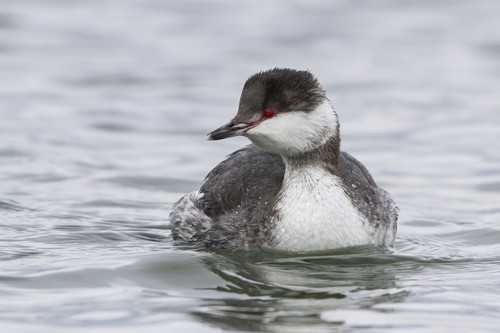
Horned Grebe
31-38 cm (12-15 in) long, 46-55 cm wingspan
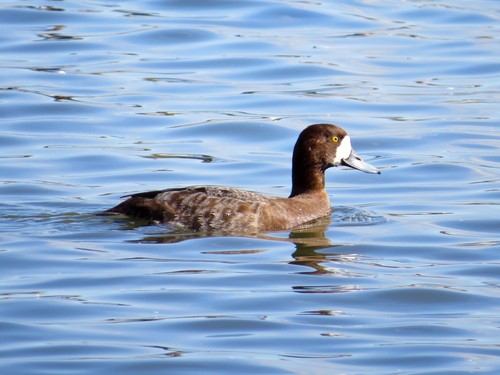
Greater Scaup
42-51 cm (16.5-20 in) long, 71-84 cm wingspan
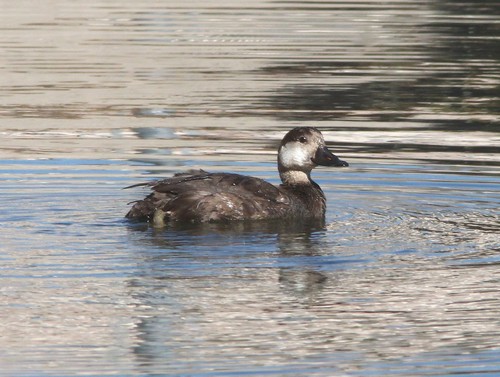
Black Scoter
43-54 cm (17-21 in) long, 79-90 cm wingspan
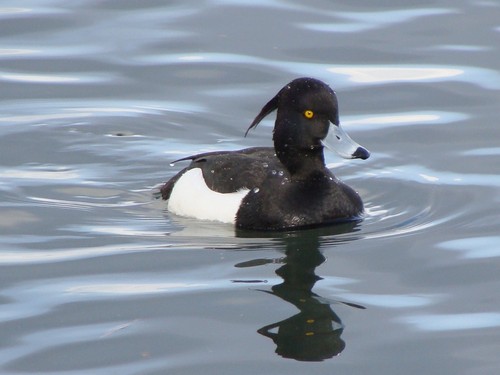
Tufted Duck
40-47 cm (16-18.5 in) long, 67-73 cm wingspan
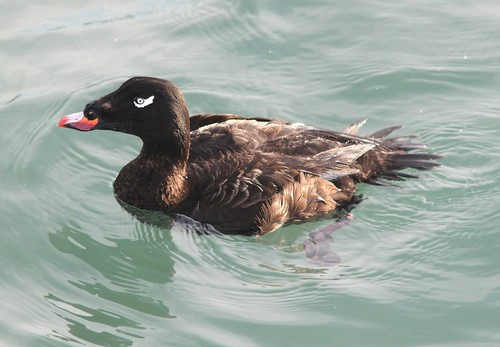
White-winged Scoter
48-58 cm (19-23 in) long, 86-99 cm wingspan
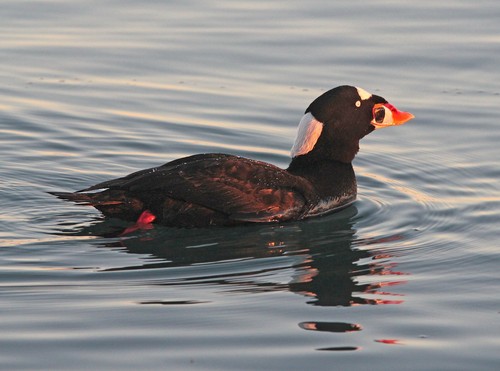
Surf Scoter
45-56 cm (18-22 in) long, 78-92 cm wingspan
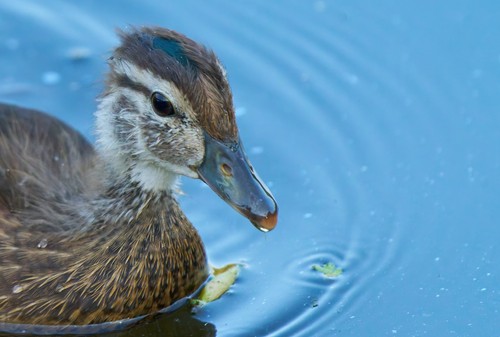
Wood Duck
47-54 cm (18.5-21 in) long, 66-73 cm wingspan
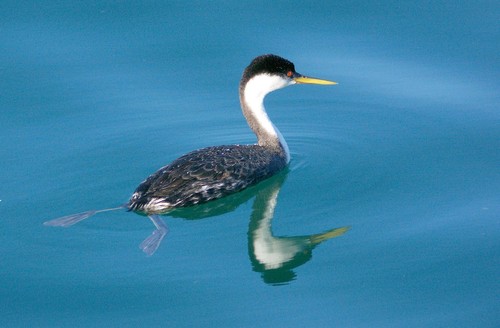
Western Grebe
56-74 cm (22-29 in) long, 79-102 cm wingspan
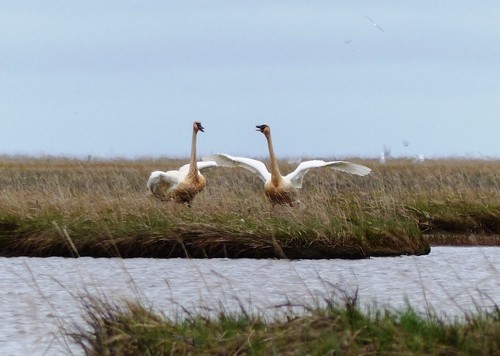
Tundra Swan
115-150 cm (45-59 in) long, about 180 cm wingspan
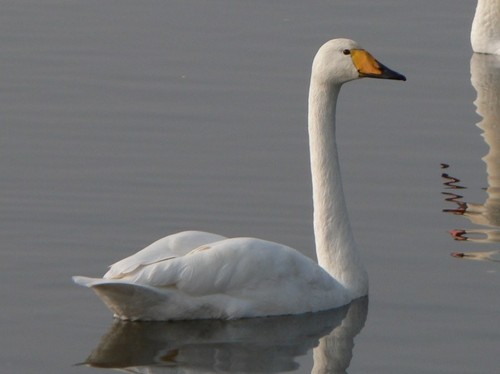
Whooper Swan
140-165 cm (55-65 in) long, 205-235 cm wingspan
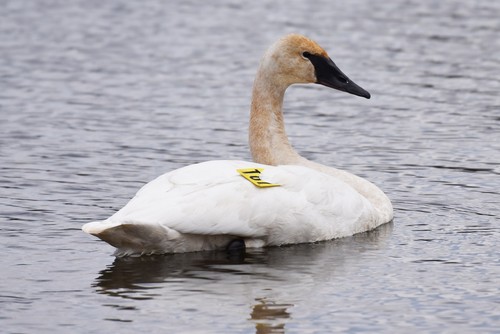
Trumpeter Swan
150-180 cm (59-71 in) long, up to 300 cm wingspan