
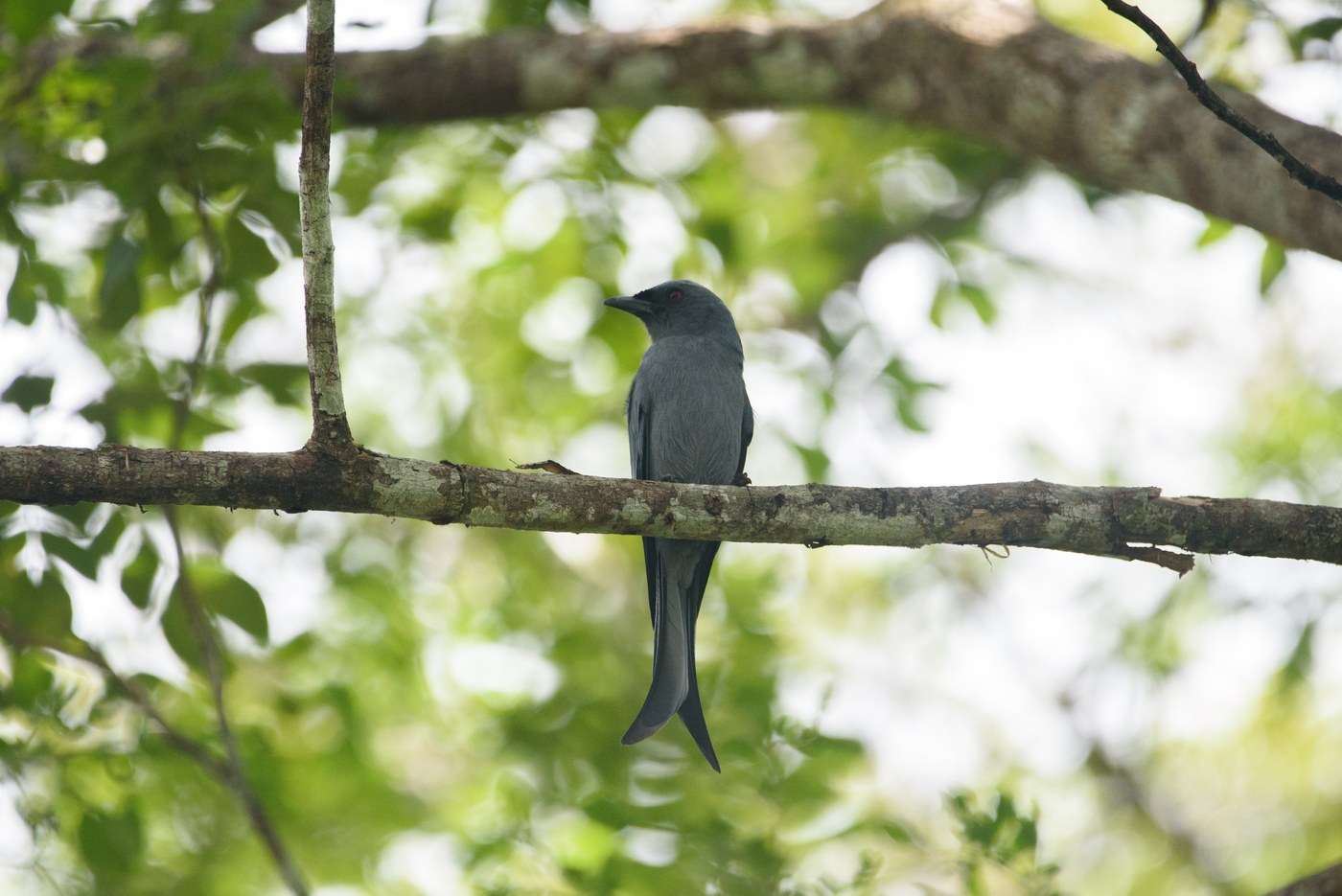
Ashy Drongo
Dicrurus leucophaeus
A slate-grey drongo with a forked tail and red eyes, often seen wintering in gardens and forest edges.
- Size
- 25-30 cm (10-12 in) long including forked tail
- Habitat
- forests, forest edges, and wooded gardens across South and Southeast Asia
- Type
- songbird
Spotted a bird like this?
Identify any bird from a photo, free.
Overview
The Ashy Drongo is a slim, medium-sized member of the drongo family, overall slaty-grey rather than the glossy black of its more common relative, the Black Drongo. Plumage shade varies geographically and by subspecies, ranging from pale bluish-grey to darker charcoal-grey, and some populations show a pale or whitish face patch around the eye.
Like other drongos, it has a slender, deeply forked tail and typically perches upright on an exposed branch or wire, sallying out after passing insects before returning to its post.
How to identify it
Key field marks
- Overall slate to bluish-grey plumage (never glossy jet-black)
- Deeply forked tail, though somewhat less pronounced than in Black Drongo
- Red eyes; some races show a pale patch around the eye or lores
- Upright, alert posture on exposed perches
Similar species
The Black Drongo is glossy black rather than grey and lacks a pale face patch. The Crow-billed Drongo and other grey-toned drongos overlap in some regions but are typically darker and lack the pale face; range, subtle bill shape, and voice help separate closely related drongo species.
Habitat & range
The Ashy Drongo breeds across the Himalayas, parts of northern and central Asia, and China, and many populations are migratory, wintering widely across South and Southeast Asia, including much of India, Sri Lanka, and the Indomalayan region. It favors forest, forest edge, and wooded habitats, including gardens and plantations during the non-breeding season, more so than the open-country Black Drongo.
Behavior & voice
Voice
Calls include harsh, metallic notes and varied whistles, with some individuals capable of mimicking other species; generally quieter and less vocal than Black Drongo.
Feeding
Ashy Drongos hunt flying insects by sallying from a perch in the forest canopy or edge, catching prey on the wing and returning to the same or a nearby perch.
Nesting and breeding
Breeding birds build a shallow cup nest of twigs and fibers slung in a fork high in a tree. Migratory populations do not breed in their wintering grounds, where they are seen mainly as solitary individuals defending temporary feeding territories.
Frequently asked questions
How is the Ashy Drongo different from the Black Drongo?
The Ashy Drongo is slate-grey rather than glossy black, and some forms show a pale patch around the eye that Black Drongo lacks.
Is the Ashy Drongo migratory?
Many populations breed in the Himalayas and northern Asia and migrate south to winter across India and Southeast Asia.
Where does the Ashy Drongo prefer to live?
It favors forest and forest-edge habitat more than the open farmland preferred by Black Drongo, though it also uses gardens in winter.
What does an Ashy Drongo eat?
It feeds almost entirely on flying insects captured in aerial sallies from an exposed perch.
Ashy Drongo guides
In-depth guides for identifying, finding, and understanding Ashy Drongo.
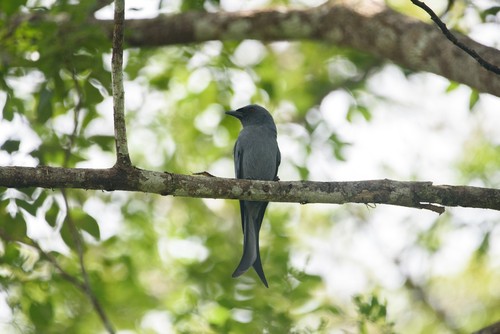
Other birds you may enjoy
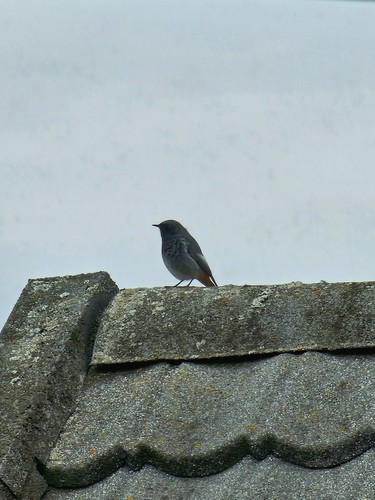
Black Redstart
13-14.5 cm (5.1-5.7 in) long, 23-26 cm wingspan
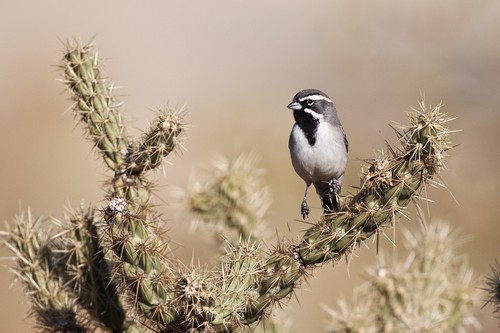
Black-throated Sparrow
12-14 cm (4.7-5.5 in) long, about 19-20 cm (7.5-8 in) wingspan
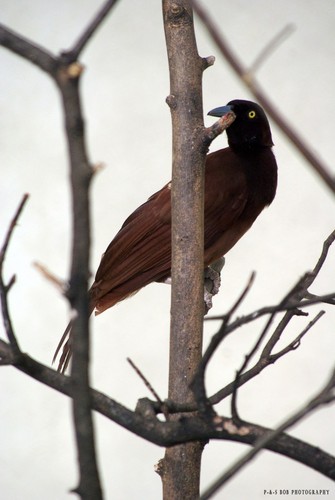
Greater Bird-of-paradise
Body about 43 cm; males with additional flank plumes up to 50 cm and long tail wires
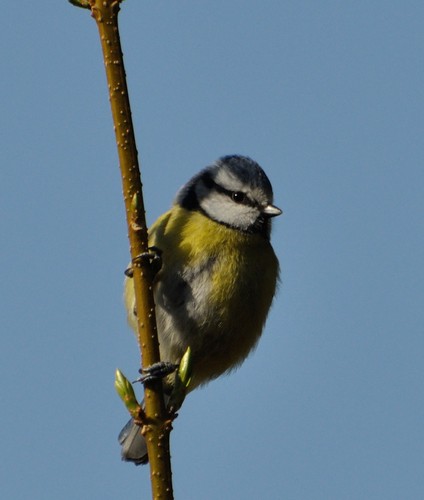
Blue Tit
11-12 cm (4.3-4.7 in) long, 17-20 cm wingspan
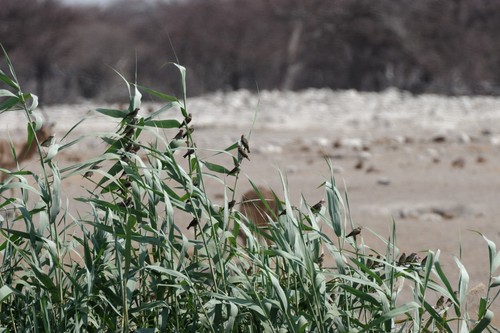
Red-billed Quelea
11.5–13 cm long, wingspan about 20–22 cm
White-plumed Antbird
13-14 cm (5-5.5 in) long
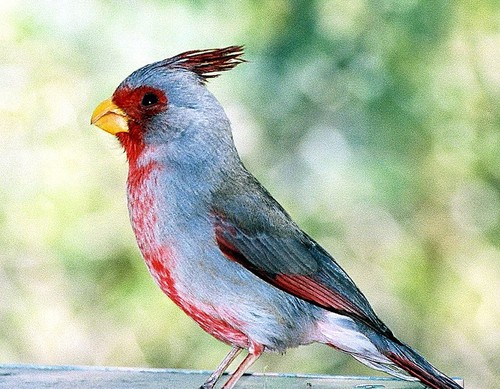
Pyrrhuloxia
19-22 cm (7.5-8.7 in) long, 30 cm wingspan
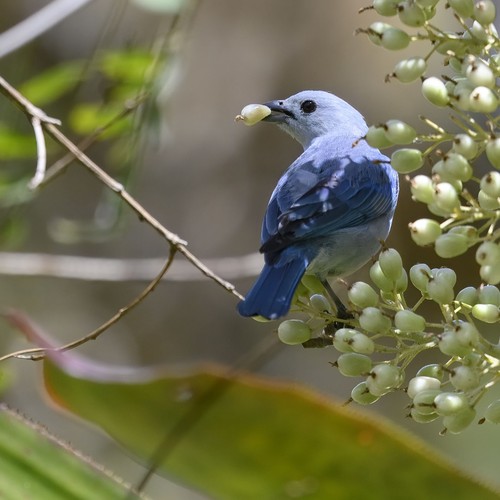
Blue-gray Tanager
16-18 cm (6-7 in) long
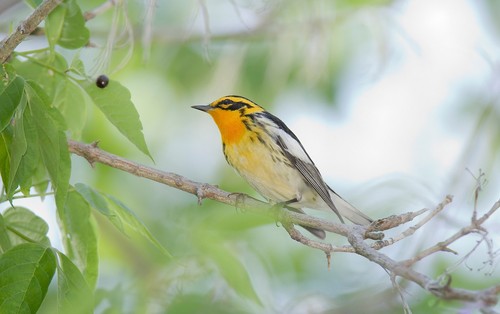
Blackburnian Warbler
11-13 cm (4.3-5.1 in) long, 20-22 cm wingspan
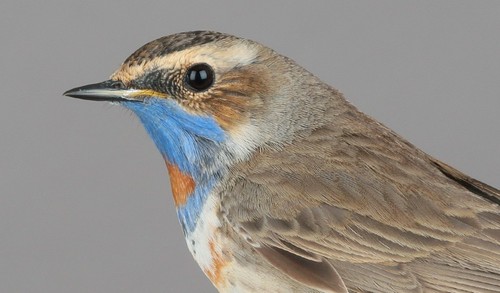
Bluethroat
13-14 cm (5.1-5.5 in) long, 20-22 cm wingspan
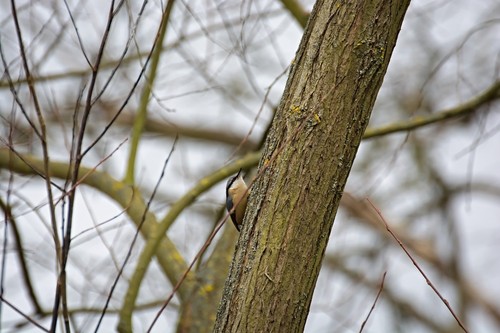
Eurasian Nuthatch
12-14.5 cm (4.7-5.7 in) long, 22.5-27 cm wingspan
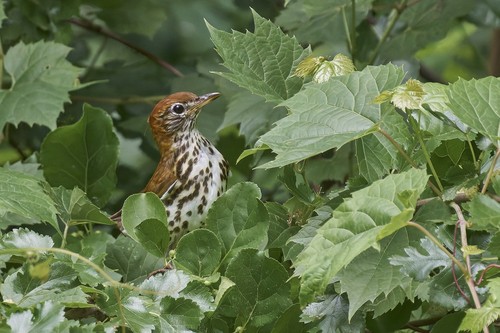
Wood Thrush
19-21 cm (7.5-8.3 in) long, about 33 cm (13 in) wingspan