
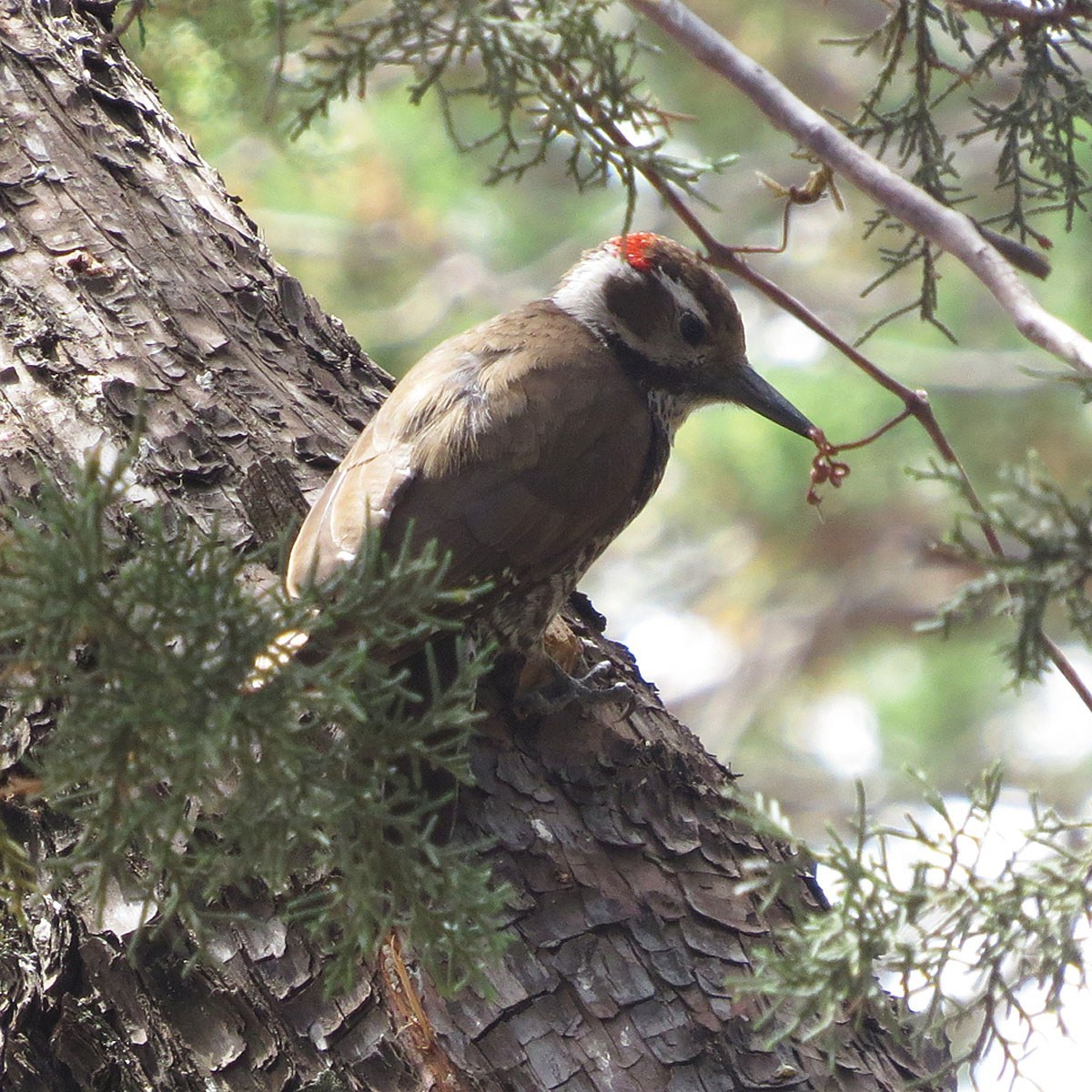
Arizona Woodpecker
Dryobates arizonae
The only brown-backed woodpecker found in the United States, restricted to oak canyons of southeastern Arizona and New Mexico.
- Size
- 18-20 cm (7-8 in) long, 33-38 cm wingspan
- Habitat
- oak and oak-pine woodlands of mountain canyons in the southwestern United States and Mexico
- Type
- woodpecker
Spotted a bird like this?
Identify any bird from a photo, free.
Overview
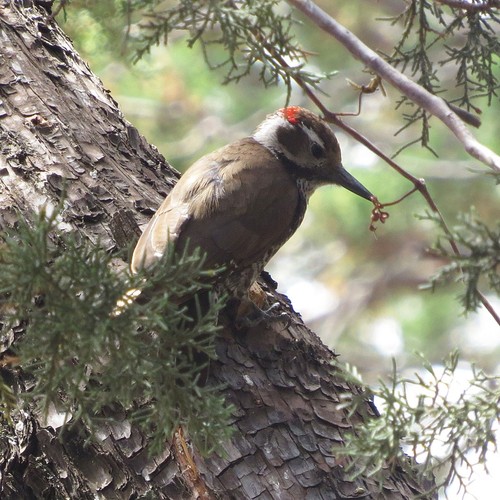
The Arizona Woodpecker is notable as the only woodpecker in the United States with a solid brown back, rather than the black-and-white pattern typical of most North American species. Its underparts are white with bold brown spotting on the flanks, and males show a red patch on the nape.
This species is a Mexican specialty that barely reaches the United States, found in a limited range of oak-lined mountain canyons in southeastern Arizona and southwestern New Mexico, part of the region's famous 'sky island' bird diversity.
How to identify it
Key Field Marks
- Solid brown back and wings, unique among U.S. woodpeckers
- White underparts with bold brown spotting on the flanks
- Brown-and-white striped face
- Males have a red nape patch; females lack it
Similar Species
- Hairy Woodpecker and Downy Woodpecker, which co-occur in the same oak canyons, both show black-and-white barred or striped backs, not solid brown, making the Arizona Woodpecker readily distinguishable.
Habitat & range
Habitat
This species inhabits evergreen oak and oak-pine woodlands in mountain canyons, typically between about 1,500 and 2,500 meters elevation.
Range
In the United States it is found only in the 'sky island' mountain ranges of southeastern Arizona (such as the Chiricahuas and Huachucas) and extreme southwestern New Mexico; its range extends south through the Sierra Madre of Mexico.
Migration
Arizona Woodpeckers are non-migratory residents, remaining in oak canyon habitat year-round.
Behavior & voice
Behavior
This woodpecker forages by gleaning and probing bark on oak trunks and limbs for insects, moving methodically along branches, and occasionally visits feeders in its limited U.S. range.
Voice
Calls include a sharp, squeaky peek note and rattling calls; drumming is soft and infrequent compared to other woodpeckers.
Feeding
Diet consists mainly of insects, particularly beetle larvae and ants extracted from oak bark, supplemented with acorns and other plant material.
Nesting
Pairs excavate a nest cavity in a dead oak limb or snag; both parents incubate the 3-4 white eggs and feed the young.
Frequently asked questions
What is special about the Arizona Woodpecker?
It is the only woodpecker in the United States with a solid brown, rather than black-and-white, back.
Where can you find an Arizona Woodpecker?
In the U.S. it is found only in oak canyons of southeastern Arizona and southwestern New Mexico's sky island mountain ranges, with its main range extending into Mexico.
What does an Arizona Woodpecker eat?
It mainly eats insects such as beetle larvae and ants found in oak bark, along with some acorns.
How do you tell a male from a female Arizona Woodpecker?
Males have a red patch on the nape that females lack.
Arizona Woodpecker guides
In-depth guides for identifying, finding, and understanding Arizona Woodpecker.
Other birds you may enjoy
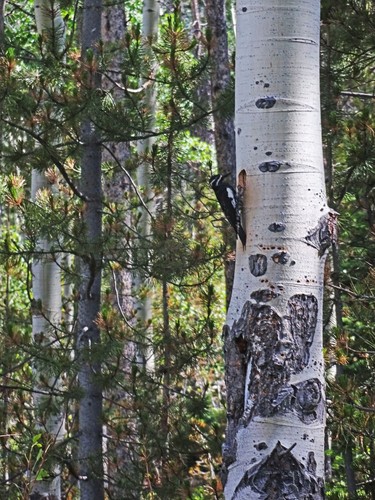
Williamson's Sapsucker
21-25 cm (8-10 in) long, 40-42 cm wingspan
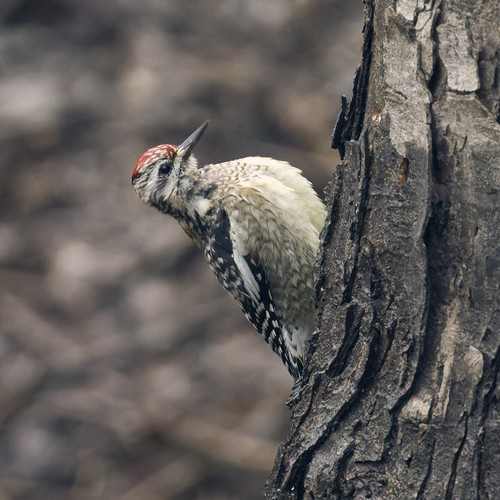
Yellow-bellied Sapsucker
18-21 cm (7-8.3 in) long, 34-40 cm wingspan
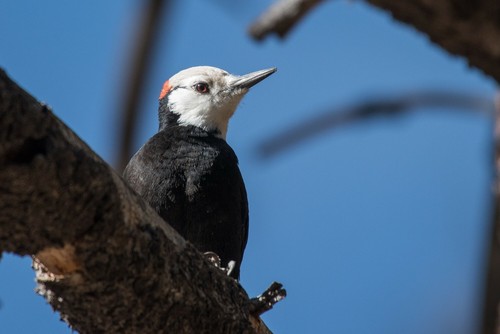
White-headed Woodpecker
20-23 cm (8-9 in) long, 38-41 cm wingspan
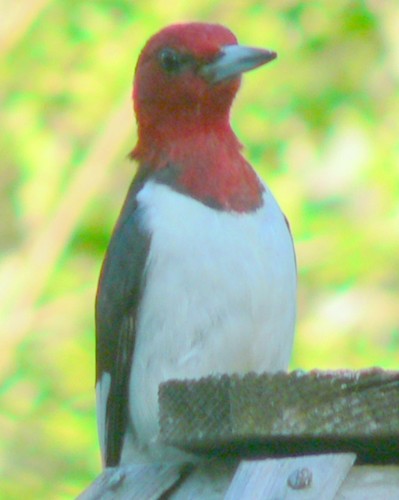
Red-headed Woodpecker
19-23 cm (7.5-9 in) long, 42-46 cm wingspan
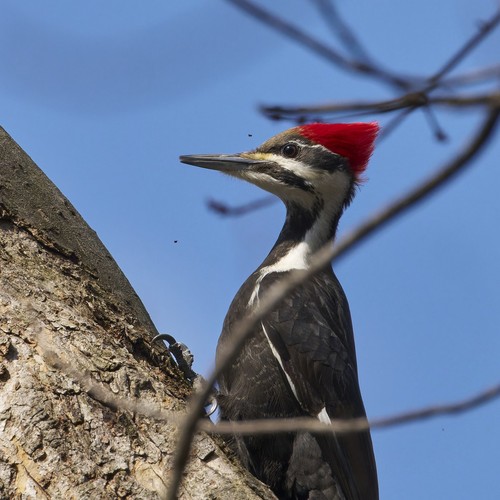
Pileated Woodpecker
40-49 cm (16-19 in) long, 66-75 cm wingspan
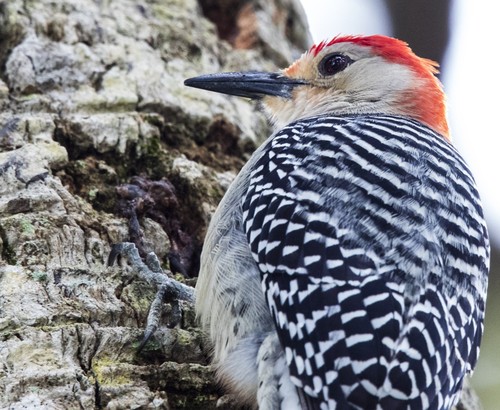
Red-bellied Woodpecker
22-27 cm (9-10.5 in) long, 38-46 cm wingspan
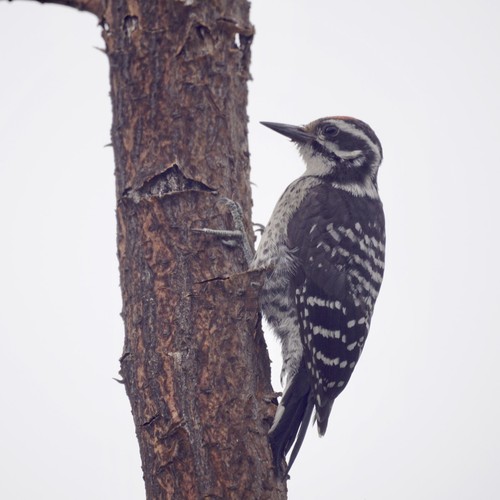
Nuttall's Woodpecker
18-20 cm (7-8 in) long, 34-38 cm wingspan
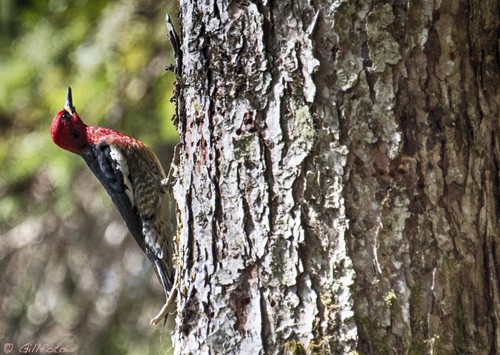
Red-breasted Sapsucker
20-23 cm (8-9 in) long, 34-40 cm wingspan
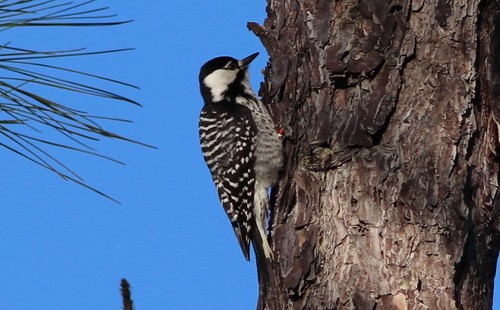
Red-cockaded Woodpecker
20-23 cm (8-9 in) long, 35-38 cm wingspan
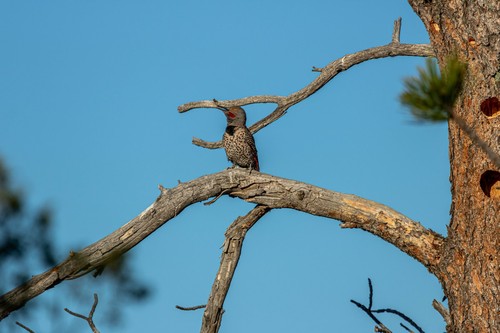
Northern Flicker
28-36 cm (11-14 in) long, 42-51 cm wingspan
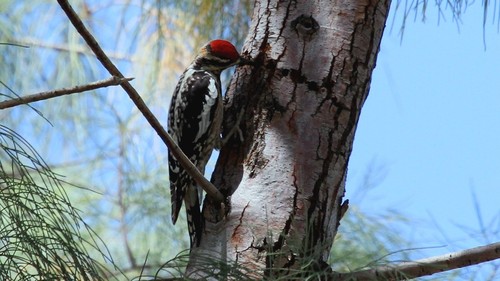
Red-naped Sapsucker
19-21 cm (7.5-8.3 in) long, 34-40 cm wingspan
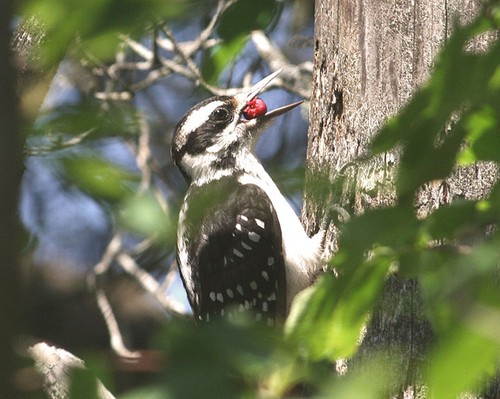
Hairy Woodpecker
23-26 cm (9-10 in) long, 33-41 cm wingspan