
Arctic Tern
Sterna paradisaea
A slender, graceful tern famous for undertaking the longest migration of any animal, traveling from Arctic breeding grounds to Antarctic waters and back each year.
- Size
- 33-39 cm (13-15 in) long, 76-85 cm wingspan
- Habitat
- Arctic and subarctic coasts and tundra for breeding; open ocean during migration
- Type
- seabird
Spotted a bird like this?
Identify any bird from a photo, free.
Overview
The Arctic Tern is a slim, elegant seabird renowned above all for its extraordinary migration, traveling annually between Arctic breeding grounds and the edge of Antarctic pack ice, a round trip that can exceed 70,000 kilometers (43,000 miles) and represents the longest migration known in the animal kingdom.
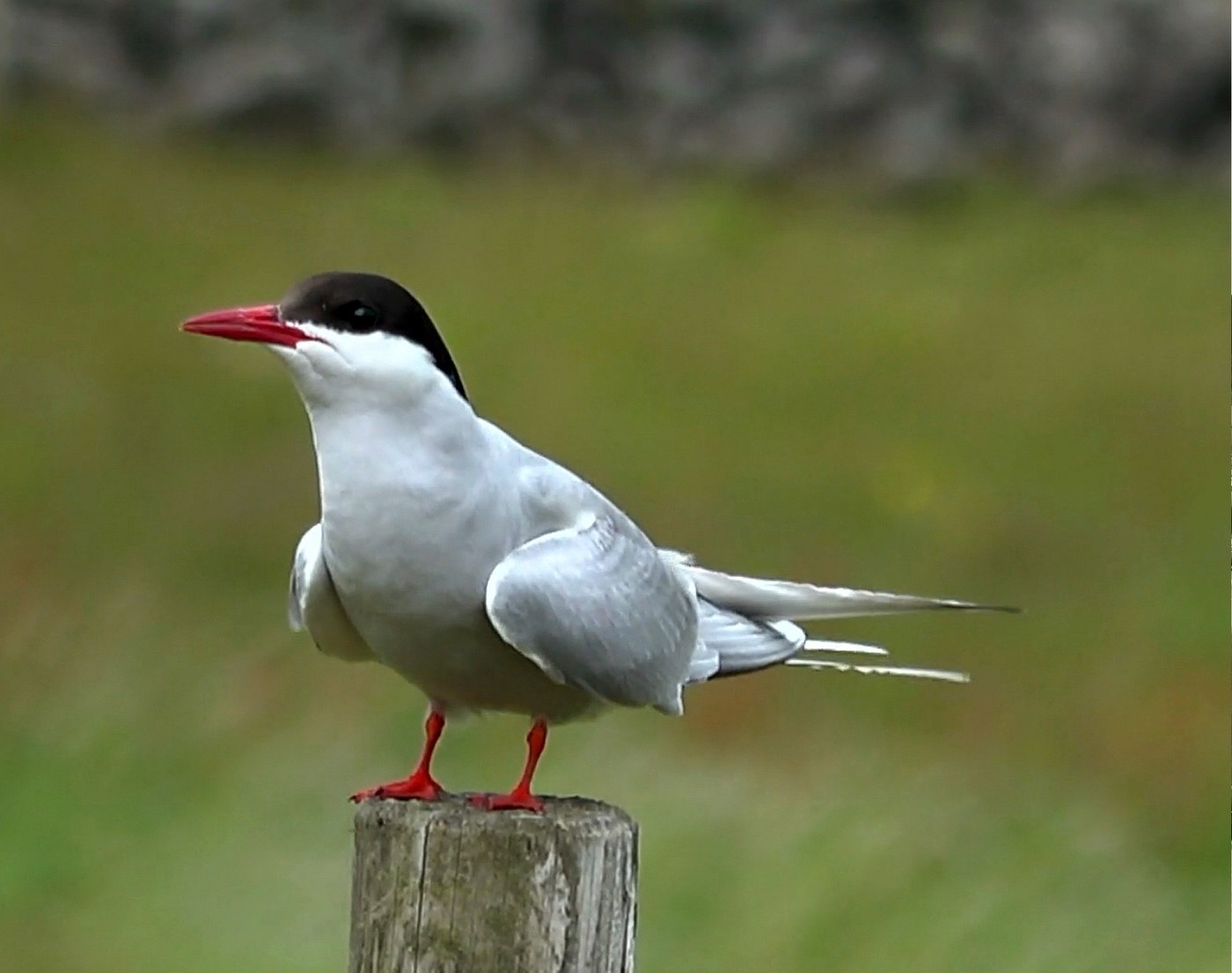
In breeding plumage, it closely resembles the Common Tern but is slightly more compact, with shorter, blood-red legs, a bill that is entirely deep red without a black tip, and a grayer wash to the underparts that contrasts with a white cheek stripe. The tail streamers tend to be longer than those of the Common Tern, and the wings appear more translucent in flight due to thinner primary feathers.
Thanks to its pole-to-pole migration, an Arctic Tern may experience more daylight over its lifetime than any other creature on Earth, following summer from one hemisphere to the other.
How to identify it
Key field marks
- Entirely deep red bill (no black tip) in breeding plumage
- Short, blood-red legs
- Grayer underparts with a contrasting white cheek stripe
- Long tail streamers
- Translucent-looking primaries in flight
Similar species
- Common Tern: longer legs, bill typically red-orange with a black tip, less contrast between cheek and underparts, and a dark wedge in the outer primaries.
- Forster's Tern: paler, silvery wingtips and orange (not red) legs and bill base.
Habitat & range
Habitat
Breeds on Arctic and subarctic coasts, tundra, and rocky islands. Outside the breeding season it is almost entirely pelagic, spending months over the open ocean.
Range and migration
Breeds around the Arctic and subarctic, including northern North America, Greenland, Iceland, and northern Eurasia. Undertakes an extraordinary migration to winter in the productive waters near the edge of the Antarctic pack ice, effectively experiencing two summers each year.
Behavior & voice
Behavior
Arctic Terns are famously aggressive in defense of their nests, diving and striking at intruders, including humans, that approach too closely to the colony.
Voice
Calls are similar to the Common Tern, including a harsh "kee-arr" and sharper alarm notes, though generally slightly higher-pitched.
Feeding
Feeds mainly on small fish and crustaceans, caught by hovering and plunge-diving, often close to the surface in cold Arctic and subarctic waters.
Nesting and breeding
Nests colonially on open ground near water, often on gravel beaches or rocky islands, in a simple scrape. Clutches typically contain one to three eggs, incubated by both parents for about three weeks.
Frequently asked questions
How far does the Arctic Tern migrate?
It travels from Arctic breeding grounds to the edge of Antarctic pack ice and back each year, a round trip that can exceed 70,000 kilometers (43,000 miles), the longest migration of any animal.
How do you tell an Arctic Tern from a Common Tern?
Arctic Tern has shorter, blood-red legs, an entirely red bill without a black tip, and grayer underparts, while Common Tern has longer legs and a bill typically showing a black tip.
Are Arctic Terns aggressive?
Yes, they vigorously defend their nests, often diving at and striking intruders, including people, who approach too closely.
What does the Arctic Tern eat?
Mainly small fish and crustaceans, caught by hovering over the water and plunge-diving.
Arctic Tern guides
In-depth guides for identifying, finding, and understanding Arctic Tern.
Other birds you may enjoy
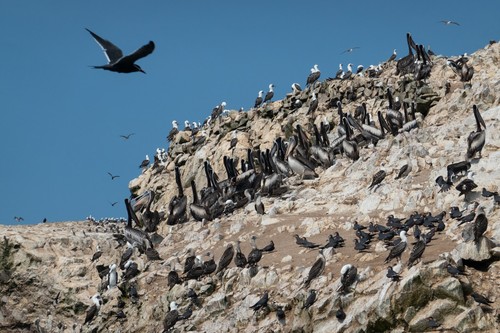
Peruvian Pelican
137-152 cm (54-60 in) long, up to 228 cm wingspan
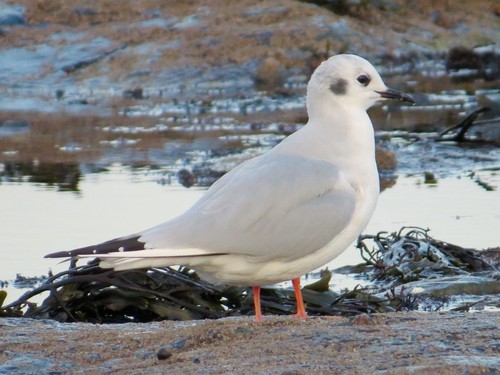
Bonaparte's Gull
28-33 cm (11-13 in) long, 76-84 cm wingspan
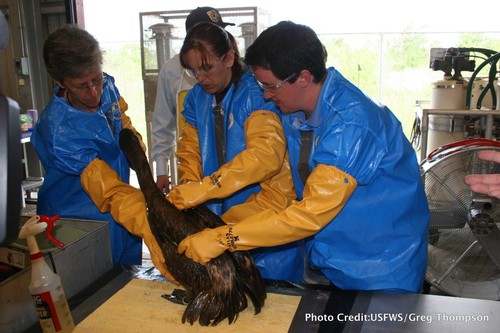
Brown Pelican
106-137 cm (42-54 in) long, 200-230 cm wingspan
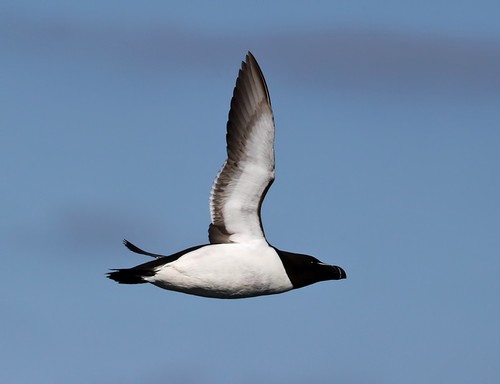
Razorbill
37-39 cm (15-15.5 in) long, 63-68 cm wingspan
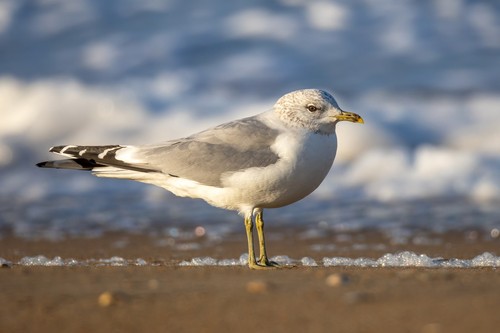
Common Gull
40-46 cm (16-18 in) long, 110-130 cm wingspan
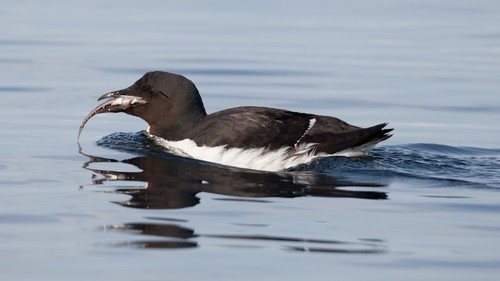
Thick-billed Murre
40-48 cm (16-19 in) long, 65-75 cm wingspan
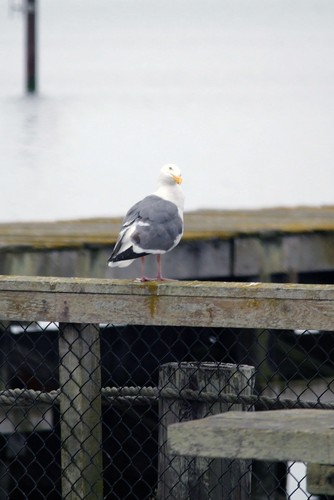
Western Gull
55-68 cm (22-27 in) long, 130-144 cm wingspan
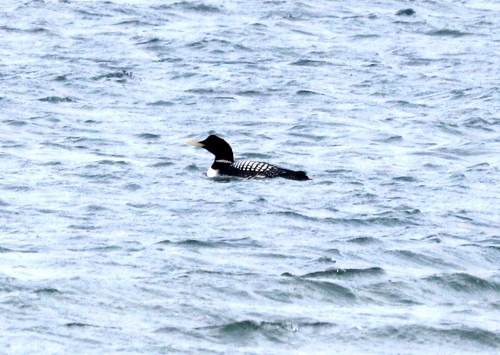
Yellow-billed Loon
76-97 cm (30-38 in) long, 135-152 cm wingspan
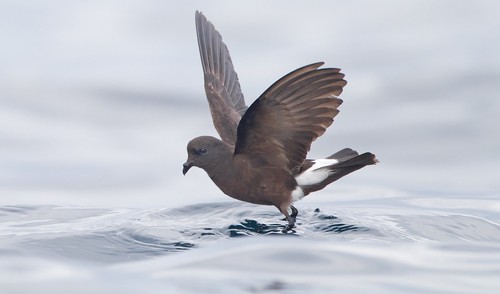
Wilson's Storm-Petrel
15-19 cm (6-7.5 in) long, wingspan 38-42 cm (15-16.5 in)

Yellow-eyed Penguin
62-79 cm (24-31 in) tall, 3-8.5 kg (6.6-18.7 lb)
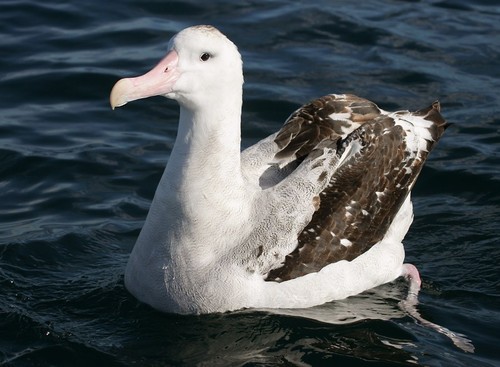
Wandering Albatross
107-135 cm (42-53 in) long, wingspan up to 3.5 m (11.5 ft)

Tufted Puffin
35-41 cm (14-16 in) long, about 63-70 cm wingspan