
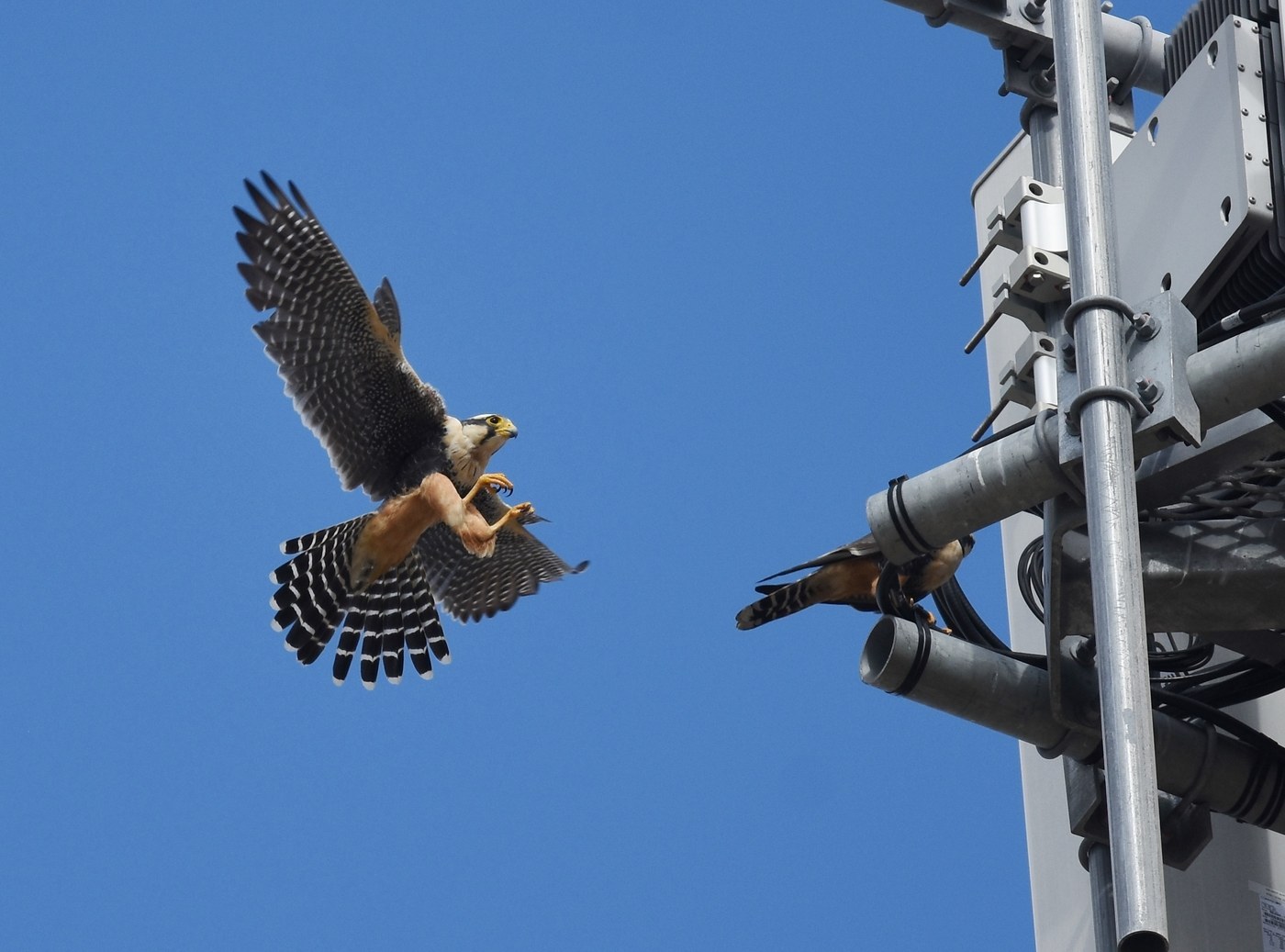
Aplomado Falcon
Falco femoralis
A slender, elegant falcon of open grasslands with a bold facial pattern and a rusty band across the belly, rare and reintroduced in the U.S.
- Size
- 37-45 cm (15-18 in) long, 90-112 cm (35-44 in) wingspan
- Habitat
- open grasslands, savanna, and desert with scattered yucca or mesquite
- Type
- raptor
Spotted a bird like this?
Identify any bird from a photo, free.
Overview
The Aplomado Falcon is a slim, long-tailed falcon with a striking facial pattern: a dark crown, bold white eyebrow stripe, and a black moustache mark on a pale face. The upper breast is white to buffy, separated by a dark band from a rich rufous lower belly and thighs, an unusual and distinctive pattern among falcons. Its long tail and long wings give it an especially graceful, elongated silhouette in flight.
Once extirpated from the southwestern United States due to habitat loss and other pressures, the Aplomado Falcon has been the focus of an active reintroduction program in south Texas, where captive-bred birds have helped reestablish a small wild population.
How to identify it
Key Field Marks
- Bold white eyebrow stripe and dark moustache mark on the face
- White to buffy upper breast separated by a dark band from rufous lower belly and thighs
- Long tail and long, slender wings compared to other falcons
- Fast, agile flight, often low over grassland
Similar Species
- American Kestrel: much smaller with a rufous back and tail, lacking the Aplomado's distinct belly band pattern.
- Merlin: stockier and more heavily streaked below, without the sharply demarcated rufous belly.
Habitat & range
Range
Aplomado Falcons range from the southwestern United States (a reintroduced population in south Texas, with occasional records elsewhere) south through Mexico, Central America, and much of South America.
Habitat
They favor open grasslands, coastal prairie, savanna, and desert grassland with scattered yucca, mesquite, or other low trees used as hunting perches and nest platforms.
Behavior & voice
Hunting
Aplomado Falcons hunt a mix of birds, taken in fast pursuit flight often close to the ground, along with large insects such as grasshoppers and dragonflies, and occasionally small mammals; pairs sometimes hunt cooperatively, flushing prey for one another.
Voice
The call is a harsh, repeated "kek-kek-kek," typical of falcons, given in territorial or alarm contexts.
Nesting
Aplomado Falcons do not build their own nests, instead using old stick nests built by other raptors or corvids in yucca, mesquite, or other scattered trees. Clutches typically contain two to three eggs.
Frequently asked questions
Are Aplomado Falcons endangered?
In the United States, the Aplomado Falcon is listed as endangered, though it remains more numerous in parts of Mexico, Central America, and South America; active reintroduction efforts are underway in south Texas.
How do you identify an Aplomado Falcon?
Look for a bold white eyebrow stripe, dark moustache mark, and a sharply demarcated rufous lower belly and thighs beneath a paler chest.
Where do Aplomado Falcons nest?
They use old stick nests built by other birds in yucca, mesquite, or scattered trees in open grassland and savanna habitat.
Aplomado Falcon guides
In-depth guides for identifying, finding, and understanding Aplomado Falcon.
Other birds you may enjoy
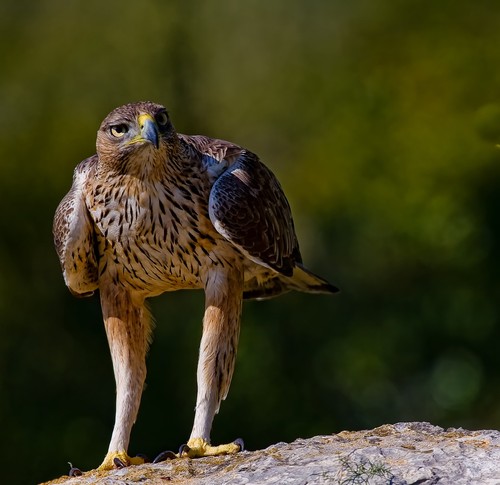
Bonelli's Eagle
Body 65–72 cm (26–28 in); wingspan 150–180 cm (59–71 in)
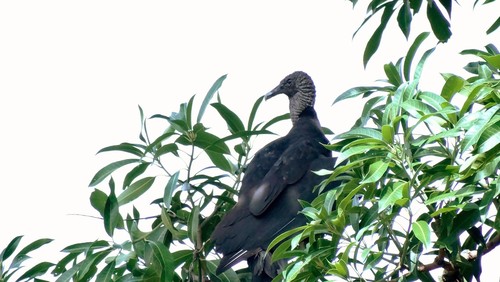
Black Vulture
56-68 cm (22-27 in) long, 137-165 cm wingspan
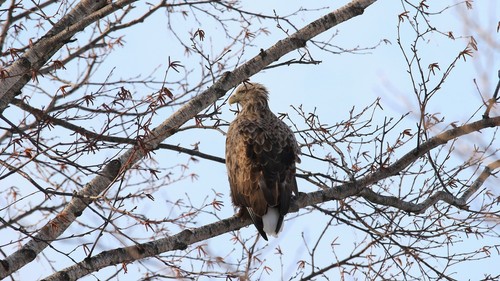
White-tailed Eagle
66-94 cm body length; wingspan 178-245 cm, among the largest eagles in the world
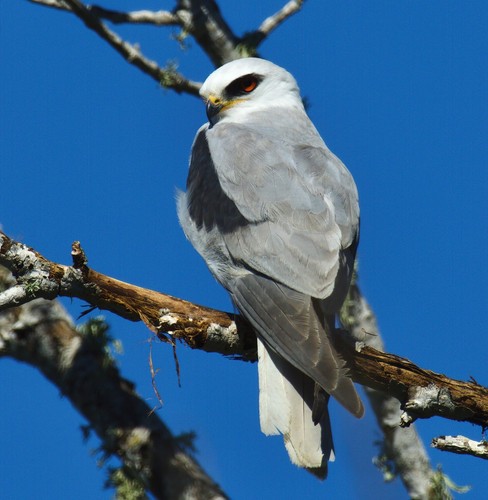
White-tailed Kite
35-43 cm (14-17 in) long, 88-102 cm (35-40 in) wingspan
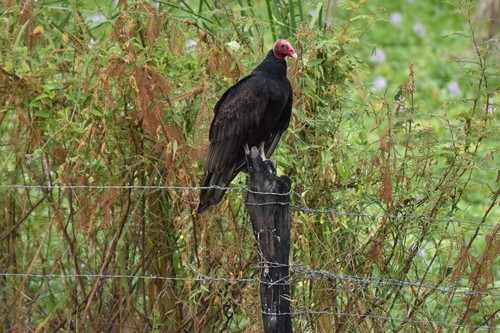
Turkey Vulture
64-81 cm (25-32 in) long, 160-183 cm wingspan
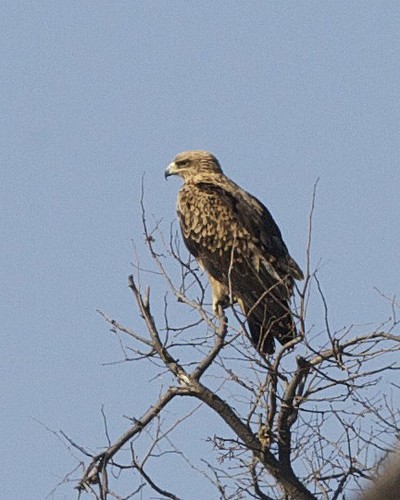
Tawny Eagle
62–75 cm long; wingspan 1.65–2.0 m
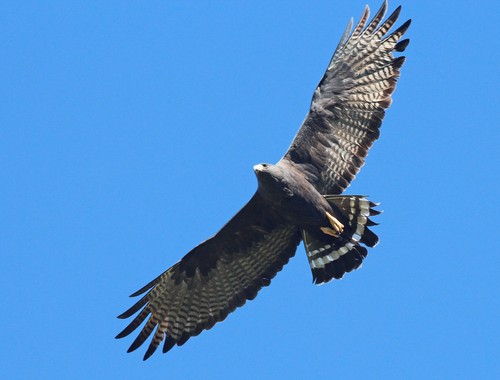
Zone-tailed Hawk
46-56 cm (18-22 in) long, 118-140 cm (46-55 in) wingspan
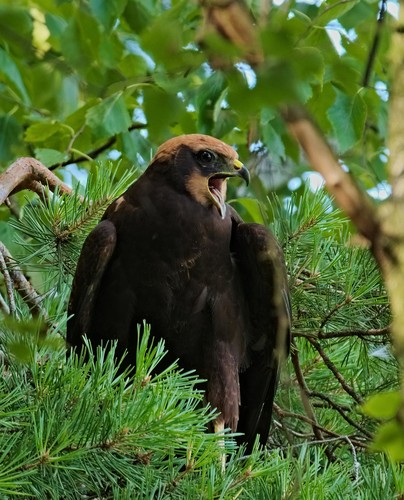
Western Marsh Harrier
Body 43-56 cm; wingspan 115-140 cm
Swallow-tailed Kite
48-68 cm (19-27 in) long including tail streamers, 112-136 cm (44-54 in) wingspan
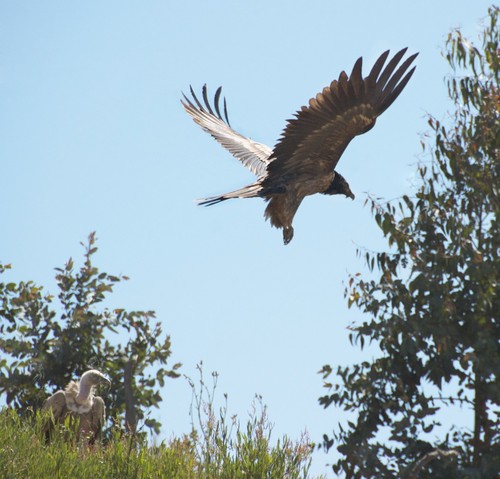
White-backed Vulture
78-98 cm long, wingspan 1.96-2.25 m
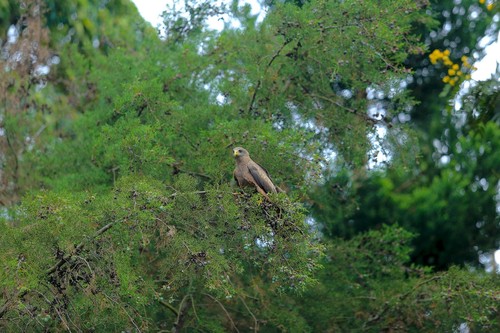
Yellow-billed Kite
55-60 cm long; wingspan 130-155 cm
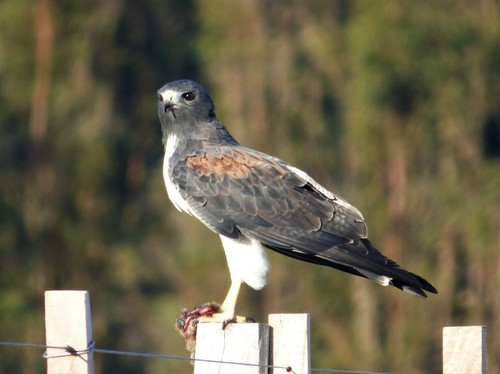
White-tailed Hawk
46-59 cm (18-23 in) long, 122-142 cm (48-56 in) wingspan