
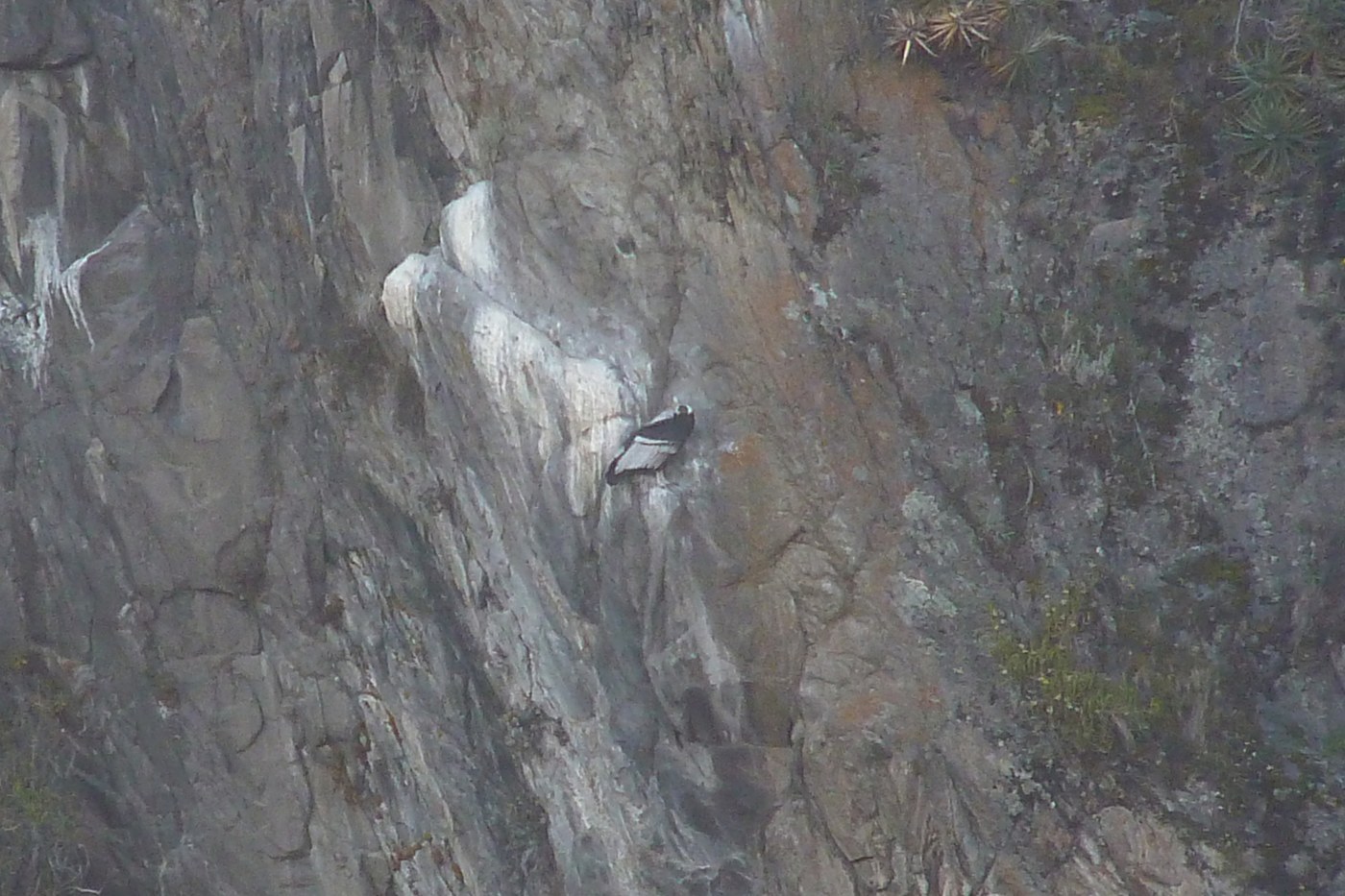
Andean Condor
Vultur gryphus
A massive New World vulture with one of the largest wingspans of any flying bird, soaring over the Andes mountains on carrion patrol.
- Size
- 100-130 cm long, wingspan up to 320 cm (one of the largest wingspans of any bird)
- Habitat
- High mountains, alpine grassland, and coastal areas of the Andes
- Type
- raptor
Spotted a bird like this?
Identify any bird from a photo, free.
Overview
The Andean Condor is among the largest flying birds in the world, notable especially for its immense wingspan, which can exceed three meters. It belongs to the New World vulture family and, like its relatives, is a specialized scavenger rather than an active predator.
Adults are mostly black with a distinctive white ruff of feathers encircling the base of the neck and large white patches on the upper wings (more extensive in males). The head and neck are bare of feathers and colored dull red to blackish, allowing them to stay clean while feeding on carcasses. Males have a prominent fleshy comb (caruncle) on the crown, a feature absent in females — a rare case of visible sexual dimorphism among vultures. Juveniles are uniformly brown-black and lack the white ruff and wing patches until several years of age.
How to identify it
Key field marks
- Enormous size and wingspan, dwarfing nearly all other raptors and vultures
- Overall black plumage with a white neck ruff and large white upperwing patches (adults)
- Bare, wrinkled head and neck, dull red-pink to blackish
- Male has a large fleshy crest (caruncle) on top of the head; female lacks it
- Soars on flat, long, broad wings with widely spread primary "fingers," rarely flapping
Similar species
- King Vulture: much smaller, with a colorful bare head and mostly white body
- Turkey Vulture: far smaller, with a two-toned underwing (dark leading edge, pale flight feathers) and a small red head
- Black Vulture: much smaller, shorter-tailed, with white patches only at the wingtips
Habitat & range
Range
Found along the length of the Andes mountain range in South America, from Venezuela and Colombia south through Ecuador, Peru, Bolivia, Chile, and Argentina.
Habitat
Inhabits high mountain peaks, alpine grasslands (paramo and puna), and open rocky terrain, typically above the treeline; some populations also frequent coastal cliffs and lowland areas, particularly in Chile and Patagonia where they scavenge along the coast.
Migration
Generally non-migratory, though individuals may range widely in search of food, covering vast distances daily while soaring on thermal and orographic updrafts.
Behavior & voice
Feeding
An obligate scavenger, feeding almost exclusively on carrion, particularly the carcasses of large mammals such as deer, llamas, and livestock; locates food primarily by sight, often watching the movements of other scavengers.
Voice
Largely silent, as it lacks a syrinx; makes only low hisses, grunts, and clicking or wheezing sounds, mainly during social interactions or displays.
Flight
A master of soaring flight, using thermal updrafts and mountain winds to travel great distances with minimal flapping, reaching altitudes of several thousand meters.
Nesting
Nests on inaccessible cliff ledges, laying a single egg roughly every two years. Both parents share incubation and chick-rearing duties, contributing to a very slow reproductive rate.
Frequently asked questions
How big is an Andean Condor?
It has a wingspan of up to about 3.2 meters (10.5 feet), among the largest of any living bird.
What does an Andean Condor eat?
It feeds exclusively on carrion, especially the carcasses of large mammals, and does not hunt live prey.
How can you tell a male from a female Andean Condor?
Males have a large fleshy comb (caruncle) on top of the head, which females lack; males are also slightly larger.
Where do Andean Condors live?
They inhabit the high mountains and alpine grasslands of the Andes from Venezuela to southern Argentina and Chile, and also coastal areas in some regions.
Why is the Andean Condor considered vulnerable?
Its very slow reproductive rate, combined with poisoning, persecution, and habitat loss, has caused population declines across its range.
Andean Condor guides
In-depth guides for identifying, finding, and understanding Andean Condor.
Other birds you may enjoy
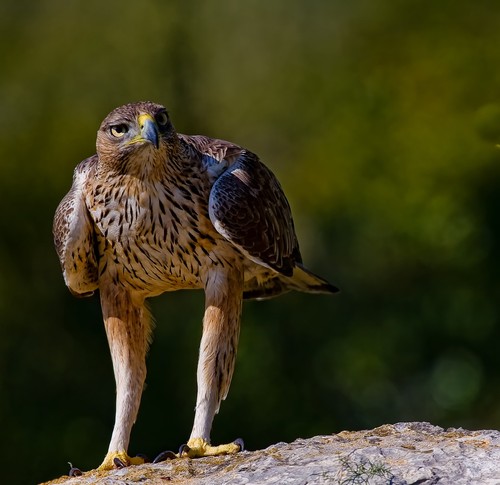
Bonelli's Eagle
Body 65–72 cm (26–28 in); wingspan 150–180 cm (59–71 in)
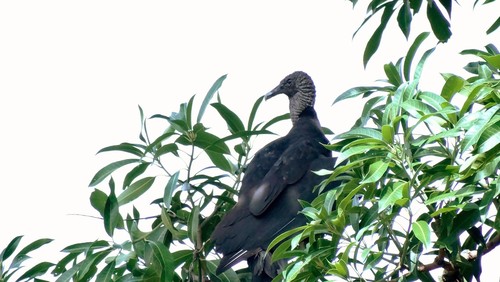
Black Vulture
56-68 cm (22-27 in) long, 137-165 cm wingspan
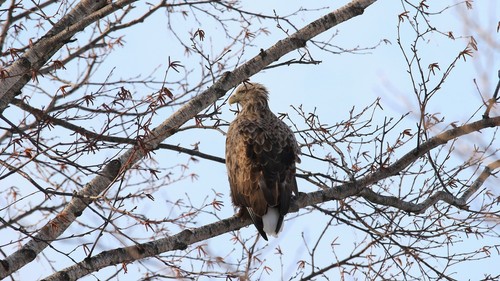
White-tailed Eagle
66-94 cm body length; wingspan 178-245 cm, among the largest eagles in the world
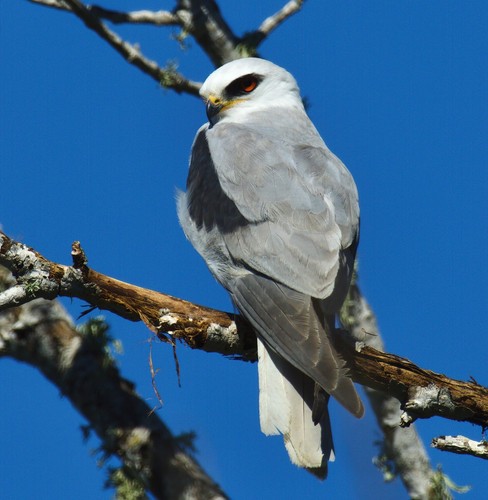
White-tailed Kite
35-43 cm (14-17 in) long, 88-102 cm (35-40 in) wingspan
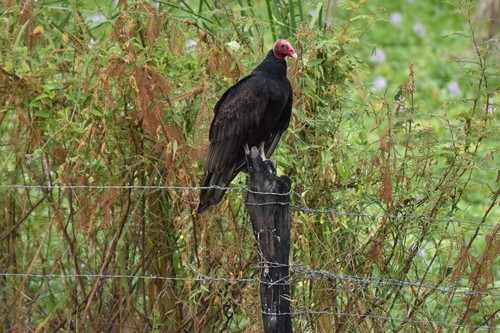
Turkey Vulture
64-81 cm (25-32 in) long, 160-183 cm wingspan
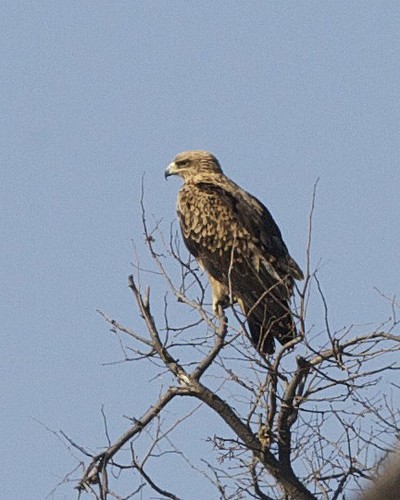
Tawny Eagle
62–75 cm long; wingspan 1.65–2.0 m
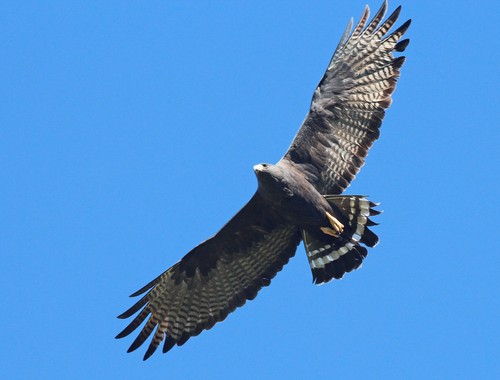
Zone-tailed Hawk
46-56 cm (18-22 in) long, 118-140 cm (46-55 in) wingspan
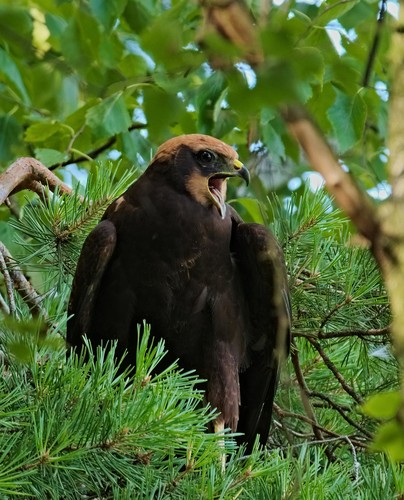
Western Marsh Harrier
Body 43-56 cm; wingspan 115-140 cm
Swallow-tailed Kite
48-68 cm (19-27 in) long including tail streamers, 112-136 cm (44-54 in) wingspan
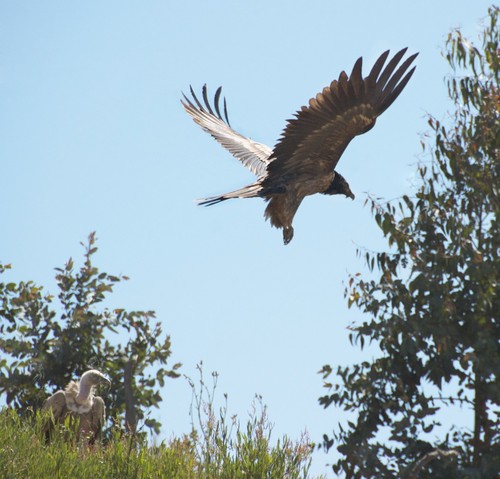
White-backed Vulture
78-98 cm long, wingspan 1.96-2.25 m
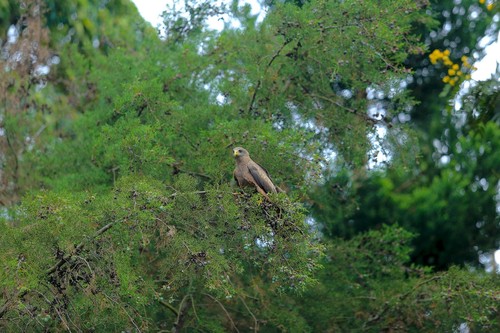
Yellow-billed Kite
55-60 cm long; wingspan 130-155 cm
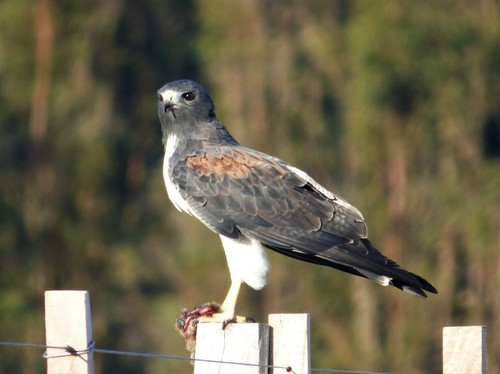
White-tailed Hawk
46-59 cm (18-23 in) long, 122-142 cm (48-56 in) wingspan