
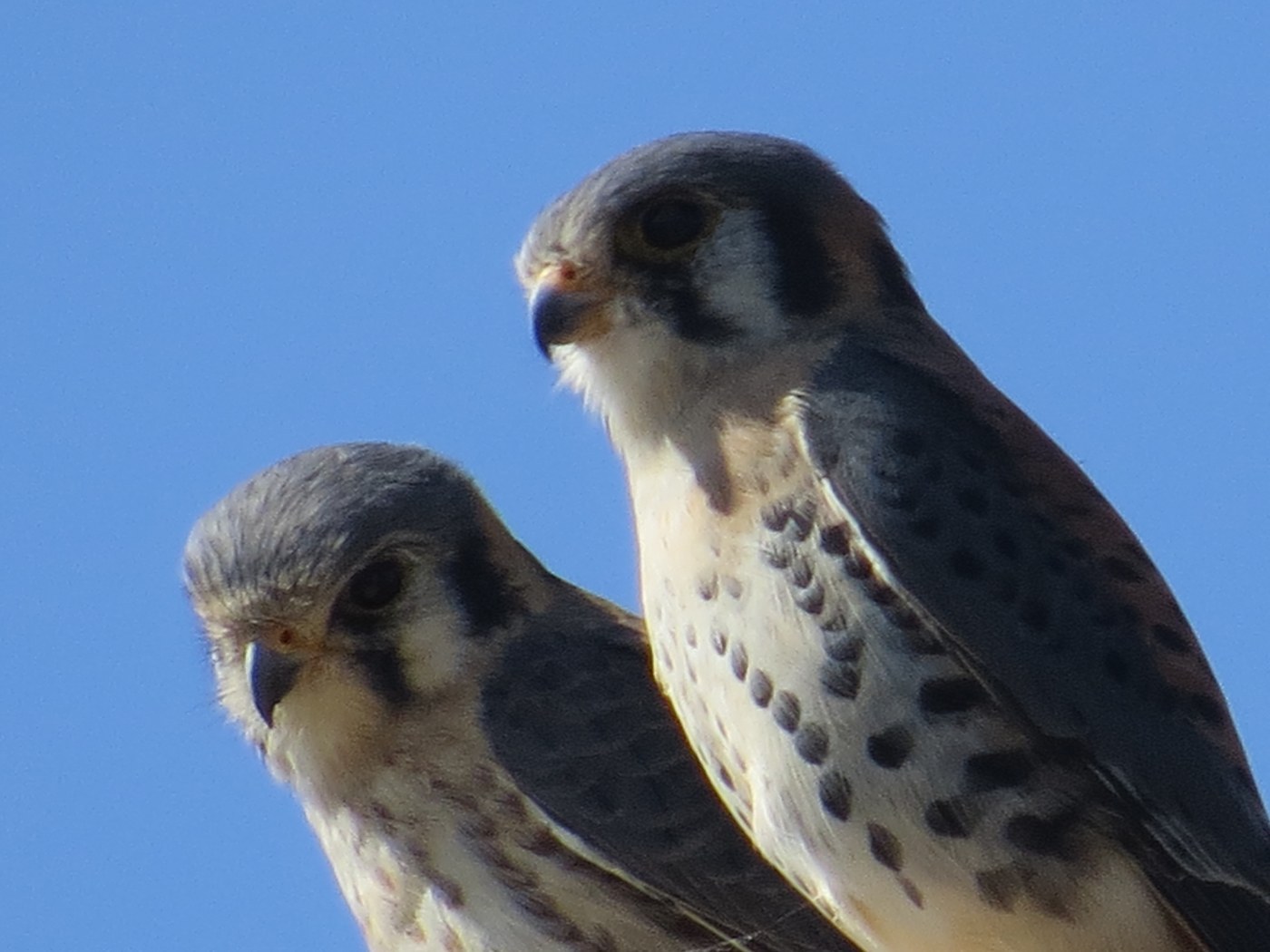
American Kestrel
Falco sparverius
North America's smallest and most colorful falcon, often seen perched on wires hunting insects and small rodents.
- Size
- 22-31 cm (9-12 in) long, 51-61 cm (20-24 in) wingspan
- Habitat
- open country, farmland, grasslands, and urban edges
- Type
- raptor
Spotted a bird like this?
Identify any bird from a photo, free.
Overview
The American Kestrel is a small, brightly colored falcon, roughly the size of a Mourning Dove, with a rufous back and tail, blue-gray wings in males (rufous in females), and a distinctive facial pattern of two dark vertical stripes (a moustache and a sideburn) on a white face. Both sexes show a pair of dark false "eyespots" on the back of the head, which may help deter predators by making it look like it is watching in two directions at once.
As the smallest and most widespread falcon in North America, kestrels are a familiar sight perched on roadside wires and fence posts, bobbing their tails as they scan the ground for prey.
How to identify it
Key Field Marks
- Rufous back and tail; males have slate-blue wings, females rufous wings
- Two bold dark vertical stripes on a white face
- Small size, roughly dove-sized, with a habit of perching on wires and hovering over fields
- Frequent tail-bobbing while perched
Similar Species
- Merlin: larger, stockier, and darker overall, lacking the kestrel's rufous back and bold facial pattern.
- Sharp-shinned Hawk: an accipiter with rounded wings and a different flight style (flap-flap-glide) rather than the kestrel's hovering hunting technique.
Habitat & range
Range
American Kestrels are found throughout North, Central, and much of South America, breeding across nearly all of the United States and Canada. Northern populations migrate south for winter, while southern populations are largely resident.
Habitat
They favor open country including farmland, grasslands, deserts, and urban and suburban edges with scattered perches, using tree cavities, cliff crevices, or nest boxes for breeding.
Behavior & voice
Hunting
Kestrels hunt from an elevated perch or by hovering in place over open ground, dropping down to catch grasshoppers, beetles, small rodents, and occasionally small birds; they can see ultraviolet light, which may help them track rodent urine trails.
Voice
The call is a shrill, rapid "klee-klee-klee" or "killy-killy-killy," often given in alarm or during interactions between individuals.
Nesting
American Kestrels are cavity nesters, using natural tree hollows, old woodpecker holes, cliff crevices, and readily accepting artificial nest boxes. Clutches typically contain four to five eggs.
Frequently asked questions
What is the smallest falcon in North America?
The American Kestrel, roughly the size of a Mourning Dove, is the smallest and most colorful falcon on the continent.
Why do American Kestrels bob their tails?
Tail-bobbing while perched is a common kestrel behavior, though its exact purpose is debated; it may relate to balance or communication.
Are American Kestrel populations declining?
In parts of their range, especially the eastern United States, kestrel numbers have declined in recent decades, likely due to habitat loss and reduced availability of nest cavities.
What do American Kestrels eat?
A varied diet of large insects like grasshoppers and beetles, small rodents, and occasionally small birds or reptiles.
American Kestrel guides
In-depth guides for identifying, finding, and understanding American Kestrel.
Other birds you may enjoy
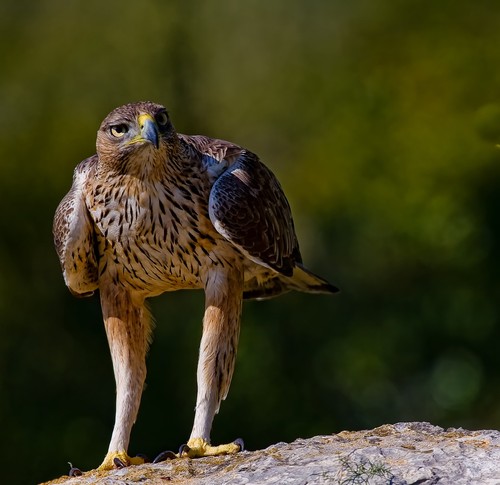
Bonelli's Eagle
Body 65–72 cm (26–28 in); wingspan 150–180 cm (59–71 in)
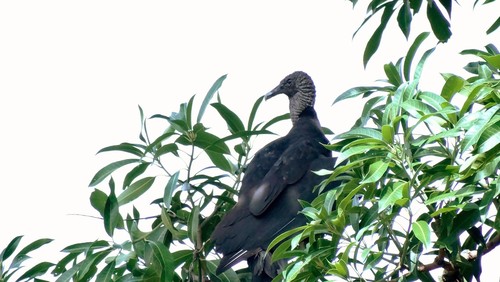
Black Vulture
56-68 cm (22-27 in) long, 137-165 cm wingspan
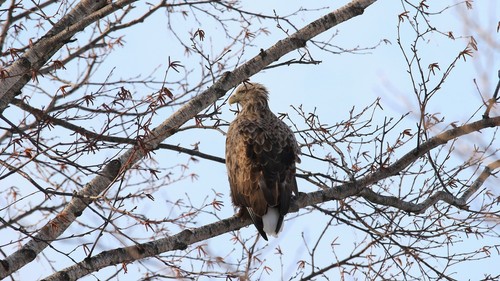
White-tailed Eagle
66-94 cm body length; wingspan 178-245 cm, among the largest eagles in the world
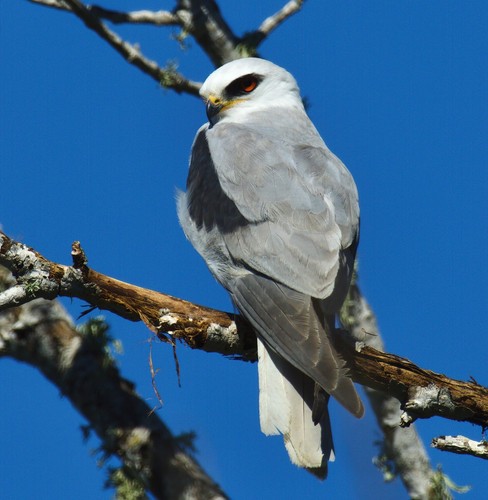
White-tailed Kite
35-43 cm (14-17 in) long, 88-102 cm (35-40 in) wingspan
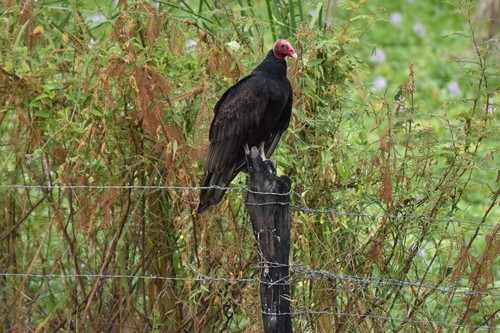
Turkey Vulture
64-81 cm (25-32 in) long, 160-183 cm wingspan
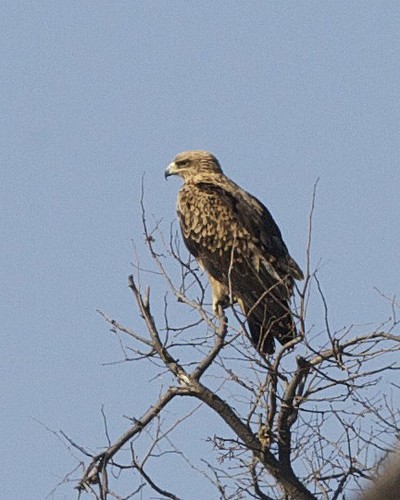
Tawny Eagle
62–75 cm long; wingspan 1.65–2.0 m
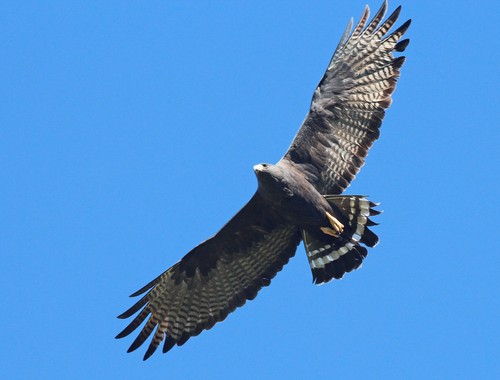
Zone-tailed Hawk
46-56 cm (18-22 in) long, 118-140 cm (46-55 in) wingspan
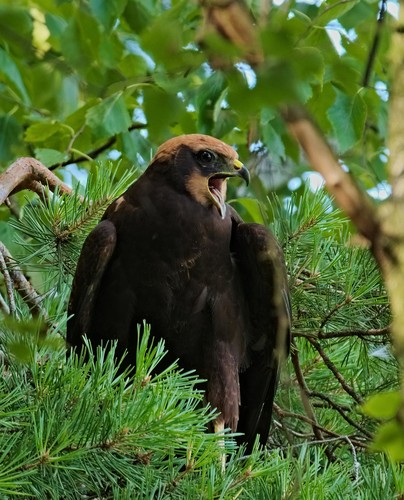
Western Marsh Harrier
Body 43-56 cm; wingspan 115-140 cm
Swallow-tailed Kite
48-68 cm (19-27 in) long including tail streamers, 112-136 cm (44-54 in) wingspan
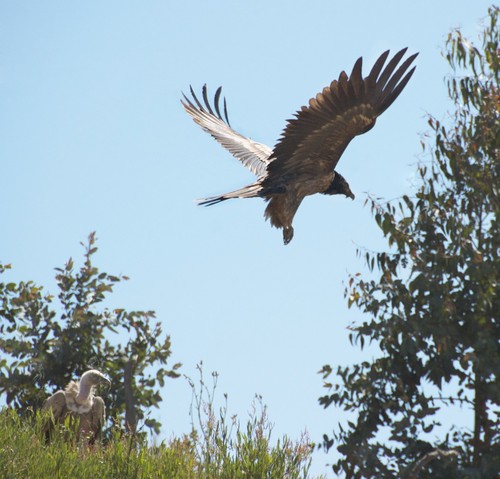
White-backed Vulture
78-98 cm long, wingspan 1.96-2.25 m
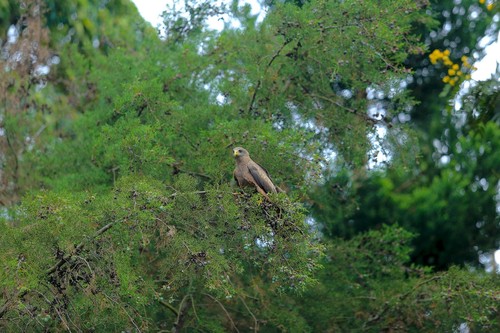
Yellow-billed Kite
55-60 cm long; wingspan 130-155 cm
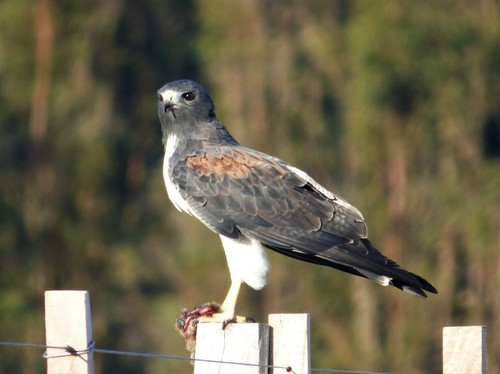
White-tailed Hawk
46-59 cm (18-23 in) long, 122-142 cm (48-56 in) wingspan