
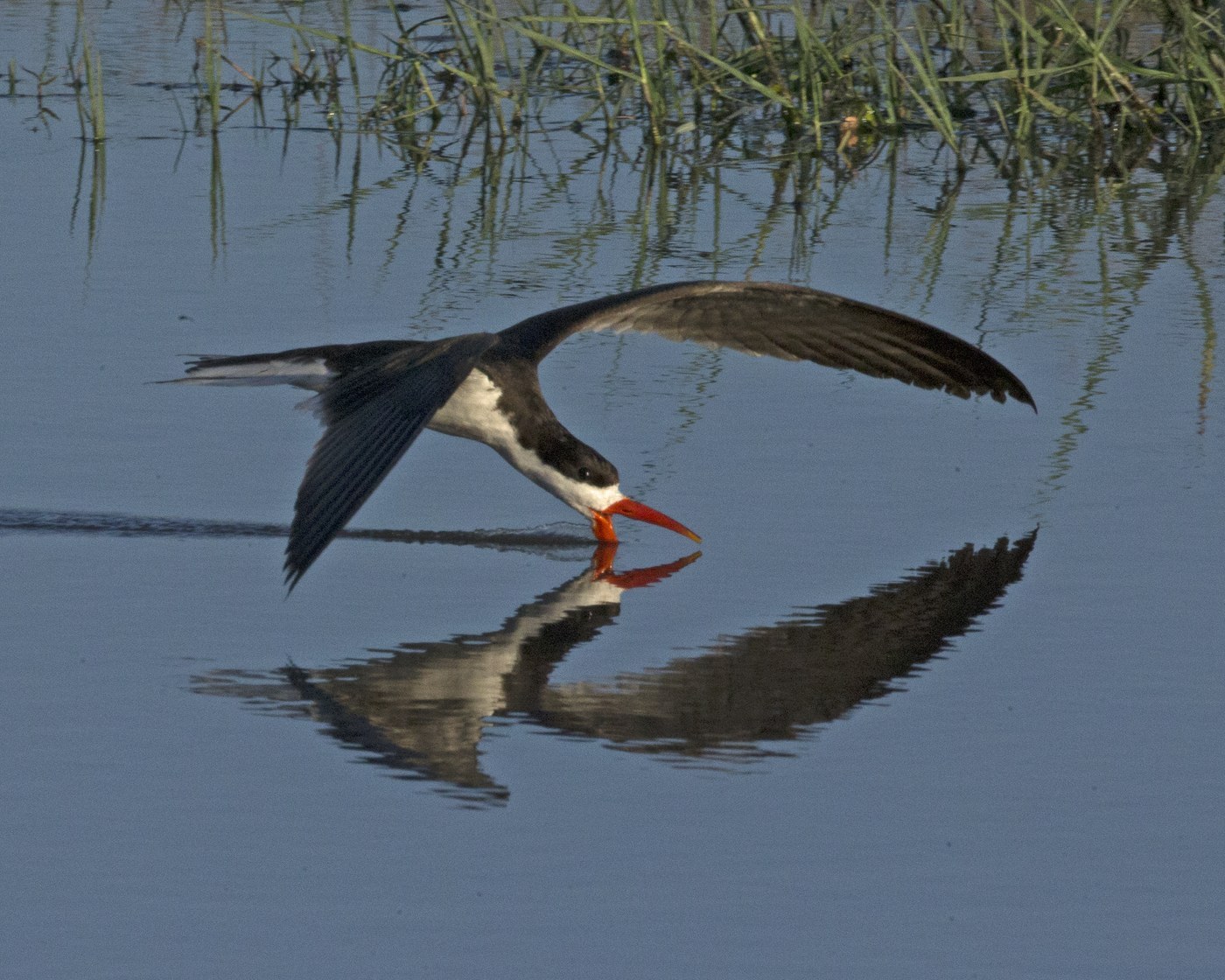
African Skimmer
Rynchops flavirostris
A slender riverine skimmer of sub-Saharan Africa with an orange-yellow, black-tipped bill, sharing the family's unique lower-mandible-skimming feeding technique.
- Size
- 36-42 cm (14-17 in) long, 106-116 cm wingspan
- Habitat
- large rivers, lakes, and sandbars in sub-Saharan Africa
- Type
- seabird
Spotted a bird like this?
Identify any bird from a photo, free.
Overview
The African Skimmer is the African representative of the small skimmer family, a group of birds defined by their extraordinary asymmetrical bills. It is a bird of large, undisturbed rivers and lakes rather than ocean coastlines.
Appearance
Adults show black upperparts, white underparts and forehead, and a distinctive bill that is orange-yellow with a black tip, slightly shorter and slimmer than the Black Skimmer's. The legs are short and orange-red.
How to identify it
Key field marks
- Orange-yellow bill with a black tip and elongated lower mandible
- Black upperparts, white underparts and forehead
- Short orange-red legs
- Slim build and pointed wings, with graceful low flight over water while foraging
Similar species
The African Skimmer is the only skimmer species found in mainland Africa, so range alone usually confirms identification; it differs from the Black Skimmer (Americas) and Indian Skimmer (South Asia) primarily by geography and subtle bill coloration.
Habitat & range
Habitat and range
African Skimmers are found along large, sandy-banked rivers, lakes, and wetlands across sub-Saharan Africa, from the Sahel south to parts of southern Africa, typically favoring undisturbed stretches of water with exposed sandbars. They are largely sedentary or make local seasonal movements tied to water levels and sandbar availability.
The species depends heavily on stable river systems with exposed sandbanks for breeding, making it sensitive to river regulation, damming, and disturbance.
Behavior & voice
Behavior
Like other skimmers, African Skimmers feed by flying low over calm water with the lower mandible cutting the surface, snapping the bill shut on contact with small fish. They often forage in the cooler hours of early morning and late afternoon.
Voice
The call is a sharp, tern-like "kip" or "keerp," given in flight, particularly when alarmed near nesting sandbars.
Nesting and breeding
African Skimmers nest colonially on exposed river sandbars and islands, timing breeding to coincide with seasonal low water levels when sandbars are exposed. They lay two to three eggs in a shallow scrape, and nests are vulnerable to sudden flooding as well as disturbance from river traffic and livestock.
Frequently asked questions
How is the African Skimmer different from the Black Skimmer?
They are similar in shape, but the African Skimmer has a slightly slimmer, orange-yellow black-tipped bill and is found only in sub-Saharan Africa, not the Americas.
Why is the African Skimmer Near Threatened?
It depends on stable river sandbars for nesting, which are increasingly disturbed or lost due to dam construction, altered river flows, and human activity.
Where do African Skimmers nest?
On exposed sandbars and islands within large rivers and lakes, timed to coincide with seasonal low water levels.
What do African Skimmers eat?
Small fish, caught by skimming the elongated lower bill through calm water in flight.
African Skimmer guides
In-depth guides for identifying, finding, and understanding African Skimmer.
Other birds you may enjoy
Peruvian Pelican
137-152 cm (54-60 in) long, up to 228 cm wingspan
Bonaparte's Gull
28-33 cm (11-13 in) long, 76-84 cm wingspan
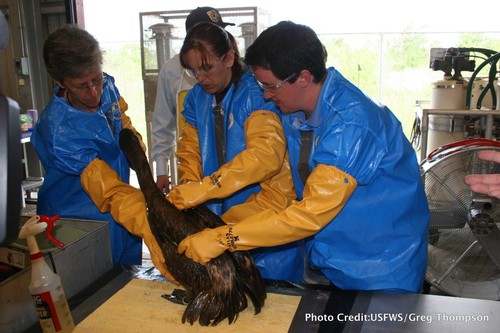
Brown Pelican
106-137 cm (42-54 in) long, 200-230 cm wingspan
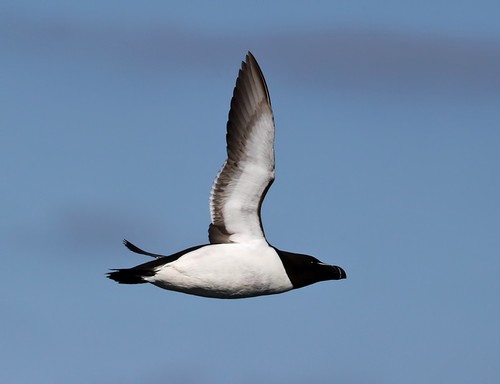
Razorbill
37-39 cm (15-15.5 in) long, 63-68 cm wingspan
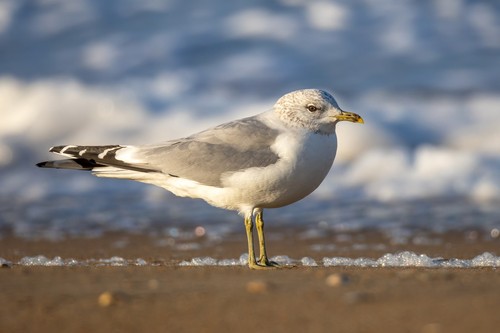
Common Gull
40-46 cm (16-18 in) long, 110-130 cm wingspan
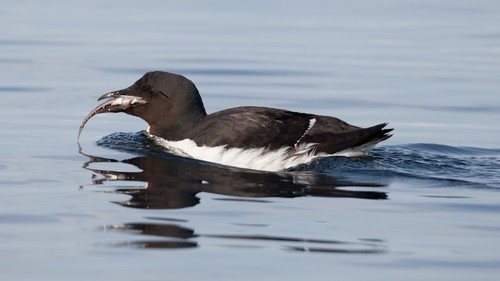
Thick-billed Murre
40-48 cm (16-19 in) long, 65-75 cm wingspan
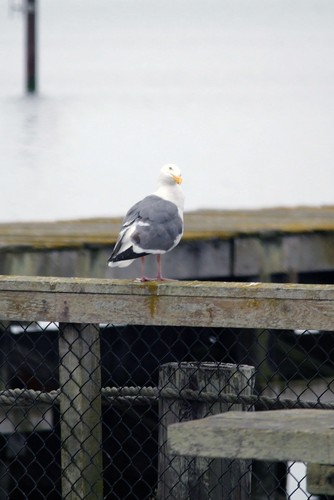
Western Gull
55-68 cm (22-27 in) long, 130-144 cm wingspan
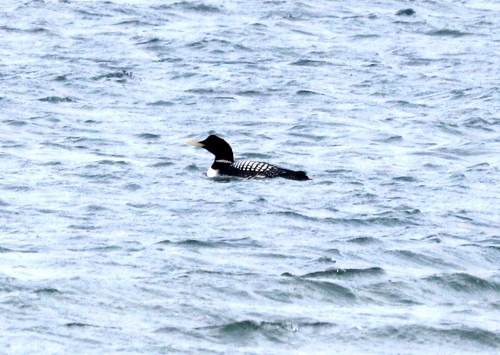
Yellow-billed Loon
76-97 cm (30-38 in) long, 135-152 cm wingspan
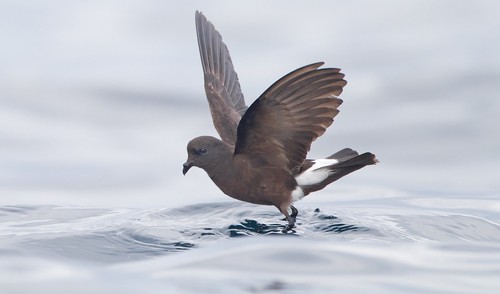
Wilson's Storm-Petrel
15-19 cm (6-7.5 in) long, wingspan 38-42 cm (15-16.5 in)
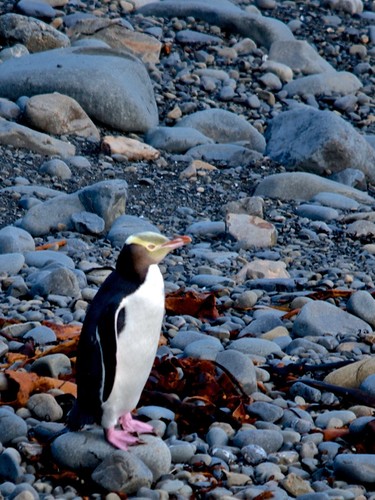
Yellow-eyed Penguin
62-79 cm (24-31 in) tall, 3-8.5 kg (6.6-18.7 lb)
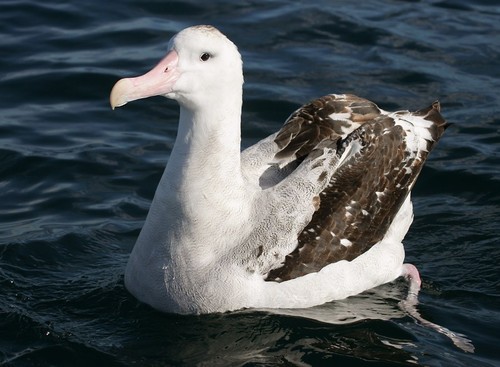
Wandering Albatross
107-135 cm (42-53 in) long, wingspan up to 3.5 m (11.5 ft)
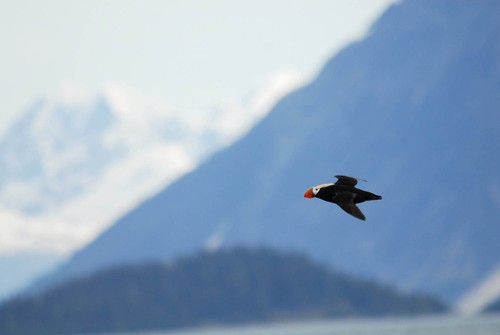
Tufted Puffin
35-41 cm (14-16 in) long, about 63-70 cm wingspan