
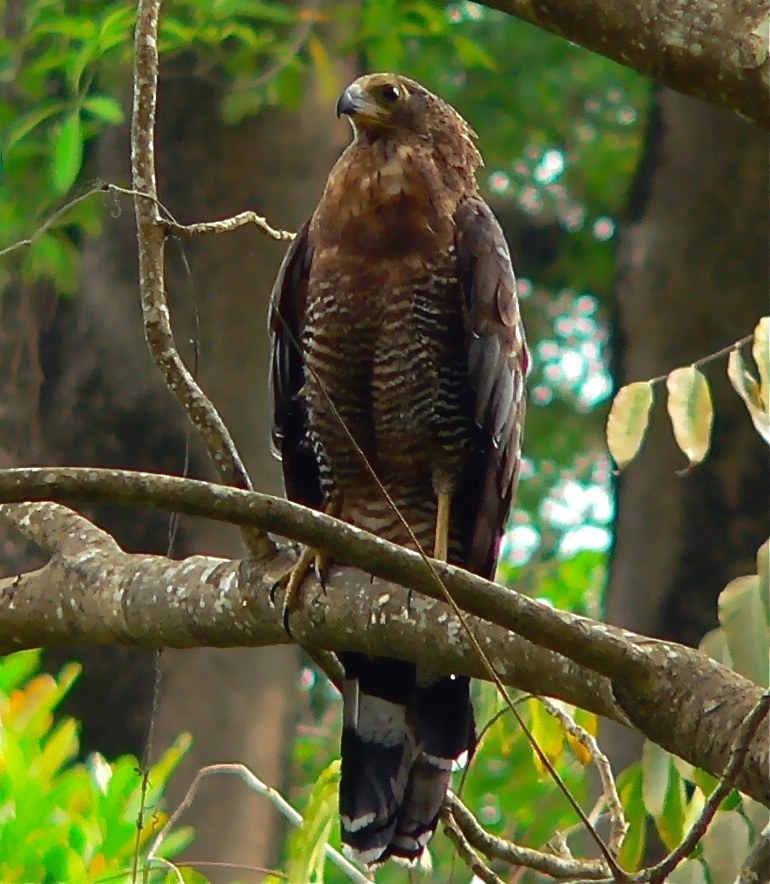
African Harrier-Hawk
Polyboroides typus
A grey African raptor famed for its unusually flexible, double-jointed legs, which let it reach deep into tree holes and weaver-bird nests to extract prey.
- Size
- 60–66 cm long; wingspan 1.3–1.55 m
- Habitat
- Woodland, forest edge, savanna with large trees, and cliffs
- Type
- raptor
Spotted a bird like this?
Identify any bird from a photo, free.
Overview
The African Harrier-Hawk, also widely known by its older name gymnogene, is a slender, long-legged grey raptor found across much of sub-Saharan Africa. Its body plumage is soft grey, with black flight feathers and a black tail crossed by a broad white band.
Its most distinctive feature is the bare, featherless skin of its face, which can flush between pale yellow and vivid orange-red depending on the bird's mood, particularly during feeding or courtship.
How to identify it
Key field marks
- Grey body with black flight feathers and a black tail bearing a single broad white band
- Bare, color-changing yellow-to-red facial skin — unique among African raptors
- Long, slim wings often held raised in a shallow V during slow, flapping flight
- Long, bare legs adapted for climbing and probing
Similar species
Its pale grey coloring can suggest a harrier or a pale morph of another raptor at a distance, but the bare, flushing facial skin and its distinctive climbing behavior around tree cavities and weaver colonies are diagnostic and shared by no other species in its range.
Habitat & range
Range
Widespread across sub-Saharan Africa, with a distinct subspecies also found in Madagascar.
Habitat
Occupies woodland, forest edge, savanna with large trees, riverine growth, and rocky cliffs, wherever it can find cavities, palm clusters, or colonial nests to raid.
Movement
Sedentary, generally remaining within a fixed home range throughout the year.
Behavior & voice
Behavior
The African Harrier-Hawk possesses an unusual double-jointed intertarsal joint that allows its legs to bend both forward and backward. This lets it reach deep into tree cavities, cliff crevices, and hanging weaver-bird nests to extract eggs, nestlings, and other prey that would be inaccessible to most raptors, while flapping for balance outside the opening.
Voice
Gives a shrill, whistled call, most often heard during display flight or disputes near nesting colonies it is raiding.
Feeding
Opportunistic, taking nestlings and eggs of colonial birds such as weavers, along with small reptiles, amphibians, insects, and the fruit of oil palms.
Nesting
Builds a stick nest high in a tall tree, usually laying one to three eggs; pairs display with slow, buoyant flight over their territory.
Frequently asked questions
Why does the African Harrier-Hawk's face change color?
Its bare facial skin can flush from pale yellow to vivid orange-red depending on its emotional state, a trait unique among African raptors, often most vivid during feeding or interactions with a mate.
What is special about the African Harrier-Hawk's legs?
It has a double-jointed intertarsal joint allowing its legs to bend both forward and backward, letting it reach deep into tree holes and hanging nests to extract prey.
What does the African Harrier-Hawk eat?
It mainly raids nests for eggs and nestlings, especially of colonial weaver birds, and also eats small vertebrates, insects, and palm fruit.
Is gymnogene the same bird as the African Harrier-Hawk?
Yes, gymnogene is an older common name still widely used for the African Harrier-Hawk, particularly in southern Africa.
Where does the African Harrier-Hawk live?
It is found across sub-Saharan Africa in woodland, forest edge, savanna with large trees, and rocky cliffs, with a separate subspecies in Madagascar.
African Harrier-Hawk guides
In-depth guides for identifying, finding, and understanding African Harrier-Hawk.
Other birds you may enjoy
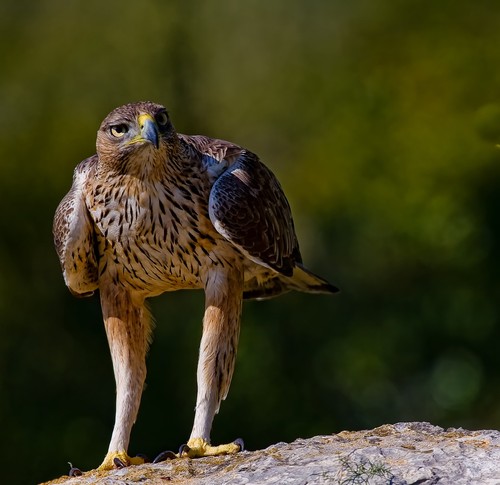
Bonelli's Eagle
Body 65–72 cm (26–28 in); wingspan 150–180 cm (59–71 in)
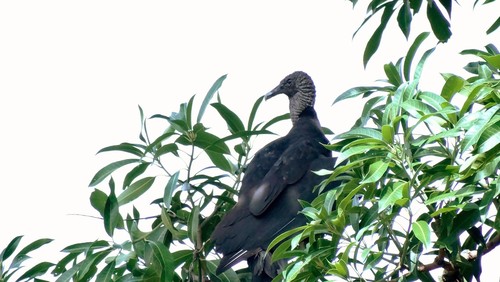
Black Vulture
56-68 cm (22-27 in) long, 137-165 cm wingspan
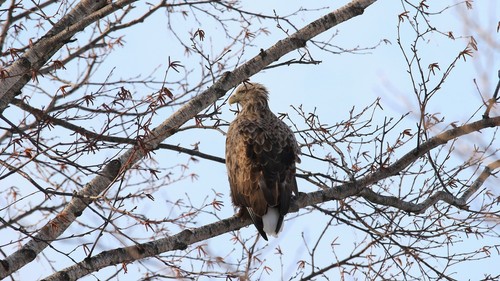
White-tailed Eagle
66-94 cm body length; wingspan 178-245 cm, among the largest eagles in the world
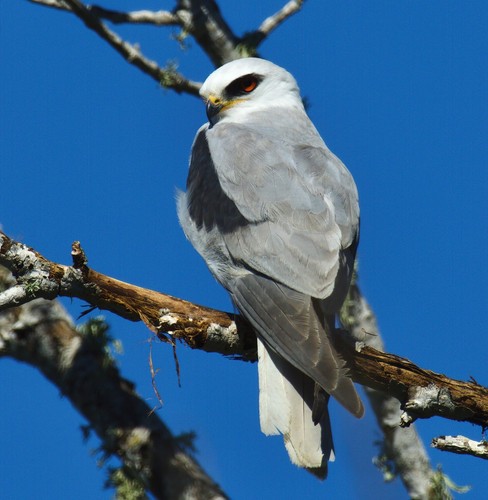
White-tailed Kite
35-43 cm (14-17 in) long, 88-102 cm (35-40 in) wingspan
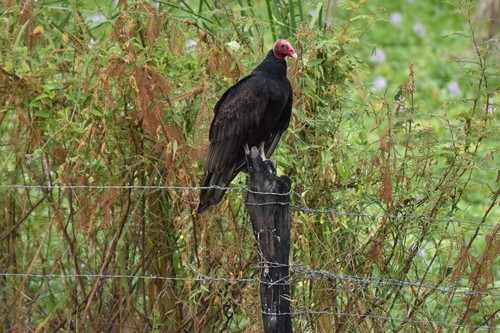
Turkey Vulture
64-81 cm (25-32 in) long, 160-183 cm wingspan
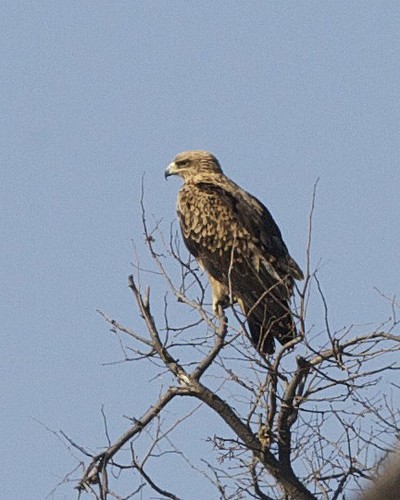
Tawny Eagle
62–75 cm long; wingspan 1.65–2.0 m
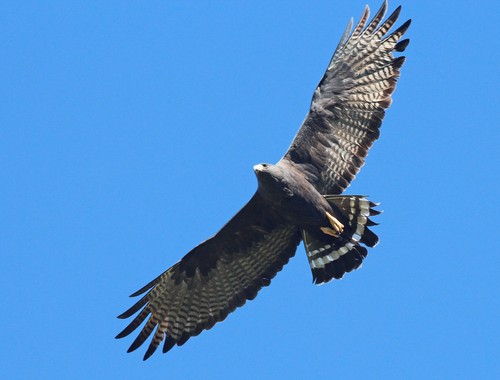
Zone-tailed Hawk
46-56 cm (18-22 in) long, 118-140 cm (46-55 in) wingspan
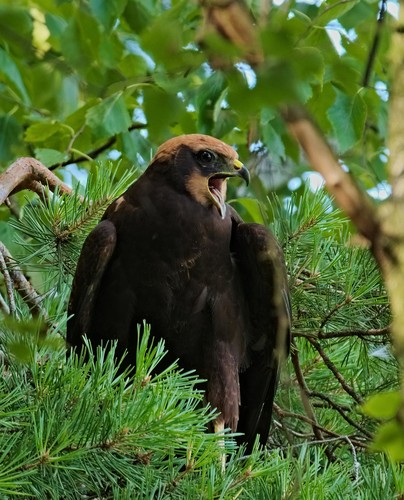
Western Marsh Harrier
Body 43-56 cm; wingspan 115-140 cm
Swallow-tailed Kite
48-68 cm (19-27 in) long including tail streamers, 112-136 cm (44-54 in) wingspan
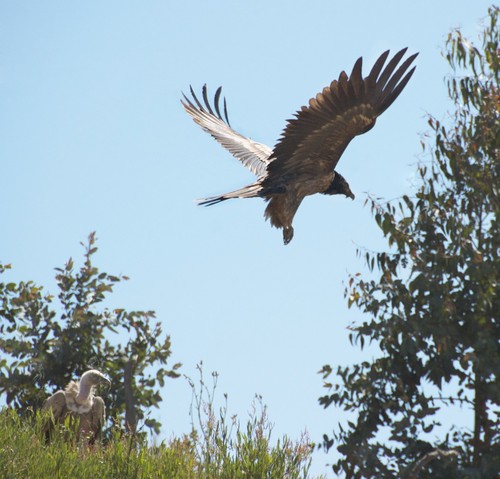
White-backed Vulture
78-98 cm long, wingspan 1.96-2.25 m
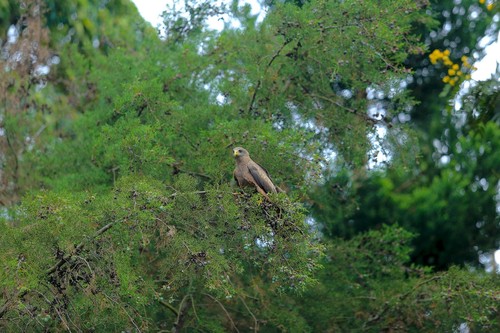
Yellow-billed Kite
55-60 cm long; wingspan 130-155 cm
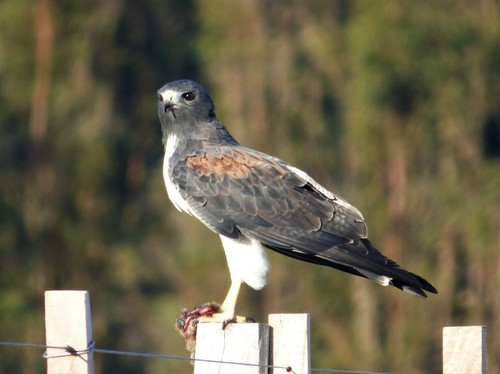
White-tailed Hawk
46-59 cm (18-23 in) long, 122-142 cm (48-56 in) wingspan