
Adelie Penguin
Pygoscelis adeliae
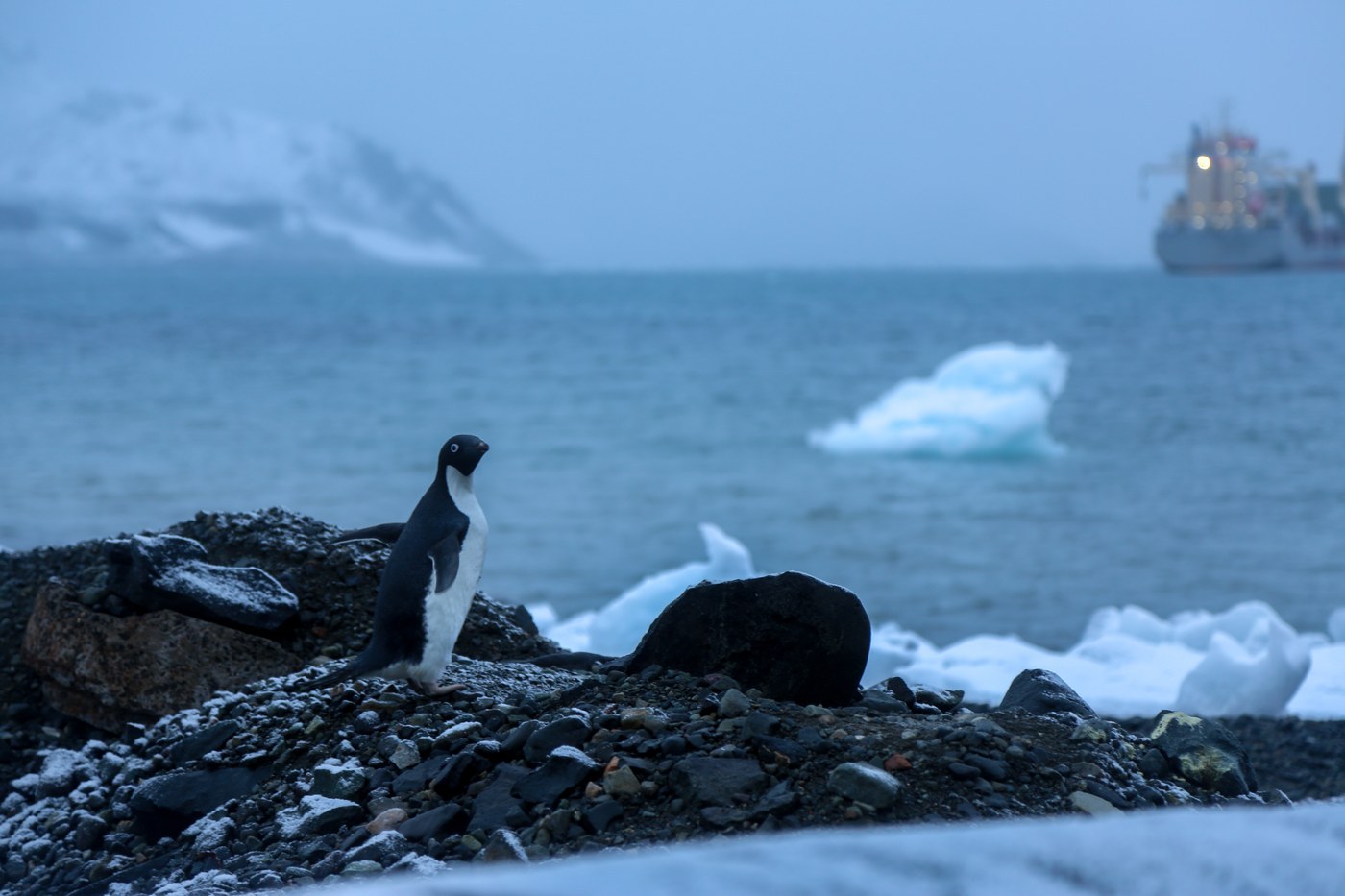
A classic tuxedo-patterned penguin of Antarctica, easily told by the bold white ring encircling each eye.
- Size
- 46-71 cm (18-28 in) tall, up to about 6 kg (13 lb)
- Habitat
- Antarctic coastlines and pack ice
- Type
- seabird
Spotted a bird like this?
Identify any bird from a photo, free.
Overview
The Adelie Penguin is a small to medium-sized, strikingly patterned penguin found only around the Antarctic continent and nearby islands. It has the archetypal black-and-white "tuxedo" penguin appearance, with a black head and back sharply set off from a clean white front, and a distinctive white eye-ring that gives it an alert, wide-eyed expression. Its bill is mostly black with a reddish base often partly hidden by feathers.
One of the most extensively studied penguin species, it is a true circumpolar Antarctic breeder, nesting farther south than almost any other bird and forming massive, densely packed colonies on ice-free rocky coastal ground each summer.
How to identify it
Key field marks
- Classic black head and back with clean white underparts
- Distinctive bold white ring around the eye
- Short, mostly black bill
- Medium size, smaller than Gentoo or Chinstrap Penguins
Similar species
- Chinstrap Penguin has a thin black line under the chin and a white face, unlike the Adelie's solid black head.
- Gentoo Penguin has a white patch above the eye and an orange-red bill, quite different from the Adelie's all-black head and bill.
Habitat & range
Habitat
Breeds on ice-free rocky ground along the Antarctic coastline, foraging in nearby pack ice and open ocean waters.
Range
Circumpolar around the entire Antarctic continent and nearby islands, breeding farther south than most other penguin species.
Migration
Disperses widely into pack ice zones during the non-breeding winter months, returning to established colonies each spring to breed.
Behavior & voice
Behavior
Breeds in large, densely packed colonies, often walking long distances or tobogganing on its belly across ice to reach nesting sites and open water.
Voice
Gives loud braying and trumpeting calls, particularly during courtship displays and territorial disputes within crowded colonies.
Feeding
Dives to catch krill, small fish, and crustaceans, often foraging in large groups near pack ice edges.
Nesting
Builds a simple nest of small stones on bare rocky ground; typically lays 2 eggs, with both parents sharing incubation and chick-rearing duties.
Frequently asked questions
How do you identify an Adelie Penguin?
Look for a medium-sized penguin with a solid black head, black back, white underparts, and a distinctive white ring around the eye.
Where do Adelie Penguins live?
They breed all around the Antarctic continent's coastline and on nearby islands, nesting farther south than nearly any other bird species.
What do Adelie Penguins eat?
Their diet consists mainly of krill, along with small fish and crustaceans caught while diving near sea ice.
Why do Adelie Penguins toboggan on ice?
Sliding on their bellies across ice and snow lets them travel efficiently over long distances between colonies and open water using less energy than walking.
Adelie Penguin guides
In-depth guides for identifying, finding, and understanding Adelie Penguin.
Other birds you may enjoy
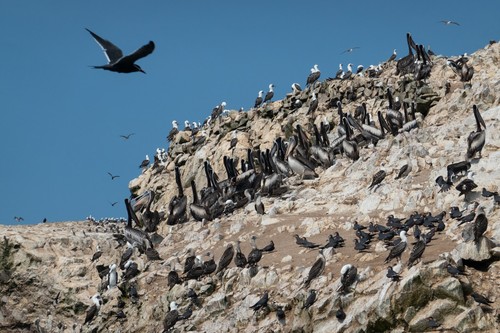
Peruvian Pelican
137-152 cm (54-60 in) long, up to 228 cm wingspan
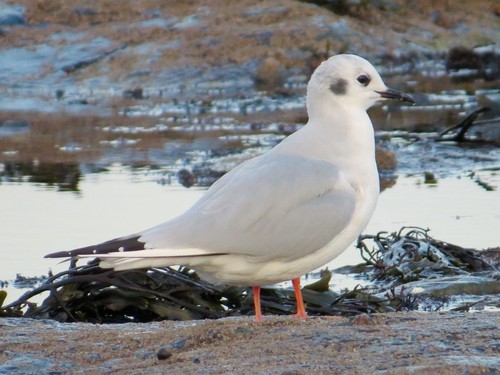
Bonaparte's Gull
28-33 cm (11-13 in) long, 76-84 cm wingspan
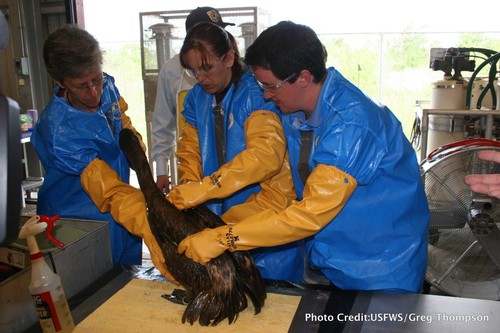
Brown Pelican
106-137 cm (42-54 in) long, 200-230 cm wingspan
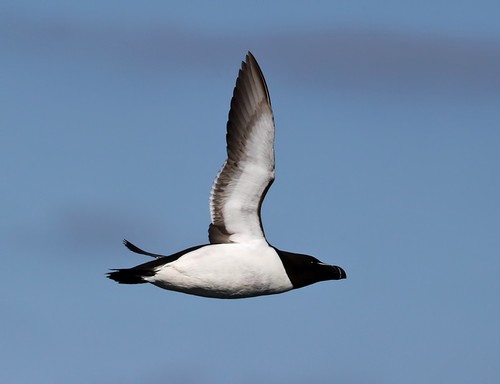
Razorbill
37-39 cm (15-15.5 in) long, 63-68 cm wingspan
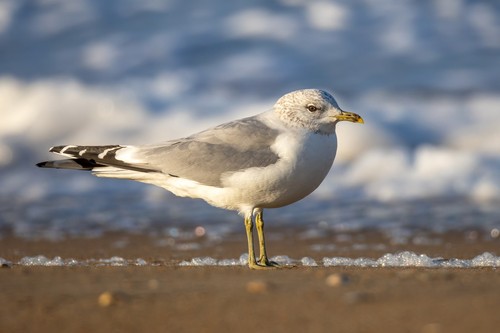
Common Gull
40-46 cm (16-18 in) long, 110-130 cm wingspan
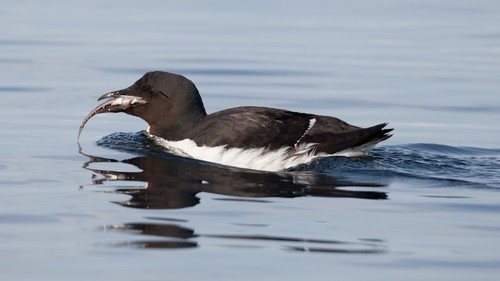
Thick-billed Murre
40-48 cm (16-19 in) long, 65-75 cm wingspan
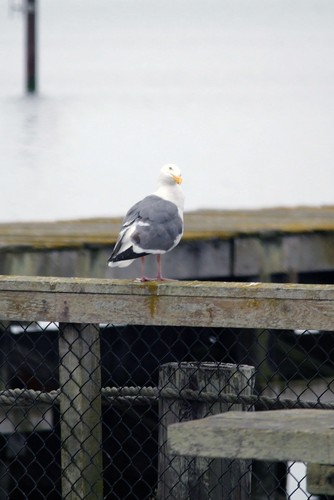
Western Gull
55-68 cm (22-27 in) long, 130-144 cm wingspan
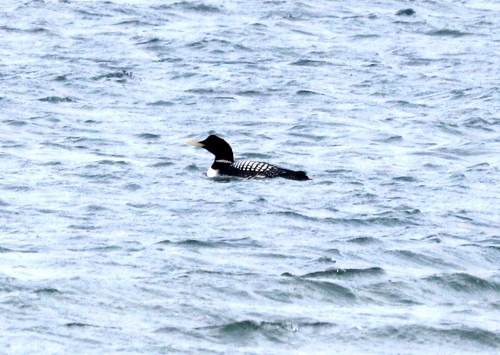
Yellow-billed Loon
76-97 cm (30-38 in) long, 135-152 cm wingspan
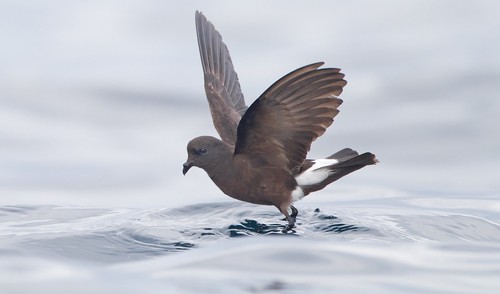
Wilson's Storm-Petrel
15-19 cm (6-7.5 in) long, wingspan 38-42 cm (15-16.5 in)
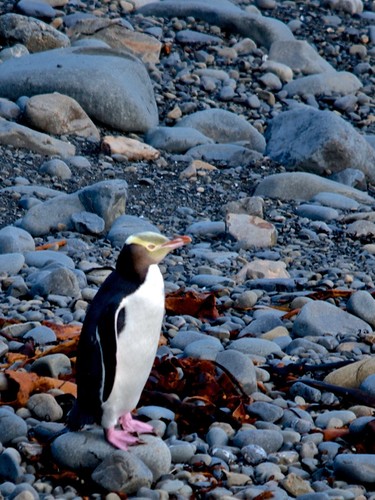
Yellow-eyed Penguin
62-79 cm (24-31 in) tall, 3-8.5 kg (6.6-18.7 lb)
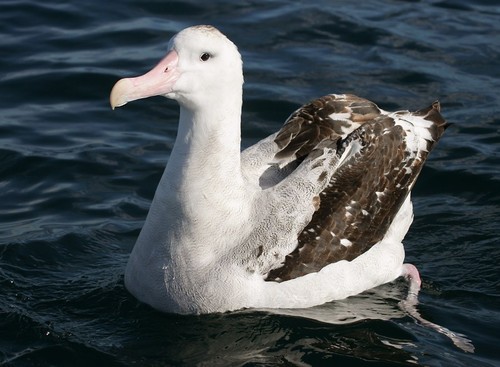
Wandering Albatross
107-135 cm (42-53 in) long, wingspan up to 3.5 m (11.5 ft)
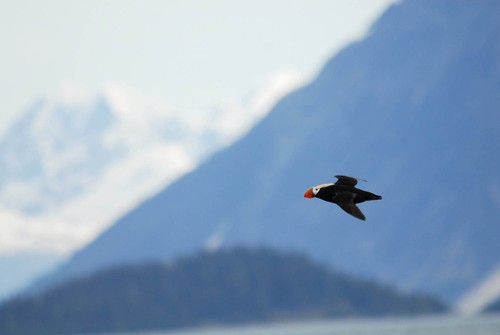
Tufted Puffin
35-41 cm (14-16 in) long, about 63-70 cm wingspan