
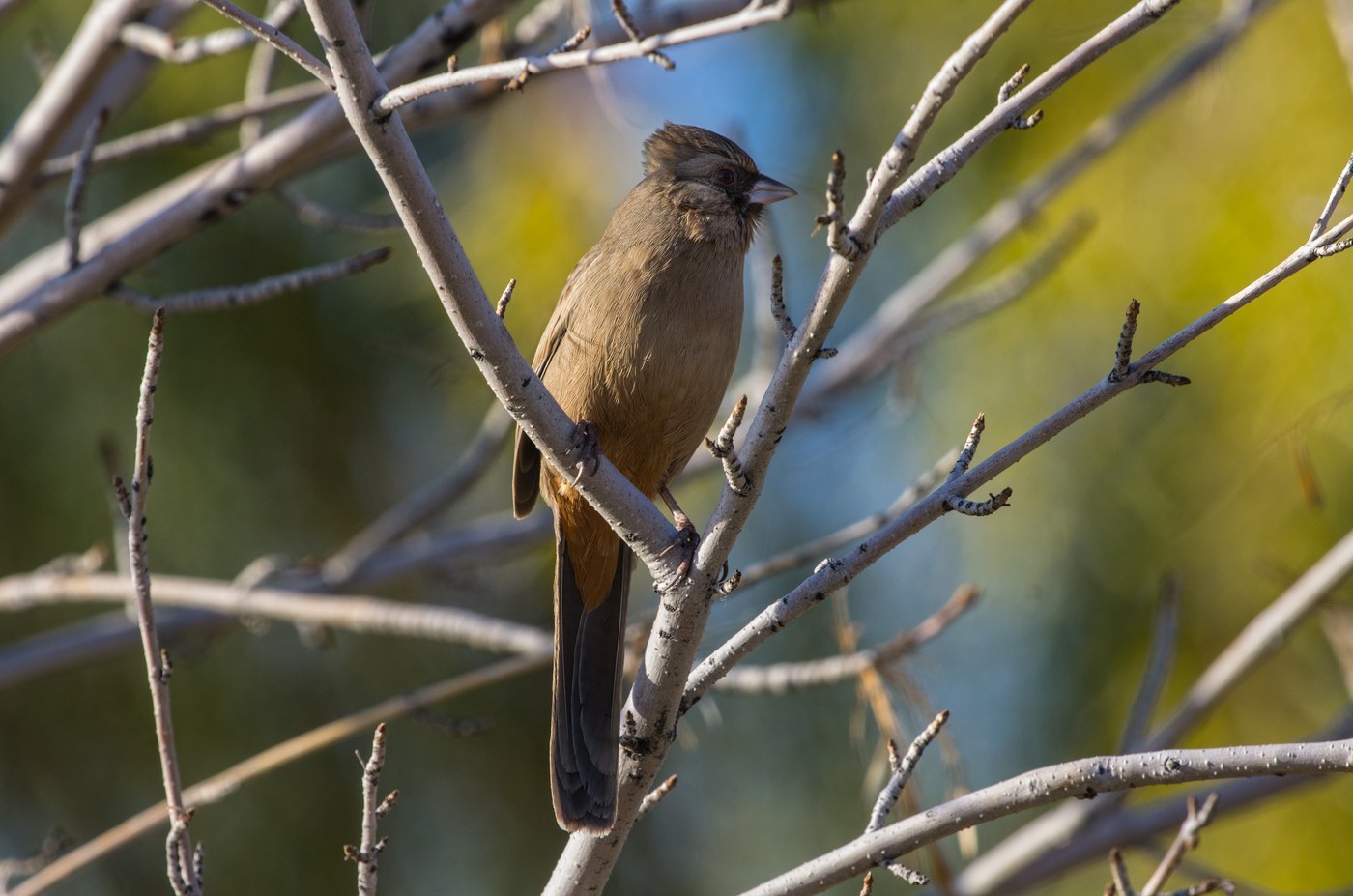
Abert's Towhee
Melozone aberti
A plain grayish-brown desert towhee with a black face mask, restricted to riparian corridors of the Sonoran Desert region.
- Size
- 21-24 cm (8.3-9.4 in) long, 28 cm wingspan
- Habitat
- dense mesquite and riparian thickets along desert washes and rivers of the arid Southwest
- Type
- songbird
Spotted a bird like this?
Identify any bird from a photo, free.
Overview
Abert's Towhee is a plain, medium-large sparrow relative of the desert Southwest, warm grayish-brown overall with a subtly buffier belly and rusty undertail, distinguished from other plain towhees by a neat black patch surrounding the base of the bill (a face mask). This mask, along with the species' restriction to dense riparian vegetation, sets it apart from the similarly drab California and Canyon Towhees.
The bird has a long tail and a stout, pale conical bill typical of the towhee group, and tends to stay low and well hidden within thick brush along desert waterways.
How to identify it
Key field marks
- Plain warm grayish-brown body with a buffier belly
- Black patch/mask around the base of the bill
- Rusty undertail coverts
- Long tail, often held cocked, and a pale conical bill
Similar species
- Canyon Towhee and California Towhee both lack the black facial mask that distinguishes Abert's Towhee, and generally favor drier, more open habitat rather than dense riparian thickets.
- No other towhee sharing its restricted Sonoran Desert riparian range shows the same black-masked face.
Habitat & range
Abert's Towhee is largely restricted to the Sonoran Desert region of Arizona, southeastern California, southern Nevada, and northwestern Mexico, where it depends heavily on dense mesquite bosques and other riparian thickets along desert rivers, streams, and washes, as well as adjacent suburban areas with dense landscaping.
The species is non-migratory and sedentary, and because it depends so closely on riparian vegetation, a habitat type that has been heavily reduced by water diversion and development across the Southwest, its distribution is patchier than that of the more widespread Canyon and California Towhees.
Behavior & voice
Abert's Towhees forage on the ground within dense cover, scratching through leaf litter and soil for insects and seeds, and are quite shy, generally staying hidden within thick vegetation rather than venturing into the open.
The call is a sharp, distinctive, ringing "peek" or "seek," often given repeatedly, and pairs may give duetting squeal notes similar to other Melozone towhees. Diet includes insects and seeds foraged from the ground. Nests are bulky cups built low in dense shrubs or small trees within riparian thickets, with typical clutches of two to four eggs.
Frequently asked questions
How do you identify an Abert's Towhee?
Look for a plain grayish-brown towhee with a distinctive black patch around the base of the bill, a rusty undertail, and a long tail, usually found skulking in dense desert riparian thickets.
Where do Abert's Towhees live?
They are largely restricted to the Sonoran Desert region of Arizona, southeastern California, southern Nevada, and northwestern Mexico, depending on dense mesquite and riparian vegetation along desert rivers and washes.
What is the difference between an Abert's Towhee and a Canyon Towhee?
Abert's Towhee has a distinct black mask around the base of the bill, which the Canyon Towhee lacks, and it favors dense riparian thickets rather than the drier, more open habitat preferred by Canyon Towhees.
What does an Abert's Towhee sound like?
A sharp, ringing 'peek' or 'seek' call, often repeated, along with squealing duet notes given by paired birds.
Why is Abert's Towhee considered vulnerable to habitat loss?
It depends closely on dense riparian vegetation along desert waterways, a habitat type significantly reduced across the Southwest by water diversion, groundwater depletion, and development.
Abert's Towhee guides
In-depth guides for identifying, finding, and understanding Abert's Towhee.
Other birds you may enjoy
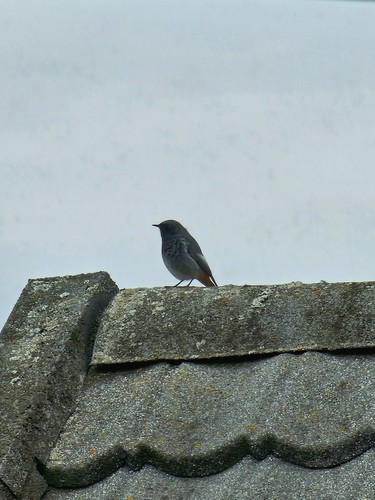
Black Redstart
13-14.5 cm (5.1-5.7 in) long, 23-26 cm wingspan
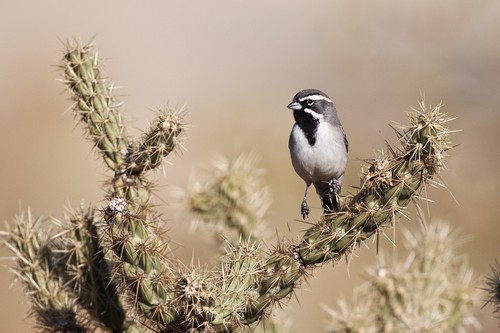
Black-throated Sparrow
12-14 cm (4.7-5.5 in) long, about 19-20 cm (7.5-8 in) wingspan
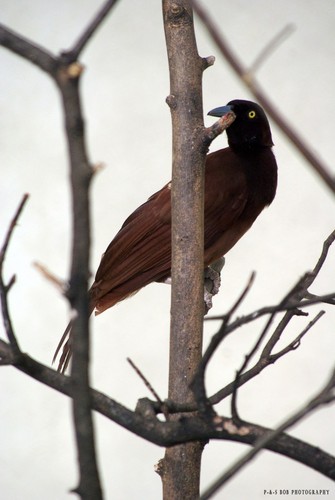
Greater Bird-of-paradise
Body about 43 cm; males with additional flank plumes up to 50 cm and long tail wires
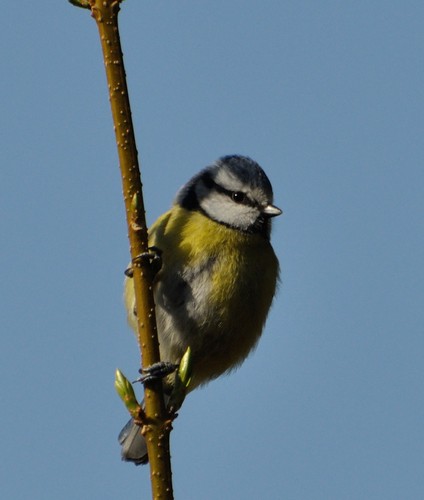
Blue Tit
11-12 cm (4.3-4.7 in) long, 17-20 cm wingspan
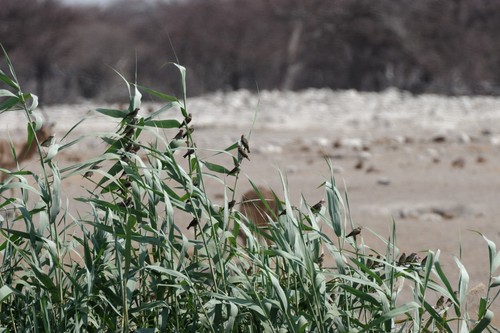
Red-billed Quelea
11.5–13 cm long, wingspan about 20–22 cm
White-plumed Antbird
13-14 cm (5-5.5 in) long
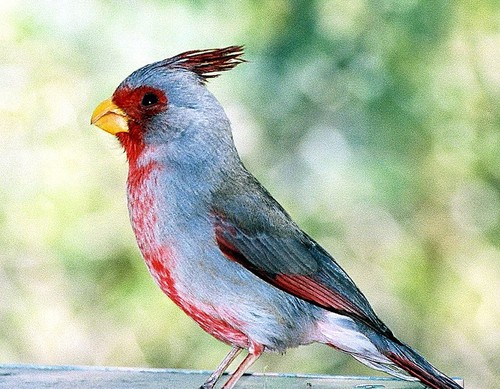
Pyrrhuloxia
19-22 cm (7.5-8.7 in) long, 30 cm wingspan
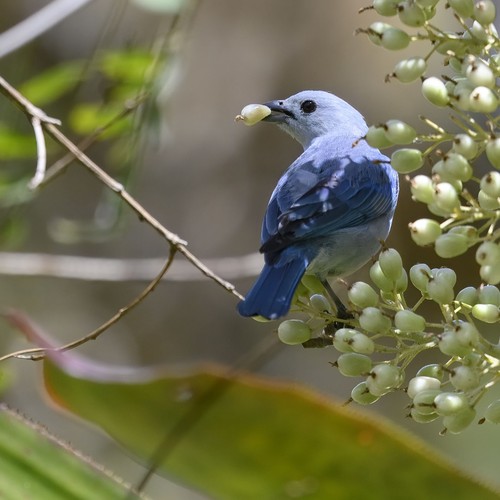
Blue-gray Tanager
16-18 cm (6-7 in) long
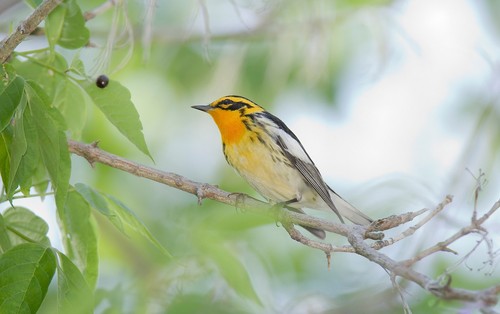
Blackburnian Warbler
11-13 cm (4.3-5.1 in) long, 20-22 cm wingspan
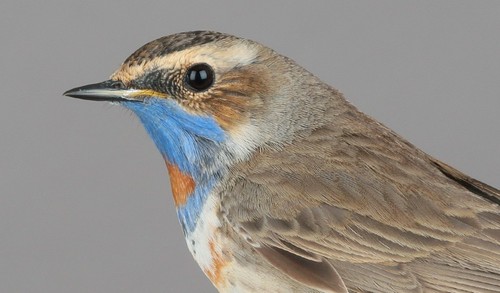
Bluethroat
13-14 cm (5.1-5.5 in) long, 20-22 cm wingspan
Eurasian Nuthatch
12-14.5 cm (4.7-5.7 in) long, 22.5-27 cm wingspan
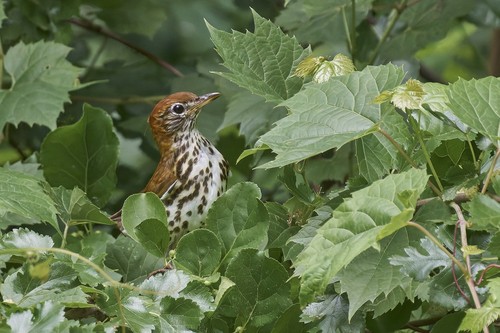
Wood Thrush
19-21 cm (7.5-8.3 in) long, about 33 cm (13 in) wingspan