
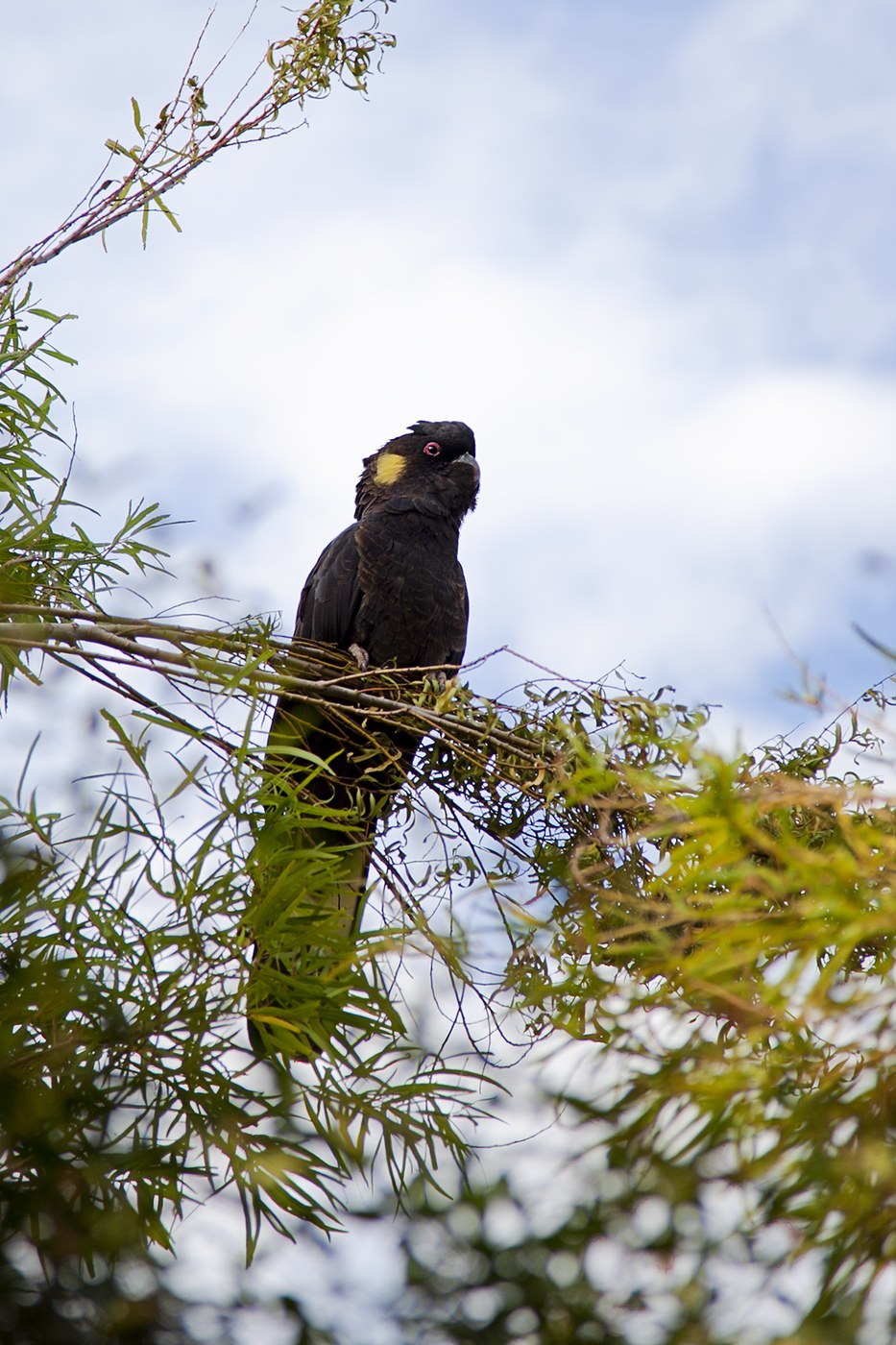
Yellow-tailed Black Cockatoo
Zanda funerea
A large, sooty-black cockatoo of southeastern Australia with bold yellow cheek patches and yellow tail panels, often heard calling before it is seen.
- Size
- 55-65 cm long; wingspan up to about 130 cm
- Habitat
- Eucalypt forest, woodland and pine plantations
- Type
- parrot
Spotted a bird like this?
Identify any bird from a photo, free.
Overview
The Yellow-tailed Black Cockatoo is one of Australia's largest cockatoos, cloaked in sooty blackish-brown plumage with each body feather finely edged in a lighter tone, giving a scalloped appearance. It has a prominent yellow patch on the ear coverts and broad yellow panels in the tail, barred with black.
Males and females differ: males have a dark bill and a pink-red eye-ring, while females have a whitish-grey bill, a grey eye-ring, and a paler, more heavily marked yellow ear patch.
How to identify it
Key field marks
- Very large, mostly blackish cockatoo
- Bright yellow ear patch on an otherwise dark head
- Yellow tail panels barred with black
- Slow, deep, floppy wingbeats in flight
Similar species
The Red-tailed Black Cockatoo (Calyptorhynchus banksii) shows red (not yellow) tail panels in males, and females have a spotted rather than solid ear patch and orange-barred tail. Range overlaps in parts of southeastern Australia, but tail and cheek color readily separate the two.
Habitat & range
Range
Found in southeastern Australia from southeastern Queensland through New South Wales, Victoria, southeastern South Australia, Tasmania and Kangaroo Island.
Habitat
Occupies eucalypt forest and woodland, coastal heath, and pine plantations, often seen in small flocks flying high overhead between feeding areas.
Movement
Mostly sedentary, though some populations move locally or altitudinally in response to food availability.
Behavior & voice
Voice
A far-carrying, drawn-out wailing call, often rendered as "kee-ow" or "wy-la," given in flight and used to keep flock members in contact; frequently heard well before the birds come into view.
Feeding
Feeds on seeds extracted from eucalypt gumnuts, banksia and hakea cones, and pine cones. Also excavates wood-boring beetle larvae from dead wood and tree trunks, leaving characteristic torn bark and wood shavings at the base of trees.
Breeding
Nests in large hollows in old-growth eucalypts, usually laying a single egg. Breeding is slow, with a long dependency period for the chick, and pairs often reuse favored nest trees over many years.
Frequently asked questions
How can you tell a Yellow-tailed Black Cockatoo apart from a Red-tailed Black Cockatoo?
The Yellow-tailed Black Cockatoo has yellow (not red) tail panels and a solid yellow cheek patch, while the Red-tailed Black Cockatoo's male has red tail panels and no cheek patch.
What does the Yellow-tailed Black Cockatoo eat?
Seeds from eucalypts, banksias, hakeas and pine cones, plus wood-boring grubs it extracts from dead wood.
What does a Yellow-tailed Black Cockatoo sound like?
A loud, drawn-out wailing 'kee-ow' call, often heard in flight before the bird is seen.
Where do Yellow-tailed Black Cockatoos live?
Southeastern Australia, from southeastern Queensland through New South Wales, Victoria, South Australia, Tasmania and Kangaroo Island.
Yellow-tailed Black Cockatoo guides
In-depth guides for identifying, finding, and understanding Yellow-tailed Black Cockatoo.
Other birds you may enjoy
Eclectus Parrot
35-42 cm (14-16.5 in) long
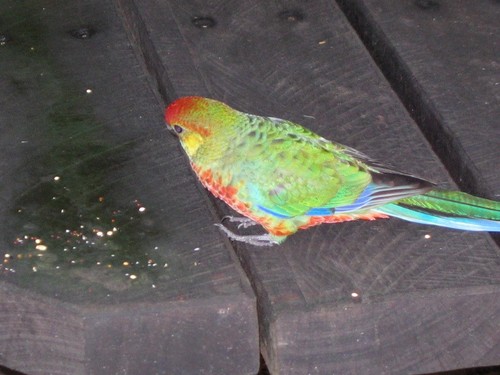
Western Rosella
25-30 cm (10-12 in) long
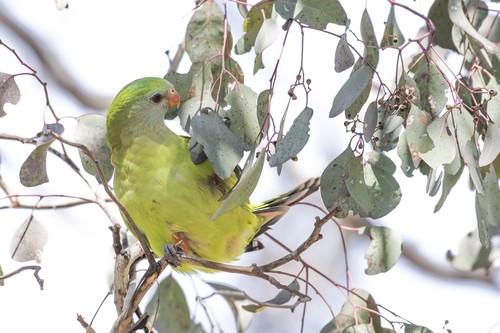
Superb Parrot
About 40 cm (16 in) long including a long tail
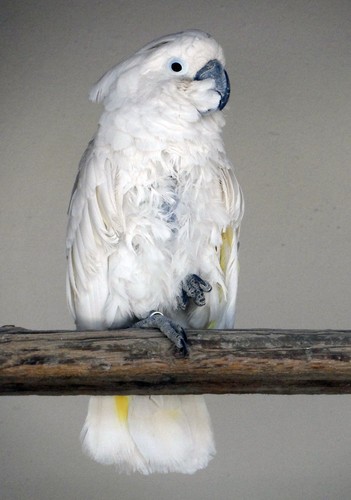
Umbrella Cockatoo
About 46 cm (18 in) long
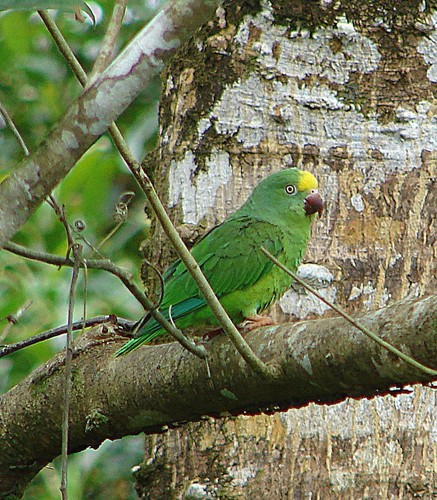
Yellow-crowned Amazon
About 35-38 cm (14-15 in) long
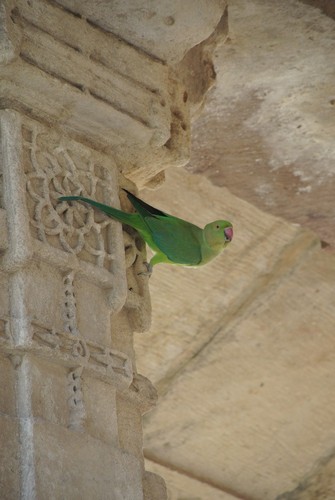
Rose-ringed Parakeet
40 cm (16 in) long including long tail
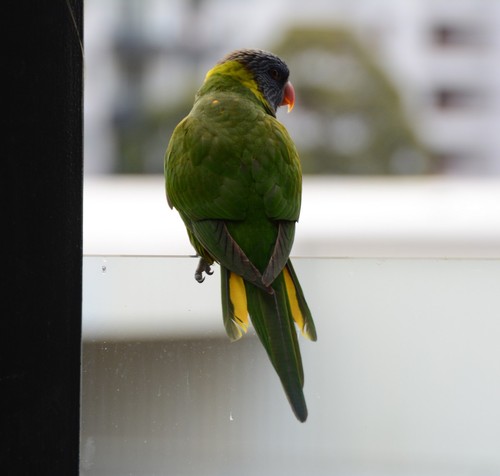
Rainbow Lorikeet
25-30 cm (10-12 in) long
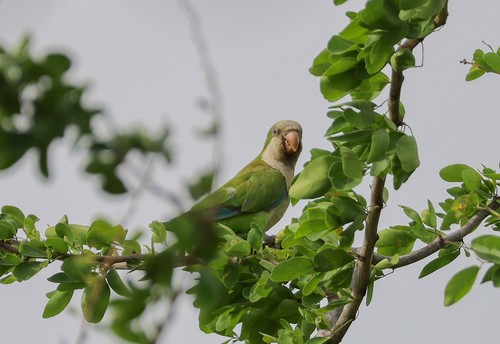
Quaker Parrot
28-31 cm (11-12 in) long
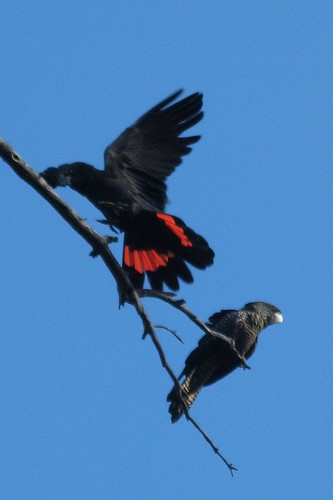
Red-tailed Black Cockatoo
55-65 cm long
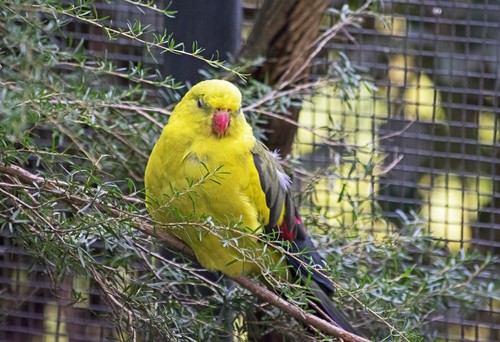
Regent Parrot
37-42 cm (15-17 in) long, including a long tail
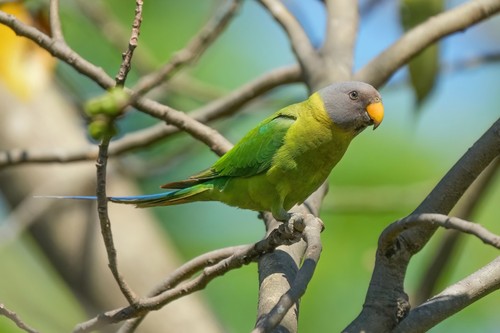
Plum-headed Parakeet
33 cm (13 in) long including tail
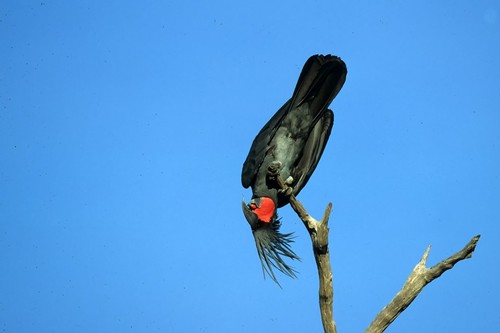
Palm Cockatoo
55–65 cm long; wingspan around 85 cm