
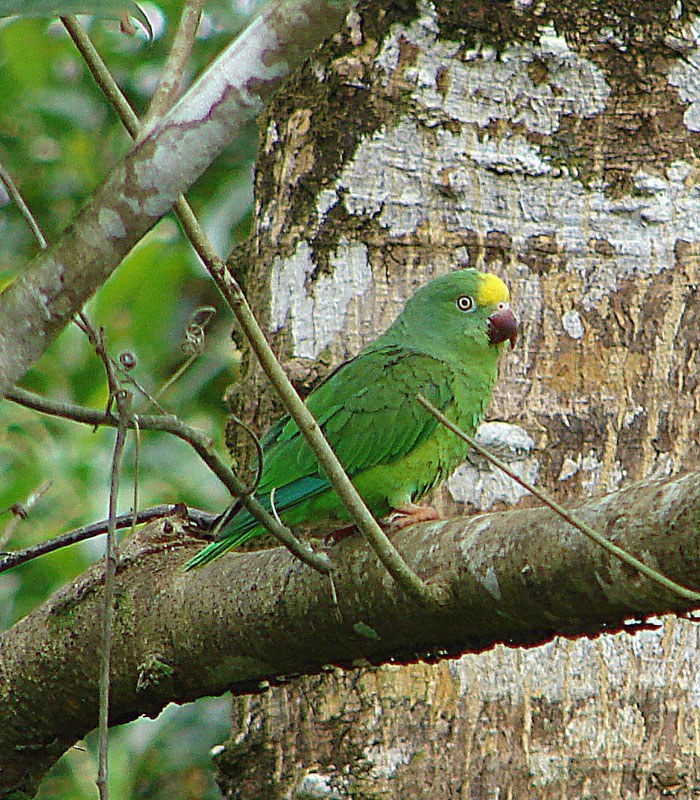
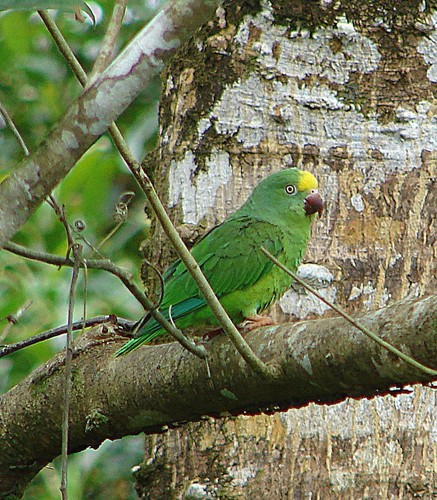
Yellow-crowned Amazon
Amazona ochrocephala
A mostly green Amazon parrot of northern South America with a small patch of yellow feathers on the crown.
- Size
- About 35-38 cm (14-15 in) long
- Habitat
- Lowland tropical forest, forest edge, savanna woodland, and mangroves in northern South America
- Type
- parrot
Spotted a bird like this?
Identify any bird from a photo, free.
Overview
The Yellow-crowned Amazon is a medium to large parrot native to northern South America. It is a member of the diverse Amazona genus and is named for the small yellow patch on the top of its head, which contrasts with its otherwise green plumage.
Appearance
- Body: predominantly bright green with darker feather edging giving a slightly scalloped look
- Crown: patch of yellow feathers on the forehead and crown, varying in extent between individuals
- Wing: red patch at the bend of the wing (alula), often with some blue in the flight feathers
- Tail: green with yellowish tips
- Bill: horn-colored to grayish
- Eyes: orange-red iris in adults, surrounded by a whitish bare eye-ring
Juveniles show little or no yellow on the crown, which develops with age.
How to identify it
Key field marks
- Overall green body with a distinct yellow crown patch
- Red patch at the bend of the wing
- Pale, unfeathered eye-ring
- Stocky build typical of Amazon parrots, with a short, square-cut tail
Similar species
- Yellow-headed Amazon (Amazona oratrix) and Yellow-naped Amazon (Amazona auropalliata), sometimes treated as subspecies of the same complex, show much more extensive yellow covering the head or nape rather than just a crown patch.
- Orange-winged Amazon has yellow and blue on the face rather than a solid yellow crown, plus an orange (not red) wing patch visible in flight.
- Mealy Amazon lacks any yellow on the head and appears paler, more grayish-green overall.
The limited yellow confined mostly to the crown, paired with a red (not orange) wing patch, helps separate this species from its closest relatives.
Habitat & range
Range
The Yellow-crowned Amazon is found across much of northern South America, including Venezuela, the Guianas, Colombia, and parts of the Amazon Basin, with some populations in Trinidad.
Habitat
It occupies a range of forested and semi-open habitats, including lowland tropical forest, forest edge, gallery forest, savanna woodland, and mangroves, generally favoring areas below 1,000 meters elevation.
Movements
The species is largely non-migratory, though flocks may shift locally to track seasonal fruit and seed availability across their home range.
Behavior & voice
Social behavior
Yellow-crowned Amazons are typically seen in pairs or small flocks, gathering in larger noisy groups at communal roost trees, especially in the evening.
Voice
Their calls include loud, raucous screeches and squawks, along with a variety of harsher and softer notes; like many Amazon parrots they are capable of mimicking sounds.
Feeding
They forage in the forest canopy and forest edge for fruits, seeds, nuts, flowers, and buds, using their strong bill to crack open hard seed coverings.
Nesting and breeding
Pairs nest in tree cavities, often reusing the same hollow in successive years, and typically lay two to three eggs. Both parents are involved in caring for the young until they fledge.
Frequently asked questions
What does a Yellow-crowned Amazon look like?
It is a mostly green parrot with a yellow patch on its crown, a red patch at the bend of the wing, and an orange-red eye.
Where is the Yellow-crowned Amazon found?
It occurs across northern South America, including Venezuela, the Guianas, Colombia, and parts of the Amazon Basin, in forest, forest edge, and savanna habitats.
How is the Yellow-crowned Amazon different from the Yellow-headed Amazon?
The Yellow-crowned Amazon has yellow limited mostly to the crown, while the Yellow-headed Amazon has yellow covering most or all of the head; they are closely related and sometimes considered part of the same species complex.
What does a Yellow-crowned Amazon eat?
It feeds primarily on fruits, seeds, nuts, flowers, and buds gathered in the forest canopy.
Is the Yellow-crowned Amazon endangered?
No, it is currently classified as Least Concern, though some local populations face pressure from habitat loss.
Yellow-crowned Amazon guides
In-depth guides for identifying, finding, and understanding Yellow-crowned Amazon.
Other birds you may enjoy
Eclectus Parrot
35-42 cm (14-16.5 in) long
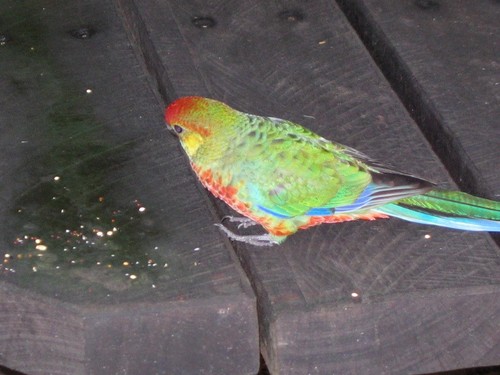
Western Rosella
25-30 cm (10-12 in) long
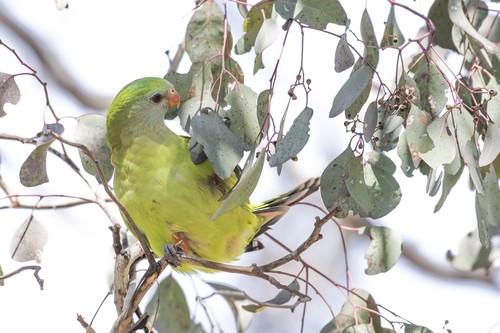
Superb Parrot
About 40 cm (16 in) long including a long tail
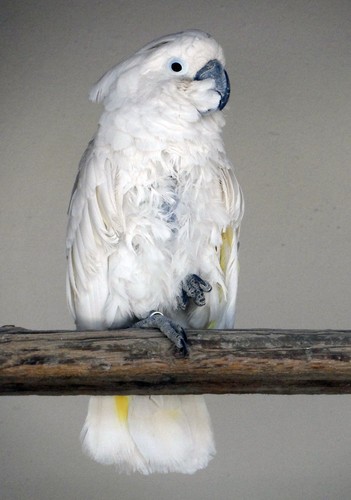
Umbrella Cockatoo
About 46 cm (18 in) long
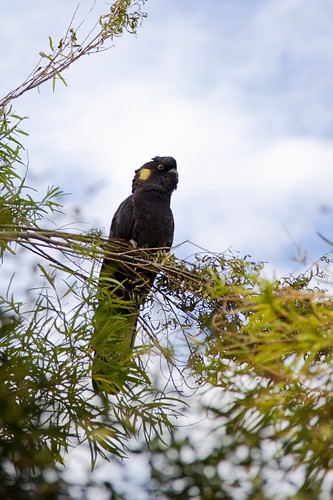
Yellow-tailed Black Cockatoo
55-65 cm long; wingspan up to about 130 cm
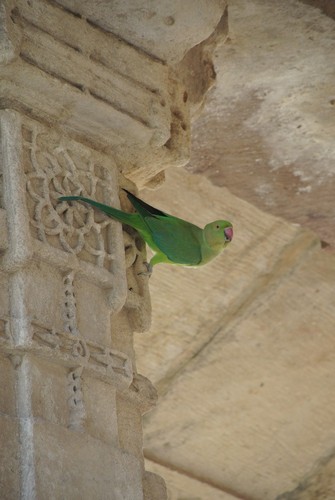
Rose-ringed Parakeet
40 cm (16 in) long including long tail
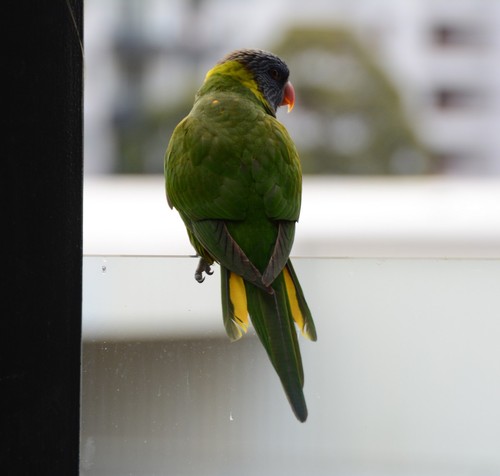
Rainbow Lorikeet
25-30 cm (10-12 in) long
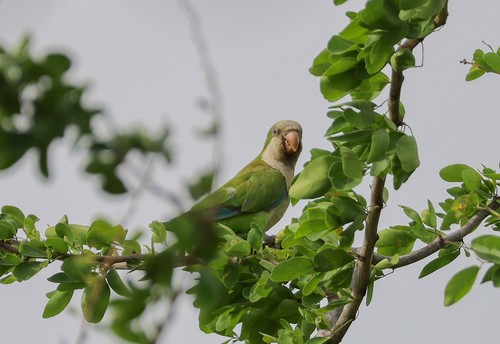
Quaker Parrot
28-31 cm (11-12 in) long
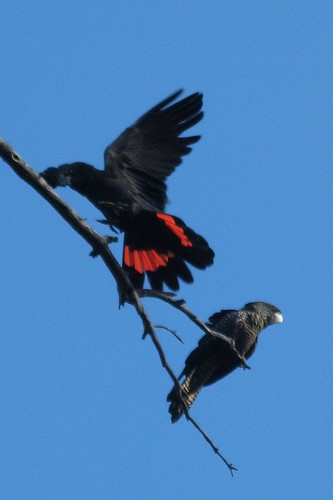
Red-tailed Black Cockatoo
55-65 cm long
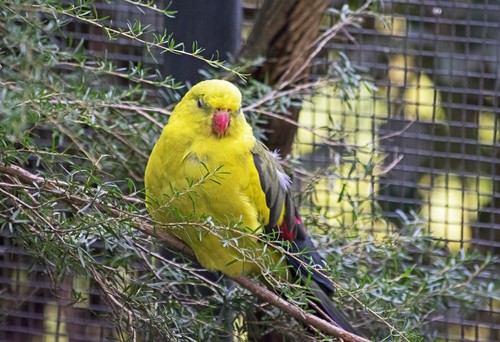
Regent Parrot
37-42 cm (15-17 in) long, including a long tail
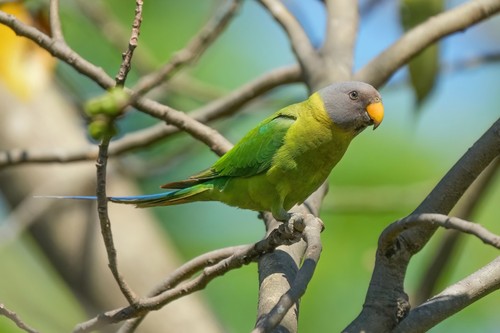
Plum-headed Parakeet
33 cm (13 in) long including tail
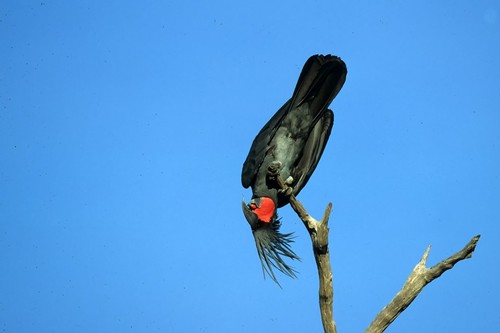
Palm Cockatoo
55–65 cm long; wingspan around 85 cm