
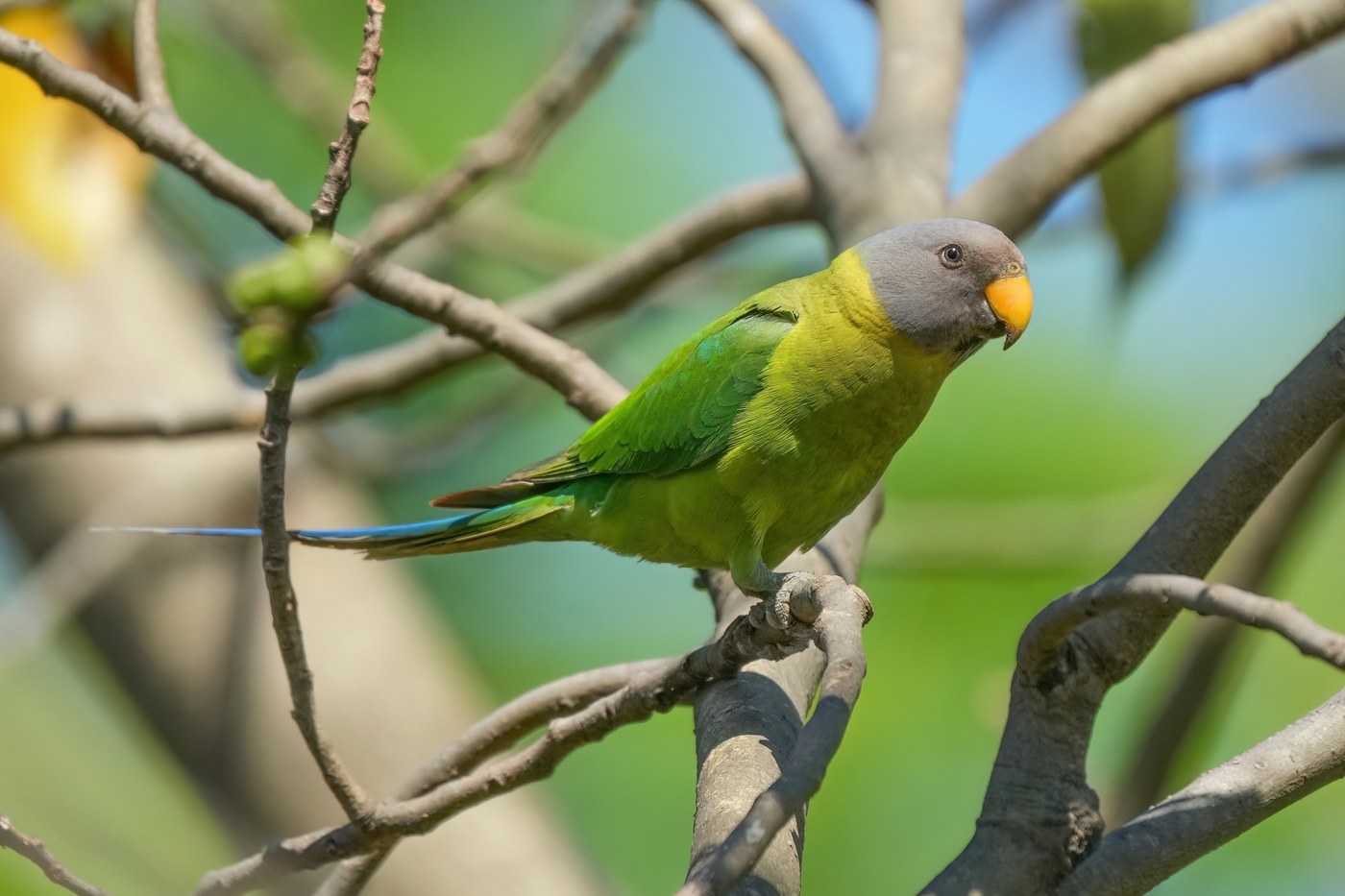
Plum-headed Parakeet
Psittacula cyanocephala
A slender green parakeet whose male sports a striking plum-purple head bordered with a thin black-and-blue neck ring.
- Size
- 33 cm (13 in) long including tail
- Habitat
- open deciduous forest, forest edge, farmland, and gardens across the Indian subcontinent
- Type
- parrot
Spotted a bird like this?
Identify any bird from a photo, free.
Overview
The Plum-headed Parakeet is a small, slender parrot of the Indian subcontinent, named for the adult male's rich plum-purple head, which contrasts with its otherwise green body. A narrow black chin stripe and a thin blue-black collar separate the colored head from the green neck and body, and a small dark patch marks the shoulder.
Females are quite different, with a soft grey-blue head lacking the purple wash, a yellow (rather than black) neck ring, and no chin stripe, making the sexes readily distinguishable — an unusual degree of plumage difference for parakeets of this genus.
How to identify it
Key field marks
- Small size, slim build, long pointed tail
- Male: plum-purple head, thin black chin stripe, blue-black neck collar, small dark red shoulder patch
- Female: grey-blue head (no purple), thin yellow neck ring, no chin stripe
- Yellow-tipped tail feathers visible in flight
Similar species
The Rose-ringed Parakeet is larger with a plain green head in both sexes and lacks any purple or grey head coloring. The Alexandrine Parakeet is much bigger with a maroon shoulder patch and a heavier bill.
Habitat & range
Plum-headed Parakeets are found across much of the Indian subcontinent, including India, Nepal, Bangladesh, and Sri Lanka, in open deciduous forest, forest edges, farmland, orchards, and gardens, generally in the plains and lower hills. They are largely resident, though local movements occur in response to fruiting and flowering trees.
Behavior & voice
Voice
Calls include a distinctive, rolling "toy-toy" or "tui-tui" whistled note, softer and more musical than the harsher screeches of larger parakeets.
Feeding
They feed on seeds, fruit, blossoms, nectar, and grain, foraging in small flocks in the canopy of fruiting or flowering trees and sometimes visiting crop fields.
Nesting and breeding
Plum-headed Parakeets nest in tree cavities, often old woodpecker holes or natural hollows, laying 4-5 eggs incubated mainly by the female. Both parents help feed the chicks, and pairs may reuse favored nest sites in successive seasons.
Frequently asked questions
How can you tell a male from a female Plum-headed Parakeet?
Males have a rich plum-purple head with a black chin stripe and blue-black collar, while females have a plain grey-blue head with a thin yellow neck ring and no chin stripe.
Where do Plum-headed Parakeets live?
They are found across the Indian subcontinent in open forest, farmland, orchards, and gardens.
What does a Plum-headed Parakeet sound like?
It gives a rolling, musical 'toy-toy' whistle that is softer than the harsher calls of larger parakeets.
What do Plum-headed Parakeets eat?
Seeds, fruit, nectar, blossoms, and grain, often foraging in small flocks in fruiting or flowering trees.
Plum-headed Parakeet guides
In-depth guides for identifying, finding, and understanding Plum-headed Parakeet.
Other birds you may enjoy
Eclectus Parrot
35-42 cm (14-16.5 in) long
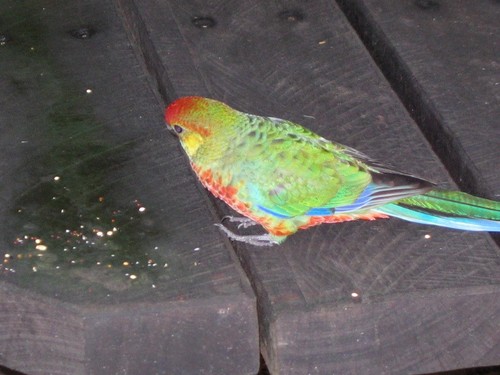
Western Rosella
25-30 cm (10-12 in) long
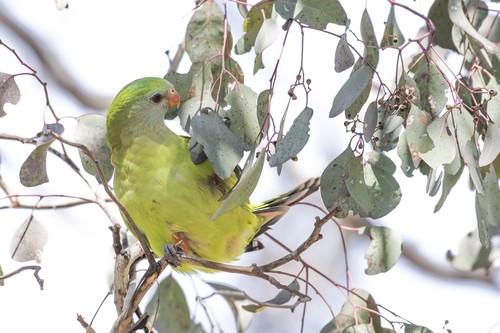
Superb Parrot
About 40 cm (16 in) long including a long tail
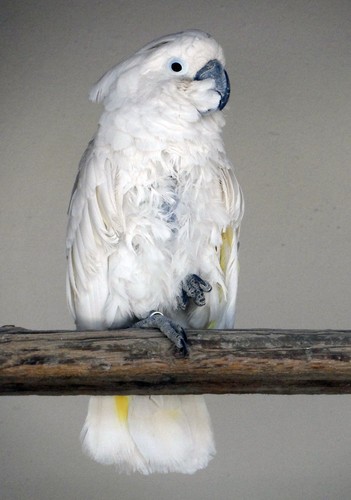
Umbrella Cockatoo
About 46 cm (18 in) long
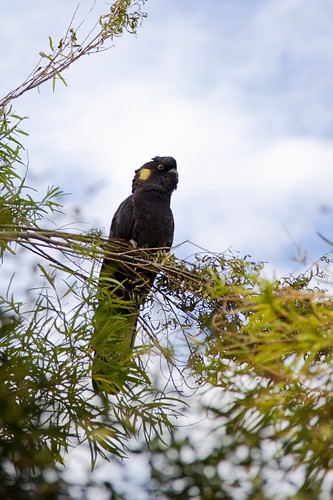
Yellow-tailed Black Cockatoo
55-65 cm long; wingspan up to about 130 cm
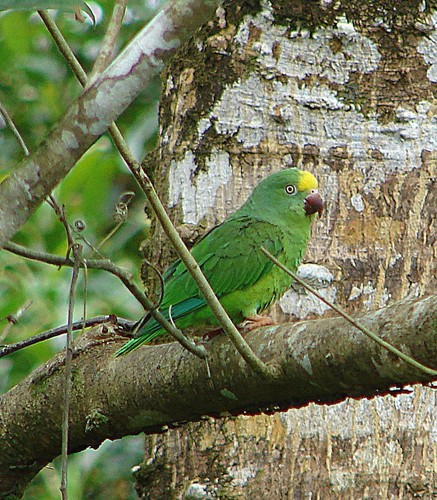
Yellow-crowned Amazon
About 35-38 cm (14-15 in) long
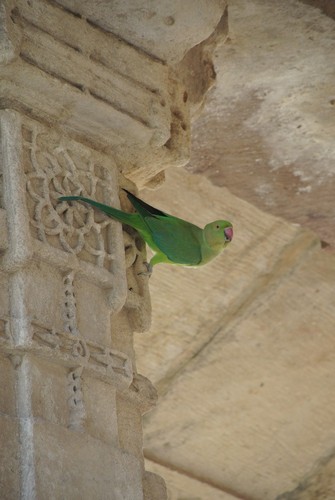
Rose-ringed Parakeet
40 cm (16 in) long including long tail
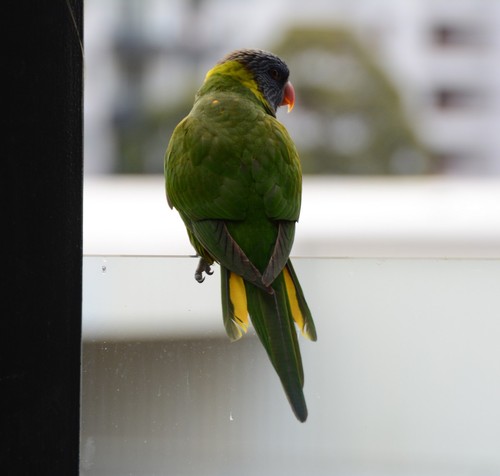
Rainbow Lorikeet
25-30 cm (10-12 in) long
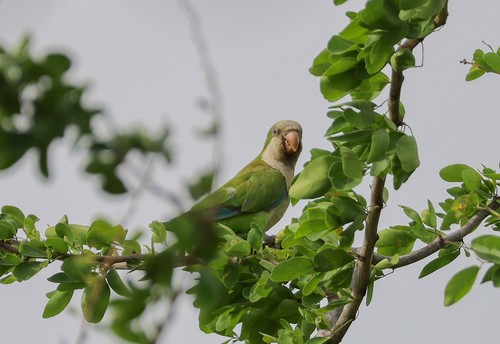
Quaker Parrot
28-31 cm (11-12 in) long
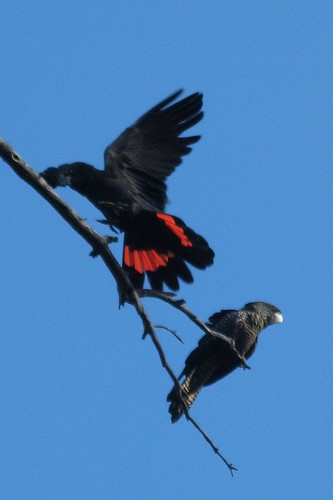
Red-tailed Black Cockatoo
55-65 cm long
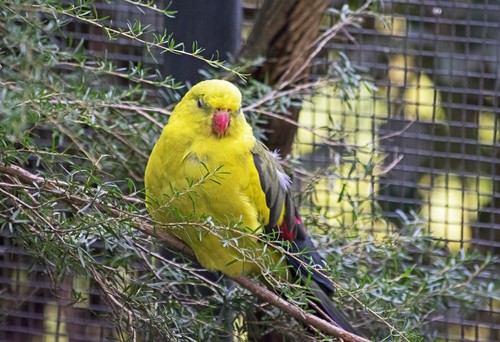
Regent Parrot
37-42 cm (15-17 in) long, including a long tail
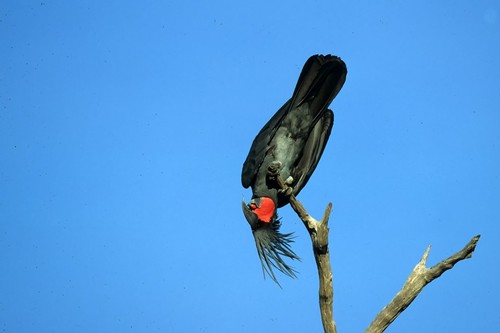
Palm Cockatoo
55–65 cm long; wingspan around 85 cm