
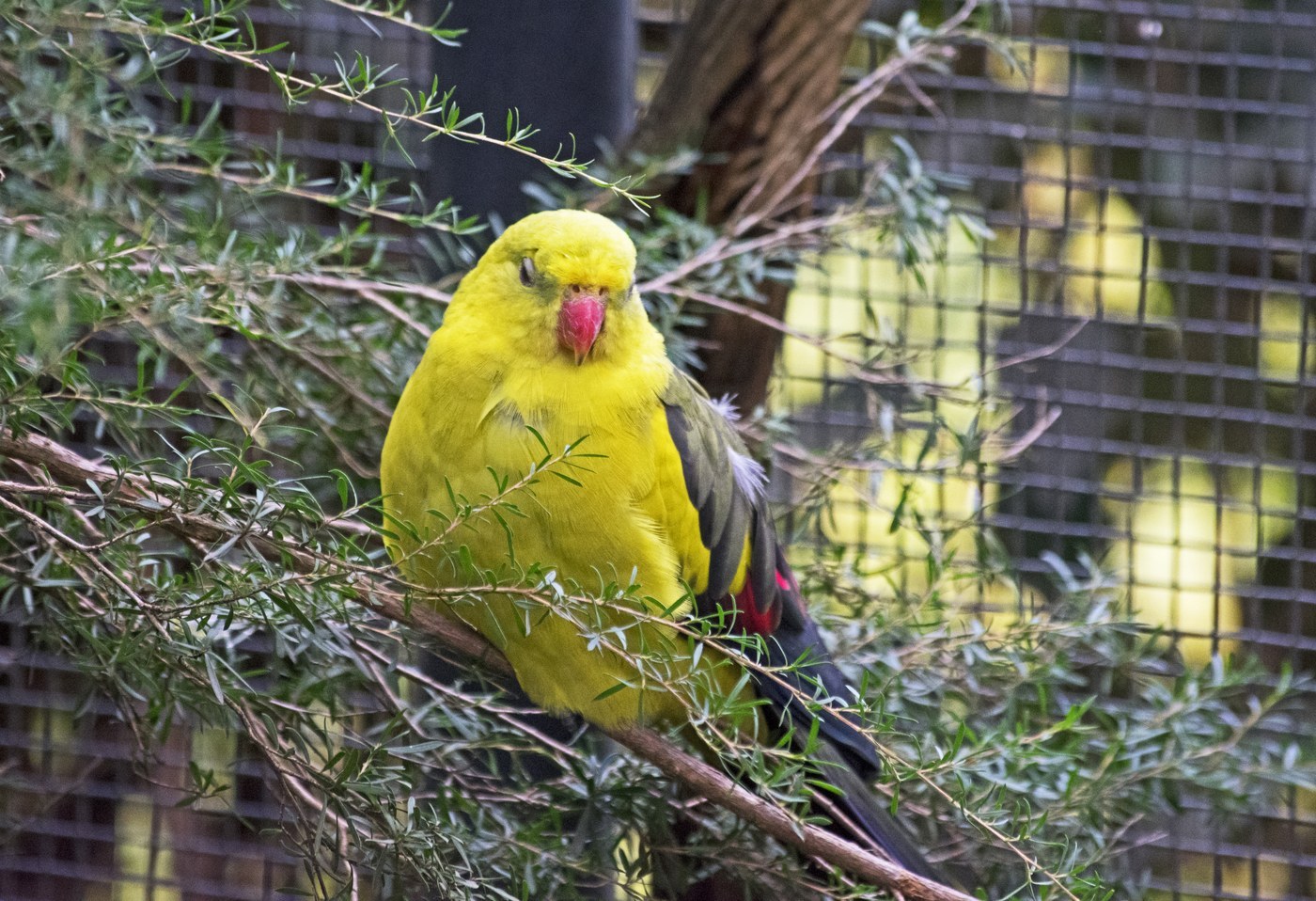
Regent Parrot
Polytelis anthopeplus
A slender, long-tailed yellow parrot of mallee and river red gum country, named for its rich golden plumage.
- Size
- 37-42 cm (15-17 in) long, including a long tail
- Habitat
- mallee woodland and river red gum forest in southwestern and southeastern Australia
- Type
- parrot
Spotted a bird like this?
Identify any bird from a photo, free.
Overview
The Regent Parrot is a slim, long-tailed parrot best known for the male's rich golden-yellow plumage set off by an olive-green back and a bright red band across the folded wing. Females and immature birds are considerably duller, mostly olive-green with only hints of yellow, making sexes easy to tell apart in good light.
Two geographically separated subspecies occur: a western population in the mallee and wheatbelt woodlands of southwestern Australia, and a smaller, more threatened eastern population associated with river red gum forests along the Murray River system.
How to identify it
Key field marks
- Long, tapering tail typical of the genus Polytelis
- Males: bright golden-yellow body with an olive-green back and a red wing band
- Females: duller olive-green overall with reduced yellow tones
- Slim, streamlined body shape in flight
Similar species
- Superb Parrot: another Polytelis species with green and yellow plumage, but males show a red throat crescent rather than an all-yellow body, and it favors different woodland habitat further east.
- Australian Ringneck: stockier body shape, yellow neck band rather than overall golden plumage.
Habitat & range
Habitat
Regent Parrots favor mallee woodland, wheatbelt remnants, and, in the eastern population, tall river red gum forest along major rivers, where they nest in large old trees.
Range
The species has two disjunct populations: one in southwestern Australia's wheatbelt and mallee country, and a smaller eastern population along the Murray River in Victoria, New South Wales, and South Australia.
Migration
Largely sedentary but locally nomadic, moving in response to seed and blossom availability, with some seasonal concentration near breeding rivers.
Behavior & voice
Behavior
Regent Parrots are often seen in pairs or flocks, flying with a fast, direct flight on relatively pointed wings, and feeding quietly on the ground beneath trees or in low vegetation.
Voice
Calls include a rolling, metallic "currack-currack" given in flight, along with softer chattering notes while feeding.
Feeding
Diet includes seeds of eucalypts, acacias, and grasses, blossoms, fruits, and sometimes spilled or cultivated grain near farmland.
Nesting and breeding
Nests are built in deep hollows of large old eucalypts, often river red gums near water. Clutches typically contain four to six white eggs, incubated mainly by the female, with young fledging around five weeks after hatching.
Frequently asked questions
What does a Regent Parrot look like?
Males are bright golden-yellow with an olive-green back and a red wing band; females are much duller and more olive-green overall.
Where do Regent Parrots live?
They occur in two separate populations: mallee and wheatbelt woodland in southwestern Australia, and river red gum forest along the Murray River in the southeast.
Is the Regent Parrot endangered?
The species overall is not globally threatened, but the smaller eastern population along the Murray River is considered threatened due to habitat loss.
What other names does the Regent Parrot have?
It has historically been called the Rock Pebbler and the Smoker Parrot.
Regent Parrot guides
In-depth guides for identifying, finding, and understanding Regent Parrot.
Other birds you may enjoy
Eclectus Parrot
35-42 cm (14-16.5 in) long
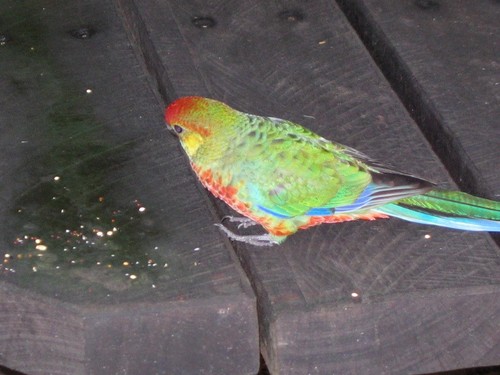
Western Rosella
25-30 cm (10-12 in) long
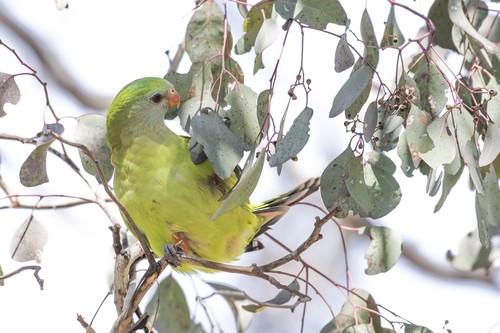
Superb Parrot
About 40 cm (16 in) long including a long tail
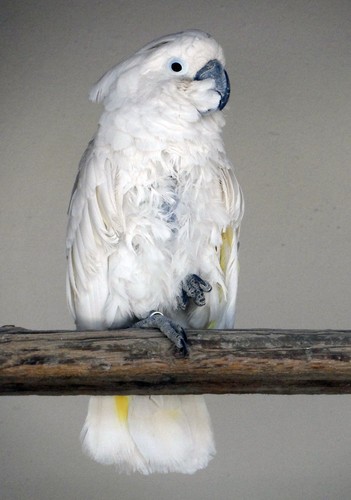
Umbrella Cockatoo
About 46 cm (18 in) long
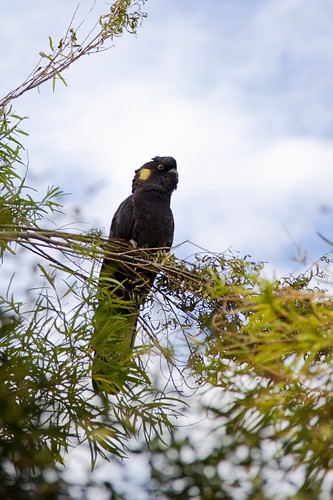
Yellow-tailed Black Cockatoo
55-65 cm long; wingspan up to about 130 cm
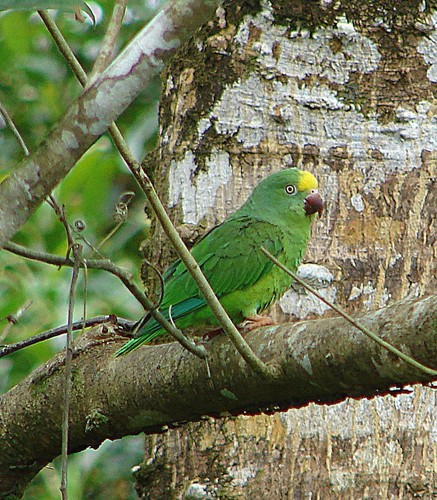
Yellow-crowned Amazon
About 35-38 cm (14-15 in) long
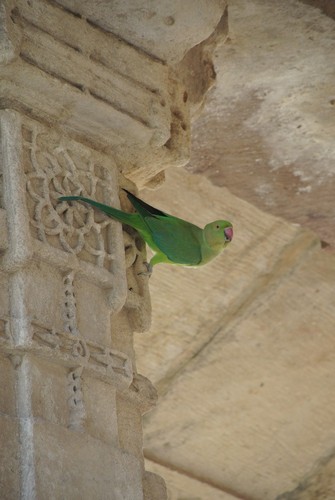
Rose-ringed Parakeet
40 cm (16 in) long including long tail
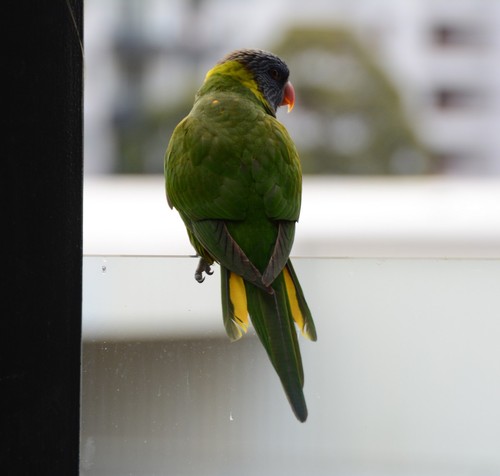
Rainbow Lorikeet
25-30 cm (10-12 in) long
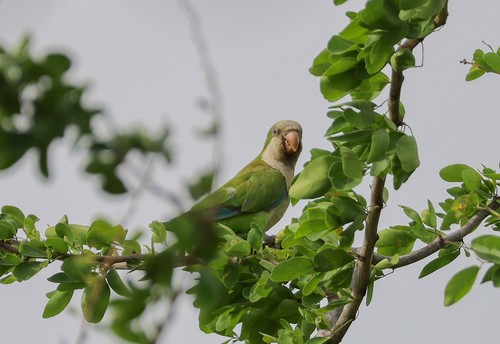
Quaker Parrot
28-31 cm (11-12 in) long
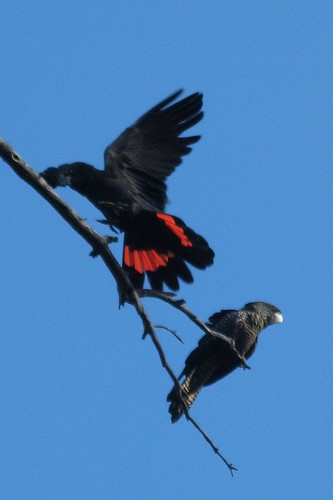
Red-tailed Black Cockatoo
55-65 cm long
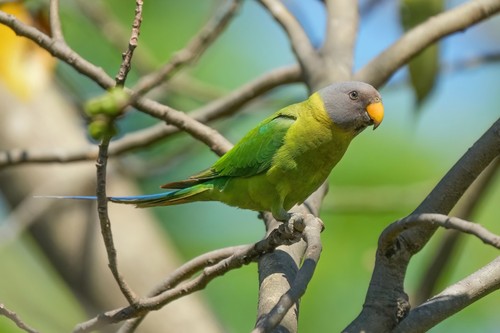
Plum-headed Parakeet
33 cm (13 in) long including tail
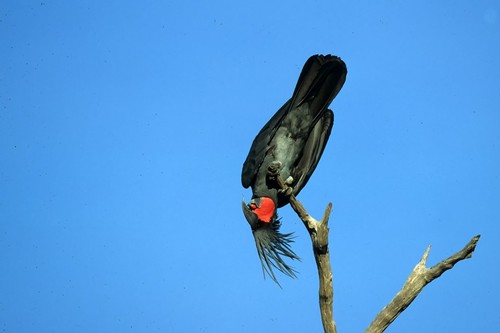
Palm Cockatoo
55–65 cm long; wingspan around 85 cm