
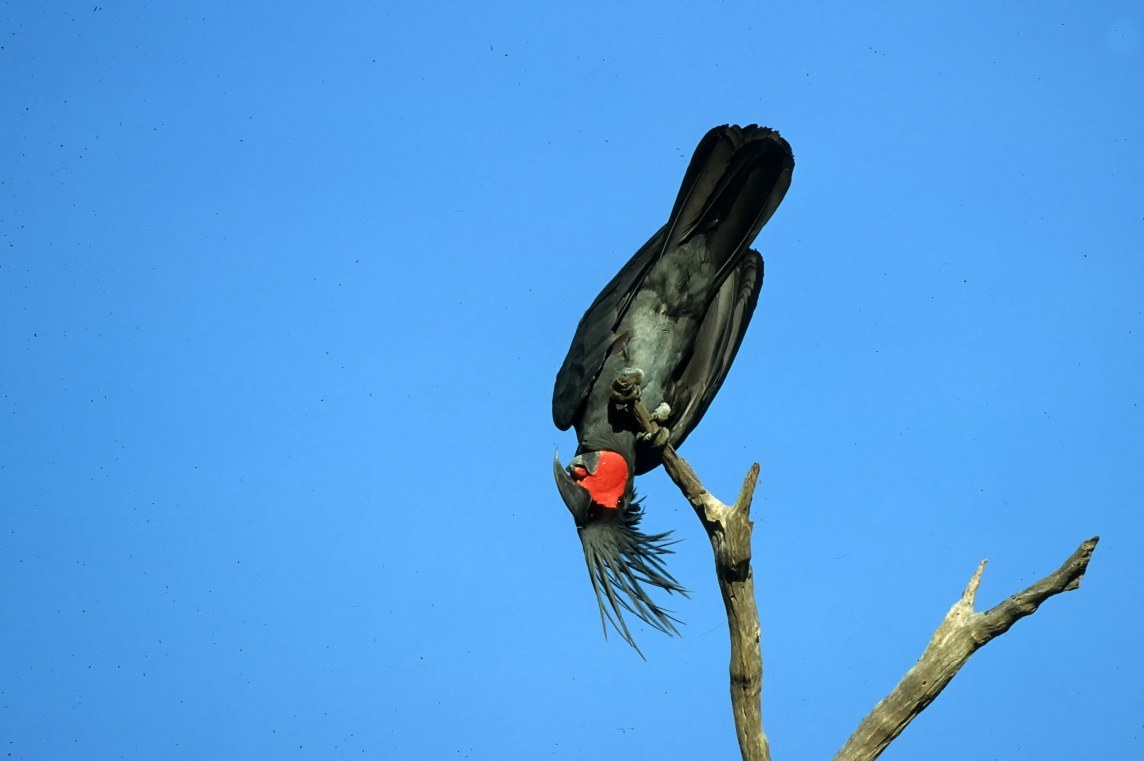
Palm Cockatoo
Probosciger aterrimus
A huge, sooty-black cockatoo with a wispy crest, bare red cheek patches, and a massive bill used to crack hard nuts.
- Size
- 55–65 cm long; wingspan around 85 cm
- Habitat
- Rainforest, monsoon forest, and eucalypt woodland edges
- Type
- parrot
Spotted a bird like this?
Identify any bird from a photo, free.
Overview
The Palm Cockatoo is one of the largest parrots in the world and among the most distinctive cockatoos, instantly recognizable by its all-black plumage, tall wispy crest, and enormous curved bill. Unlike the white and pink cockatoos familiar to many, this species is sooty grey-black all over with a slight scaly sheen to the feathers.
Appearance
- Large, long-tailed cockatoo with a loose, ragged crest that it can raise or flatten
- Bare, unfeathered cheek patches that flush from pale pink to deep red when the bird is excited
- Massive black bill, the largest of any cockatoo, with a narrow lower mandible adapted for extracting nut kernels
- Dark grey legs and feet used for manipulating food and, uniquely, tools
How to identify it
Key field marks
- Entirely dark grey-black plumage with no white, pink, or yellow feathering
- Bright red bare skin patches on the face that change color with mood
- Tall, thin, upright crest feathers unlike the broad rounded crests of other cockatoos
- Oversized bill, disproportionately large even for a cockatoo
Similar species
No other cockatoo shares this combination of all-black plumage and red facial skin. The Red-tailed Black Cockatoo and other black cockatoos of Australia have red or yellow tail panels and smaller bills, and lack the Palm Cockatoo's bare red cheeks and wispy crest.
Habitat & range
Range
Found in the rainforests of New Guinea and nearby islands, the Aru Islands, and the tip of Cape York Peninsula in northern Queensland, Australia, where it is the rarest cockatoo on the continent.
Habitat
Inhabits tall tropical rainforest, monsoon forest, and adjacent eucalypt woodland, usually staying close to forest with large hollow-bearing trees needed for nesting. It is largely sedentary, defending a home range year-round rather than migrating.
Behavior & voice
Behavior
Palm Cockatoos are famous for a remarkable display: males fashion a stick or seed pod into a drumstick-like tool and rhythmically beat it against a hollow tree trunk near the nest hollow, creating a percussive display believed to be one of the few examples of tool-made 'music' in the animal kingdom.
Voice
Calls include a loud, whistled 'chee-oo' or 'wee-loo' and a range of harsh, human-like whistles that carry through dense forest.
Feeding
Uses its powerful bill to crack extremely hard-shelled nuts such as canarium almonds and pandanus fruit, often holding food in one foot while feeding.
Nesting and breeding
Breeding is slow: pairs use large tree hollows, and a single egg is laid roughly every two years, with a long incubation and fledging period, making population recovery very slow after disturbance.
Frequently asked questions
Why does the Palm Cockatoo's face change color?
The bare red cheek patches fill with blood and brighten when the bird is excited, alarmed, or displaying, and pale when it is calm.
Is the Palm Cockatoo the only bird known to use a drumming tool?
It is one of the very few non-human animals documented to manufacture and use a tool to produce a rhythmic sound, drumming a shaped stick against a tree during courtship display.
Where can Palm Cockatoos be found in Australia?
They occur only on the Cape York Peninsula in far north Queensland, where they are considered endangered due to their small, slow-breeding population.
What does a Palm Cockatoo eat?
Mainly seeds, nuts, and fruit, using its massive bill to crack very hard-shelled nuts like canarium nuts and pandanus.
How is the Palm Cockatoo different from other black cockatoos?
It lacks any colored tail panels, has bare red facial skin, a wispy upright crest, and the largest bill of any cockatoo species.
Palm Cockatoo guides
In-depth guides for identifying, finding, and understanding Palm Cockatoo.
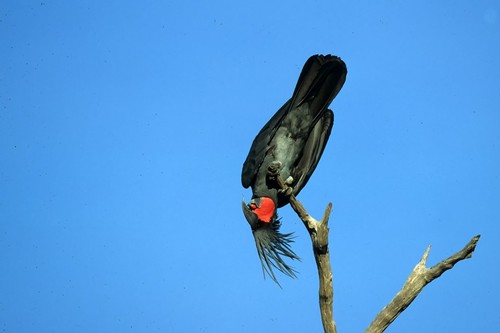
Other birds you may enjoy
Eclectus Parrot
35-42 cm (14-16.5 in) long
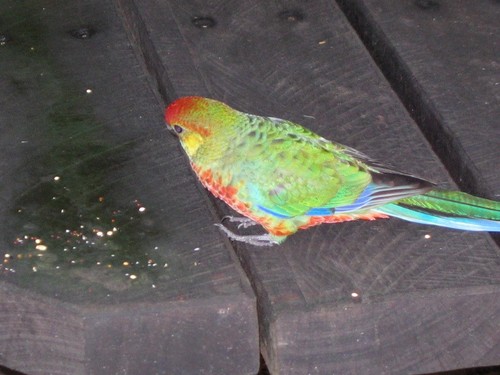
Western Rosella
25-30 cm (10-12 in) long
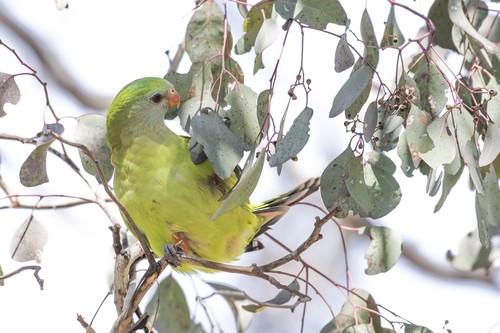
Superb Parrot
About 40 cm (16 in) long including a long tail
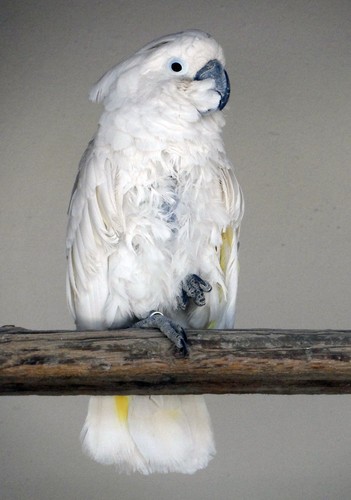
Umbrella Cockatoo
About 46 cm (18 in) long
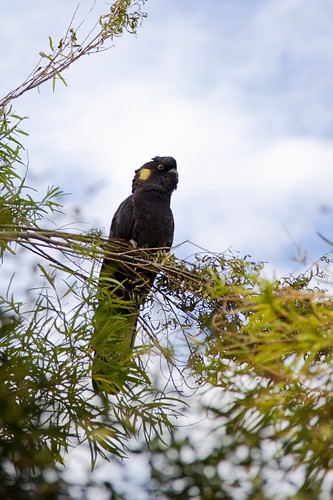
Yellow-tailed Black Cockatoo
55-65 cm long; wingspan up to about 130 cm
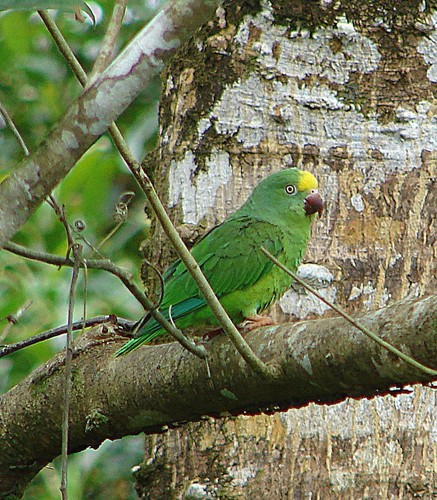
Yellow-crowned Amazon
About 35-38 cm (14-15 in) long
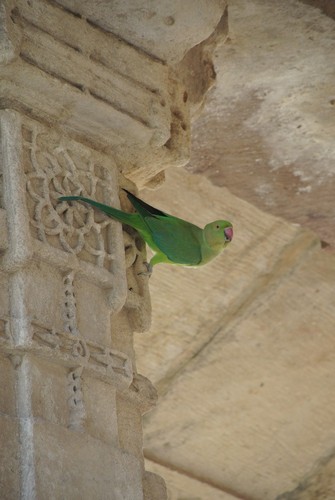
Rose-ringed Parakeet
40 cm (16 in) long including long tail
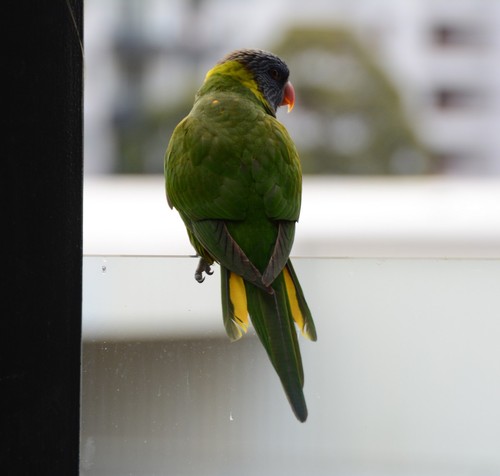
Rainbow Lorikeet
25-30 cm (10-12 in) long
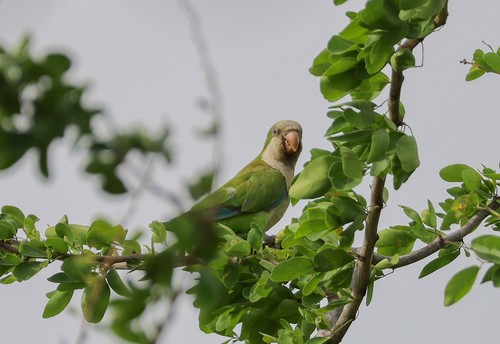
Quaker Parrot
28-31 cm (11-12 in) long
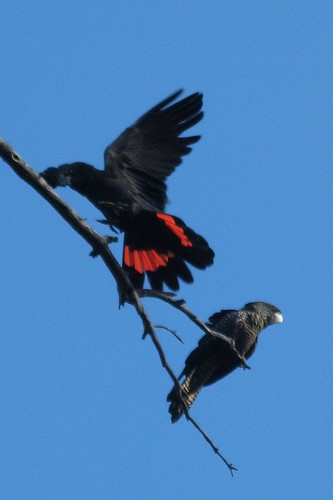
Red-tailed Black Cockatoo
55-65 cm long
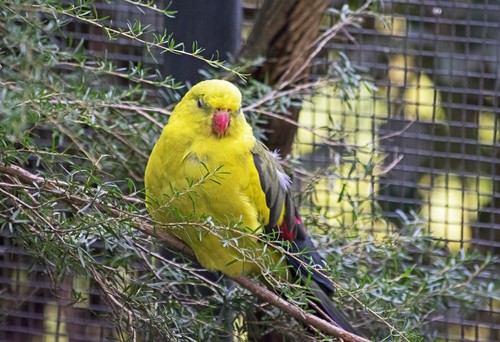
Regent Parrot
37-42 cm (15-17 in) long, including a long tail
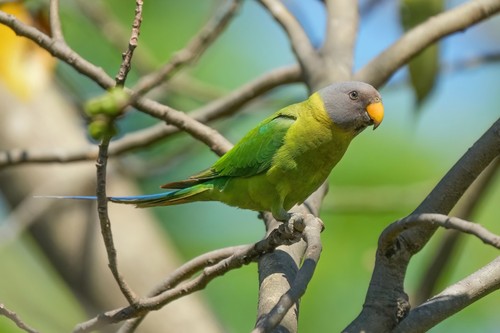
Plum-headed Parakeet
33 cm (13 in) long including tail