
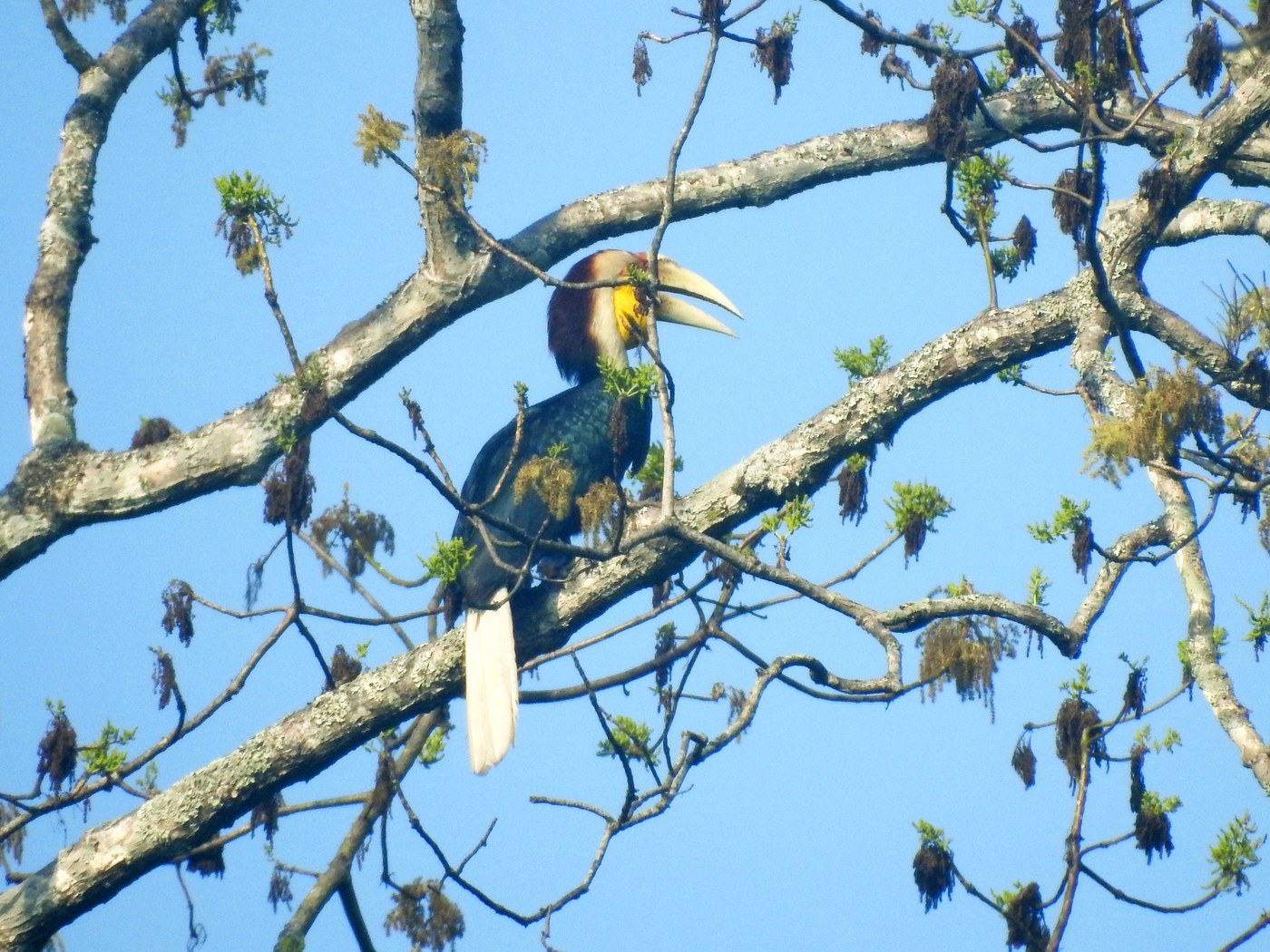
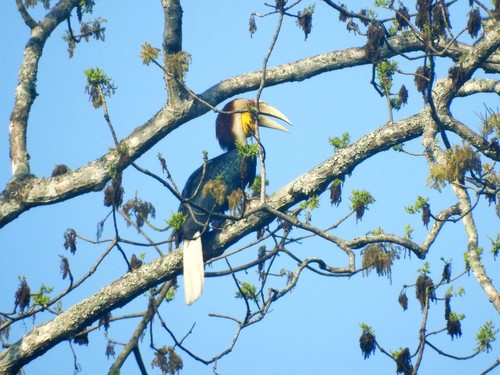
Wreathed Hornbill
Rhyticeros undulatus
A large Asian hornbill with a low, corrugated casque and a bare throat pouch, colored yellow in males and blue in females, that plays a key role dispersing rainforest fruit seeds.
- Size
- About 75-100 cm long
- Habitat
- Tropical evergreen and semi-evergreen forest of South and Southeast Asia
- Type
- other
Spotted a bird like this?
Identify any bird from a photo, free.
Overview
The Wreathed Hornbill is a large, mostly frugivorous hornbill widespread across South and Southeast Asian forests. Its name refers to the low, ridged casque atop the bill, formed of several raised corrugations rather than the tall solid horn seen in some other hornbill genera.
Males have a rufous-washed head and neck, blackish body plumage, and a bare yellow throat pouch crossed by a dark bar. Females have an all-black head and neck and a bare blue throat pouch without the dark bar, making the sexes readily distinguishable in the field.
How to identify it
Key field marks
- Low, corrugated (ridged) casque rather than a tall solid horn
- Male: rufous head/neck, yellow throat pouch with a dark bar
- Female: black head/neck, blue throat pouch, no bar
- Blackish body plumage in both sexes with a pale-tipped tail
Similar species
- Great Hornbill and Rhinoceros Hornbill: both have much larger, more prominent casques and different throat pouch coloring.
- Plain-pouched Hornbill: very similar in shape but lacks the dark bar on the male's throat pouch and has a shorter, more slender bill; ranges overlap in parts of mainland Southeast Asia.
Habitat & range
Habitat
Wreathed Hornbills inhabit tropical evergreen, semi-evergreen, and moist deciduous forest, including hill forest up to moderate elevations.
Range
Distributed from northeastern India and Bhutan through Myanmar, Thailand, Indochina, and the Malay Peninsula to Sumatra and Java.
Migration
Generally sedentary, though flocks may make seasonal altitudinal or local movements tracking fruiting trees.
Behavior & voice
Behavior
Wreathed Hornbills are often seen in flocks, sometimes numbering dozens of birds, flying between fruiting trees with heavy, deliberate wingbeats.
Voice
Calls include loud, honking or barking notes given in flight and while perched, less deep than those of the Great Hornbill.
Feeding
The diet is dominated by fruit, especially figs, making the species an important disperser of large forest tree seeds; it also takes insects and small animals opportunistically.
Nesting and breeding
As in other hornbills, the female seals herself into a tree cavity nest with mud and droppings, leaving a narrow slit through which the male provisions her and, later, the chicks with food until they are ready to break out.
Frequently asked questions
How do you tell male and female Wreathed Hornbills apart?
Males have a rufous head and neck with a yellow throat pouch marked by a dark bar, while females have a black head and neck with an unmarked blue throat pouch.
What does 'wreathed' refer to in this hornbill's name?
It refers to the low, ridged or corrugated casque on top of the bill, which looks like a series of wreathed folds rather than a tall solid horn.
What does the Wreathed Hornbill eat?
It feeds mainly on fruit, especially figs, and also takes insects and small animals.
Where is the Wreathed Hornbill found?
It ranges from northeastern India through mainland Southeast Asia to Sumatra and Java.
Is the Wreathed Hornbill endangered?
It is currently listed as Least Concern, though populations are declining due to deforestation in parts of its range.
Wreathed Hornbill guides
In-depth guides for identifying, finding, and understanding Wreathed Hornbill.
Other birds you may enjoy
Kiwi
35-55 cm (14-22 in) long; roughly chicken-sized
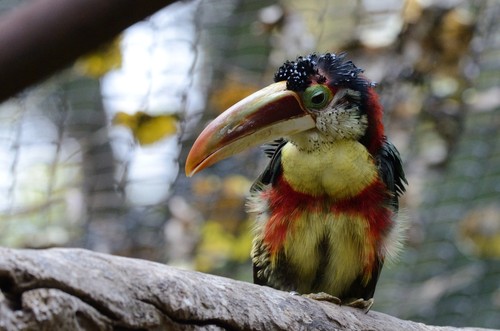
Curl-crested Aracari
41-46 cm (16-18 in) long, including a long bill and tail
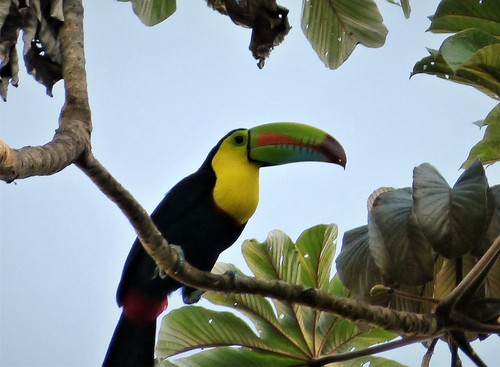
Keel-billed Toucan
42-55 cm (17-22 in) long including bill
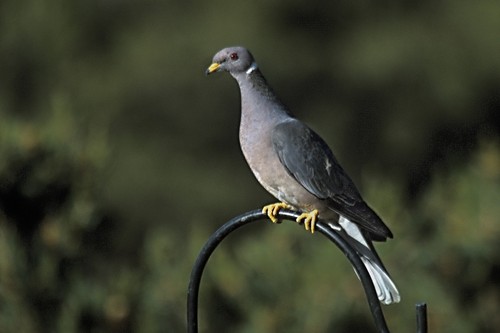
Band-tailed Pigeon
33-38 cm (13-15 in) long, wingspan about 66 cm (26 in)
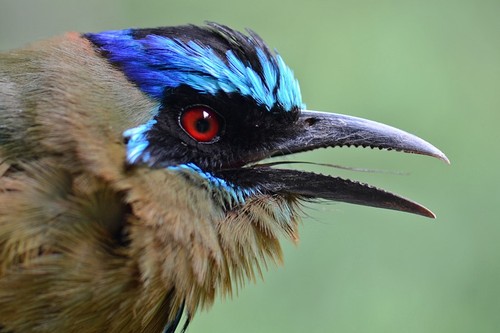
Blue-crowned Motmot
38-43 cm (15-17 in) long including tail
White-tipped Dove
27-30 cm (10.5-12 in) long, 38-43 cm wingspan
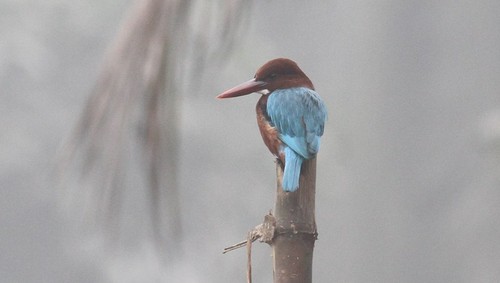
White-throated Kingfisher
27-28 cm (10.5-11 in) long
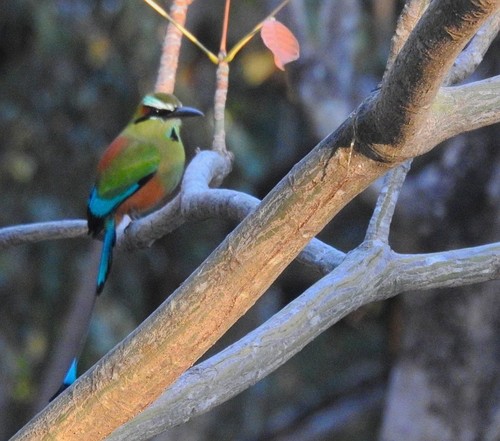
Turquoise-browed Motmot
34 cm (13 in) long including tail
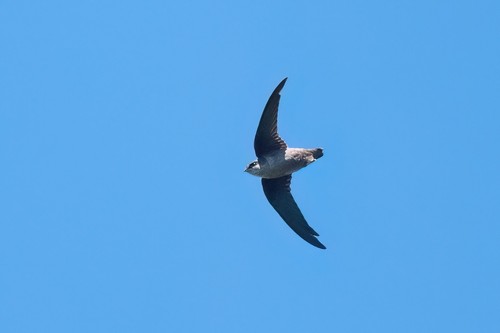
Vaux's Swift
10-12 cm (4-4.5 in) long, 27-30 cm wingspan
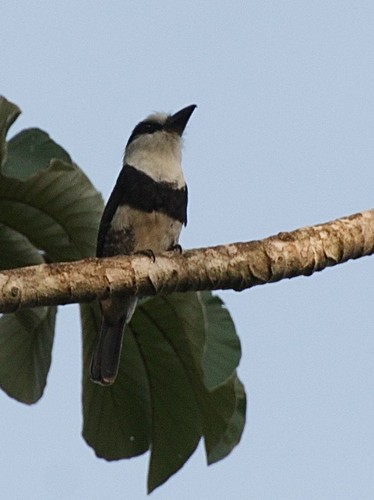
White-necked Puffbird
22-24 cm (8.5-9.5 in) long
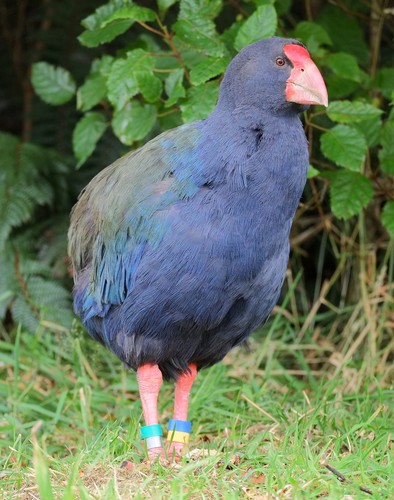
Takahe
50 cm (20 in) long, up to 3.5 kg; flightless
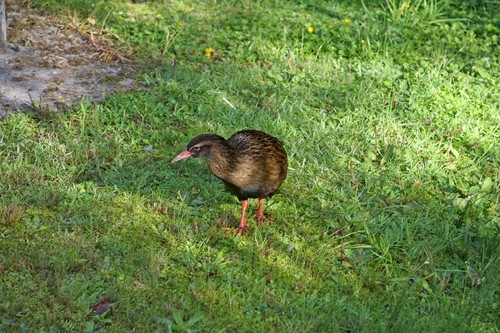
Weka
50-60 cm (20-24 in) long; flightless