
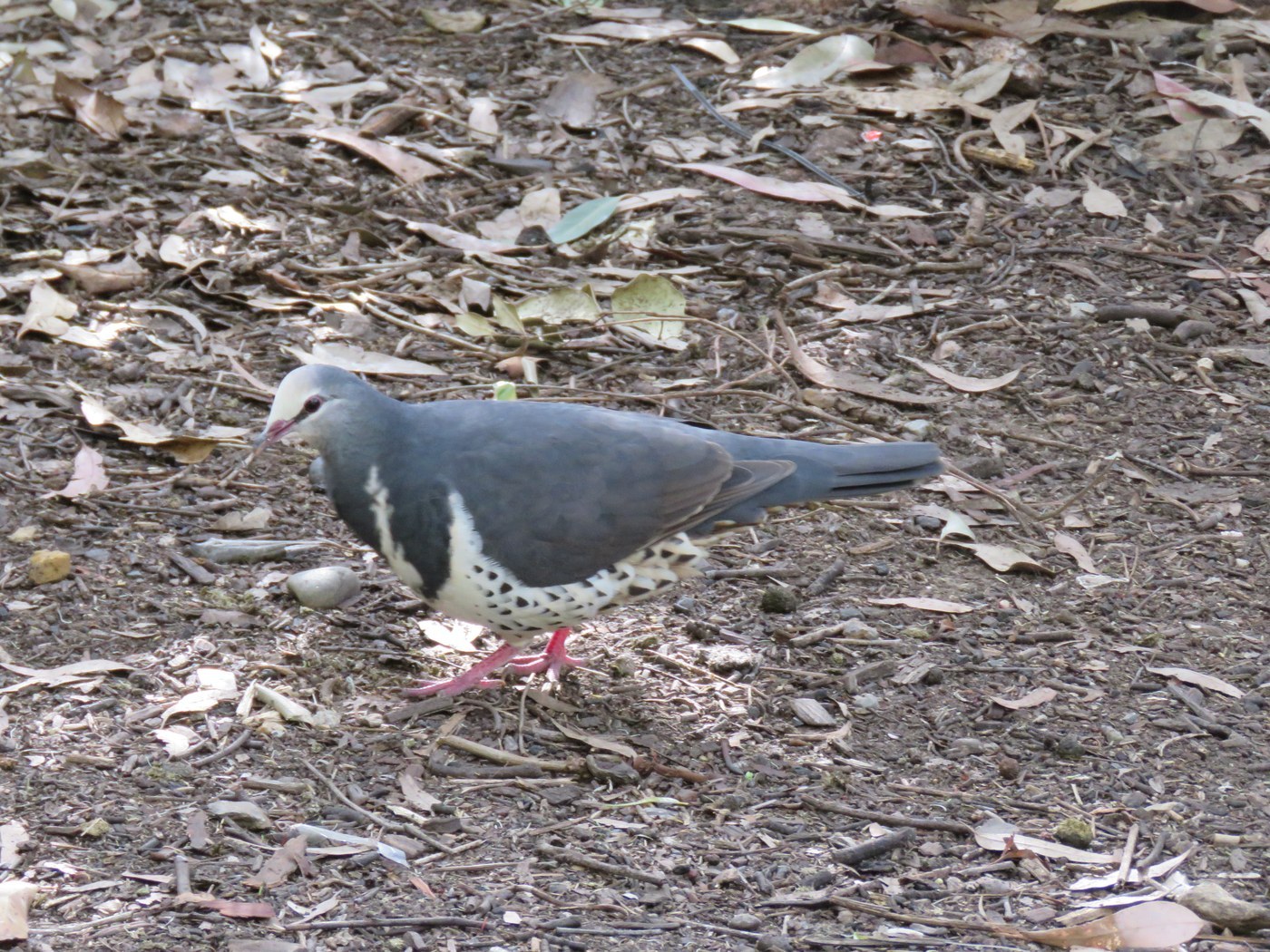
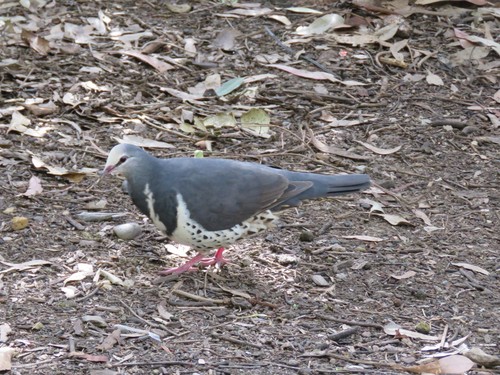
Wonga Pigeon
Leucosarcia melanoleuca
A large, plump ground-dwelling pigeon with grey upperparts, a white face and underside marked by bold black V-shaped bars, usually seen walking quietly on the forest floor.
- Size
- 36-42 cm (14-16.5 in) long
- Habitat
- rainforest and wet eucalypt forest
- Type
- other
Spotted a bird like this?
Identify any bird from a photo, free.
Overview
The Wonga Pigeon is a large, heavily built pigeon with slate-grey upperparts, a white forehead and throat, and a white belly boldly marked with a series of black, V-shaped bars that create a striking scalloped pattern. This distinctive underside patterning, combined with its ground-dwelling habits, makes it one of the more readily identified pigeons of the eastern forests once seen well.
Rather than perching conspicuously, the Wonga Pigeon spends most of its time walking quietly on the forest floor, where its grey back can make it surprisingly inconspicuous among leaf litter and dappled shade, often only detected when it bursts into noisy flight if approached too closely.
How to identify it
Key field marks
- Slate-grey upperparts and crown
- White forehead, throat, and underparts marked with bold black V-shaped bars on the breast and belly
- Plump, large-bodied pigeon shape
- Ground-dwelling habits, usually walking rather than flying
Similar species
- No other Australian pigeon shares this combination of grey back and bold black-and-white barred underparts.
- Brown Cuckoo-Dove is more uniformly brown and lacks the bold barred pattern.
Habitat & range
Habitat
Inhabits rainforest, wet eucalypt forest, and dense gullies, generally favoring the forest floor and understorey.
Range
Found along the east coast of Australia from southeastern Queensland through New South Wales to eastern Victoria.
Migration
Sedentary, remaining within established forest territories year-round.
Behavior & voice
Behavior
Spends most of its time on the ground, walking steadily through leaf litter and low vegetation, and is often reluctant to fly, preferring to walk or run away from disturbance before bursting into noisy, clattering flight if pressed.
Voice
A deep, resonant, repeated "whoo-oop" or booming call, often given from a low perch or the ground.
Feeding
Forages on the ground for fallen seeds and fruit from rainforest trees and shrubs.
Nesting
Builds a simple platform nest of sticks low in a shrub or on a fallen log; lays 2 white eggs.
Frequently asked questions
How do you identify a Wonga Pigeon?
Look for a large, plump, grey-backed pigeon with a white face and underparts marked by bold black V-shaped bars on the breast and belly.
Does the Wonga Pigeon fly often?
It prefers to walk on the forest floor and is often reluctant to fly, usually only taking off in a noisy burst when closely approached.
What does a Wonga Pigeon eat?
Fallen seeds and fruit foraged from the forest floor.
Where does the Wonga Pigeon live?
In rainforest and wet eucalypt forest along the east coast of Australia from southeastern Queensland to eastern Victoria.
Wonga Pigeon guides
In-depth guides for identifying, finding, and understanding Wonga Pigeon.
Other birds you may enjoy
Kiwi
35-55 cm (14-22 in) long; roughly chicken-sized
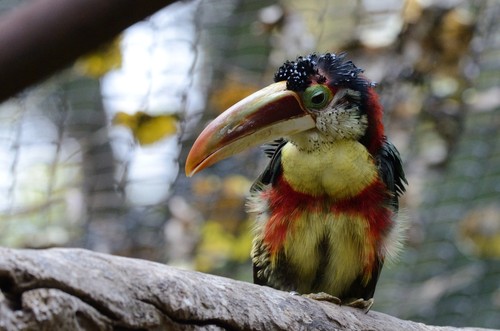
Curl-crested Aracari
41-46 cm (16-18 in) long, including a long bill and tail
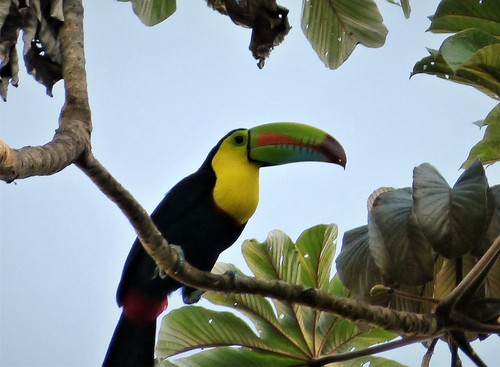
Keel-billed Toucan
42-55 cm (17-22 in) long including bill
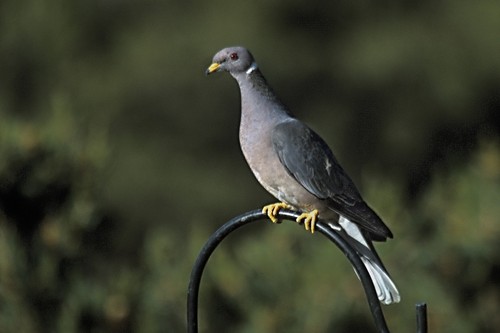
Band-tailed Pigeon
33-38 cm (13-15 in) long, wingspan about 66 cm (26 in)
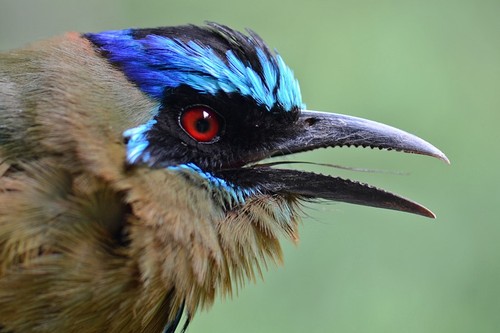
Blue-crowned Motmot
38-43 cm (15-17 in) long including tail
White-tipped Dove
27-30 cm (10.5-12 in) long, 38-43 cm wingspan
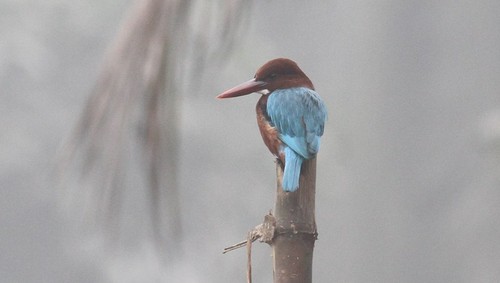
White-throated Kingfisher
27-28 cm (10.5-11 in) long
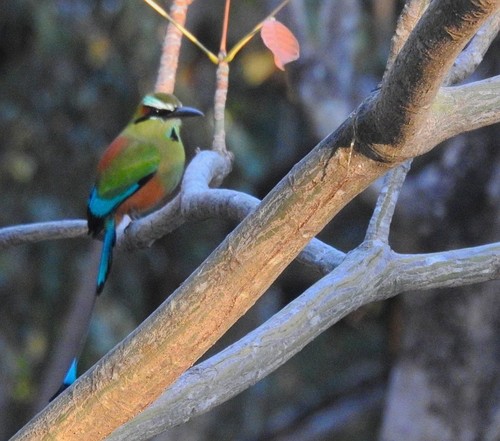
Turquoise-browed Motmot
34 cm (13 in) long including tail
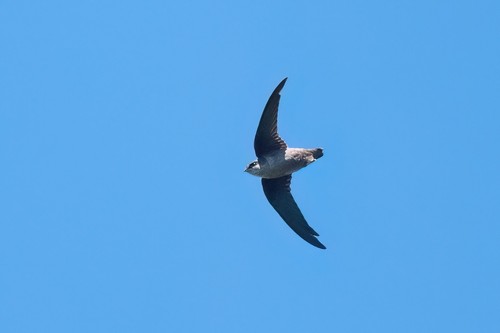
Vaux's Swift
10-12 cm (4-4.5 in) long, 27-30 cm wingspan
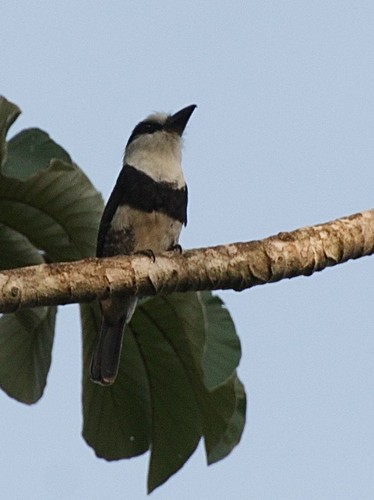
White-necked Puffbird
22-24 cm (8.5-9.5 in) long
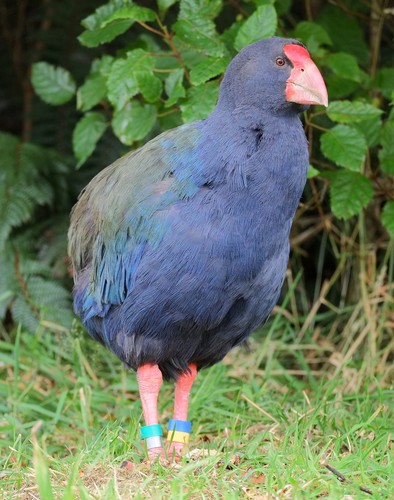
Takahe
50 cm (20 in) long, up to 3.5 kg; flightless
Weka
50-60 cm (20-24 in) long; flightless