
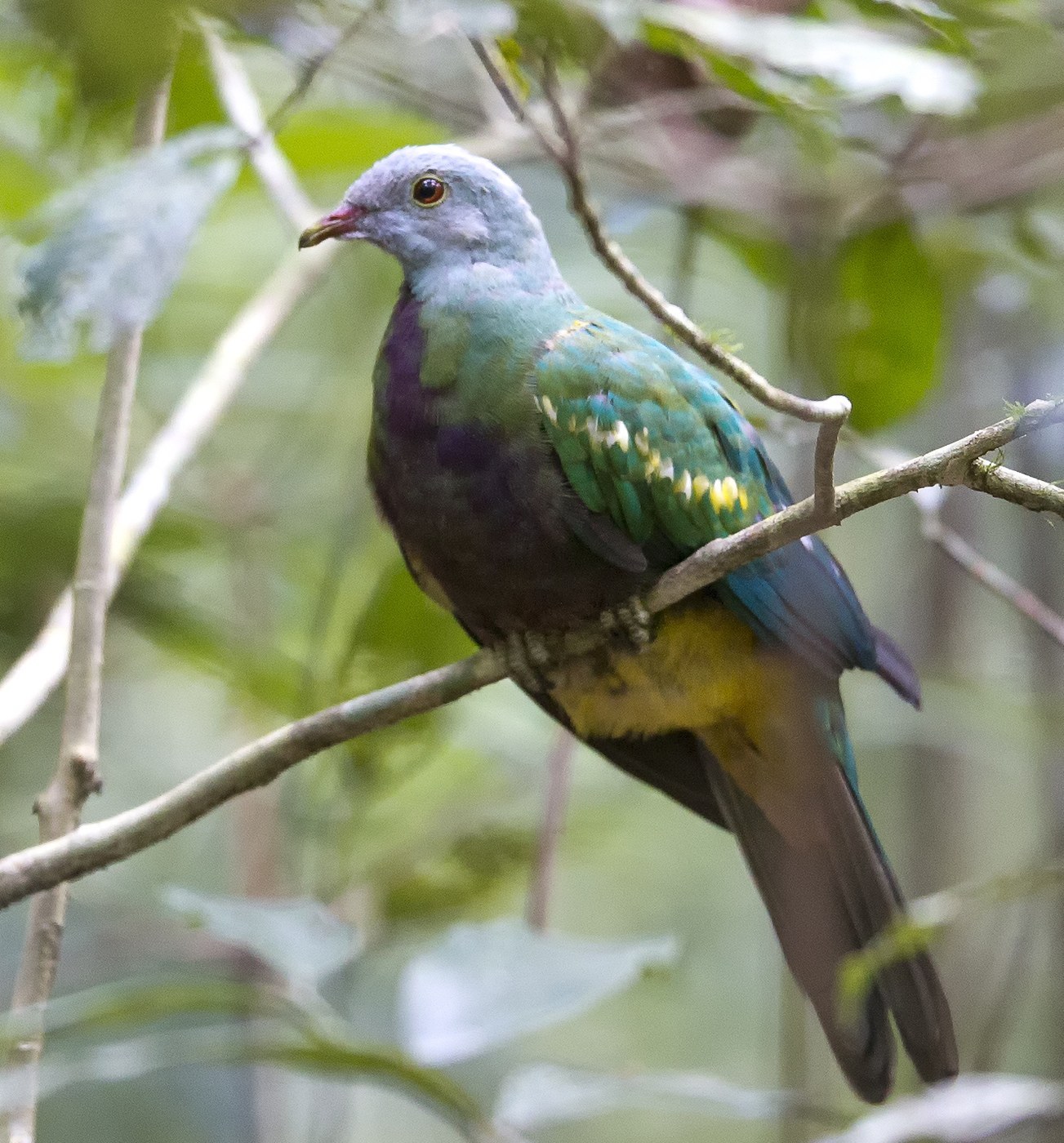
Wompoo Fruit Dove
Ptilinopus magnificus
The largest of Australia's fruit doves, a spectacular rainforest bird with a grey head, deep purple-magenta breast, yellow-green back, and yellow-striped belly.
- Size
- 35-45 cm (14-18 in) long
- Habitat
- rainforest
- Type
- other
Spotted a bird like this?
Identify any bird from a photo, free.
Overview
The Wompoo Fruit Dove is a large, brightly colored fruit dove, the biggest of its kind found in Australia, combining a soft grey head and breast collar with a rich purple-magenta throat and upper breast, a yellow-green back and wings, and a yellow-striped olive belly. The overall effect is a strikingly beautiful bird that can nonetheless be surprisingly difficult to spot high in a fruiting rainforest fig, where its colors blend into dappled light and foliage.
Its name comes from its distinctive, far-carrying call, a deep, resonant "wompoo" or "wallock-a-woo" that echoes through the rainforest canopy and is often the first clue to the presence of this otherwise elusive bird.
How to identify it
Key field marks
- Large size, the largest fruit dove in Australia
- Grey head and hindneck
- Deep purple-magenta throat and upper breast
- Yellow-green back and wings with yellow stripes on the olive belly
Similar species
- Superb Fruit Dove is much smaller with a different color pattern, showing an orange nape and purple crown rather than an all-grey head.
- Rose-crowned Fruit Dove is also smaller, with a rose-pink crown rather than the Wompoo's grey head and magenta breast.
Habitat & range
Habitat
Inhabits rainforest, particularly areas with fruiting fig trees, from lowland to upland forest.
Range
Found along the east coast of Australia from Cape York in far north Queensland south to central New South Wales.
Migration
Mostly sedentary, though some seasonal and altitudinal movement occurs in response to fruit availability, particularly figs.
Behavior & voice
Behavior
Spends much of its time high in the rainforest canopy feeding on fruiting trees, often remaining still and well camouflaged for long periods; usually encountered singly or in pairs.
Voice
A deep, resonant, far-carrying call often rendered as "wompoo" or "wallock-a-woo," audible over long distances through the rainforest.
Feeding
Feeds almost entirely on fruit, especially figs, swallowing them whole.
Nesting
Builds a flimsy platform nest of twigs high in a rainforest tree; lays a single white egg.
Frequently asked questions
Why is it called a Wompoo Fruit Dove?
Its common name comes from its deep, resonant, far-carrying call, often rendered as "wompoo" or "wallock-a-woo," which echoes through the rainforest.
How big is a Wompoo Fruit Dove?
It is the largest fruit dove found in Australia, reaching 35-45 cm (14-18 in) in length.
What does a Wompoo Fruit Dove eat?
Almost entirely fruit, particularly figs, which it swallows whole.
Where does the Wompoo Fruit Dove live?
In rainforest along the east coast of Australia from Cape York in Queensland to central New South Wales.
Wompoo Fruit Dove guides
In-depth guides for identifying, finding, and understanding Wompoo Fruit Dove.
Other birds you may enjoy
Kiwi
35-55 cm (14-22 in) long; roughly chicken-sized
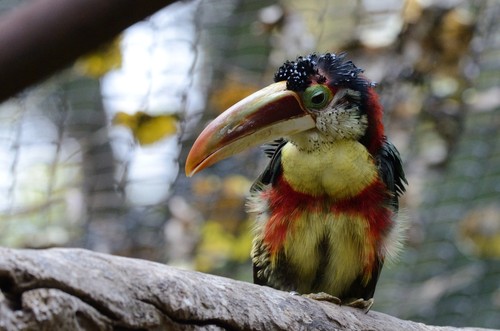
Curl-crested Aracari
41-46 cm (16-18 in) long, including a long bill and tail
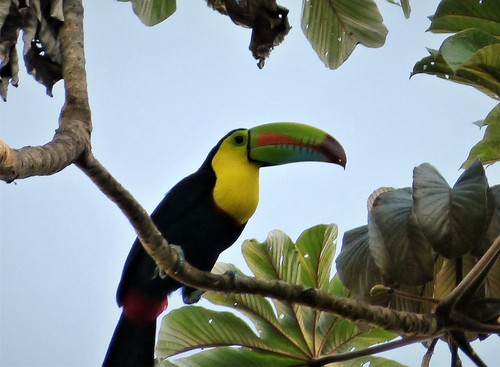
Keel-billed Toucan
42-55 cm (17-22 in) long including bill
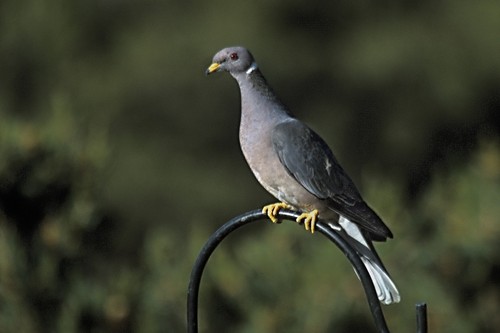
Band-tailed Pigeon
33-38 cm (13-15 in) long, wingspan about 66 cm (26 in)
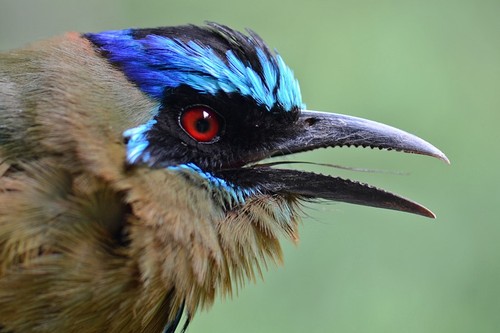
Blue-crowned Motmot
38-43 cm (15-17 in) long including tail
White-tipped Dove
27-30 cm (10.5-12 in) long, 38-43 cm wingspan
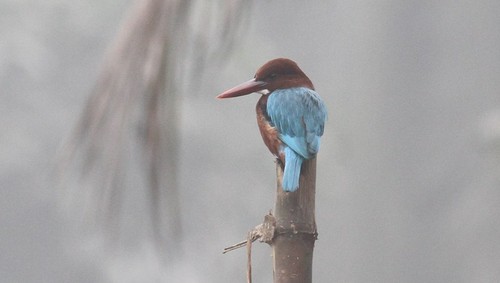
White-throated Kingfisher
27-28 cm (10.5-11 in) long
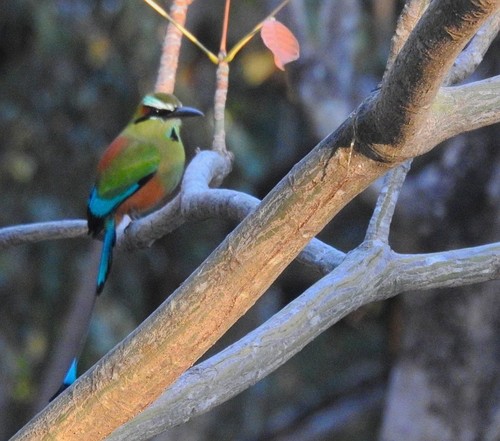
Turquoise-browed Motmot
34 cm (13 in) long including tail
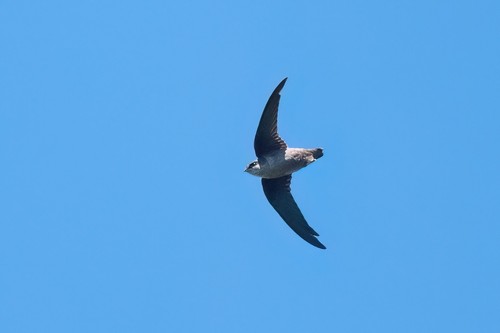
Vaux's Swift
10-12 cm (4-4.5 in) long, 27-30 cm wingspan
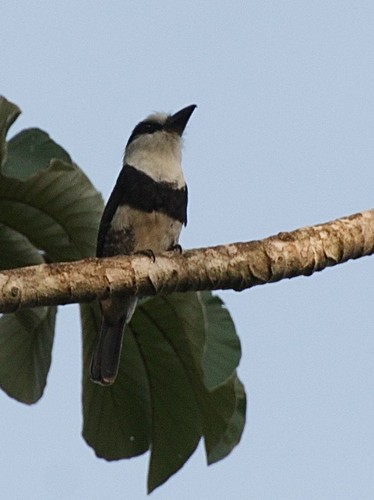
White-necked Puffbird
22-24 cm (8.5-9.5 in) long
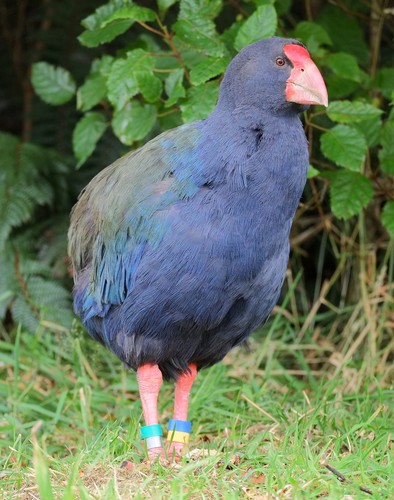
Takahe
50 cm (20 in) long, up to 3.5 kg; flightless
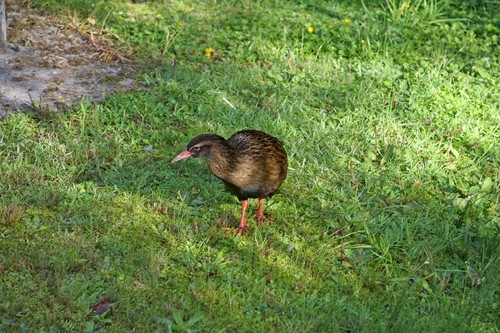
Weka
50-60 cm (20-24 in) long; flightless