
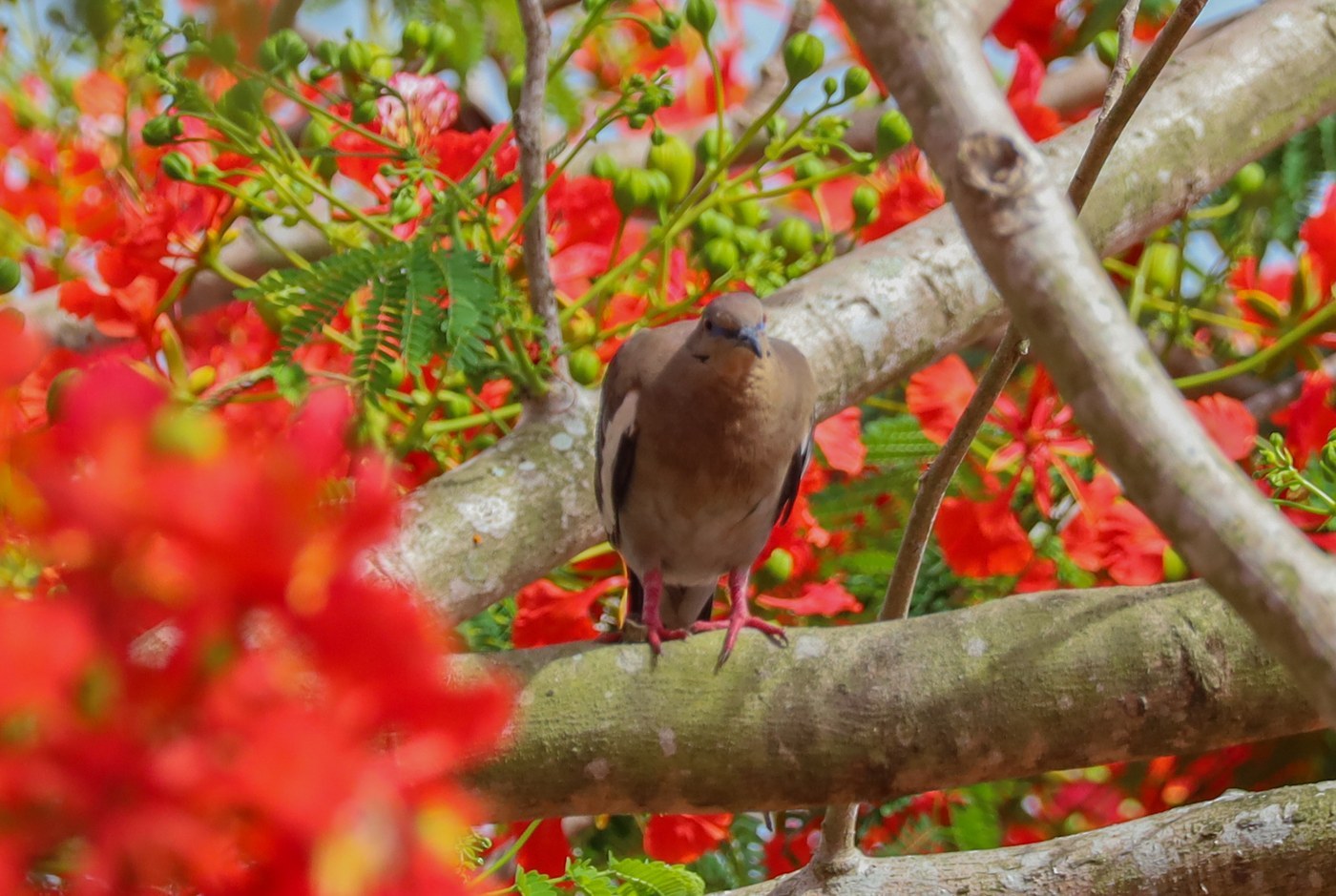
White-winged Dove
Zenaida asiatica
A stocky desert-southwest dove with a bold white wing stripe and a red eye ringed in blue, closely tied historically to the blooming and fruiting of saguaro cactus.
- Size
- 28-30 cm (11-12 in) long, wingspan about 49 cm (19 in)
- Habitat
- desert scrub, woodland edges, and increasingly urban and suburban areas
- Type
- other
Spotted a bird like this?
Identify any bird from a photo, free.
Overview
The White-winged Dove is a stocky, warm grayish-brown dove of the southwestern deserts, easily recognized by the broad white stripe along the edge of the folded wing that becomes a striking flash across the wing in flight. It has a relatively short, rounded (rather than pointed) tail with white corners, a red eye surrounded by bright blue bare skin, and a small black crescent mark below the eye. The species has a long ecological association with columnar cacti such as the saguaro, whose flowers and fruit provide an important food and water source in the arid desert environment.
How to identify it
Key field marks
- Bold white stripe along the wing edge, visible at rest and flashing prominently in flight
- Red eye with blue bare orbital skin and a small black crescent below the eye
- Rounded tail with white-tipped corners, unlike the pointed tail of Mourning Dove
- Stockier, more robust build than Mourning Dove
Similar species
Mourning Dove is slimmer with a long, pointed tail and lacks the bold white wing stripe. Rock Pigeon is bulkier and more variably plumaged without the clean white wing edge or blue-and-red eye pattern.
Habitat & range
Habitat and Range
White-winged Doves inhabit desert scrub, thorn woodland, mesquite bosques, and, increasingly, urban and suburban neighborhoods with mature trees, especially in the desert Southwest.
Range
The species breeds across the southwestern United States (notably Arizona, Texas, New Mexico) south through Mexico and Central America, with populations expanding northward and into more urbanized areas in recent decades.
Migration
Many populations, especially in Arizona and Texas, are migratory, moving south into Mexico for the winter, though resident, non-migratory populations have become established in some urban areas year-round.
Behavior & voice
Behavior
White-winged Doves are strong, fast fliers and often gather in large numbers around reliable food sources, particularly flowering and fruiting saguaro and other columnar cacti in the desert Southwest.
Voice
The call is a distinctive, rhythmic series of coos often rendered as "who cooks for you," a useful mnemonic that helps distinguish it from other dove calls.
Feeding
Diet includes seeds, cultivated grain, and fruit, with historical dependence on the nectar, pollen, and fruit of saguaro and other cacti, which the species helps pollinate and disperse the seeds of.
Nesting and breeding
Pairs build a loose stick platform nest in a tree, shrub, or cactus, often nesting colonially, and typically lay two eggs per clutch, sometimes raising multiple broods per season.
Frequently asked questions
How can you identify a White-winged Dove?
Look for a bold white stripe along the edge of the folded wing, a red eye ringed in blue, a small black crescent below the eye, and a rounded (not pointed) tail with white corners.
What does the White-winged Dove's call sound like?
It gives a distinctive rhythmic cooing often described with the mnemonic 'who cooks for you,' which helps separate it from the softer, more mournful call of the Mourning Dove.
What is the connection between White-winged Doves and saguaro cactus?
The doves historically relied heavily on saguaro flowers, nectar, and fruit as a desert food and water source, and in turn help pollinate the flowers and disperse the cactus's seeds.
Are White-winged Doves found in cities?
Yes, especially in the desert Southwest, White-winged Doves have increasingly moved into urban and suburban neighborhoods with mature trees, and some populations are now year-round residents there.
White-winged Dove guides
In-depth guides for identifying, finding, and understanding White-winged Dove.
Other birds you may enjoy
Kiwi
35-55 cm (14-22 in) long; roughly chicken-sized
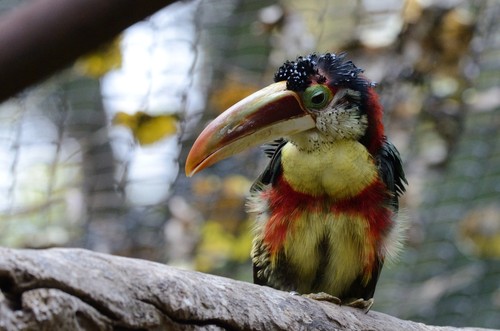
Curl-crested Aracari
41-46 cm (16-18 in) long, including a long bill and tail
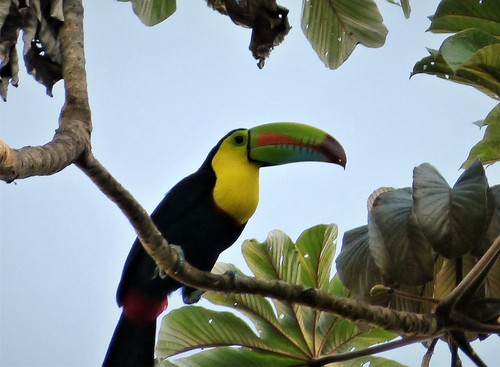
Keel-billed Toucan
42-55 cm (17-22 in) long including bill
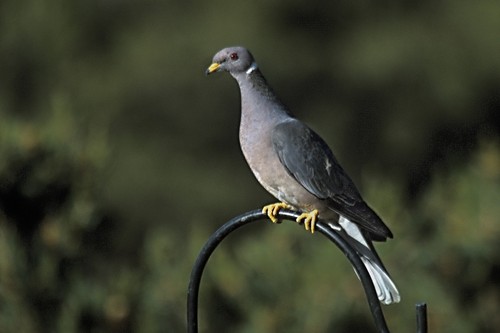
Band-tailed Pigeon
33-38 cm (13-15 in) long, wingspan about 66 cm (26 in)
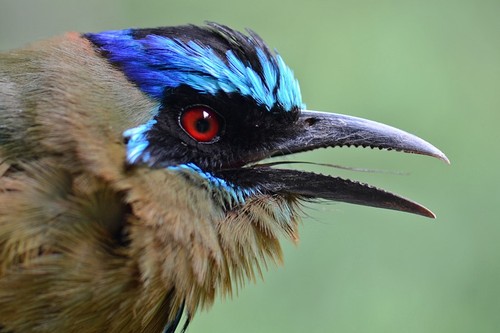
Blue-crowned Motmot
38-43 cm (15-17 in) long including tail
White-tipped Dove
27-30 cm (10.5-12 in) long, 38-43 cm wingspan
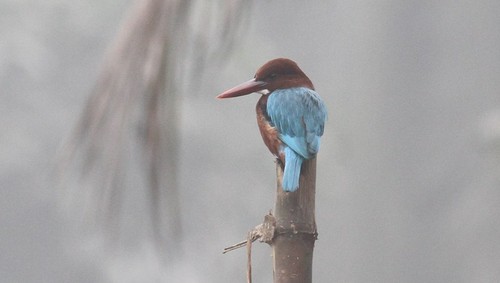
White-throated Kingfisher
27-28 cm (10.5-11 in) long
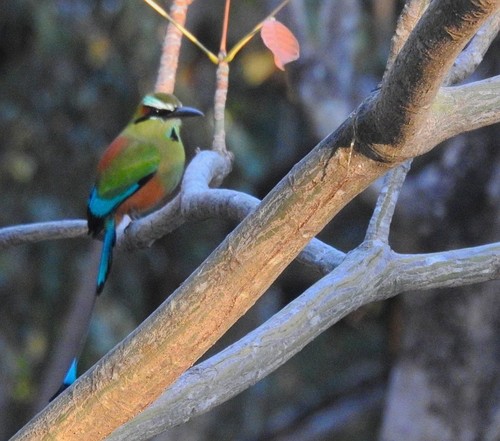
Turquoise-browed Motmot
34 cm (13 in) long including tail
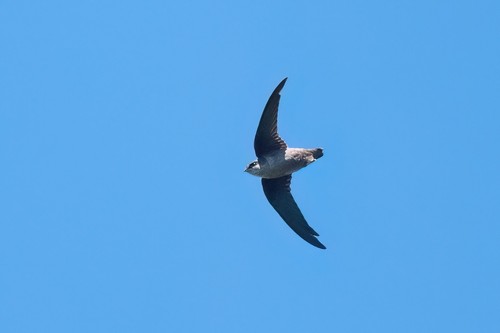
Vaux's Swift
10-12 cm (4-4.5 in) long, 27-30 cm wingspan
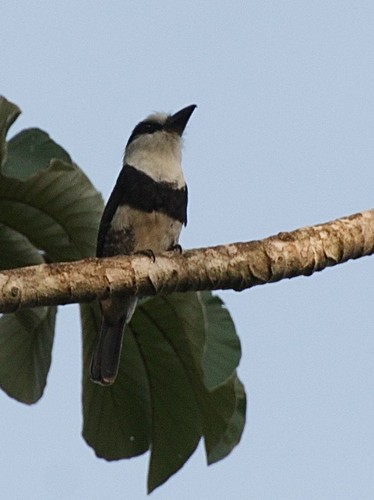
White-necked Puffbird
22-24 cm (8.5-9.5 in) long
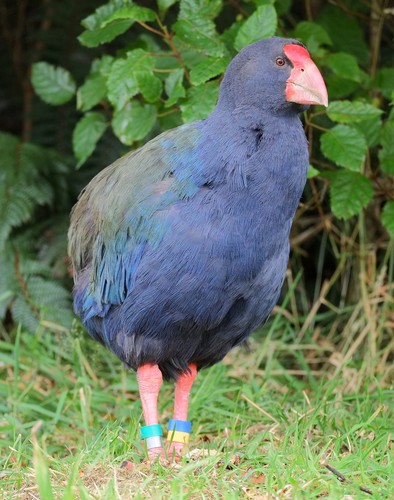
Takahe
50 cm (20 in) long, up to 3.5 kg; flightless
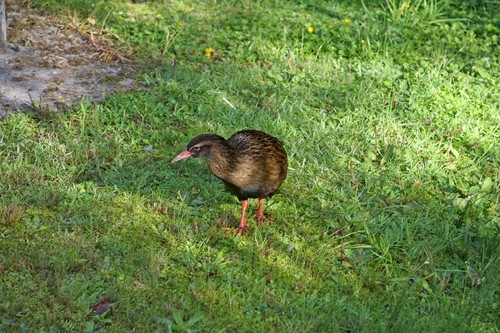
Weka
50-60 cm (20-24 in) long; flightless