
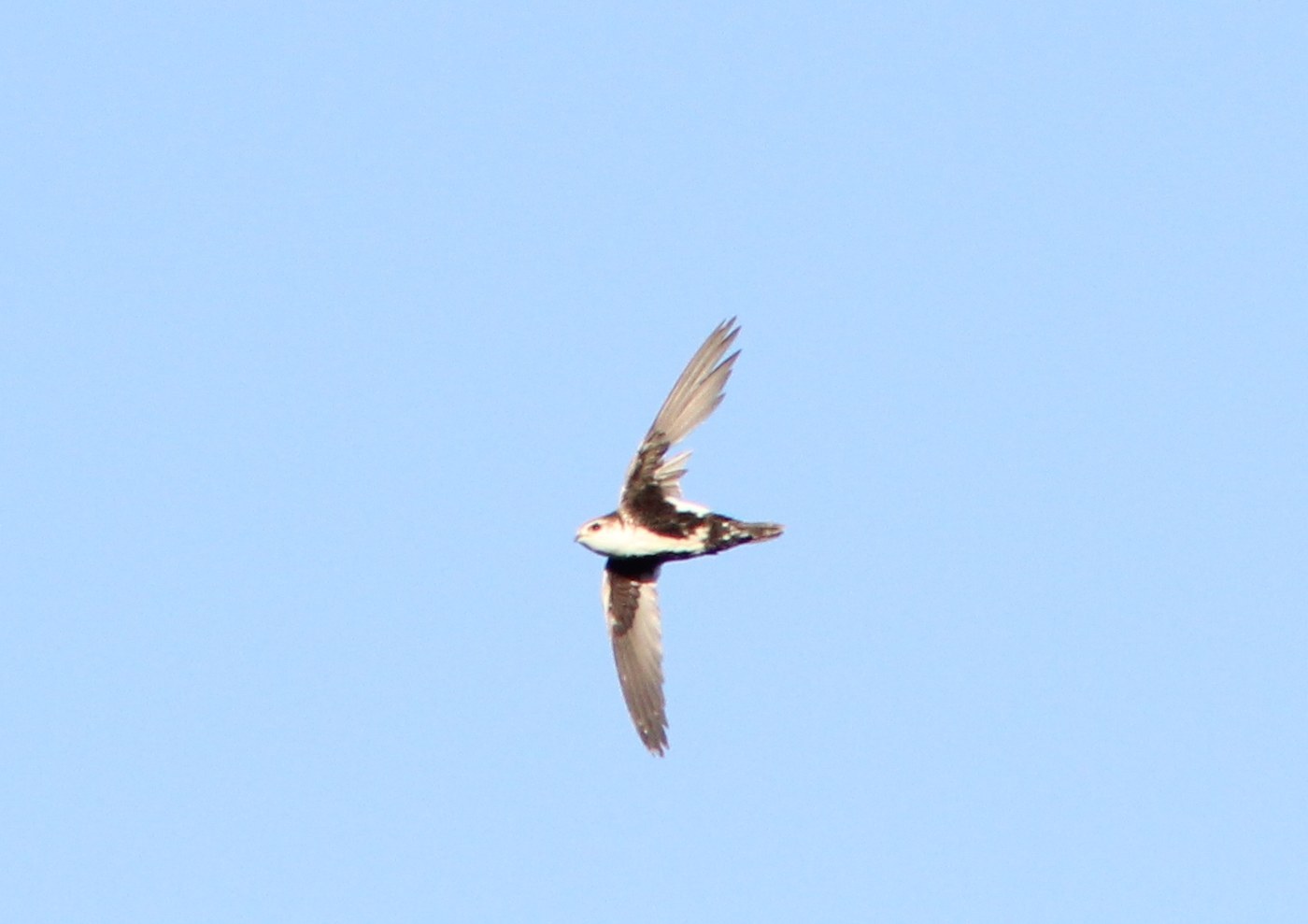
White-throated Swift
Aeronautes saxatalis
A fast, boldly black-and-white patterned swift of western cliffs and canyons, among the fastest fliers of any North American bird.
- Size
- 15-18 cm (6-7 in) long, 35-38 cm wingspan
- Habitat
- cliffs, canyons, and mountains of western North America
- Type
- other
Spotted a bird like this?
Identify any bird from a photo, free.
Overview
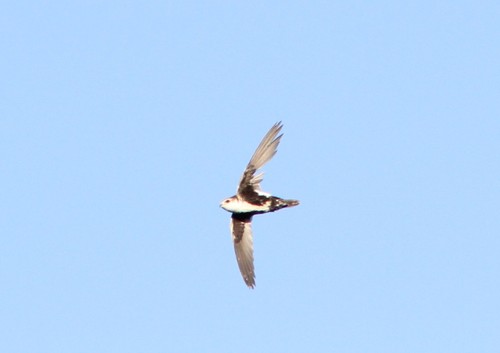
The White-throated Swift is a striking, boldly patterned swift of rugged western terrain, black above and along the flanks with a crisp white throat, central breast, and belly forming a bright stripe down the underside. The tail is long and can appear pointed or slightly forked depending on how it's held. It is a larger, faster-flying swift than either Chimney or Vaux's Swift.
True to its aerial lifestyle, it nests in narrow cliff crevices and is often seen dashing along canyon walls and cliff faces at remarkable speed, sometimes in pairs performing spectacular high-speed chases.
How to identify it
Key field marks
- Bold black-and-white pattern: black upperparts and flanks, white throat/central underside
- Long, pointed or slightly forked tail
- Fast, direct flight with stiff, rapid wingbeats
Similar species
- Violet-green Swallow: shares some white-on-dark patterning but has a shorter tail, broader wings, and slower, more fluttery flight; unrelated family.
- Chimney Swift/Vaux's Swift: uniformly sooty brown, lacking the bold black-and-white pattern.
Habitat & range
Range and habitat
White-throated Swift breeds in cliffs, canyons, and mountainous terrain across the western United States south through Mexico and into Central America, often near rock faces that provide crevice nest sites.
Migration
Northern populations are migratory, moving south for winter, while populations in milder parts of the range, including the desert Southwest, may remain year-round.
Behavior & voice
Behavior
An extremely fast, agile flier, often seen careening along cliff faces in tight formation with other swifts or in high-speed courtship chases.
Voice
A shrill, high-pitched twittering chatter or scream, often given in flight near nest sites.
Feeding
Catches flying insects exclusively on the wing, sometimes foraging at great heights or ranging far from cliff nest sites.
Nesting and breeding
Nests in narrow cracks and crevices on cliff faces, building a small nest of feathers and plant material glued with saliva. The female incubates 3-6 eggs for roughly 3-4 weeks.
Frequently asked questions
How fast can a White-throated Swift fly?
It is among the fastest-flying birds in North America, capable of very high speeds during level flight and courtship chases along cliffs.
Where does the White-throated Swift nest?
In narrow crevices on cliff faces, usually in canyons or mountainous terrain.
How do you identify a White-throated Swift?
Look for a bold black-and-white pattern—black upperparts and flanks with a white throat and central underside—paired with a long, pointed tail and very fast flight.
What does a White-throated Swift eat?
Flying insects caught exclusively in mid-air.
White-throated Swift guides
In-depth guides for identifying, finding, and understanding White-throated Swift.
Other birds you may enjoy
Kiwi
35-55 cm (14-22 in) long; roughly chicken-sized
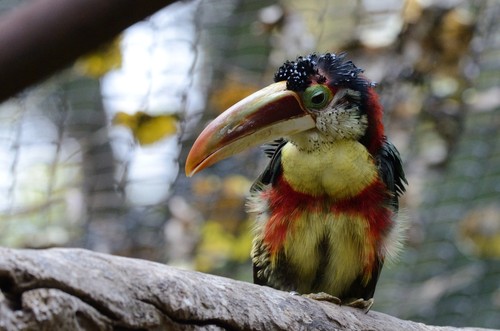
Curl-crested Aracari
41-46 cm (16-18 in) long, including a long bill and tail
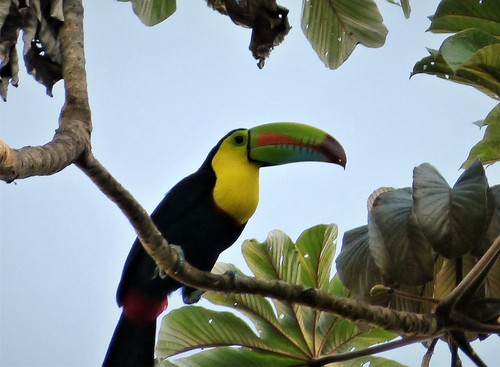
Keel-billed Toucan
42-55 cm (17-22 in) long including bill
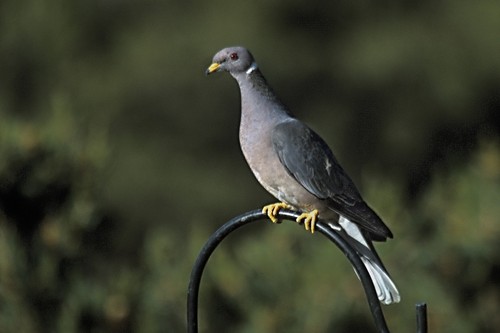
Band-tailed Pigeon
33-38 cm (13-15 in) long, wingspan about 66 cm (26 in)
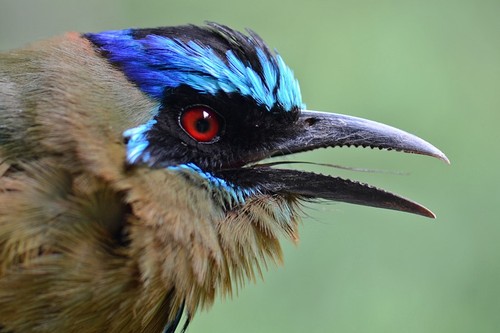
Blue-crowned Motmot
38-43 cm (15-17 in) long including tail
White-tipped Dove
27-30 cm (10.5-12 in) long, 38-43 cm wingspan
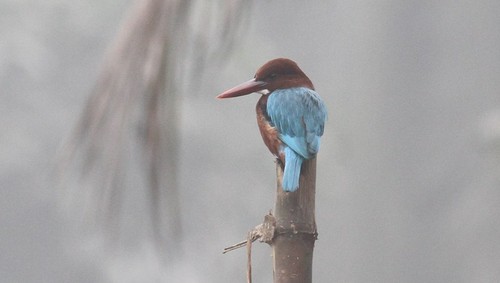
White-throated Kingfisher
27-28 cm (10.5-11 in) long
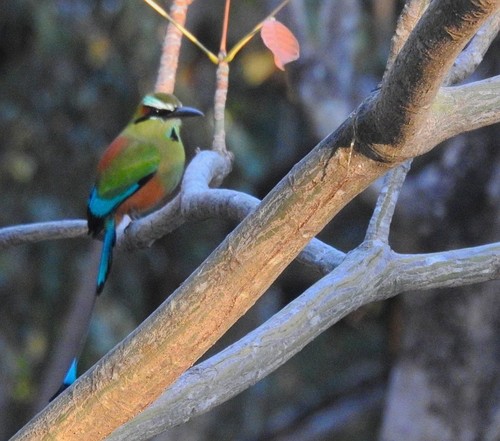
Turquoise-browed Motmot
34 cm (13 in) long including tail
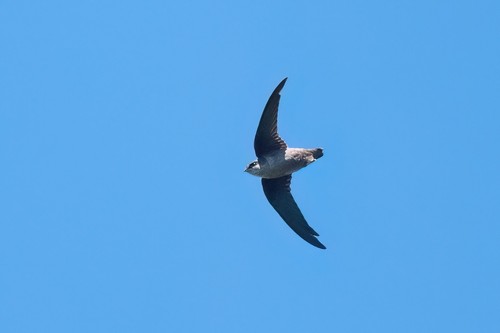
Vaux's Swift
10-12 cm (4-4.5 in) long, 27-30 cm wingspan
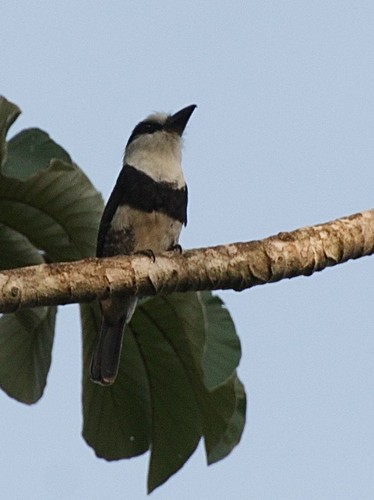
White-necked Puffbird
22-24 cm (8.5-9.5 in) long
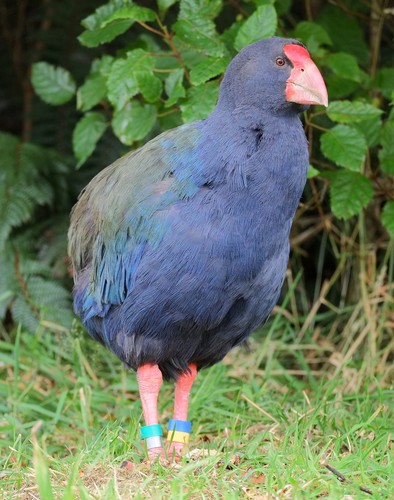
Takahe
50 cm (20 in) long, up to 3.5 kg; flightless
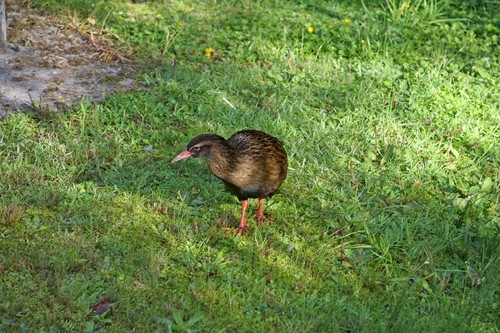
Weka
50-60 cm (20-24 in) long; flightless