
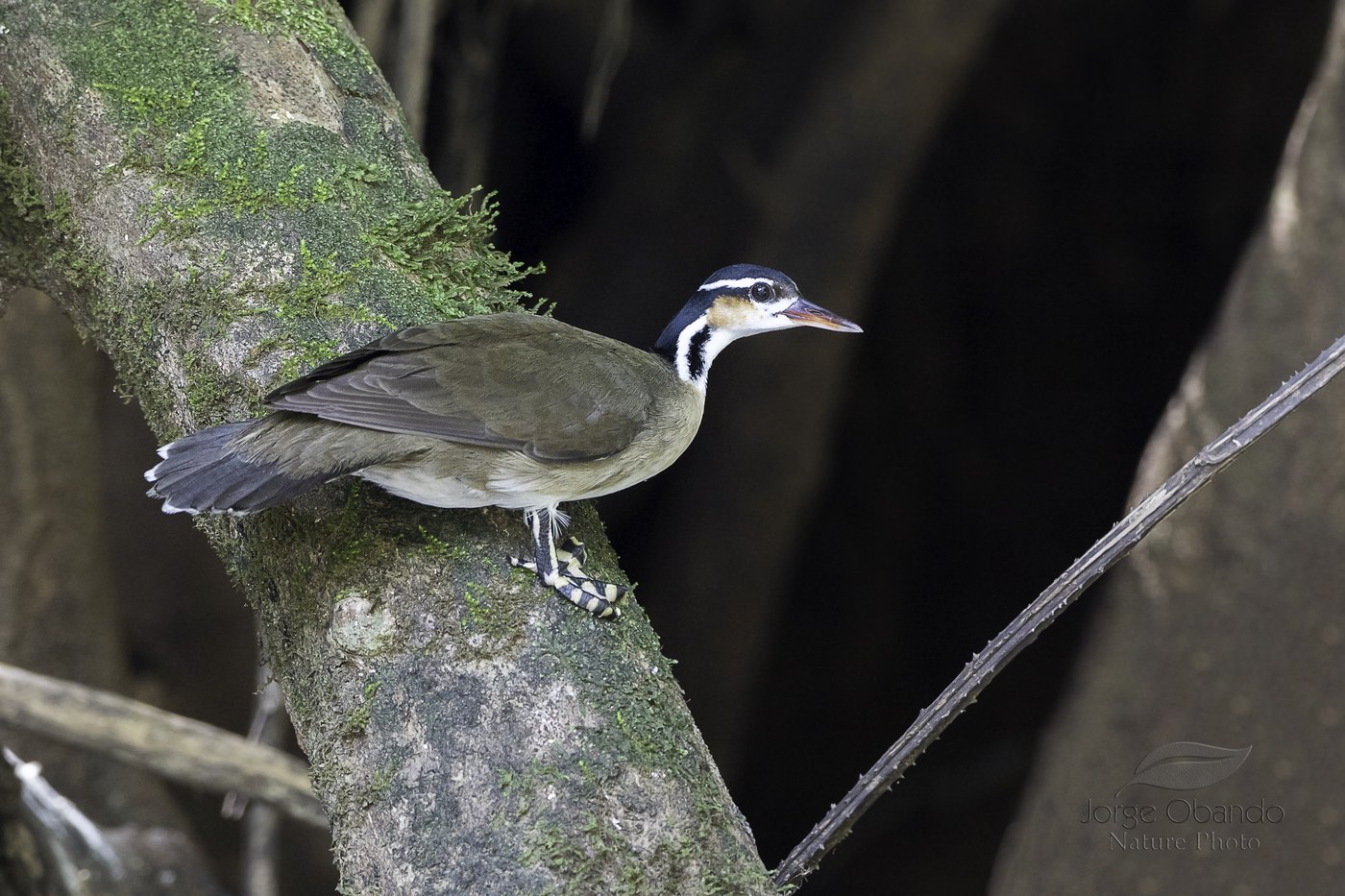
Sungrebe
Heliornis fulica
A secretive aquatic bird best known for the male's habit of carrying chicks in skin pouches under his wings while swimming.
- Size
- 28-30 cm (11-12 in) long
- Habitat
- quiet forested streams, rivers, and oxbow lakes
- Type
- other
Spotted a bird like this?
Identify any bird from a photo, free.
Overview
The Sungrebe is a shy, grebe-like swimming bird of quiet Neotropical waterways, the only New World member of the small finfoot family (Heliornithidae). It has olive-brown upperparts, white underparts, and a distinctive black-and-white striped pattern on the neck, along with a slender orange-red bill marked with dark bands and lobed toes adapted for swimming. Its most remarkable trait is unique among birds: males possess pouches of skin under each wing in which they carry and shelter downy chicks, even while swimming and diving.
How to identify it
Key field marks
- Slim, low-swimming silhouette with a long neck and tail.
- Black-and-white striped neck pattern.
- Orange-red bill with dark markings.
- Lobed (not webbed) toes.
Similar species
Superficially recalls a small grebe or cormorant when swimming low in the water, but its striped neck, colorful bill, and shy, stream-hugging habits distinguish it. No other Neotropical waterbird shares this combination.
Habitat & range
Sungrebes inhabit quiet, shaded forest streams, slow rivers, and oxbow lakes with overhanging vegetation for cover, from lowland Mexico through Central America and across much of tropical South America to northern Argentina. They are non-migratory, secretive residents that quickly dive or slip into cover when disturbed.
Behavior & voice
Voice
A series of soft, low clucking or grunting notes, generally quiet and easily overlooked.
Feeding
Sungrebes swim low in the water and along stream edges, picking insects, small fish, crustaceans, and other small aquatic prey from the surface or from overhanging vegetation.
Nesting and breeding
A simple platform nest is built low over water in streamside vegetation. The species is famous for the male's specialized pouches of loose skin beneath each wing, in which he carries and broods newly hatched chicks — even while swimming and diving — providing warmth and protection unmatched elsewhere in the bird world.
Frequently asked questions
What is unique about how Sungrebes raise their chicks?
Male Sungrebes have skin pouches under each wing in which they carry and shelter chicks, even while swimming and diving, a trait unique among birds.
Is the Sungrebe related to grebes?
Not closely; despite the superficial resemblance and name, it belongs to its own family, Heliornithidae (finfoots), distinct from true grebes.
Where do Sungrebes live?
On quiet, shaded forest streams and oxbow lakes from Mexico through Central and South America.
What does a Sungrebe eat?
Insects, small fish, crustaceans, and other small aquatic prey picked from the water's surface or vegetation.
Sungrebe guides
In-depth guides for identifying, finding, and understanding Sungrebe.
Other birds you may enjoy
Kiwi
35-55 cm (14-22 in) long; roughly chicken-sized
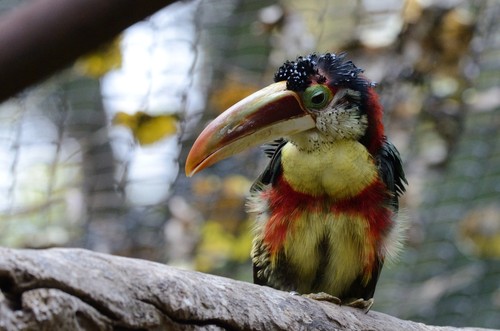
Curl-crested Aracari
41-46 cm (16-18 in) long, including a long bill and tail
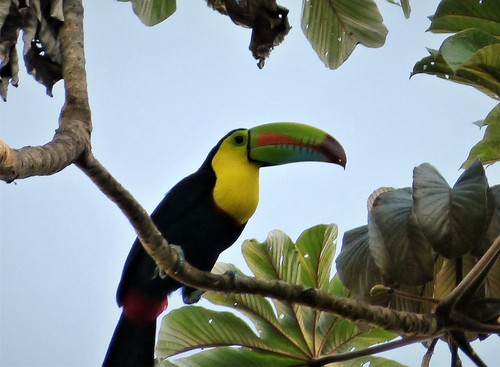
Keel-billed Toucan
42-55 cm (17-22 in) long including bill
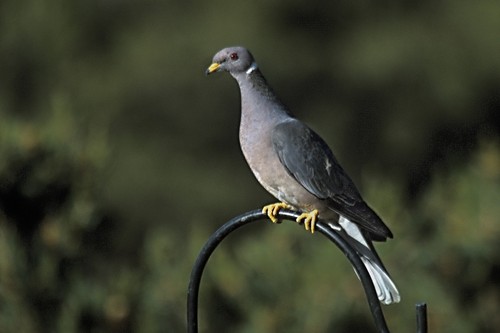
Band-tailed Pigeon
33-38 cm (13-15 in) long, wingspan about 66 cm (26 in)
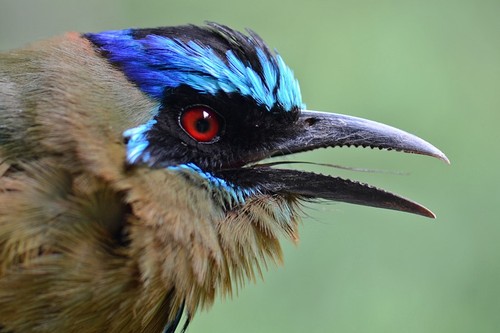
Blue-crowned Motmot
38-43 cm (15-17 in) long including tail
White-tipped Dove
27-30 cm (10.5-12 in) long, 38-43 cm wingspan
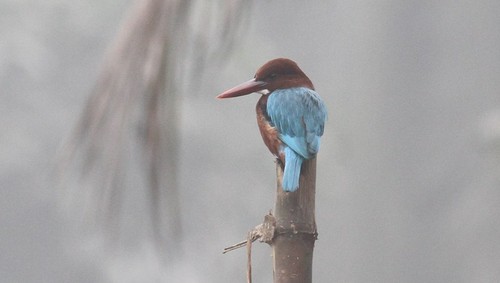
White-throated Kingfisher
27-28 cm (10.5-11 in) long
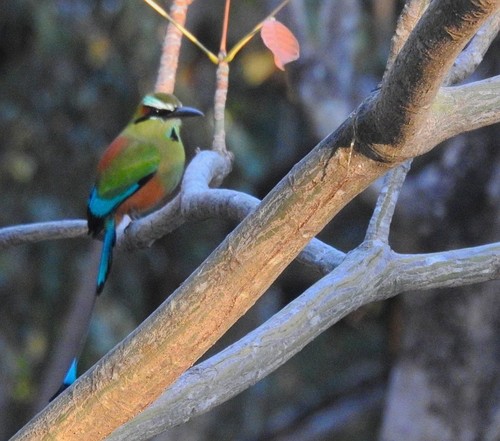
Turquoise-browed Motmot
34 cm (13 in) long including tail
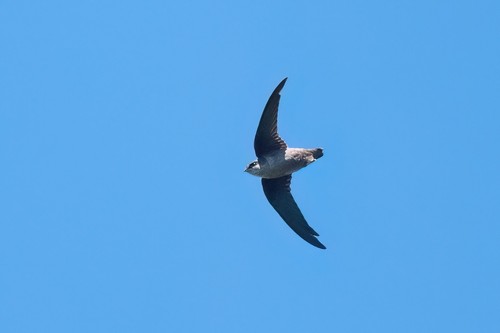
Vaux's Swift
10-12 cm (4-4.5 in) long, 27-30 cm wingspan
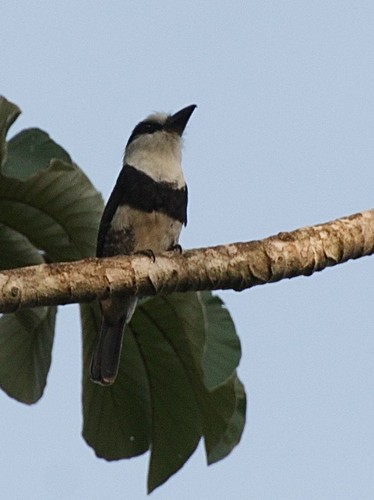
White-necked Puffbird
22-24 cm (8.5-9.5 in) long
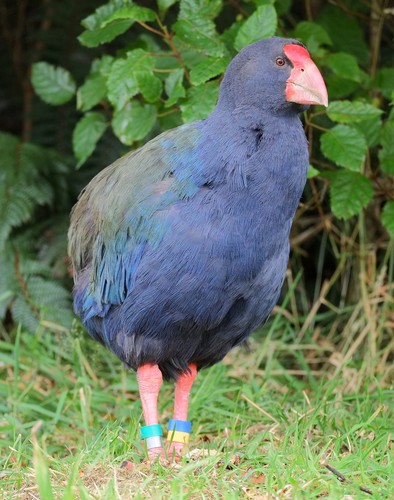
Takahe
50 cm (20 in) long, up to 3.5 kg; flightless
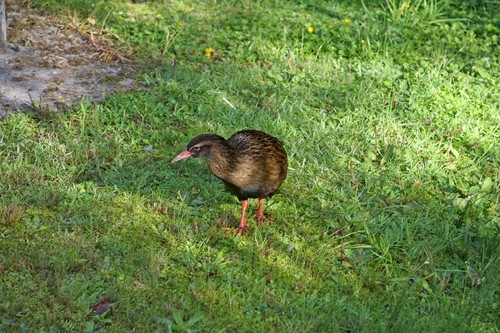
Weka
50-60 cm (20-24 in) long; flightless