
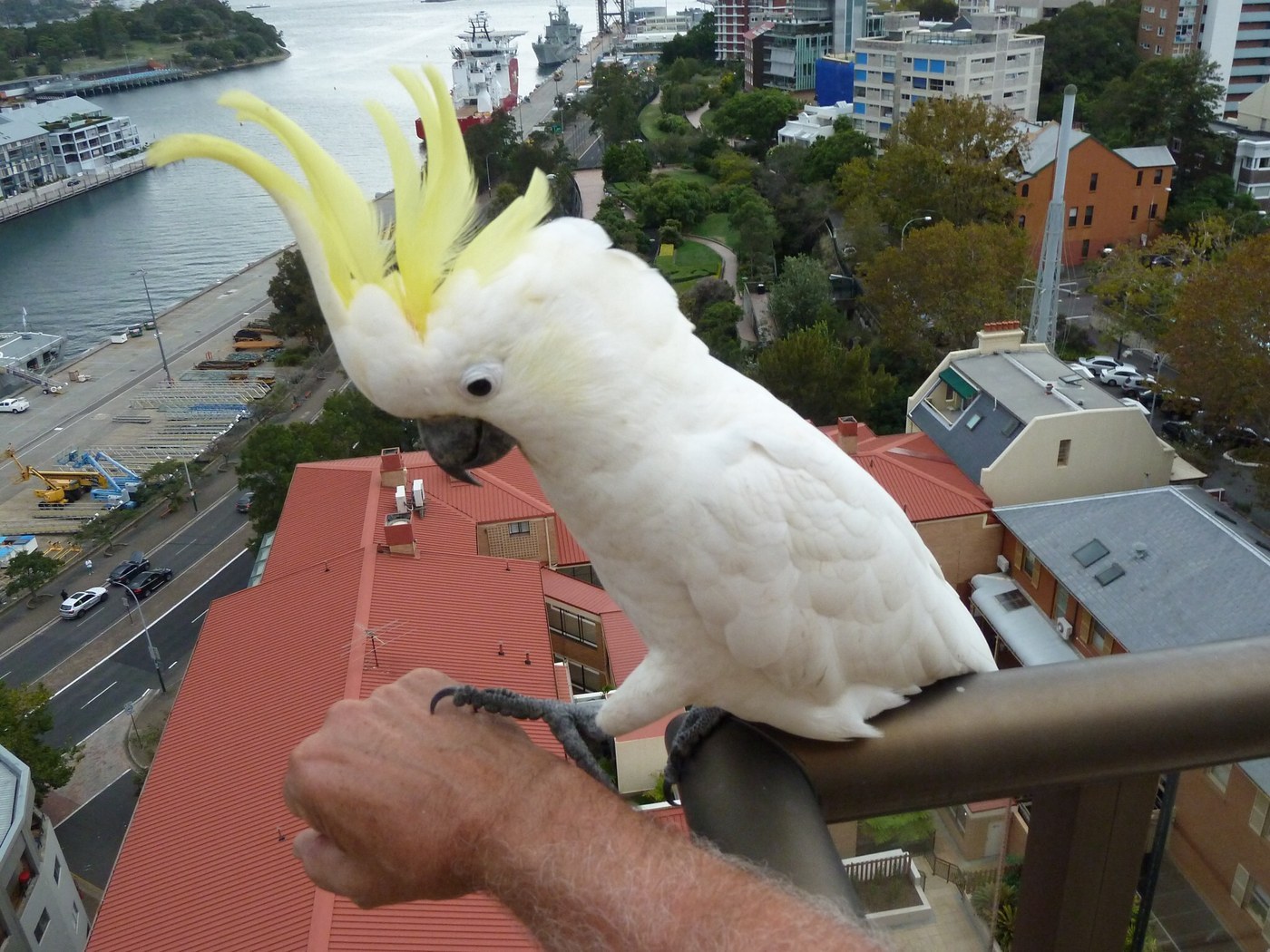
Sulphur-crested Cockatoo
Cacatua galerita
A large, all-white Australasian cockatoo with a tall, upright yellow crest and a loud, raucous voice.
- Size
- 45-55 cm (18-22 in) long; wingspan around 100 cm (39 in)
- Habitat
- Forest, woodland, farmland, and urban parks and gardens
- Type
- parrot
Spotted a bird like this?
Identify any bird from a photo, free.
Overview
The Sulphur-crested Cockatoo is one of the largest and most familiar cockatoos, widespread across Australia, New Guinea, and nearby islands. It is easily identified by its brilliant white plumage and tall, forward-curling yellow crest.
Appearance
Plumage is entirely white apart from a pale yellow wash on the underside of the wings and tail, and a striking sulphur-yellow crest of long, narrow feathers that can be raised into a dramatic fan or held flat along the head. The bill is large, black, and powerfully hooked, and the legs are dark grey. Sexes look similar, though the female's eye is often a slightly redder brown compared to the male's darker brown-black eye.
General Impression
Sulphur-crested Cockatoos are bold, noisy, and highly visible birds, often seen in large, loud flocks feeding on the ground or perched conspicuously in tall trees.
How to identify it
Key Field Marks
- Large, entirely white parrot
- Tall yellow crest, raised when alarmed or displaying
- Yellow wash on underwing and undertail
- Massive black bill
- Loud, harsh screeching calls
Similar Species
- Umbrella Cockatoo is also white but has a white (not yellow) crest and lacks the yellow wash under the wings.
- Galah is much smaller with pink and grey plumage, not white.
- Little Corella and Long-billed Corella are smaller, mostly white cockatoos lacking a prominent yellow crest and yellow underwing tint.
The combination of large size, bright yellow crest, and yellow-tinted underwing separates this species from other white cockatoos.
Habitat & range
Range
Widespread across northern and eastern Australia, Tasmania, and New Guinea and nearby islands. Introduced, self-sustaining populations exist in New Zealand and parts of Southeast Asia.
Habitat
Highly adaptable, occupying rainforest edges, eucalypt woodland, farmland, and increasingly towns and cities, where it readily exploits parks, gardens, and bird feeders.
Movements
Mostly sedentary, though flocks may travel locally in search of food, particularly outside the breeding season.
Behavior & voice
Social Behavior
Highly gregarious, often forming large, noisy flocks numbering from dozens to hundreds of birds, especially when feeding or roosting communally.
Voice
Gives extremely loud, harsh, grating screeches that carry long distances; flocks are often heard well before they come into view.
Feeding
Forages both on the ground and in trees for seeds, nuts, berries, roots, and bulbs, and commonly raids cultivated grain crops and orchards. It uses its strong bill to dig for roots and to crack hard seeds and nuts.
Nesting and Breeding
Nests in large tree hollows, often reusing the same site over many years. Clutches typically contain two to three eggs, incubated by both parents for around 30 days, with chicks remaining dependent on the parents for several months after fledging.
Frequently asked questions
What is distinctive about the Sulphur-crested Cockatoo?
Its all-white plumage, tall bright yellow crest, and extremely loud screeching calls make it one of the most recognizable Australian parrots.
Where do Sulphur-crested Cockatoos live?
They are native to Australia, New Guinea, and nearby islands, and are common in forests, farmland, and urban areas.
How do you tell a Sulphur-crested Cockatoo from a Little Corella?
The Sulphur-crested Cockatoo is larger with a prominent yellow crest and yellow-tinted underwings, while the Little Corella is smaller, lacks a showy crest, and has bluish bare skin around the eye.
What do Sulphur-crested Cockatoos eat?
Mainly seeds, nuts, berries, and roots, along with cultivated grain when available.
How long do Sulphur-crested Cockatoos live?
They are long-lived birds, with wild individuals often living several decades.
Sulphur-crested Cockatoo guides
In-depth guides for identifying, finding, and understanding Sulphur-crested Cockatoo.
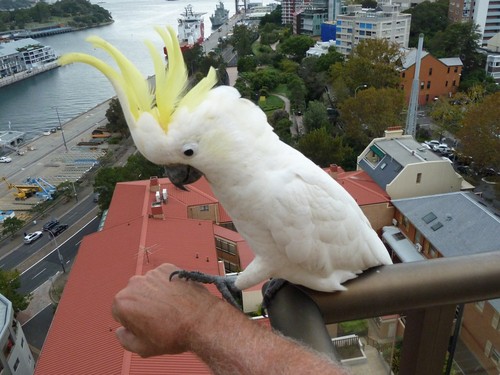
Sulphur-crested Cockatoo identified by the community
Real birds identified with Bird Identifier.
Other birds you may enjoy
Eclectus Parrot
35-42 cm (14-16.5 in) long
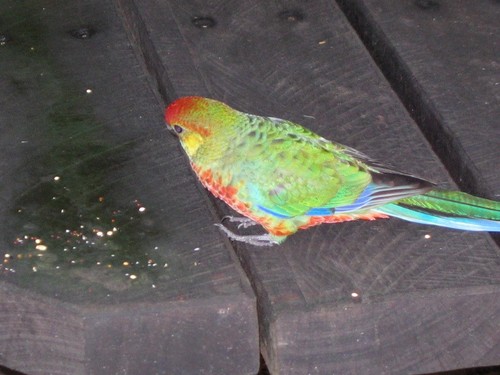
Western Rosella
25-30 cm (10-12 in) long
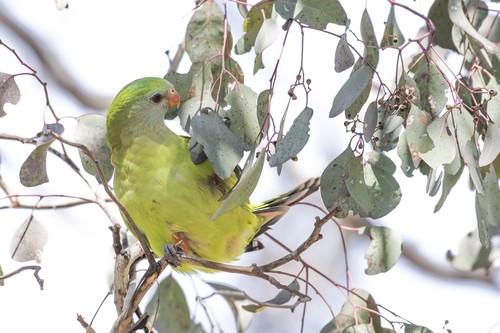
Superb Parrot
About 40 cm (16 in) long including a long tail
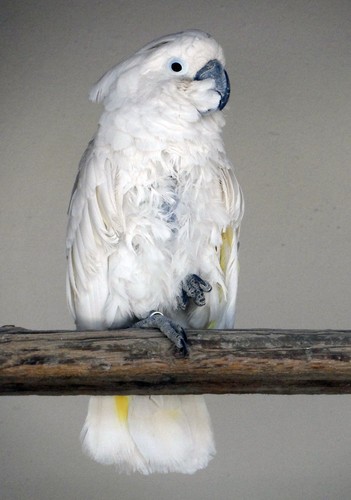
Umbrella Cockatoo
About 46 cm (18 in) long
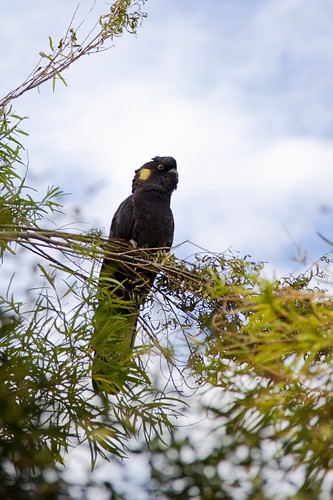
Yellow-tailed Black Cockatoo
55-65 cm long; wingspan up to about 130 cm
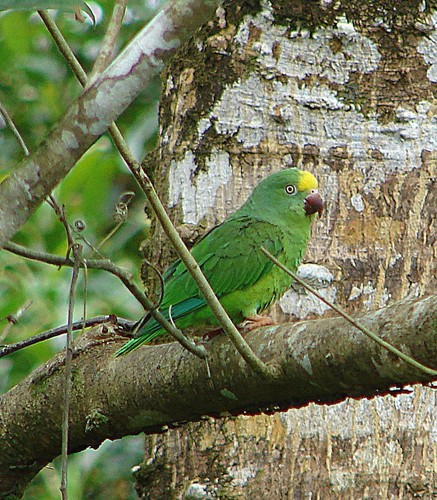
Yellow-crowned Amazon
About 35-38 cm (14-15 in) long
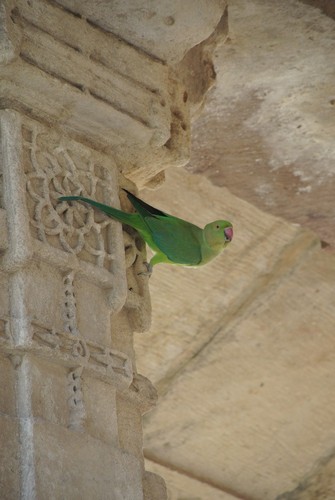
Rose-ringed Parakeet
40 cm (16 in) long including long tail
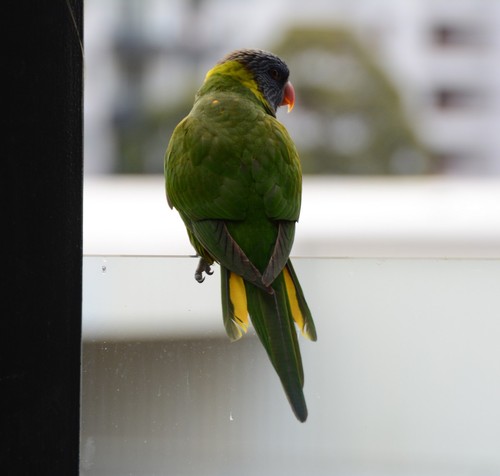
Rainbow Lorikeet
25-30 cm (10-12 in) long
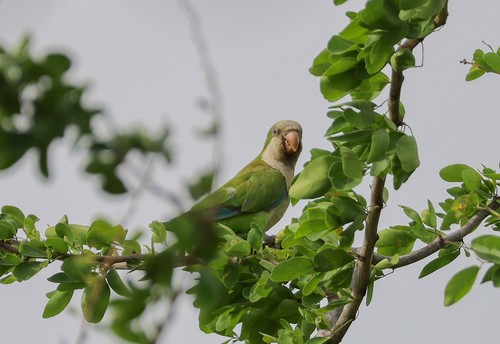
Quaker Parrot
28-31 cm (11-12 in) long
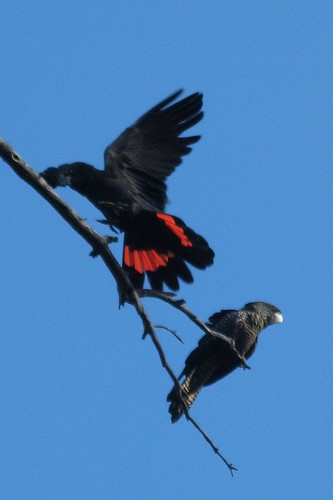
Red-tailed Black Cockatoo
55-65 cm long
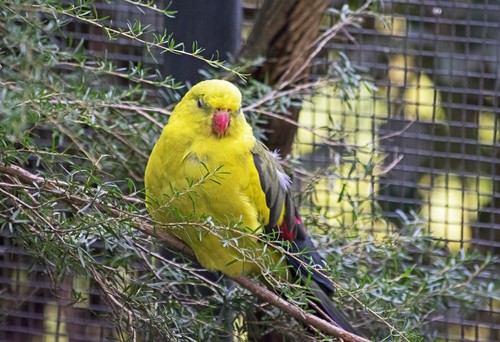
Regent Parrot
37-42 cm (15-17 in) long, including a long tail
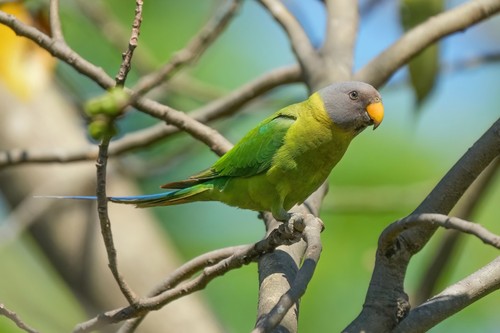
Plum-headed Parakeet
33 cm (13 in) long including tail