
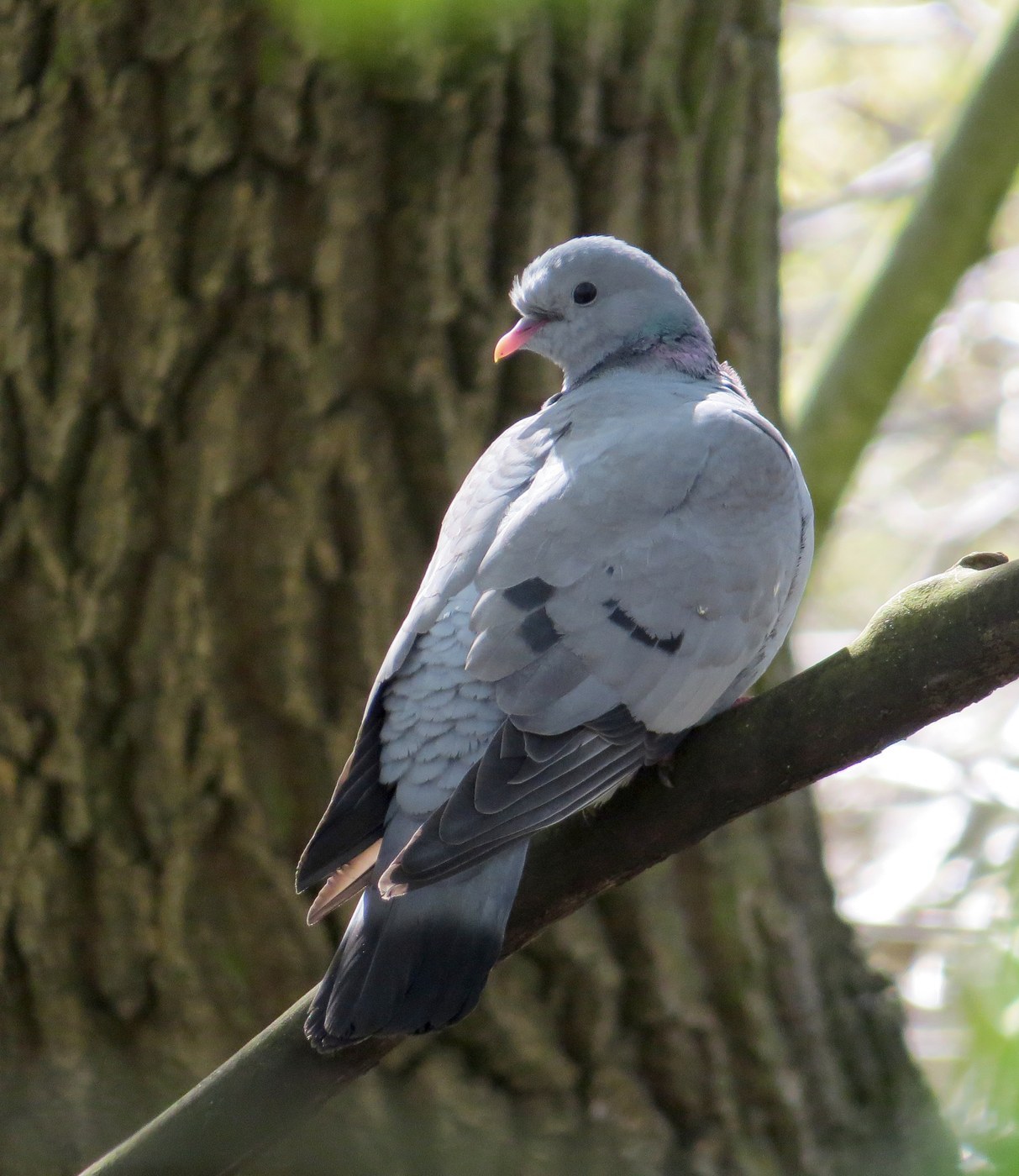
Stock Dove
Columba oenas
A blue-grey pigeon of farmland and parkland, smaller and neater than the Woodpigeon, lacking any white in the plumage.
- Size
- 32-34 cm (13 in) long, 63-69 cm wingspan
- Habitat
- farmland with old trees, parkland, and coastal cliffs
- Type
- other
Spotted a bird like this?
Identify any bird from a photo, free.
Overview
The Stock Dove is a medium-sized pigeon with soft blue-grey plumage overall, an iridescent green-and-purple patch on the side of the neck, a pale grey rump, and dark eyes set in an unmarked head. Two short black bars are visible on the closed wing.
It is often overlooked or mistaken for its larger, more familiar relatives, but lacks the white neck patch and white wing markings found on the Common Woodpigeon, giving it a cleaner, more uniform appearance overall.
How to identify it
Key field marks
- Plain blue-grey plumage with no white markings anywhere
- Iridescent green-purple patch on the neck side
- Two short, incomplete black wing bars
- Dark eye without a pale iris ring
- Soft, repetitive "oo-WOO-oo" cooing song
Similar species
- Common Woodpigeon is larger with a white neck patch and a bold white bar across the wing in flight.
- Rock Dove/feral pigeon varies greatly in plumage but typically shows a white rump absent in Stock Dove, and wing bars are usually longer and bolder.
The absence of any white in the plumage is the most reliable feature separating Stock Dove from its relatives.
Habitat & range
Habitat
Favors farmland with mature trees, parkland, old orchards, and in some regions coastal cliffs and quarries offering nest cavities.
Range
Widespread across most of Europe, from Britain and Iberia east to western Asia; largely absent from Scandinavia's far north.
Migration
Mostly resident in western Europe, though some northern and eastern populations are partial migrants, moving south in winter.
Behavior & voice
Behavior
Often seen in pairs or small flocks, sometimes mixing with Woodpigeons, feeding on open ground in fields and pastures.
Voice
Gives a soft, repetitive, two-syllable cooing song, "oo-WOO-oo", distinctly different from the longer, more varied cooing of the Woodpigeon.
Feeding
Feeds mainly on seeds, grain, and leaves gathered on the ground in open farmland.
Nesting and breeding
Nests in cavities such as old trees, cliff crevices, or buildings, unlike the Woodpigeon's twig nest. Pairs may raise several broods per year, laying 2 white eggs incubated by both parents for about 16-18 days.
Frequently asked questions
How do you tell a Stock Dove from a Woodpigeon?
The Stock Dove is smaller and lacks any white markings, while the Woodpigeon shows a white neck patch and a bold white wing bar.
Where does the Stock Dove nest?
In cavities such as old trees, cliff ledges, or buildings, unlike most pigeons which build stick nests.
What does the Stock Dove eat?
Mainly seeds, grain, and leaves gathered from open ground.
Is the Stock Dove common?
Yes, it is widespread across most of Europe, though often overlooked or confused with its more familiar relatives.
Stock Dove guides
In-depth guides for identifying, finding, and understanding Stock Dove.
Other birds you may enjoy
Kiwi
35-55 cm (14-22 in) long; roughly chicken-sized
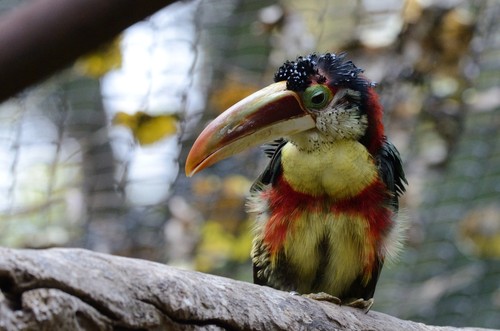
Curl-crested Aracari
41-46 cm (16-18 in) long, including a long bill and tail
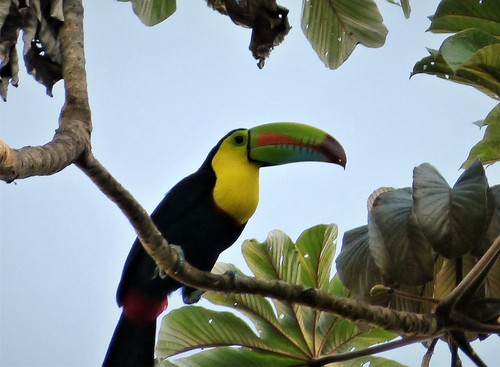
Keel-billed Toucan
42-55 cm (17-22 in) long including bill
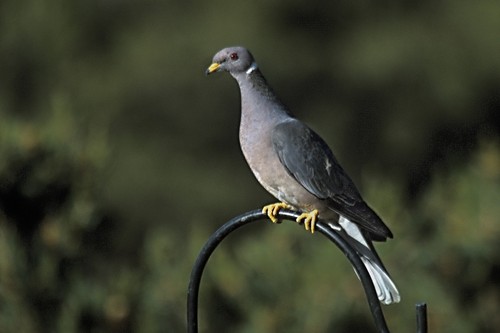
Band-tailed Pigeon
33-38 cm (13-15 in) long, wingspan about 66 cm (26 in)
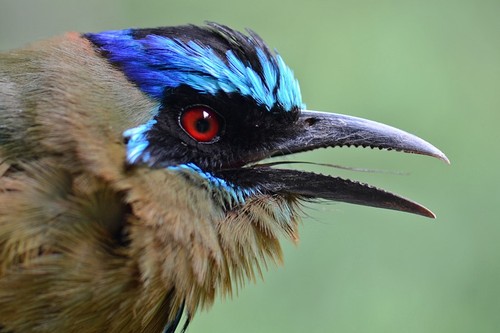
Blue-crowned Motmot
38-43 cm (15-17 in) long including tail
White-tipped Dove
27-30 cm (10.5-12 in) long, 38-43 cm wingspan

White-throated Kingfisher
27-28 cm (10.5-11 in) long
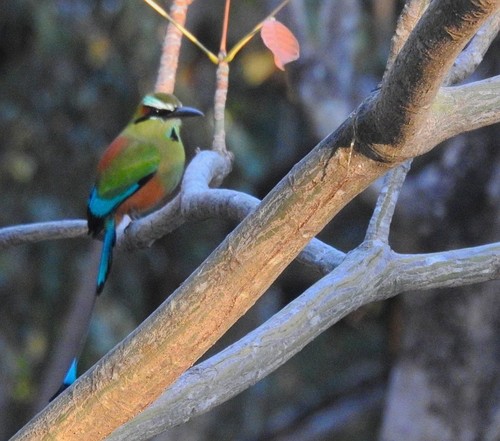
Turquoise-browed Motmot
34 cm (13 in) long including tail
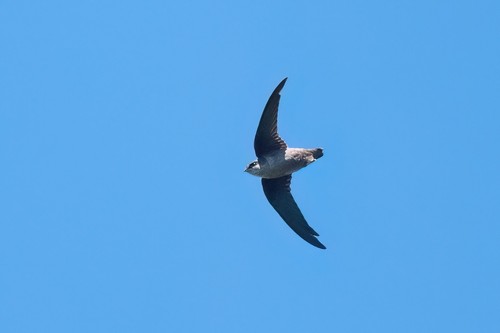
Vaux's Swift
10-12 cm (4-4.5 in) long, 27-30 cm wingspan
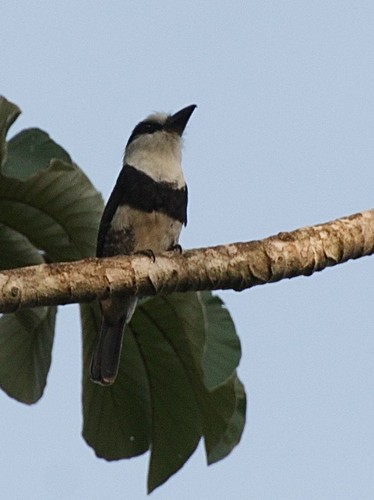
White-necked Puffbird
22-24 cm (8.5-9.5 in) long
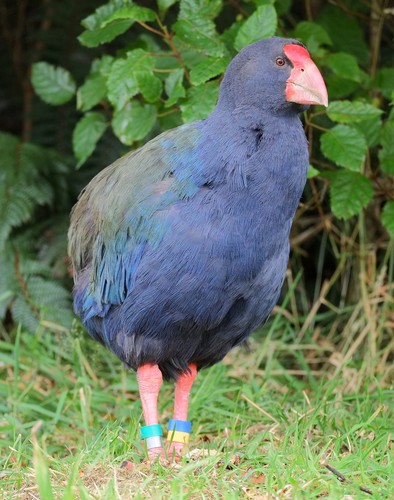
Takahe
50 cm (20 in) long, up to 3.5 kg; flightless
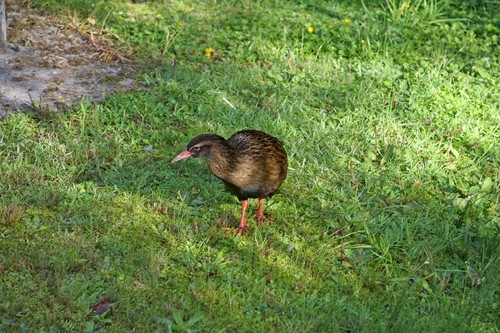
Weka
50-60 cm (20-24 in) long; flightless