
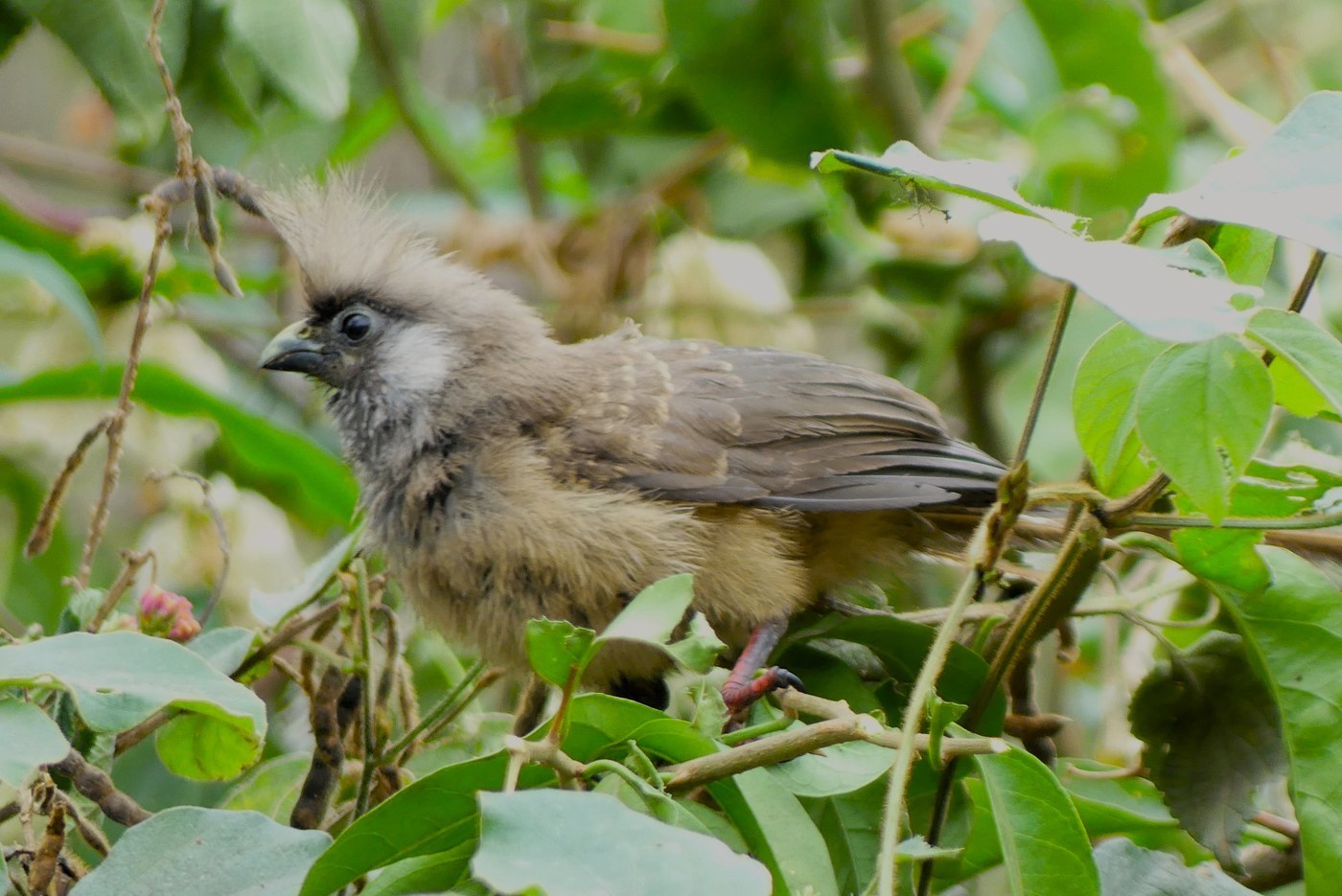
Speckled Mousebird
Colius striatus
The Speckled Mousebird is a common African bird with a long tail and soft grey-brown plumage that scurries through foliage in acrobatic little flocks, mouse-like.
- Size
- About 30-35 cm including the long tail, with a slender body around 14 cm
- Habitat
- Woodland edge, scrub, thickets, and gardens across sub-Saharan Africa
- Type
- other
Spotted a bird like this?
Identify any bird from a photo, free.
Overview
The Speckled Mousebird is a member of the small, distinctive mousebird family (Coliidae), found only in Africa. Its name comes from its habit of creeping through dense vegetation with a mouse-like scurrying gait.
Appearance
- Soft grey-brown plumage, finely speckled or barred on the head and neck
- A shaggy crest on the crown
- A very long, thin tail, roughly twice the length of the body
- Short legs and a stubby, dark bill
How to identify it
Key field marks
- Long, thin tail and shaggy crest
- Grey-brown body with fine speckling on the neck and head
- Feet with all four toes able to point forward, aiding climbing
Similar species
The Red-faced Mousebird has plain, unspeckled grey plumage and bright red bare skin around the eyes. The White-backed Mousebird shows a pale patch on the lower back. The Speckled Mousebird is told apart by its finely speckled neck and lack of red facial skin.
Habitat & range
Range
Widespread across sub-Saharan Africa, occurring from eastern to southern Africa.
Habitat
Favors woodland edges, thickets, scrub, and gardens with dense cover for shelter.
Movement
Resident and non-migratory throughout its range.
Behavior & voice
Behavior
Highly social, moving in tight flocks of half a dozen to twenty birds that clamber acrobatically through branches; flocks huddle together closely at night to conserve warmth.
Voice
Gives soft twittering notes and sharp "chizik" contact calls to keep the flock together.
Feeding
Feeds mainly on fruit, berries, leaves, and buds, often hanging in unusual postures to reach food.
Nesting and breeding
Builds a cup-shaped nest hidden in dense foliage; cooperative breeding with helpers assisting the breeding pair has been recorded in some populations.
Frequently asked questions
Why is it called a mousebird?
It scurries and creeps through dense vegetation in a mouse-like manner and often huddles together, giving rise to the name.
How is the Speckled Mousebird different from the Red-faced Mousebird?
The Speckled Mousebird has finely speckled grey-brown plumage and lacks the bright red bare facial skin of the Red-faced Mousebird.
Do Speckled Mousebirds live alone?
No, they are highly social and almost always found in small flocks.
What do Speckled Mousebirds eat?
They eat mainly fruit, berries, leaves, and buds.
Speckled Mousebird guides
In-depth guides for identifying, finding, and understanding Speckled Mousebird.
Other birds you may enjoy
Kiwi
35-55 cm (14-22 in) long; roughly chicken-sized
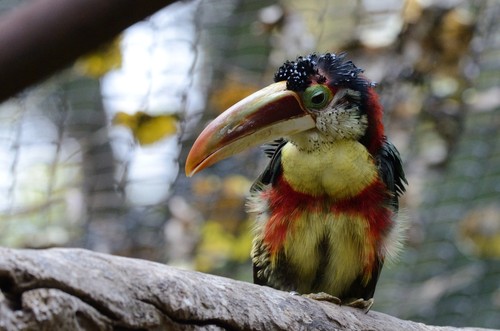
Curl-crested Aracari
41-46 cm (16-18 in) long, including a long bill and tail
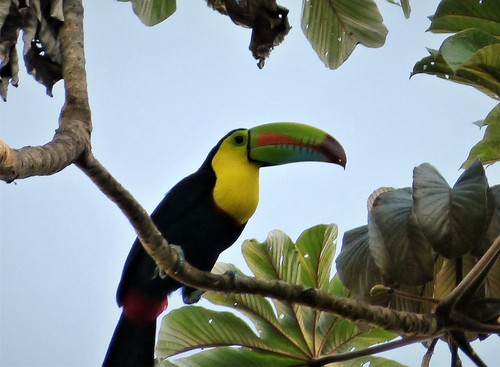
Keel-billed Toucan
42-55 cm (17-22 in) long including bill
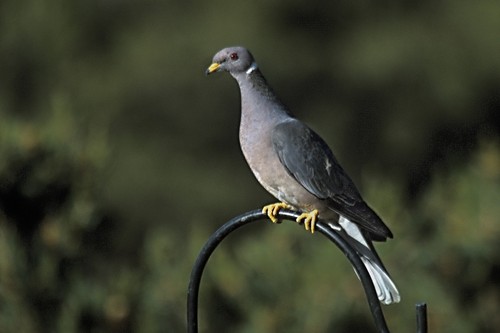
Band-tailed Pigeon
33-38 cm (13-15 in) long, wingspan about 66 cm (26 in)
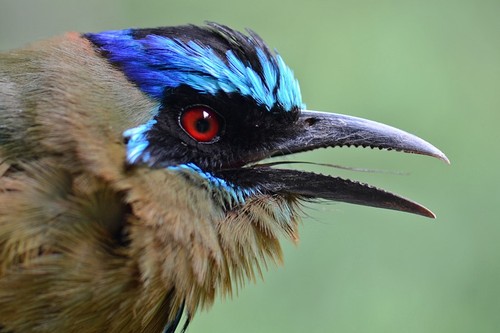
Blue-crowned Motmot
38-43 cm (15-17 in) long including tail
White-tipped Dove
27-30 cm (10.5-12 in) long, 38-43 cm wingspan
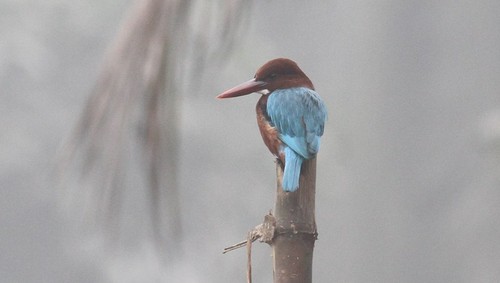
White-throated Kingfisher
27-28 cm (10.5-11 in) long
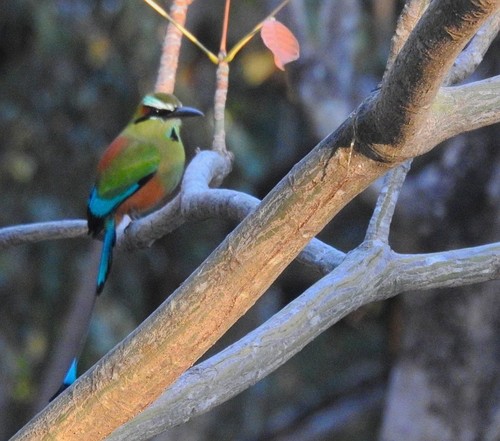
Turquoise-browed Motmot
34 cm (13 in) long including tail
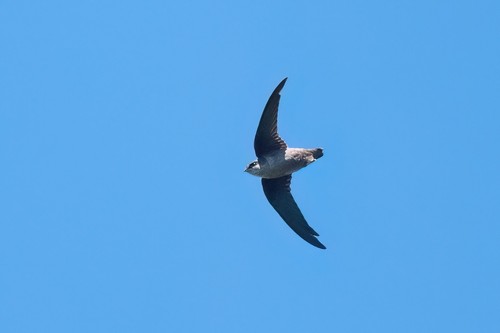
Vaux's Swift
10-12 cm (4-4.5 in) long, 27-30 cm wingspan
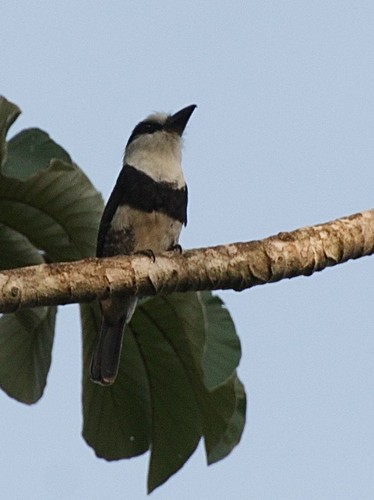
White-necked Puffbird
22-24 cm (8.5-9.5 in) long
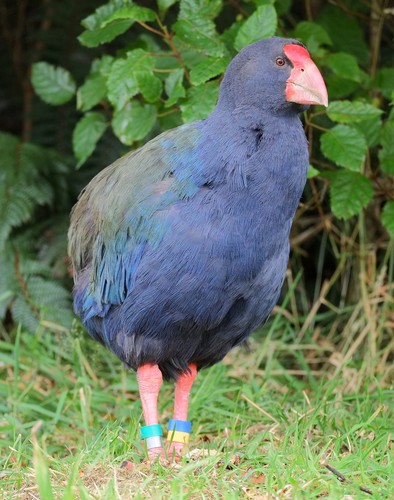
Takahe
50 cm (20 in) long, up to 3.5 kg; flightless
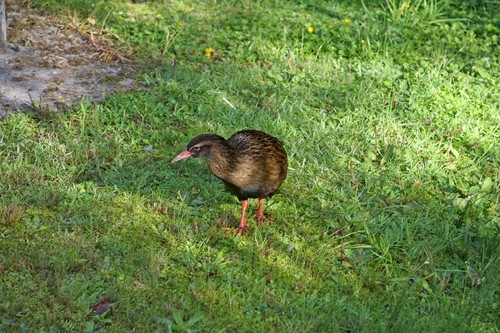
Weka
50-60 cm (20-24 in) long; flightless