
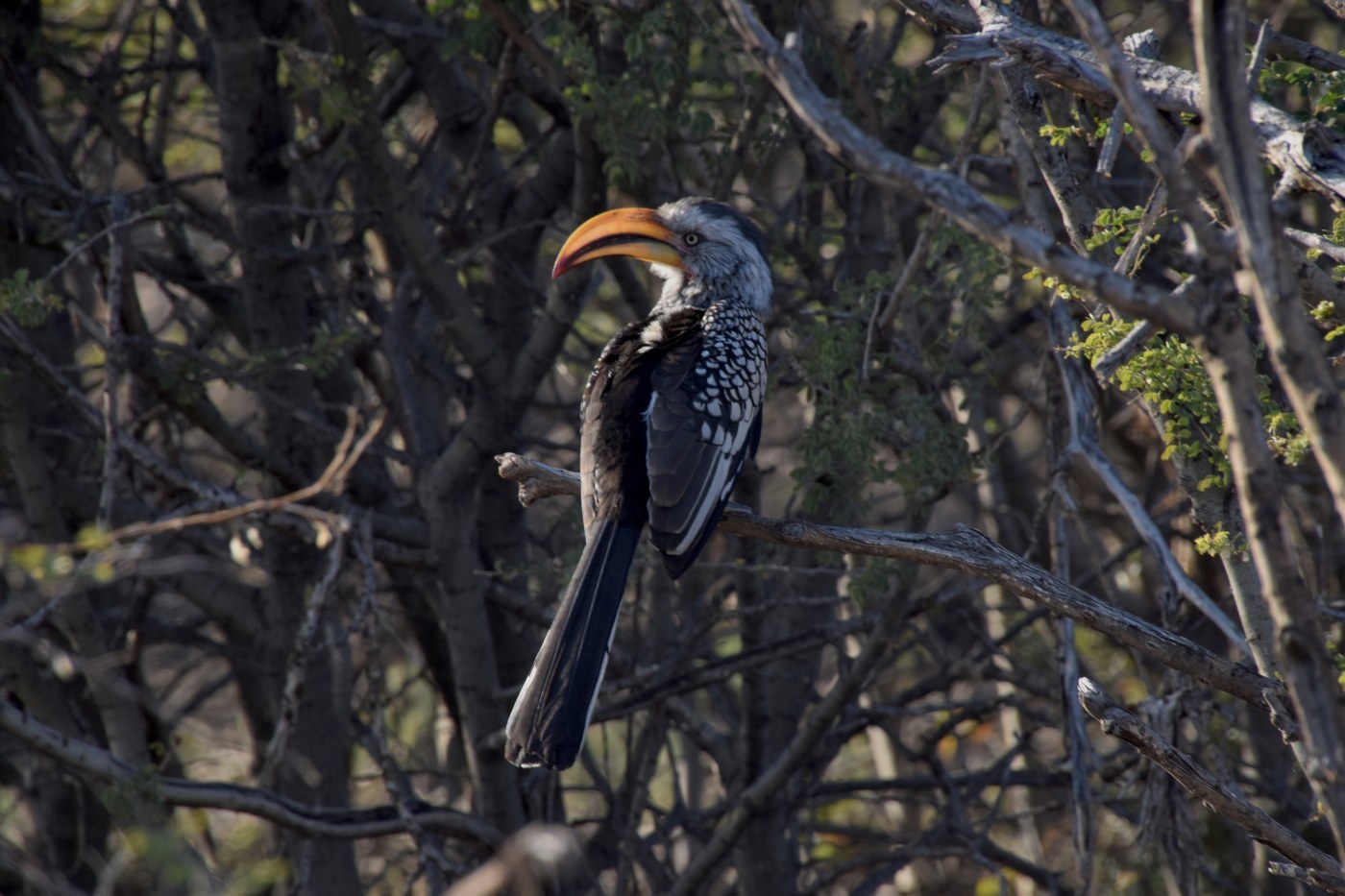
Southern Yellow-billed Hornbill
Tockus leucomelas
A common southern African savanna hornbill instantly recognizable by its black-and-white plumage and oversized curved yellow bill.
- Size
- Length 48-60 cm, with a long, prominent decurved bill
- Habitat
- Dry savanna, thornveld, and open woodland of southern Africa
- Type
- other
Spotted a bird like this?
Identify any bird from a photo, free.
Overview
The Southern Yellow-billed Hornbill is a familiar medium-sized hornbill of southern African bushveld, easily identified by its long, curved, bright yellow bill set against black-and-white plumage.
Appearance
- Large, downward-curved yellow bill, proportionally very large relative to the head
- Blackish crown, back, and wings with white spotting on the wing coverts
- White underparts, throat, and face with a black facial stripe through the eye
- Short crest and relatively long tail
- Sexes similar, though females have a somewhat shorter bill
How to identify it
Key field marks
- Very large, bright yellow, downcurved bill
- Black-and-white plumage pattern with spotted wings
- Bounding, undulating flight typical of hornbills
Similar species
The Southern Red-billed Hornbill is smaller and slimmer with a thin bright red bill rather than a heavy yellow one. The African Grey Hornbill has an overall greyer, more subdued plumage and a dark bill with a pale casque ridge, lacking the bold yellow bill of this species.
Habitat & range
Habitat
This hornbill favors dry savanna, thornveld, and open broadleaved woodland, often in areas with scattered acacia trees.
Range
It occurs across southern Africa, including Namibia, Botswana, Zimbabwe, and South Africa, extending into parts of Mozambique and Zambia.
Migration
It is non-migratory and sedentary, remaining within established territories or home ranges year-round.
Behavior & voice
Behavior
Southern Yellow-billed Hornbills are often seen in pairs or small family groups, foraging on the ground and hopping with an animated gait, flicking food items into the air before swallowing them. Flight is characteristically undulating, alternating flapping with glides.
Voice
Calls include a series of loud, piping "tok-tok-tok" notes that accelerate and rise in pitch, often delivered as a duet between paired birds with bobbing head movements.
Feeding
They feed opportunistically on the ground and in low vegetation, taking insects such as termites and beetles, small reptiles, seeds, and fruit, and are known to follow mammals or fires to catch flushed prey.
Nesting & breeding
Like other hornbills, females seal themselves into a tree cavity nest using mud, droppings, and food, leaving only a narrow slit through which the male passes food during incubation and early chick rearing; the female later breaks out once the chicks are partly grown.
Frequently asked questions
How do you tell a Yellow-billed Hornbill from a Red-billed Hornbill?
The Southern Yellow-billed Hornbill has a large, heavy, bright yellow bill, while the Southern Red-billed Hornbill has a thinner, bright red bill and a slightly slimmer body.
Why do female hornbills seal themselves inside the nest?
Sealing the cavity entrance with mud and droppings protects the female and eggs from predators and nest competitors while she is incubating and molting.
What does a Southern Yellow-billed Hornbill eat?
It eats a varied diet of insects, small reptiles, seeds, and fruit, foraging mainly on the ground.
Where is the Southern Yellow-billed Hornbill found?
It is found in dry savanna and woodland across southern Africa, including Namibia, Botswana, South Africa, and Zimbabwe.
Southern Yellow-billed Hornbill guides
In-depth guides for identifying, finding, and understanding Southern Yellow-billed Hornbill.
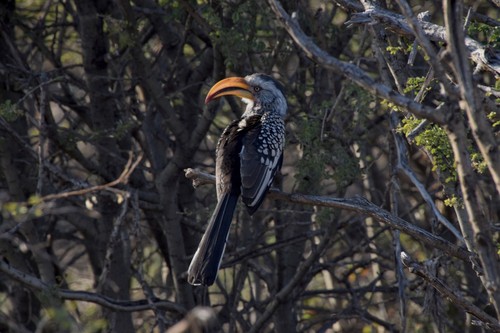
Southern Yellow-billed Hornbill identified by the community
Real birds identified with Bird Identifier.
Other birds you may enjoy
Kiwi
35-55 cm (14-22 in) long; roughly chicken-sized
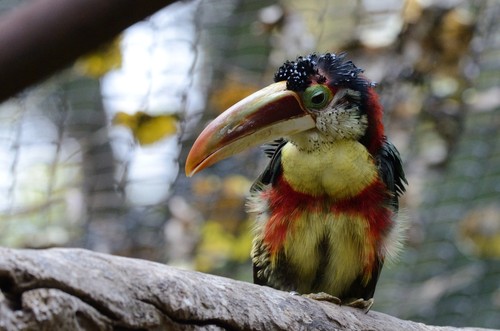
Curl-crested Aracari
41-46 cm (16-18 in) long, including a long bill and tail
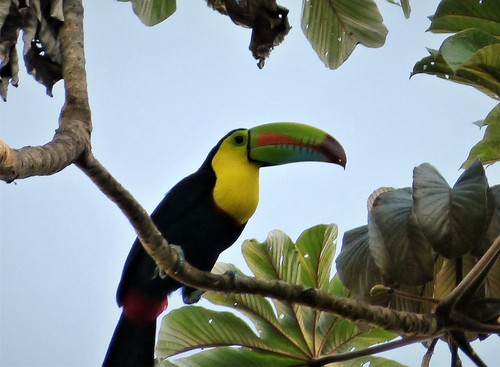
Keel-billed Toucan
42-55 cm (17-22 in) long including bill
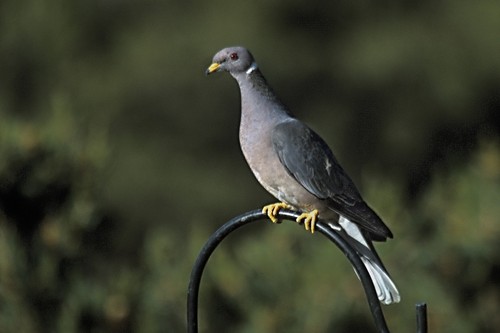
Band-tailed Pigeon
33-38 cm (13-15 in) long, wingspan about 66 cm (26 in)
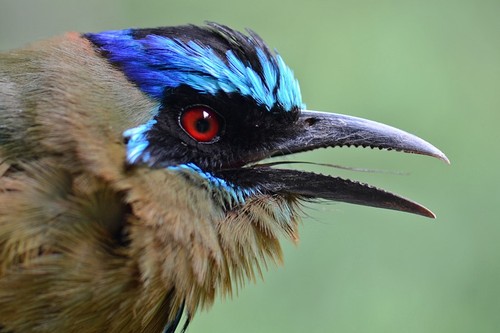
Blue-crowned Motmot
38-43 cm (15-17 in) long including tail
White-tipped Dove
27-30 cm (10.5-12 in) long, 38-43 cm wingspan
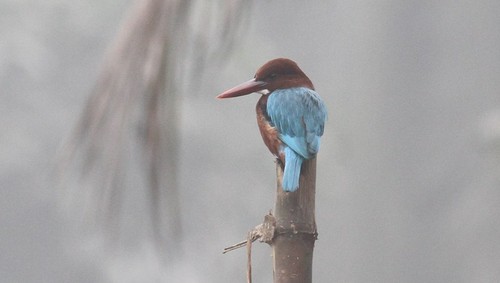
White-throated Kingfisher
27-28 cm (10.5-11 in) long
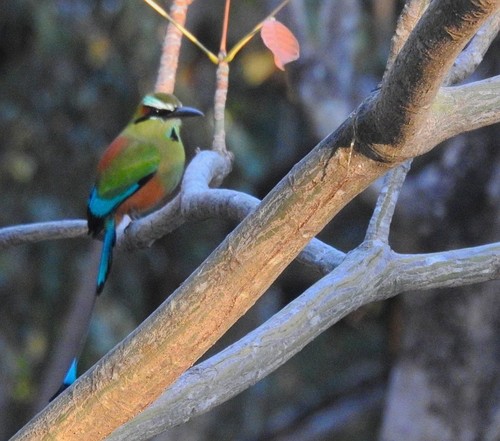
Turquoise-browed Motmot
34 cm (13 in) long including tail
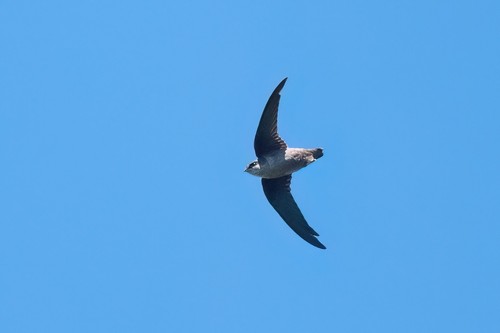
Vaux's Swift
10-12 cm (4-4.5 in) long, 27-30 cm wingspan
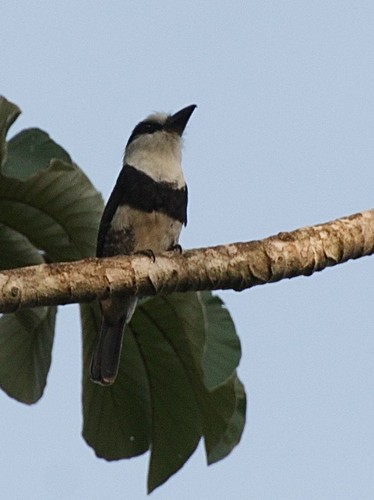
White-necked Puffbird
22-24 cm (8.5-9.5 in) long
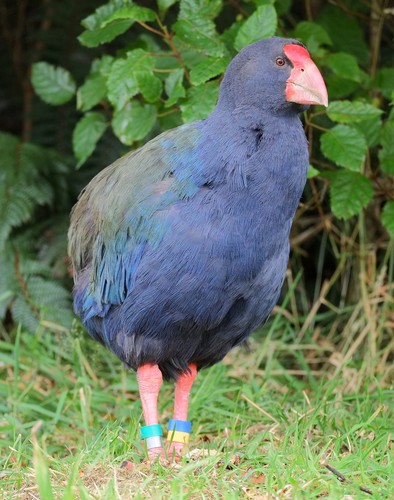
Takahe
50 cm (20 in) long, up to 3.5 kg; flightless
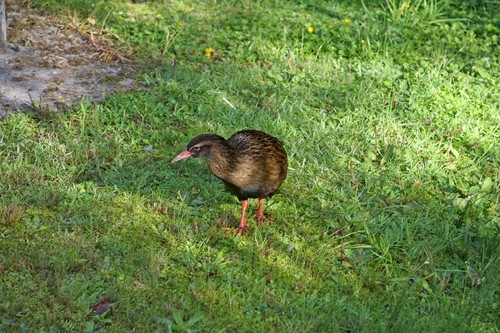
Weka
50-60 cm (20-24 in) long; flightless