
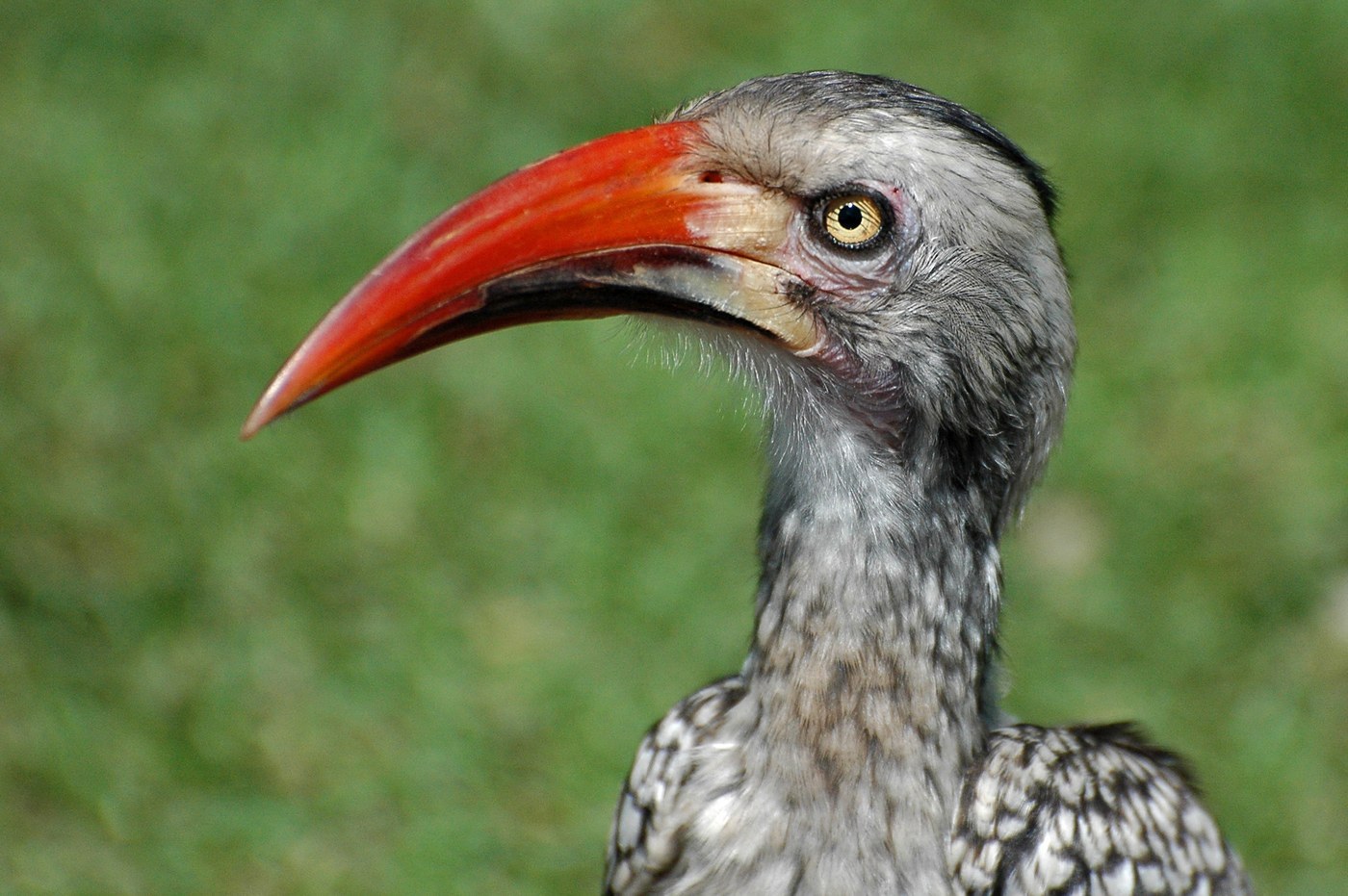
Southern Red-billed Hornbill
Tockus rufirostris
A slender black-and-white southern African hornbill distinguished by its long, slim, bright red bill.
- Size
- Length 42-50 cm, with a long, slender, decurved bill
- Habitat
- Dry savanna woodland of southern Africa
- Type
- other
Spotted a bird like this?
Identify any bird from a photo, free.
Overview
The Southern Red-billed Hornbill is a slim, medium-sized hornbill of southern African savanna, part of a group of similar-looking red-billed hornbills that were once considered a single species. It is identified by its long, narrow, bright red bill.
Appearance
- Long, slender, downcurved red bill
- Dark greyish-brown to blackish upperparts with white spotting on the wing coverts
- White underparts and face with dark eye-stripes
- Slim body shape and long tail compared to yellow-billed relatives
- Sexes are similar, with females typically having a slightly smaller bill
How to identify it
Key field marks
- Thin, elongated, bright red bill (versus the thicker yellow bill of the Yellow-billed Hornbill)
- Slender build with heavily spotted black-and-white wings
- Bounding, undulating flight
Similar species
The Southern Yellow-billed Hornbill has a much larger, heavier yellow bill. Other red-billed hornbill species in the genus Tockus (such as the Northern Red-billed Hornbill and Damara Red-billed Hornbill) are very similar and best distinguished by range and subtle differences in bill shape and plumage spotting.
Habitat & range
Habitat
This species inhabits dry savanna woodland, thornveld, and riverine bush, often in areas with sandy soils favored by termites.
Range
It occurs across southern Africa, including South Africa, Zimbabwe, Mozambique, and parts of Botswana and Zambia, overlapping in range with the Southern Yellow-billed Hornbill in many areas.
Migration
It is sedentary and non-migratory, generally remaining in stable territories throughout the year.
Behavior & voice
Behavior
Southern Red-billed Hornbills are usually seen alone, in pairs, or in small family parties, foraging actively on the ground with a bouncing gait and taking short undulating flights between feeding areas.
Voice
Calls consist of loud, clucking "kuk-kuk-kuk" notes, often given in duet by paired birds accompanied by wing-raising displays.
Feeding
They specialize heavily on termites and ants, which they dig from the soil or leaf litter, supplementing this with other insects, small invertebrates, and occasionally seeds.
Nesting & breeding
As in other hornbills, the female seals herself into a tree cavity nest with a mud plug, leaving a narrow slit for the male to pass food through; she remains sealed in through incubation and early chick-rearing before breaking free.
Frequently asked questions
What is the easiest way to tell this hornbill apart from the Yellow-billed Hornbill?
Look at the bill: the Southern Red-billed Hornbill has a thin, bright red bill, while the Southern Yellow-billed Hornbill has a much larger, heavier yellow bill.
What does the Southern Red-billed Hornbill eat?
It feeds mainly on termites and ants, along with other small insects and invertebrates, foraged from the ground.
Is the Southern Red-billed Hornbill the same as other red-billed hornbills?
It was formerly lumped with other red-billed hornbill populations across Africa but is now recognized as a distinct species restricted to southern Africa.
Where does the Southern Red-billed Hornbill live?
It lives in dry savanna woodland across southern Africa, including South Africa, Zimbabwe, and Mozambique.
Southern Red-billed Hornbill guides
In-depth guides for identifying, finding, and understanding Southern Red-billed Hornbill.
Other birds you may enjoy
Kiwi
35-55 cm (14-22 in) long; roughly chicken-sized
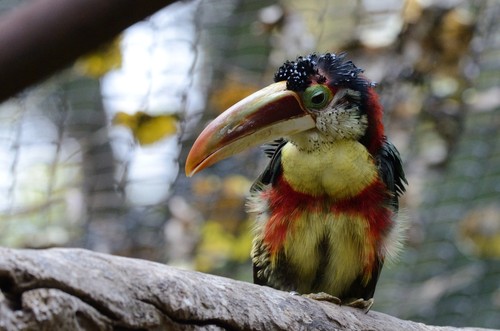
Curl-crested Aracari
41-46 cm (16-18 in) long, including a long bill and tail
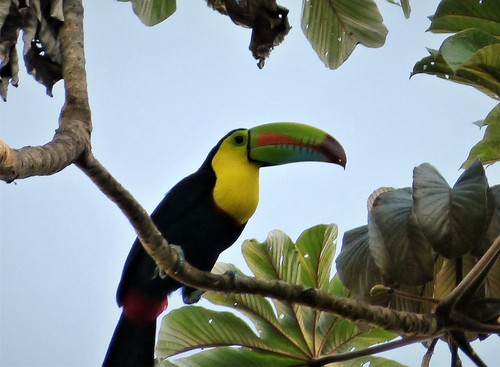
Keel-billed Toucan
42-55 cm (17-22 in) long including bill
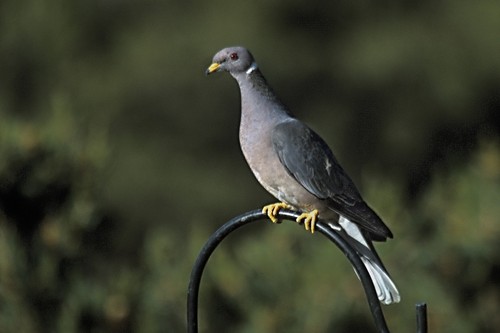
Band-tailed Pigeon
33-38 cm (13-15 in) long, wingspan about 66 cm (26 in)
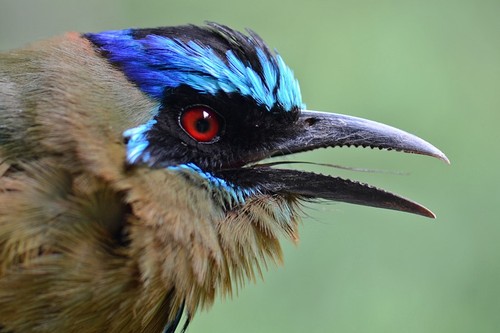
Blue-crowned Motmot
38-43 cm (15-17 in) long including tail
White-tipped Dove
27-30 cm (10.5-12 in) long, 38-43 cm wingspan
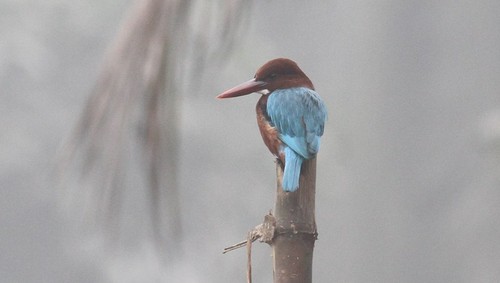
White-throated Kingfisher
27-28 cm (10.5-11 in) long
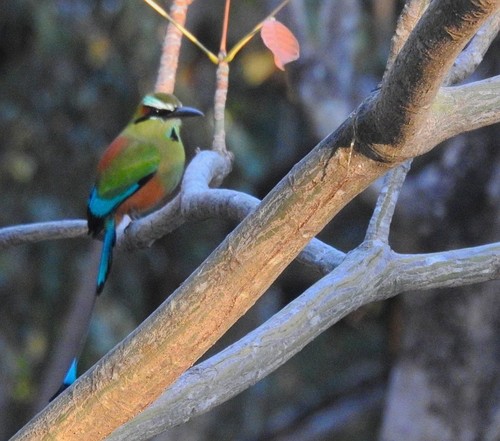
Turquoise-browed Motmot
34 cm (13 in) long including tail
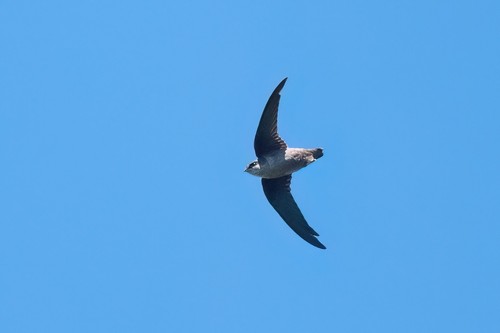
Vaux's Swift
10-12 cm (4-4.5 in) long, 27-30 cm wingspan
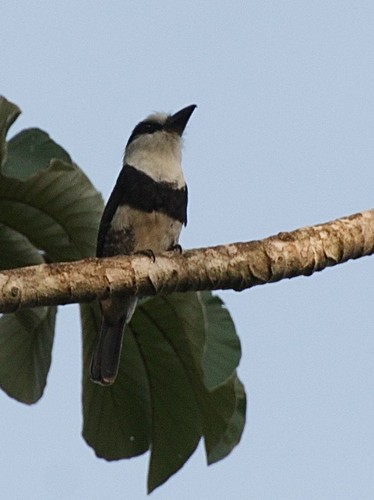
White-necked Puffbird
22-24 cm (8.5-9.5 in) long
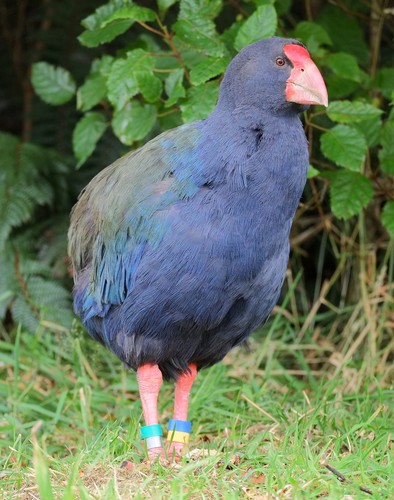
Takahe
50 cm (20 in) long, up to 3.5 kg; flightless
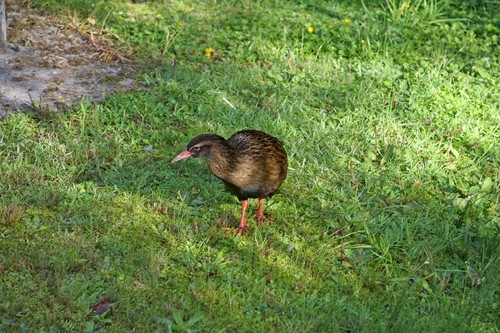
Weka
50-60 cm (20-24 in) long; flightless