
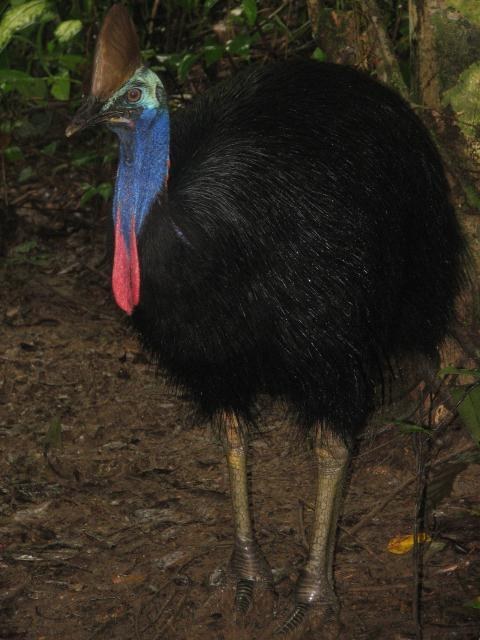
Southern Cassowary
Casuarius casuarius
A large, flightless rainforest bird with glossy black plumage, a vivid blue-and-red neck, and a tall bony casque atop its head.
- Size
- 1.5-1.8 m (5-6 ft) tall; among the heaviest living birds
- Habitat
- Dense tropical rainforest of New Guinea and northeastern Australia
- Type
- other
Spotted a bird like this?
Identify any bird from a photo, free.
Overview
The Southern Cassowary is a massive flightless bird of the tropical rainforests of New Guinea and northeastern Australia, instantly recognizable by its coarse black plumage, vividly colored blue and red neck and head skin, and a tall, helmet-like keratin casque on its crown. Two fleshy red wattles hang from the throat, giving it the alternate name Double-wattled Cassowary.
Despite its striking appearance, the Cassowary is a shy, solitary forest dweller rarely seen in the open, and it plays a critical ecological role dispersing the seeds of many rainforest fruit trees.
How to identify it
Key Field Marks
- Tall bony casque on top of the head
- Vivid blue face and neck with red patches and two hanging red wattles
- Coarse, glossy black body plumage
- Powerful legs with a sharp, dagger-like inner toe claw
- Bare blue neck skin visible even at a distance
Similar Species
- The Emu lacks a casque and colorful neck skin, has grayish-brown plumage, and inhabits open country rather than rainforest
- The Northern and Dwarf Cassowaries are smaller and have different casque shapes and wattle patterns, and occur only in New Guinea, not Australia
Habitat & range
Range
Tropical rainforests of New Guinea, nearby islands, and the far northeastern tip of Queensland, Australia (Cape York Peninsula and the Wet Tropics near Cairns).
Habitat
Dense lowland and montane tropical rainforest, also using adjacent mangroves, swamp forest, and forest edges near fruiting trees.
Migration
Non-migratory and territorial, maintaining a stable home range within continuous forest.
Behavior & voice
Behavior
Solitary and elusive, moving quietly through dense understory; can deliver a powerful, potentially dangerous kick with its clawed feet when threatened or cornered, particularly if approached too closely or fed by humans.
Voice
Produces a very low-frequency booming or rumbling call, among the lowest-pitched of any bird, which carries well through dense forest; also hisses and grunts.
Feeding
Primarily frugivorous, swallowing whole fallen fruit from a wide range of rainforest trees and playing a key role as a seed disperser for large-seeded species few other animals can process.
Nesting & Breeding
As in Emus, the male alone builds the ground nest, incubates the eggs for about 50 days, and raises the striped chicks after the female departs to find other mates.
Frequently asked questions
Are Cassowaries dangerous?
They can be, especially if provoked, cornered, or fed by people; their powerful clawed feet can deliver serious kicks, though unprovoked attacks on humans are rare.
What is the casque on a Cassowary's head for?
Its exact function is debated, with theories including protection while pushing through dense vegetation, dominance signaling, and possibly sound amplification.
Where do Southern Cassowaries live?
In tropical rainforests of New Guinea and the Wet Tropics of far northeastern Queensland, Australia.
What do Cassowaries eat?
Mostly fallen rainforest fruit, which they swallow whole, along with occasional fungi, insects, and small animals.
Can Cassowaries fly?
No, they are flightless, relying on strong legs to move through dense forest and swim across streams if needed.
Southern Cassowary guides
In-depth guides for identifying, finding, and understanding Southern Cassowary.
Other birds you may enjoy
Kiwi
35-55 cm (14-22 in) long; roughly chicken-sized
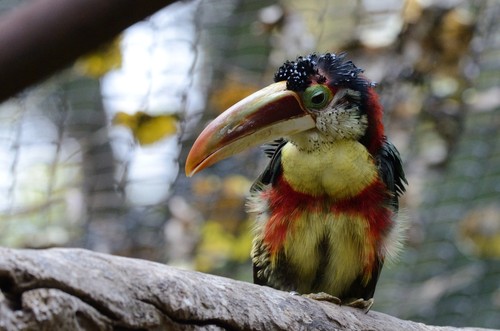
Curl-crested Aracari
41-46 cm (16-18 in) long, including a long bill and tail
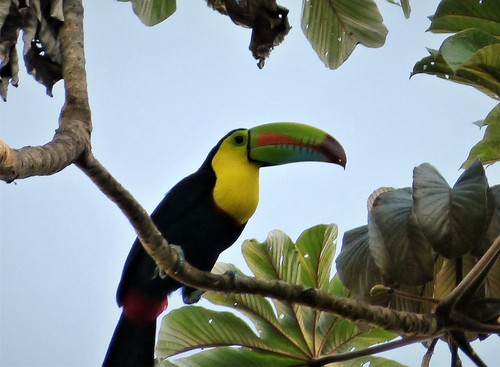
Keel-billed Toucan
42-55 cm (17-22 in) long including bill
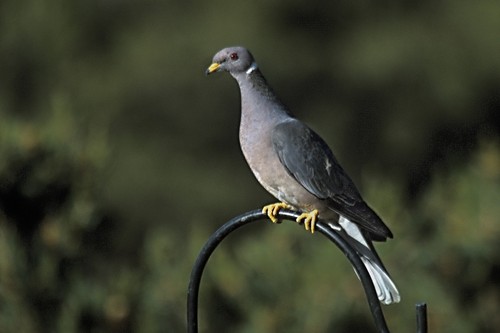
Band-tailed Pigeon
33-38 cm (13-15 in) long, wingspan about 66 cm (26 in)
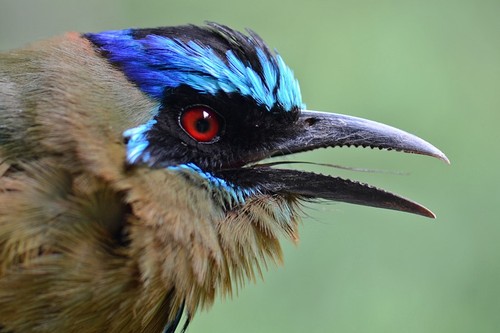
Blue-crowned Motmot
38-43 cm (15-17 in) long including tail
White-tipped Dove
27-30 cm (10.5-12 in) long, 38-43 cm wingspan
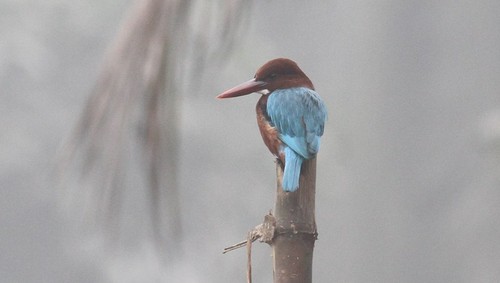
White-throated Kingfisher
27-28 cm (10.5-11 in) long
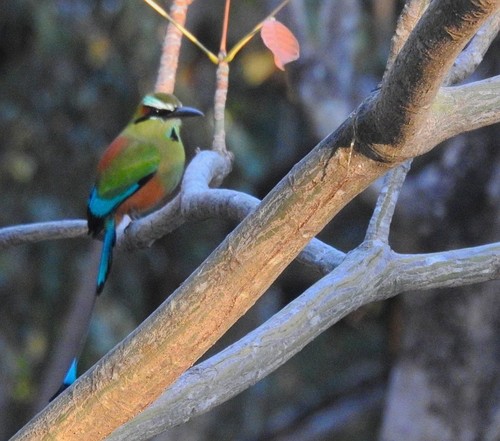
Turquoise-browed Motmot
34 cm (13 in) long including tail
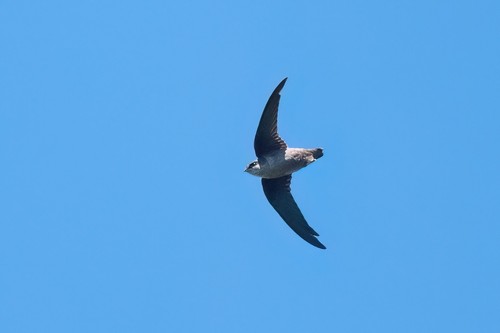
Vaux's Swift
10-12 cm (4-4.5 in) long, 27-30 cm wingspan
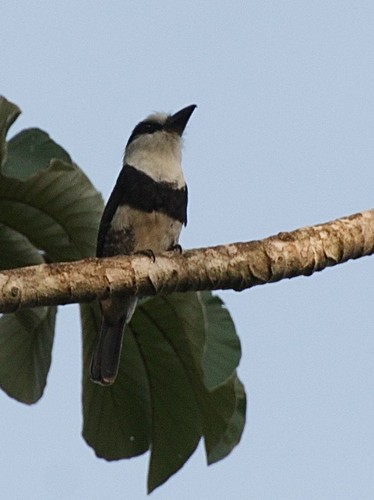
White-necked Puffbird
22-24 cm (8.5-9.5 in) long
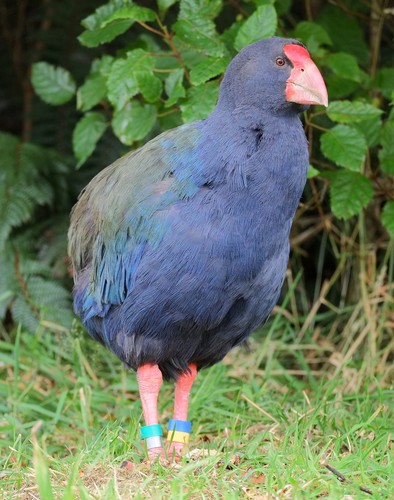
Takahe
50 cm (20 in) long, up to 3.5 kg; flightless
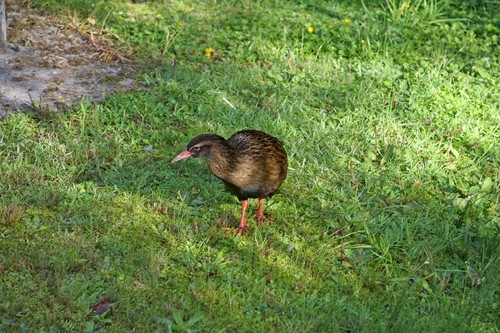
Weka
50-60 cm (20-24 in) long; flightless