
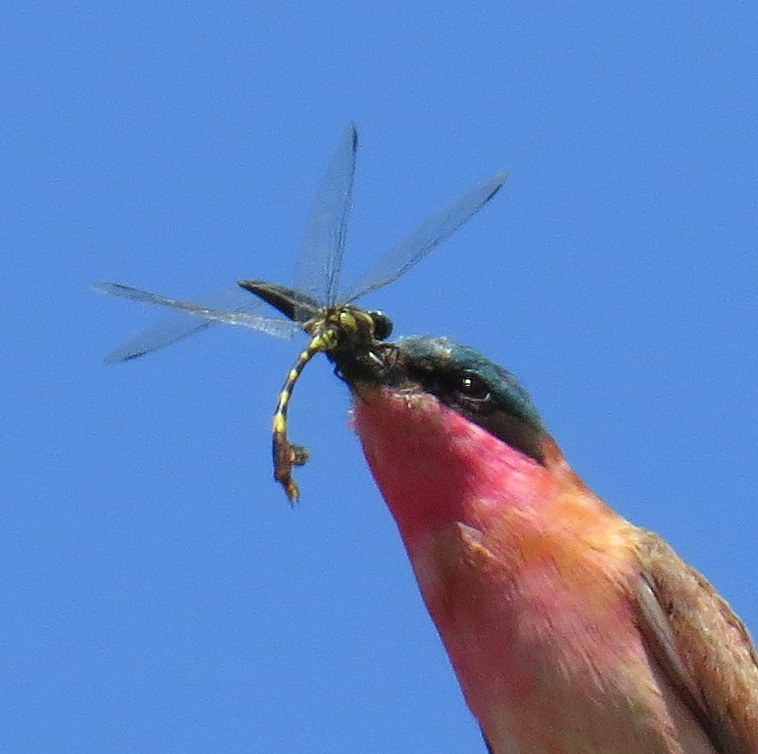
Southern Carmine Bee-eater
Merops nubicoides
A spectacular pink-and-turquoise bee-eater of southern Africa that forms enormous cliffside breeding colonies along major rivers.
- Size
- 24–27 cm long plus elongated central tail feathers, wingspan about 35–40 cm
- Habitat
- Riverine savanna and open country with sandy riverbanks in south-central and southern Africa
- Type
- other
Spotted a bird like this?
Identify any bird from a photo, free.
Overview
The Southern Carmine Bee-eater is a large, vividly colored bee-eater famous for its massive nesting colonies on sandy river cliffs in southern Africa.
Appearance
- Rich carmine-pink plumage covering most of the body, including the throat
- Turquoise-blue crown patch
- Greenish-blue undertail coverts and rump
- Black mask through the eye
- Long, thin central tail streamers extending beyond the rest of the tail
Sexes look alike; juveniles are duller pink with shorter tail streamers.
How to identify it
Key field marks
- Carmine-pink throat that matches the body color (not blue)
- Turquoise-blue crown, contrasting with the pink body
- Long central tail streamers and black eye mask
Similar species
- The (Northern) Carmine Bee-eater is nearly identical but has a turquoise-blue throat rather than a pink one, with blue extending from the crown down through the throat.
- White-fronted Bee-eater is green-bodied with a white forehead, easily distinguished by its very different color scheme.
- Geography helps too: this species breeds in south-central and southern Africa, while the Northern Carmine breeds in the Sahel and northeastern Africa.
Habitat & range
Range
Breeds in south-central Africa, including Zambia, Zimbabwe, Botswana, Mozambique, and northeastern South Africa, migrating north into Central and East Africa (including the Congo Basin) during the non-breeding season.
Habitat
Open savanna and riverine country, requiring tall, vertical sandy riverbanks for nesting colonies; also forages over grassland and floodplains.
Movements
A long-distance intra-African migrant, arriving at southern African breeding rivers in the austral spring and moving north to equatorial Africa after breeding.
Behavior & voice
Behavior
Extremely gregarious, breeding in some of the largest bird colonies in Africa, with tens of thousands of burrows sometimes riddling a single riverbank; also known for perching on the backs of large animals, boats, or vehicles to sally after flushed insects.
Voice
A rolling, guttural chattering call similar to other carmine bee-eaters, frequently heard as flocks wheel over the colony.
Feeding
Hawks bees, wasps, dragonflies, and grasshoppers in fast aerial sallies, often foraging in large, loose flocks over open ground and water.
Nesting
Digs tunnel nests up to 1–2 m long into vertical sandy cliffs along rivers; colonies are dense and highly synchronized, timed to coincide with low river levels that expose nesting banks.
Frequently asked questions
What is the easiest way to identify a Southern Carmine Bee-eater?
Look for an overall carmine-pink bird, including the throat, with a contrasting turquoise-blue crown patch and long central tail streamers.
How is it different from the (Northern) Carmine Bee-eater?
The Southern Carmine Bee-eater has a pink throat matching its body, while the Northern Carmine Bee-eater has a turquoise-blue throat; their breeding ranges also differ, with Southern Carmine in southern Africa and Northern Carmine in the Sahel region.
Where can you see large colonies of Southern Carmine Bee-eaters?
They form spectacular breeding colonies on sandy riverbanks in countries such as Zambia, Zimbabwe, Botswana, and Mozambique, particularly along major rivers during the dry season.
Is the Southern Carmine Bee-eater migratory?
Yes, after breeding in southern Africa it migrates north into Central and East Africa for the non-breeding season.
Southern Carmine Bee-eater guides
In-depth guides for identifying, finding, and understanding Southern Carmine Bee-eater.
Other birds you may enjoy
Kiwi
35-55 cm (14-22 in) long; roughly chicken-sized
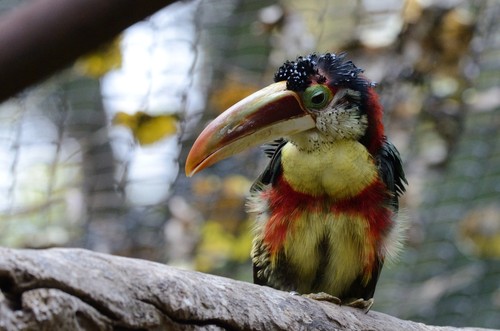
Curl-crested Aracari
41-46 cm (16-18 in) long, including a long bill and tail
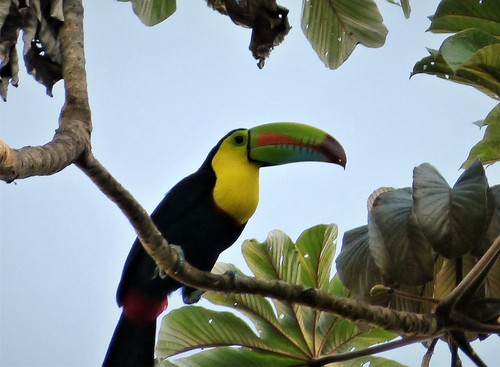
Keel-billed Toucan
42-55 cm (17-22 in) long including bill
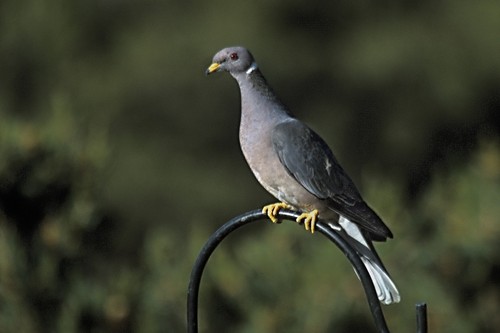
Band-tailed Pigeon
33-38 cm (13-15 in) long, wingspan about 66 cm (26 in)
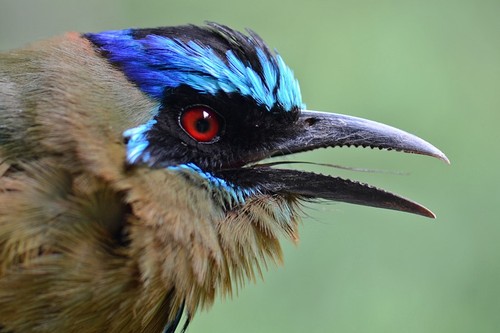
Blue-crowned Motmot
38-43 cm (15-17 in) long including tail
White-tipped Dove
27-30 cm (10.5-12 in) long, 38-43 cm wingspan
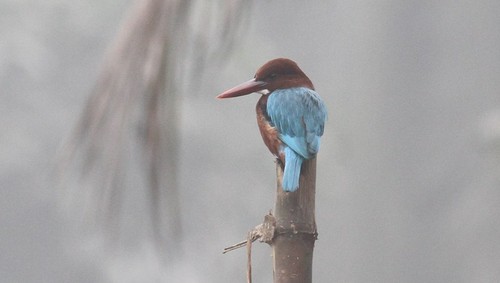
White-throated Kingfisher
27-28 cm (10.5-11 in) long
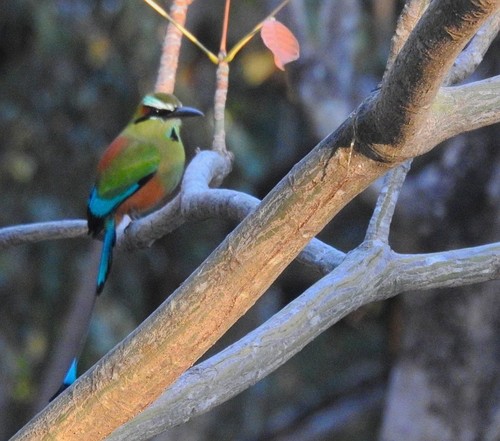
Turquoise-browed Motmot
34 cm (13 in) long including tail
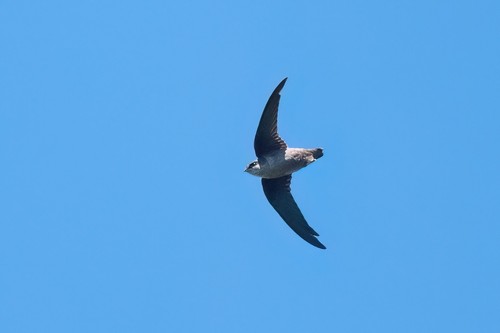
Vaux's Swift
10-12 cm (4-4.5 in) long, 27-30 cm wingspan
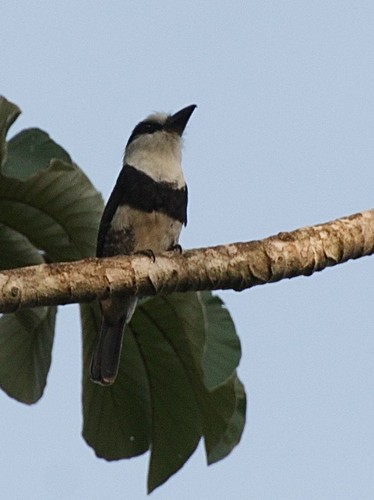
White-necked Puffbird
22-24 cm (8.5-9.5 in) long
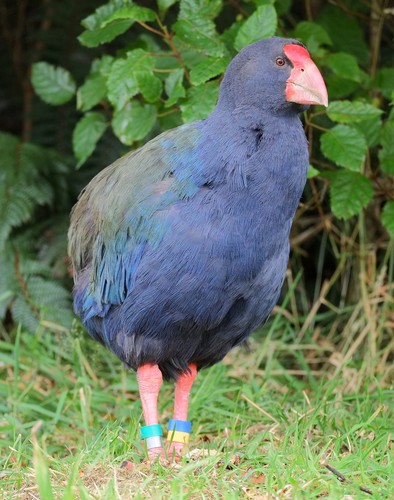
Takahe
50 cm (20 in) long, up to 3.5 kg; flightless
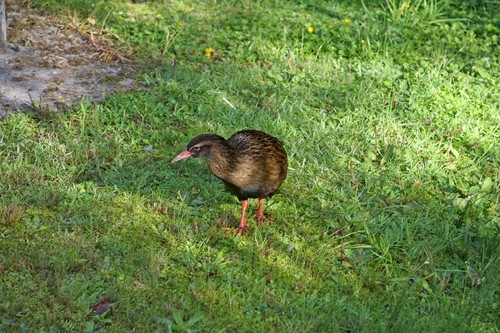
Weka
50-60 cm (20-24 in) long; flightless