
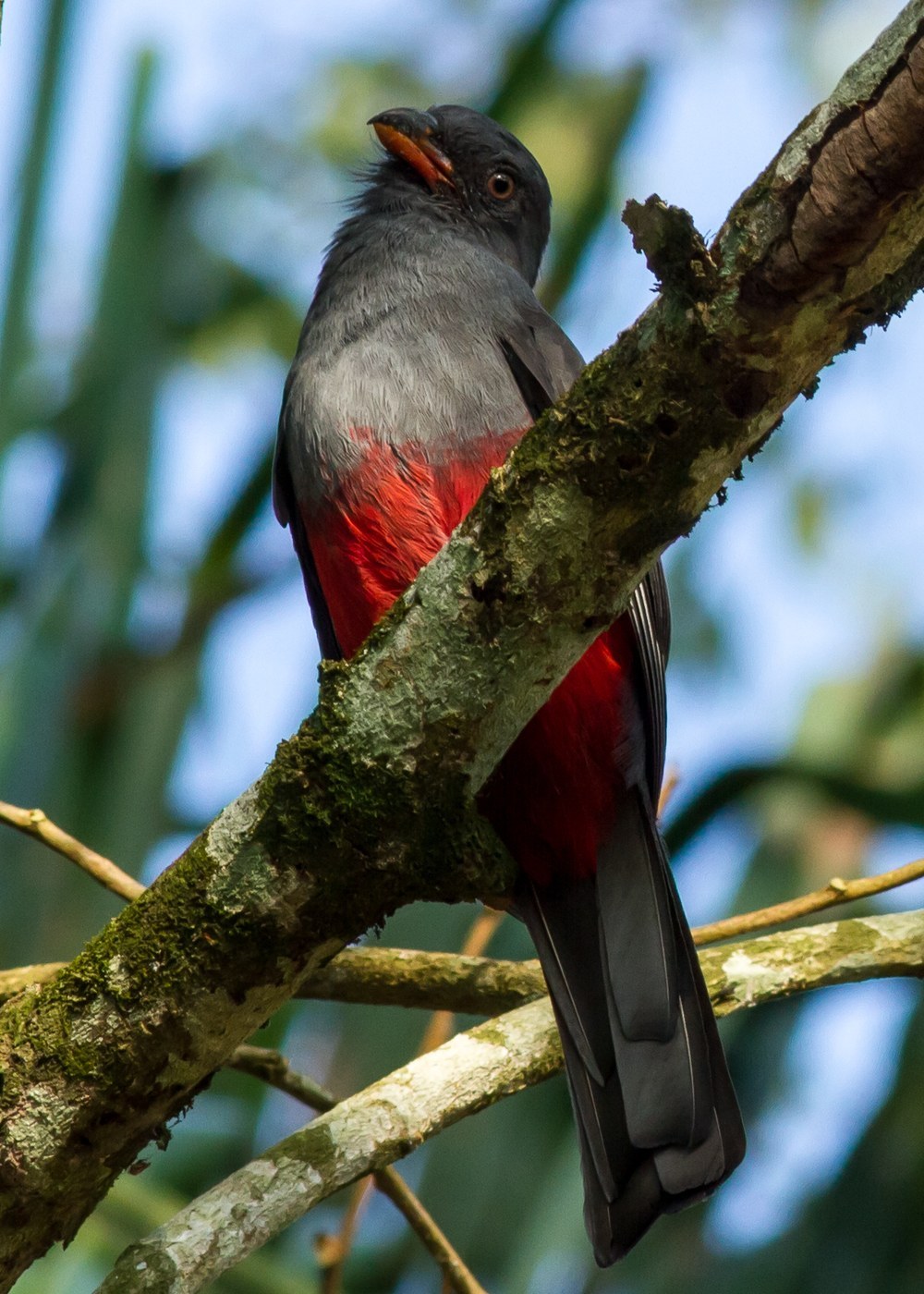
Slaty-tailed Trogon
Trogon massena
A large lowland trogon with a plain slaty undertail, a red belly, and a bright yellow bill in the male.
- Size
- 30-34 cm (12-13.5 in) long
- Habitat
- humid lowland forest
- Type
- other
Spotted a bird like this?
Identify any bird from a photo, free.
Overview
The Slaty-tailed Trogon is one of the largest trogons in its range, a striking lowland-forest bird with deep green upperparts, a black throat blending into a green chest, and a rich red lower breast and belly in males. Its bright yellow bill and red-orange bare orbital skin add further color. Unlike many other trogons, its undertail is plain slaty-gray to blackish rather than finely barred, a key identification feature. Females are duller, with gray-brown replacing the male's green and black.
How to identify it
Key field marks
- Large size; heavy build for a trogon.
- Male: green head/back, black throat grading into green breast, red lower breast/belly, plain (unbarred) dark slaty undertail, yellow bill.
- Female: gray-brown upperparts and breast, red belly.
Similar species
Collared Trogon and Black-throated Trogon both show finely barred undertails, unlike the plain slaty undertail of this species. Slaty-tailed Trogon's larger size and yellow bill also help distinguish it from smaller lowland trogons.
Habitat & range
This species inhabits humid lowland evergreen forest, generally below about 1,000 m, from southern Mexico through Central America to western Colombia and Ecuador. It is a non-migratory resident of forest interior and edge, typically at mid to upper levels of the canopy.
Behavior & voice
Voice
A slow, mellow series of low, throaty notes, often described as a rhythmic "caw, caw, caw", delivered from a concealed perch.
Feeding
Like other trogons, it forages by sitting still and sallying to pluck fruit (especially figs) or snatch large insects from foliage in brief hovering flights, then returns to a perch to eat.
Nesting and breeding
Pairs excavate a cavity in a rotten tree trunk or large branch, sometimes taking over or enlarging an existing cavity such as an active termite or wasp nest. Both sexes share incubation duties and care of the young.
Frequently asked questions
How do you distinguish Slaty-tailed Trogon from Collared Trogon?
Slaty-tailed Trogon has a plain, unbarred dark undertail and lacks a distinct white breast collar, while Collared Trogon shows fine black-and-white barring on the undertail and a clear white collar.
What color is the Slaty-tailed Trogon's bill?
Bright yellow in adult males, a useful field mark against the green head and red belly.
Where does the Slaty-tailed Trogon live?
In humid lowland forest from southern Mexico through Central America to western Colombia and Ecuador.
What does it eat?
Primarily fruit such as figs, supplemented with large insects taken in short sallying flights.
Slaty-tailed Trogon guides
In-depth guides for identifying, finding, and understanding Slaty-tailed Trogon.
Other birds you may enjoy
Kiwi
35-55 cm (14-22 in) long; roughly chicken-sized
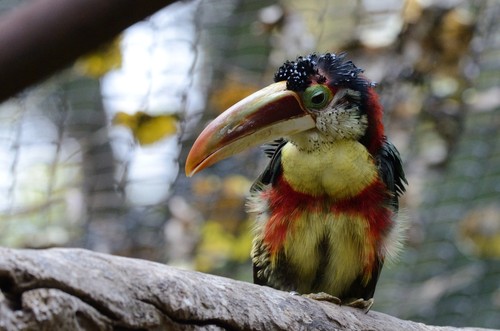
Curl-crested Aracari
41-46 cm (16-18 in) long, including a long bill and tail
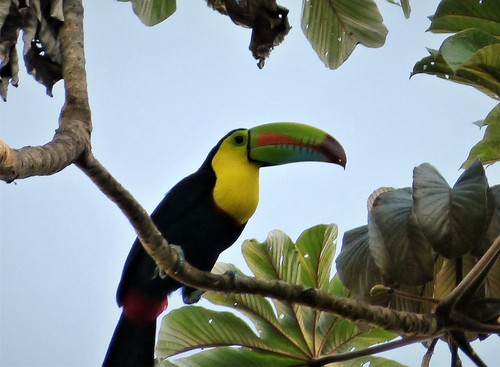
Keel-billed Toucan
42-55 cm (17-22 in) long including bill
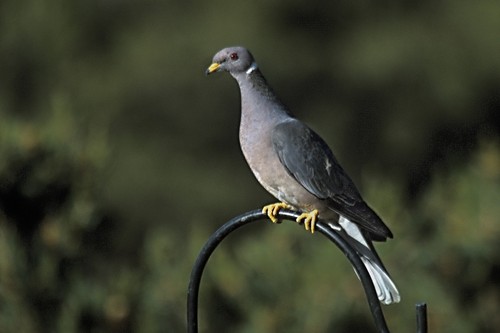
Band-tailed Pigeon
33-38 cm (13-15 in) long, wingspan about 66 cm (26 in)
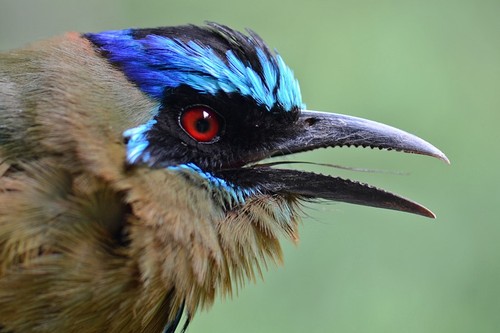
Blue-crowned Motmot
38-43 cm (15-17 in) long including tail
White-tipped Dove
27-30 cm (10.5-12 in) long, 38-43 cm wingspan
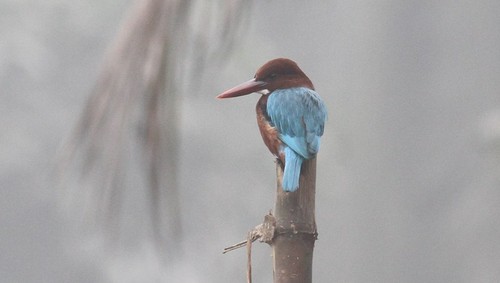
White-throated Kingfisher
27-28 cm (10.5-11 in) long
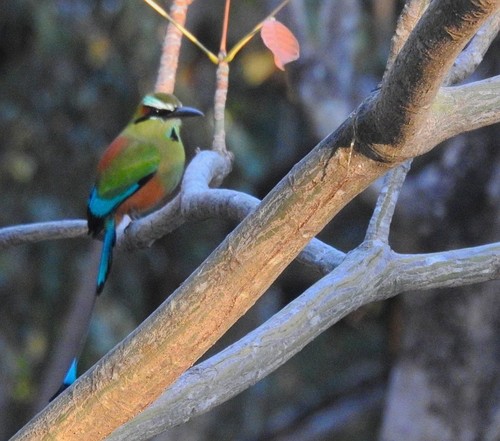
Turquoise-browed Motmot
34 cm (13 in) long including tail
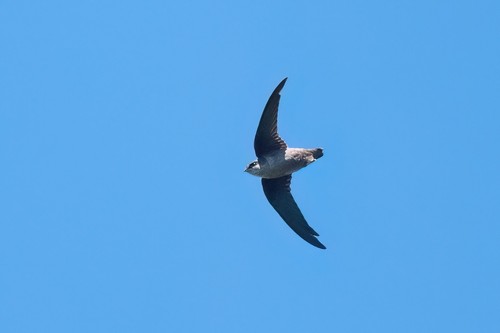
Vaux's Swift
10-12 cm (4-4.5 in) long, 27-30 cm wingspan
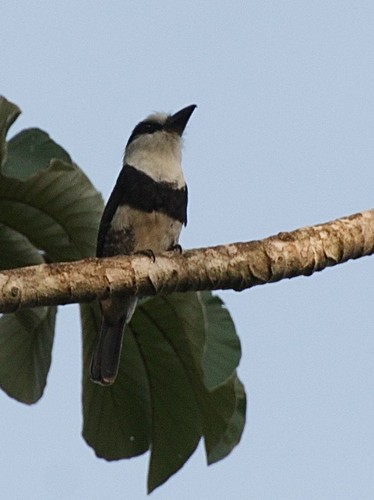
White-necked Puffbird
22-24 cm (8.5-9.5 in) long
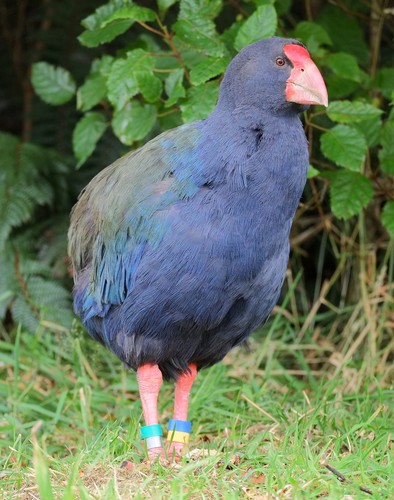
Takahe
50 cm (20 in) long, up to 3.5 kg; flightless
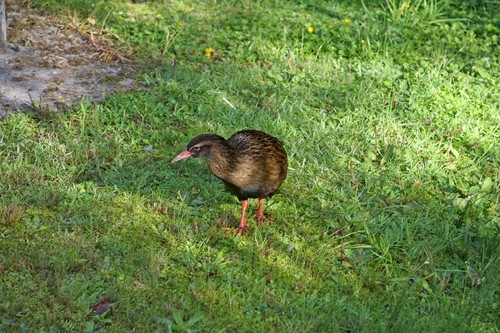
Weka
50-60 cm (20-24 in) long; flightless