
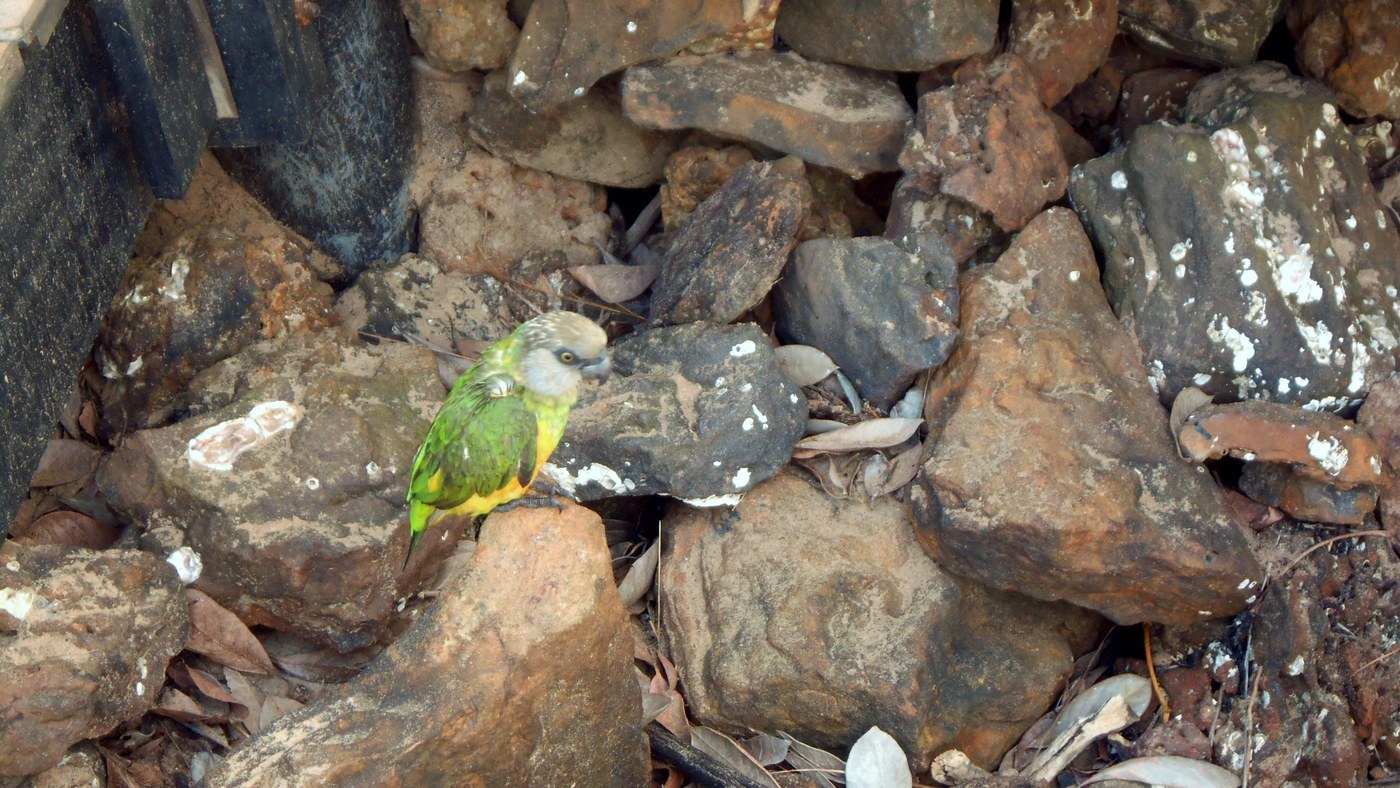
Senegal Parrot
Poicephalus senegalus
A compact West African parrot with a grey head, green back, and a bold yellow-to-orange V on its belly.
- Size
- About 23 cm long
- Habitat
- Savanna woodland, forest edge, and farmland in West Africa
- Type
- parrot
Spotted a bird like this?
Identify any bird from a photo, free.
Overview
The Senegal Parrot is a small, stocky member of the African Poicephalus genus, easily recognized by its tricolored pattern. It has a grey head and upper breast, a bright green back, wings, and throat, and a lower belly patch that ranges from yellow to orange depending on the subspecies, forming a distinctive V-shaped 'vest' on the chest.
Appearance
- Grey head with a pale iris and dark grey bill
- Green mantle, wings, and upper breast
- Yellow, orange, or yellow-orange lower belly patch shaped like an inverted V
- Short, squared tail typical of Poicephalus parrots
How to identify it
Key field marks
- Grey head contrasting sharply with a green body
- Distinct V-shaped orange or yellow patch on the belly, unique among African parrots
- Compact, short-tailed silhouette and fast, direct flight
Similar species
Meyer's Parrot, another Poicephalus species sharing part of its range, is mostly brown and grey with blue-green underparts and yellow shoulder patches, lacking the Senegal Parrot's clean grey head and green back combination. No other West African parrot shows the same grey-green-yellow/orange tricolor pattern.
Habitat & range
Range
Native to West Africa, from Mauritania and Senegal east through Mali, Guinea, Burkina Faso, and Nigeria to Chad and Cameroon.
Habitat
Inhabits open savanna woodland, gallery forest edges, and cultivated farmland, often near baobab and other large trees used for roosting and nesting; it is a non-migratory resident throughout its range.
Behavior & voice
Behavior
Senegal Parrots are usually seen in pairs or small flocks, gathering in larger numbers at communal roost trees, especially outside the breeding season.
Voice
Calls include high, shrill whistles and chattering notes, generally quieter and less raucous than many larger parrots.
Feeding
Forages in trees and on the ground for seeds, fruit, and blossoms, and is known to raid millet, maize, and sorghum fields, sometimes bringing it into conflict with farmers.
Nesting and breeding
Nests in natural tree hollows, often in baobabs or oil palms, laying a small clutch of eggs that the female incubates while the male provides food.
Frequently asked questions
What does a Senegal Parrot look like?
It has a grey head, a green back and wings, and a yellow-to-orange V-shaped patch on the lower belly.
Where do Senegal Parrots live in the wild?
They are native to the savanna woodlands and farmland of West Africa, from Senegal and Mali east to Chad and Cameroon.
What do Senegal Parrots eat?
They eat seeds, fruit, blossoms, and nuts, and also feed on cultivated grain crops such as millet and maize.
How is the Senegal Parrot related to Meyer's Parrot?
Both belong to the African genus Poicephalus, but the Senegal Parrot has a grey head and green body while Meyer's Parrot is mostly brown with blue-green underparts.
Senegal Parrot guides
In-depth guides for identifying, finding, and understanding Senegal Parrot.
Other birds you may enjoy
Eclectus Parrot
35-42 cm (14-16.5 in) long
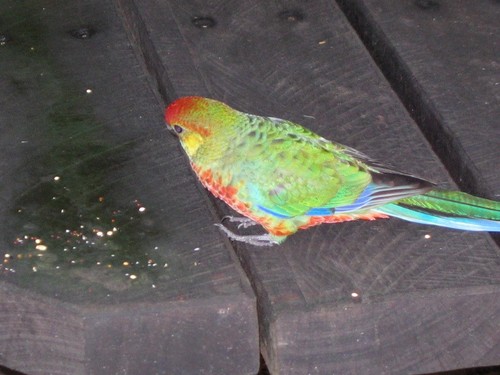
Western Rosella
25-30 cm (10-12 in) long
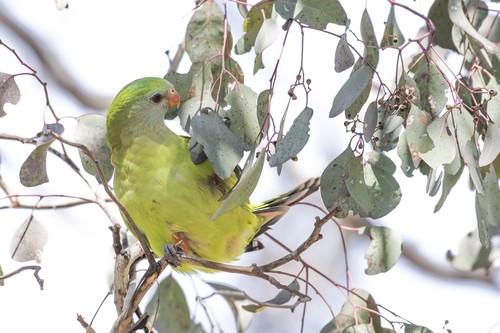
Superb Parrot
About 40 cm (16 in) long including a long tail
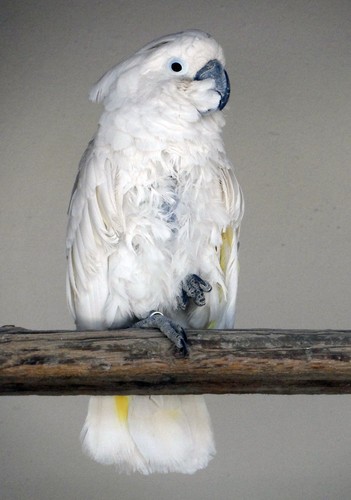
Umbrella Cockatoo
About 46 cm (18 in) long
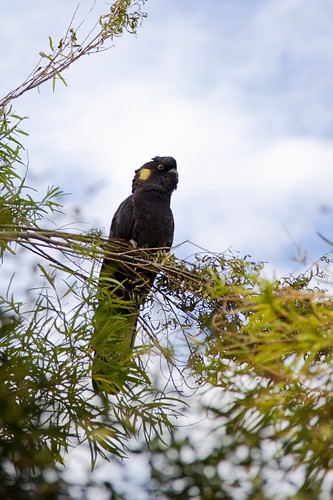
Yellow-tailed Black Cockatoo
55-65 cm long; wingspan up to about 130 cm
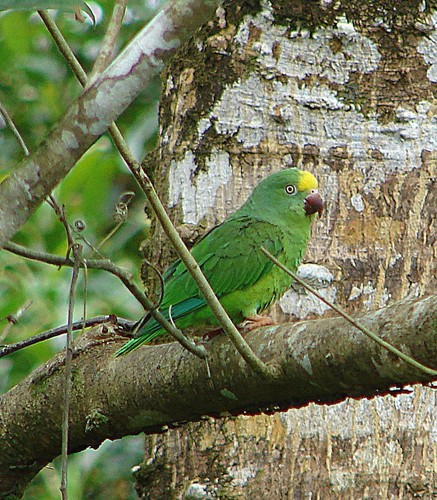
Yellow-crowned Amazon
About 35-38 cm (14-15 in) long
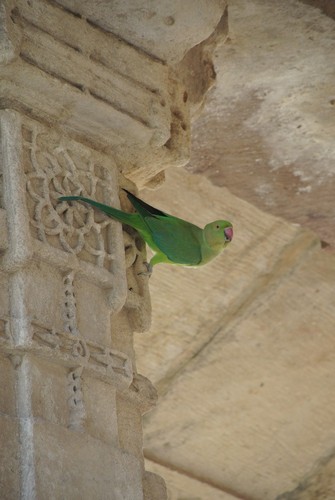
Rose-ringed Parakeet
40 cm (16 in) long including long tail
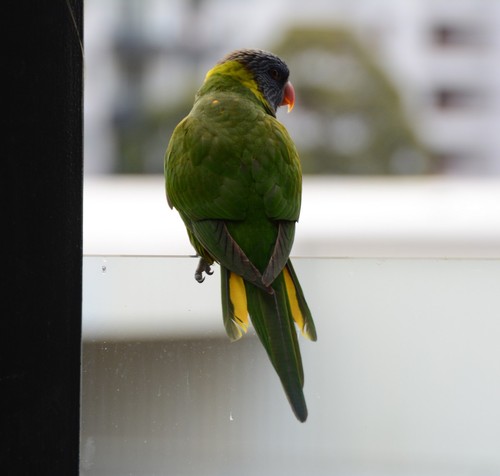
Rainbow Lorikeet
25-30 cm (10-12 in) long
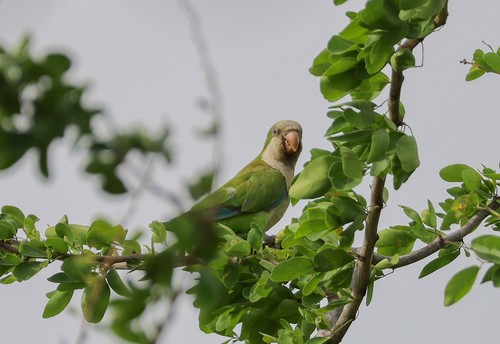
Quaker Parrot
28-31 cm (11-12 in) long
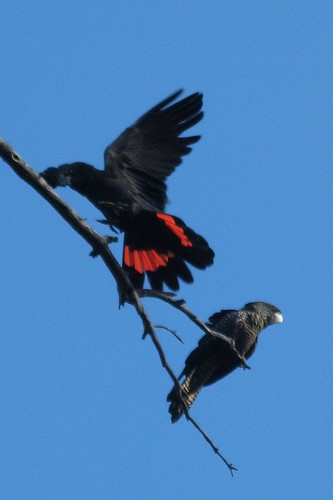
Red-tailed Black Cockatoo
55-65 cm long
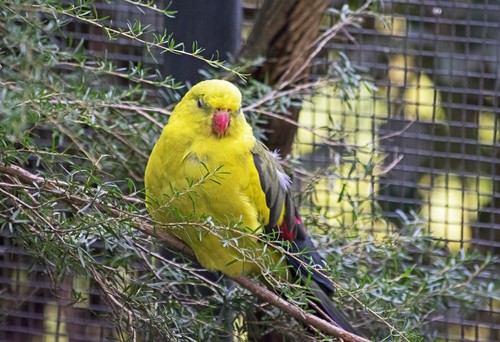
Regent Parrot
37-42 cm (15-17 in) long, including a long tail
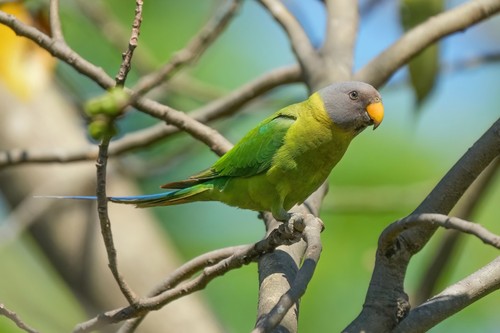
Plum-headed Parakeet
33 cm (13 in) long including tail