
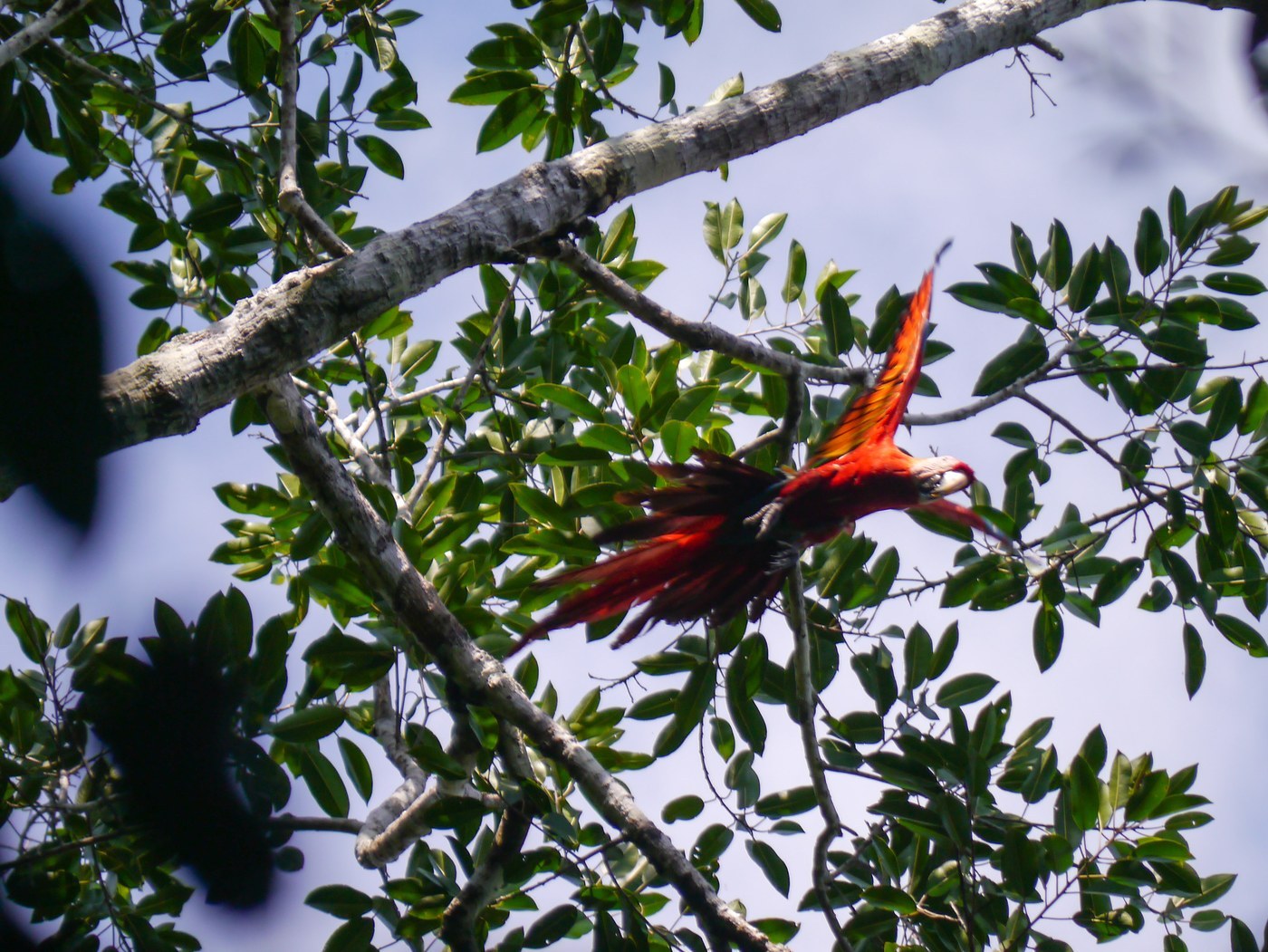
Scarlet Macaw
Ara macao
A large, brilliantly red macaw with blue and yellow wing patches, ranging from Mexico through Central America into the Amazon Basin.
- Size
- 81-96 cm (32-38 in) long including tail; wingspan approx. 100-125 cm
- Habitat
- Humid lowland tropical forest and gallery forest
- Type
- parrot
Spotted a bird like this?
Identify any bird from a photo, free.
Overview
The Scarlet Macaw is one of the largest and most colorful parrots in the Americas, instantly recognizable for its saturated red plumage. It ranges from southern Mexico through Central America and into the Amazon Basin of South America.
The body, head, and long tail are brilliant scarlet red. The upper wing shows a bold band of yellow followed by blue, and the flight feathers and tail tip are blue. The bare facial skin is whitish and largely unfeathered, and the upper mandible is pale horn-colored while the lower mandible is dark.
How to identify it
Key field marks
- Overall scarlet-red body and head
- Yellow-and-blue band across the upper wing
- Blue flight feathers and long red tail with a blue tip
- Bare whitish face with almost no feather lines
Similar species
The Green-winged (Red-and-green) Macaw is similarly red but shows a green band on the upper wing instead of yellow, and has thin red feather lines across its bare face rather than plain white skin. The smaller Scarlet Macaw also lacks the heavier build of the Green-winged Macaw.
Habitat & range
Range
Scarlet Macaws occur from southeastern Mexico through Central America and into South America east of the Andes, reaching the Amazon Basin and parts of Peru and Bolivia; populations are fragmented in much of Central America due to habitat loss.
Habitat
They inhabit humid lowland evergreen forest, gallery forest along rivers, and forest edges, generally below 500 meters elevation, though they range higher in parts of Central America.
Movements
Mostly sedentary, with pairs and flocks making regular commuting flights between roost sites, feeding trees, and clay licks.
Behavior & voice
Social behavior
Scarlet Macaws are typically seen in pairs or small flocks, often flying high overhead with strong, direct wingbeats and long trailing tails.
Voice
Their calls are loud, raucous squawks and croaks, carrying long distances through the forest canopy.
Feeding
They forage in the canopy for fruits, nuts, and seeds, cracking tough seed coats and unripe fruits with their powerful bill, and regularly visit clay licks in parts of their range.
Nesting and breeding
Pairs nest in large natural tree cavities, often in emergent canopy trees, laying 2-4 eggs. They form long-term pair bonds, with mates frequently seen perched together and flying in close formation.
Frequently asked questions
How do you tell a Scarlet Macaw from a Green-winged Macaw?
Scarlet Macaws show a yellow band on the upper wing and plain white facial skin, while Green-winged Macaws show a green wing band and thin red feather lines across the face.
Where do Scarlet Macaws live?
They range from southeastern Mexico through Central America into the Amazon Basin of South America, in humid lowland and gallery forest.
What do Scarlet Macaws eat?
They eat a variety of fruits, nuts, and seeds, including hard-shelled seeds cracked open with their strong bill.
Are Scarlet Macaws endangered?
Globally the species is listed as Least Concern, though local populations in parts of Central America have declined and are fragmented due to habitat loss.
Do Scarlet Macaws mate for life?
Yes, they form long-term pair bonds and are typically seen together throughout the year.
Scarlet Macaw guides
In-depth guides for identifying, finding, and understanding Scarlet Macaw.
Other birds you may enjoy
Eclectus Parrot
35-42 cm (14-16.5 in) long
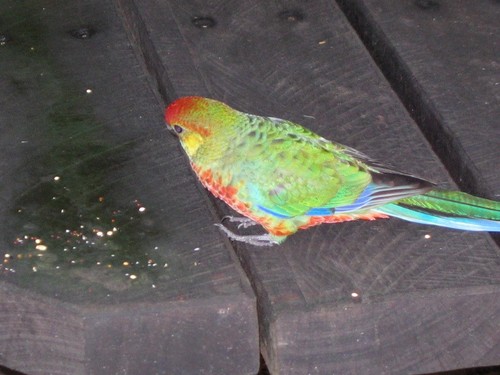
Western Rosella
25-30 cm (10-12 in) long
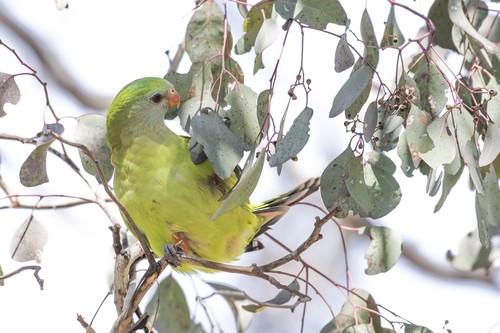
Superb Parrot
About 40 cm (16 in) long including a long tail
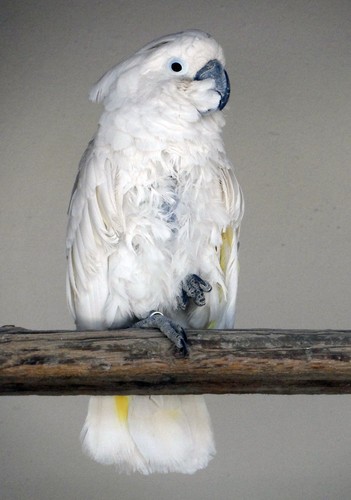
Umbrella Cockatoo
About 46 cm (18 in) long
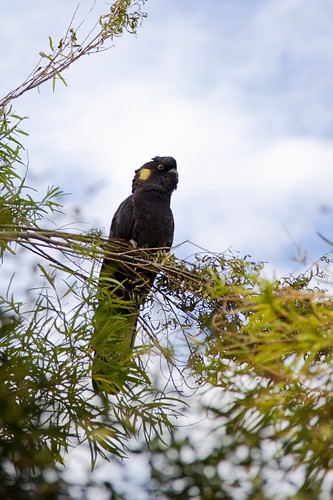
Yellow-tailed Black Cockatoo
55-65 cm long; wingspan up to about 130 cm
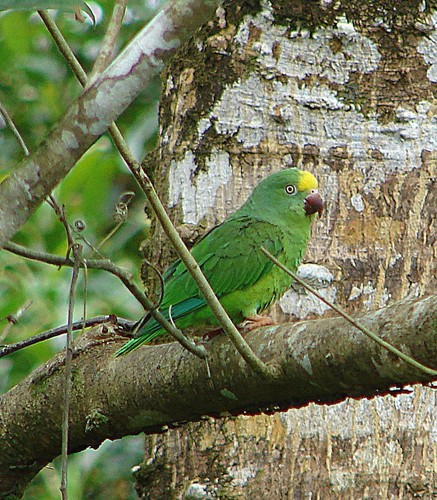
Yellow-crowned Amazon
About 35-38 cm (14-15 in) long
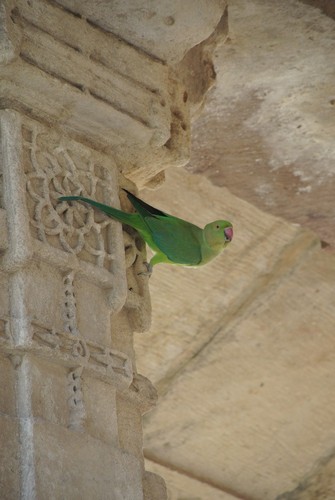
Rose-ringed Parakeet
40 cm (16 in) long including long tail
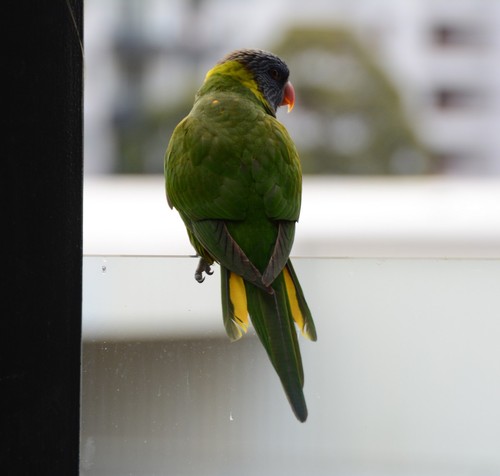
Rainbow Lorikeet
25-30 cm (10-12 in) long
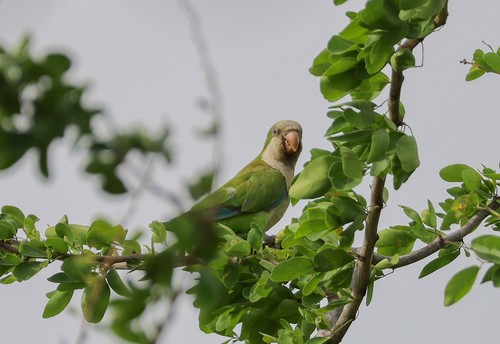
Quaker Parrot
28-31 cm (11-12 in) long
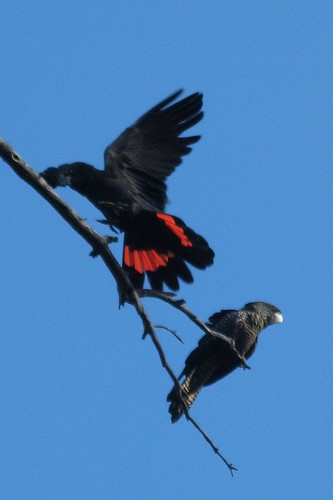
Red-tailed Black Cockatoo
55-65 cm long
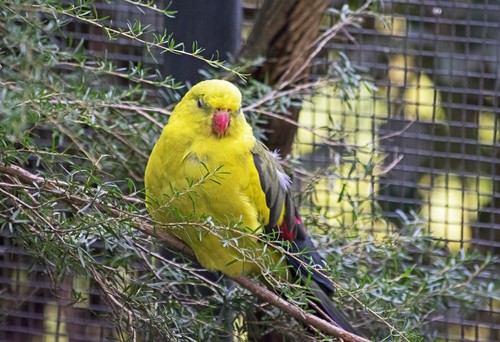
Regent Parrot
37-42 cm (15-17 in) long, including a long tail
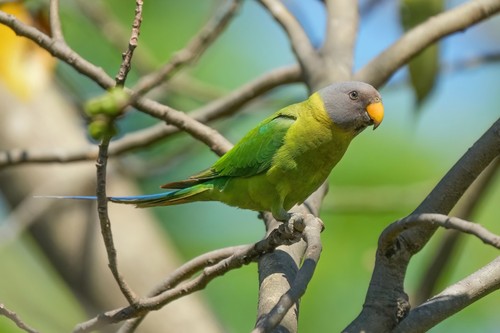
Plum-headed Parakeet
33 cm (13 in) long including tail