
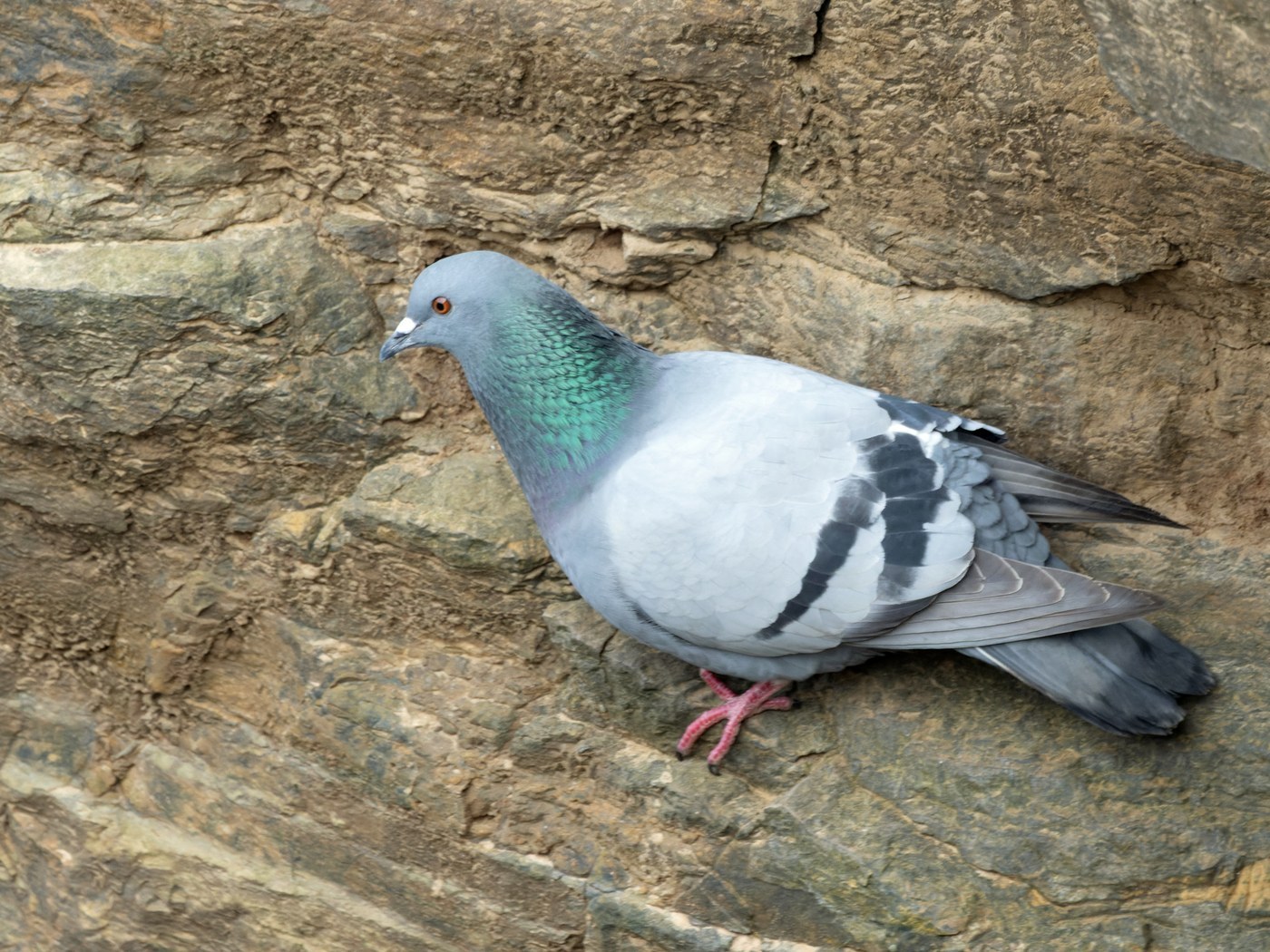
Rock Pigeon
Columba livia
The familiar city pigeon, a highly variable dove descended from wild cliff-dwelling stock, now found in cities and towns worldwide.
- Size
- 29-37 cm (11.5-14.6 in) long, 62-72 cm (24.5-28.5 in) wingspan
- Habitat
- urban areas, farmland, and cliffs (native range)
- Type
- other
Spotted a bird like this?
Identify any bird from a photo, free.
Overview
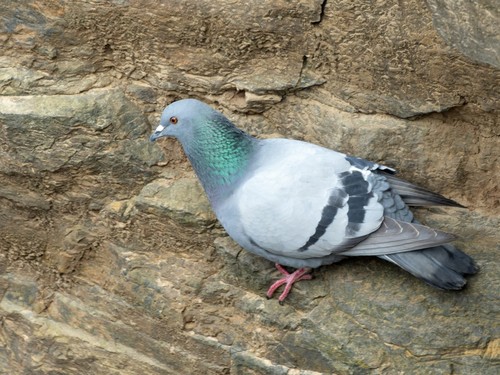
The Rock Pigeon is the ancestor of the domestic and feral pigeons found in cities around the world, native originally to rocky sea cliffs and canyons of Europe, North Africa, and Asia. Long domesticated and later escaped or released, feral populations now thrive on the ledges, bridges, and building facades of cities everywhere, which mimic the cliff habitat of their wild ancestors. Plumage is extremely variable due to centuries of selective breeding, but the ancestral "wild type" pattern is a blue-gray body with two black bars across each wing, a pale rump, and an iridescent green-and-purple sheen on the neck.
How to identify it
Key field marks
- Stocky body with a small head, short legs, and a relatively short, squared tail
- Highly variable plumage, from the ancestral blue-gray with black wingbars to all-white, rusty, checkered, or pied combinations
- Iridescent green-purple neck sheen, most visible on wild-type birds
- Distinctive wing-clapping sound on takeoff
Similar species
Band-tailed Pigeon is larger, uniformly plain gray with a white nape crescent and yellow bill, and lacks the variable plumage and urban affinity of Rock Pigeon. Eurasian Collared-Dove is slimmer with a black half-collar and long tail, and much smaller-bodied overall.
Habitat & range
Habitat and Range
Rock Pigeons originally nested on rocky cliffs and in caves, a habitat now replaced in most of the range by building ledges, bridges, and other urban structures with similar vertical faces and overhangs.
Range
Native to Europe, North Africa, and western Asia, Rock Pigeons have been introduced worldwide through domestication and are now found in virtually every city and town across North America, as well as agricultural areas.
Migration
Rock Pigeons are non-migratory and typically remain within a small home range for life, often just a few city blocks or a single farm.
Behavior & voice
Behavior
Rock Pigeons are highly social, gathering in large flocks to feed and roost, and are well known for their strong homing ability, a trait exploited for centuries in domesticated racing and messenger pigeons.
Voice
The familiar call is a soft, throaty, repeated cooing, often rendered as "coo-roo-c'coo," given from perches and during courtship display.
Feeding
In urban settings pigeons feed heavily on discarded human food and handouts, while rural and wild-type birds rely more on seeds and grain; they are one of the few birds able to drink by suction rather than tipping the head back.
Nesting and breeding
Pairs are monogamous and can breed year-round in mild climates, building a simple stick platform nest on ledges, under bridges, or in other sheltered urban and cliff sites, typically laying two eggs per clutch.
Frequently asked questions
Why do city pigeons look so different from each other?
Centuries of selective breeding as domesticated birds produced enormous plumage variation, and when pigeons became feral in cities that variation persisted, unlike the more uniform coloring of truly wild populations.
Are Rock Pigeons native to North America?
No, they are native to Europe, North Africa, and western Asia and were introduced to North America through domestication, later becoming widely established as feral urban birds.
Why are pigeons so common in cities?
Building ledges, bridges, and rooftops closely resemble the rocky cliffs and canyon walls that are the species' natural nesting habitat, making cities an ideal substitute environment.
Can Rock Pigeons find their way home over long distances?
Yes, they have a remarkably strong homing ability, a trait long exploited in domesticated racing and messenger pigeons.
Rock Pigeon guides
In-depth guides for identifying, finding, and understanding Rock Pigeon.
Other birds you may enjoy
Kiwi
35-55 cm (14-22 in) long; roughly chicken-sized
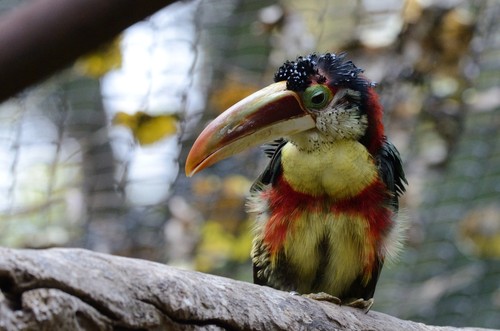
Curl-crested Aracari
41-46 cm (16-18 in) long, including a long bill and tail

Keel-billed Toucan
42-55 cm (17-22 in) long including bill
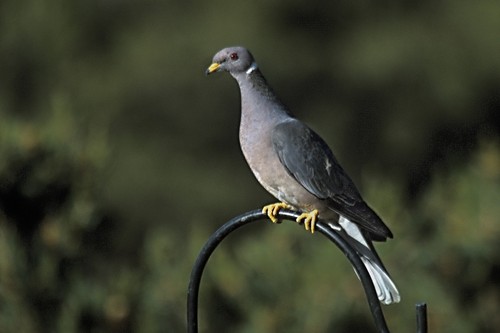
Band-tailed Pigeon
33-38 cm (13-15 in) long, wingspan about 66 cm (26 in)
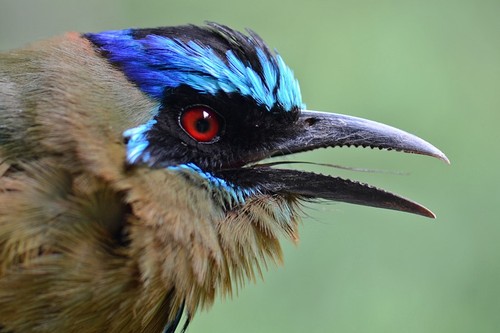
Blue-crowned Motmot
38-43 cm (15-17 in) long including tail
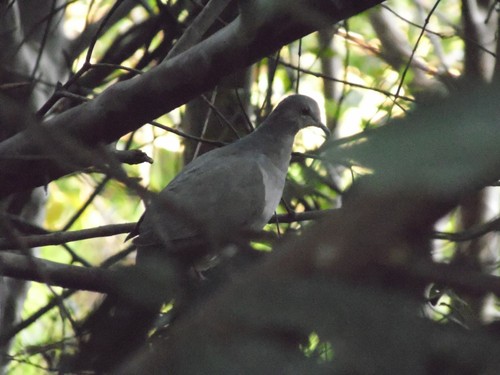
White-tipped Dove
27-30 cm (10.5-12 in) long, 38-43 cm wingspan

White-throated Kingfisher
27-28 cm (10.5-11 in) long
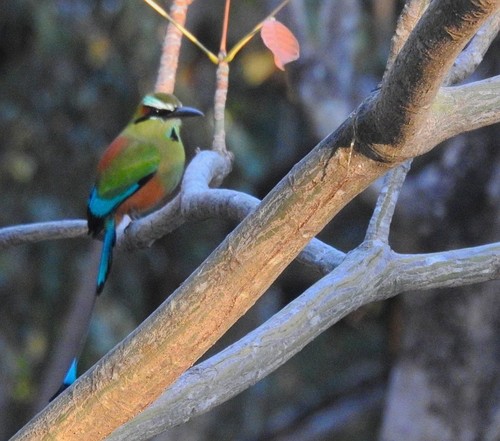
Turquoise-browed Motmot
34 cm (13 in) long including tail
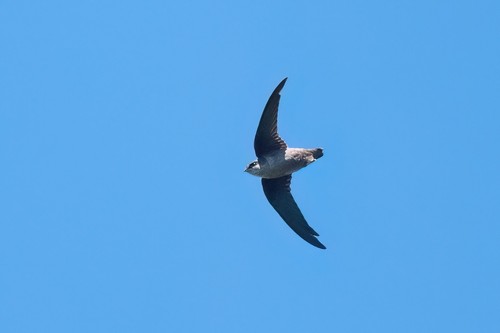
Vaux's Swift
10-12 cm (4-4.5 in) long, 27-30 cm wingspan

White-necked Puffbird
22-24 cm (8.5-9.5 in) long
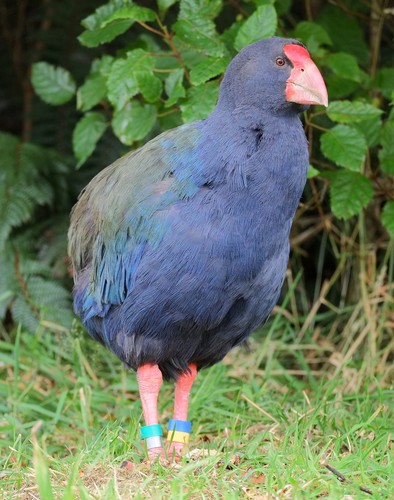
Takahe
50 cm (20 in) long, up to 3.5 kg; flightless
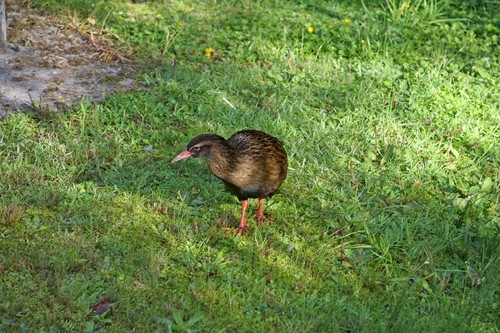
Weka
50-60 cm (20-24 in) long; flightless