
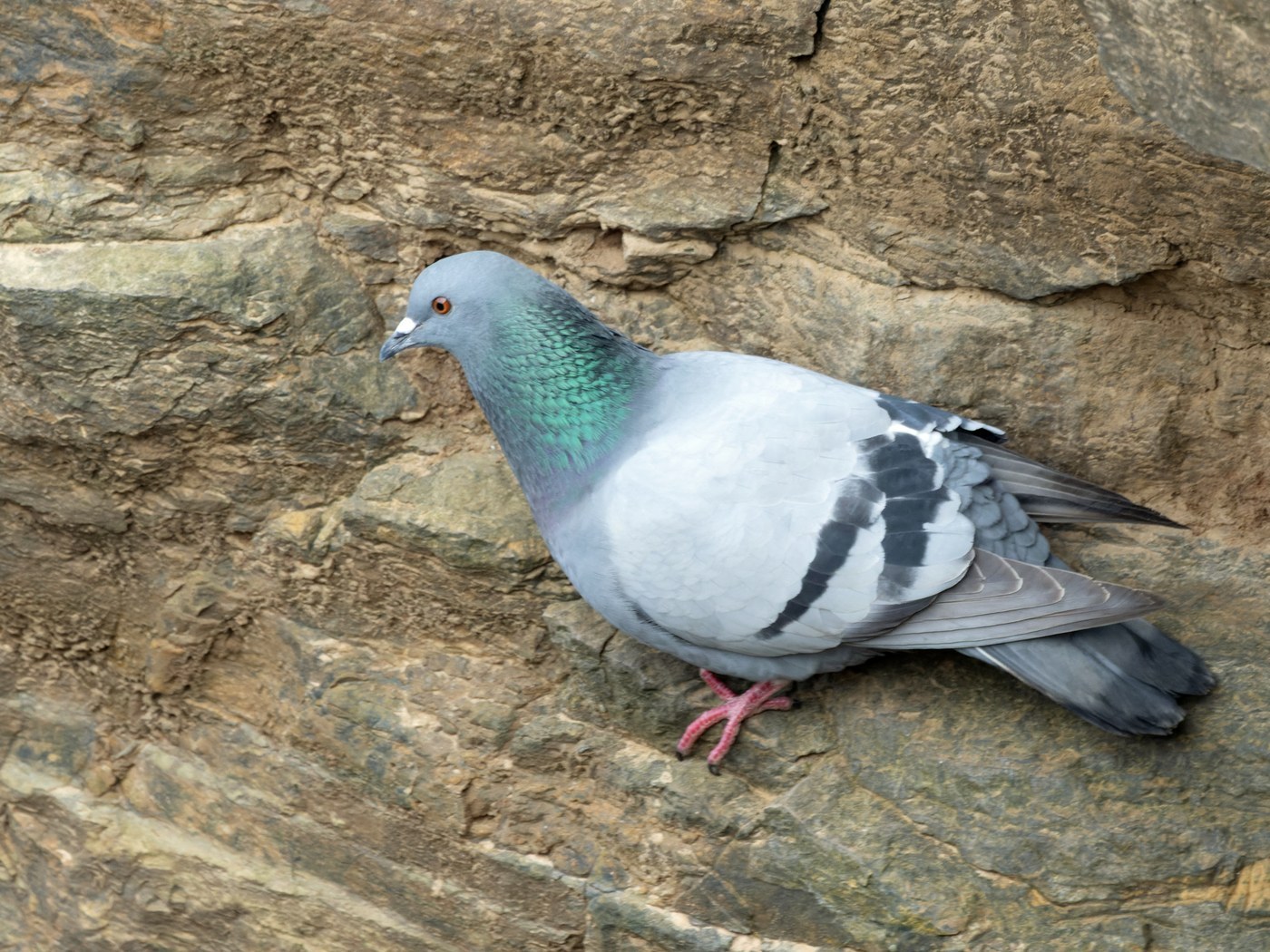
Rock Dove
Columba livia
The wild cliff-dwelling ancestor of all domestic and feral pigeons, native to Europe, North Africa, and Asia.
- Size
- Length 29-37 cm (11-15 in); wingspan 62-72 cm (24-28 in)
- Habitat
- Sea cliffs, rocky gorges, and cliff faces across its native range; also farmland and urban structures
- Type
- other
Spotted a bird like this?
Identify any bird from a photo, free.
Overview
Overview
The Rock Dove is the wild species from which all domestic and feral pigeons descend, having been domesticated by humans thousands of years ago. Genuinely wild, undomesticated populations persist mainly along remote sea cliffs and rocky terrain within its native range, though most pigeons seen today are feral or domestic descendants rather than pure wild birds.
Appearance
The classic wild-type plumage is blue-grey overall with a darker head, an iridescent green-and-purple sheen on the neck, a pale grey rump, and two bold black bars across each closed wing. The bill is dark grey with a whitish cere at the base, and the eyes are orange-red.
How to identify it
Key Field Marks
- Blue-grey body with a paler grey rump patch, visible in flight
- Two clean black bars across each wing
- Iridescent green and purple sheen on the neck and upper breast
- Dark tail tip band
Similar Species
Pure wild-type Rock Doves closely resemble the ancestral-plumage form seen in some feral Domestic Pigeons, but genuinely wild birds show more consistent, unbroken wing bars and lack the varied colors and patterns common in feral flocks. The Wood Pigeon is notably larger with white neck and wing patches absent in the Rock Dove.
Habitat & range
Habitat and Range
Wild Rock Doves nest and roost on sea cliffs, rocky sea caves, and inland cliff faces, and forage on adjacent farmland and open ground. Their native range spans coastal and inland areas of Europe, North Africa, and southern and central Asia.
Distribution
Genuinely wild populations remain along parts of the coasts of the British Isles, southern Europe, North Africa, and the Middle East through to South Asia, though these are increasingly diluted by interbreeding with feral domestic pigeons in many areas.
Behavior & voice
Behavior
Rock Doves are gregarious, nesting and roosting in colonies on cliff ledges and in caves, and often forage in flocks on open ground nearby. They are strong, fast fliers capable of sustained flight between roosting cliffs and feeding areas.
Voice
Gives a soft, repetitive cooing call, similar to that of domestic pigeons, used in courtship displays and to maintain contact within the colony.
Feeding
Forages mainly on the ground for seeds and grain, often walking with a characteristic bobbing head motion while feeding.
Nesting and Breeding
Nests on sheltered ledges and crevices within cliffs and caves, building a simple platform of twigs and typically laying two white eggs per clutch, with pairs able to breed multiple times through the year in suitable conditions.
Frequently asked questions
Is the Rock Dove the same bird as a city pigeon?
City pigeons are feral descendants of domesticated Rock Doves; genuinely wild Rock Doves live on remote sea cliffs and show more uniform ancestral plumage.
What does a wild-type Rock Dove look like?
Blue-grey overall with a pale rump, two black wing bars, and an iridescent green-purple neck sheen.
Where do wild Rock Doves nest?
On ledges and in crevices of sea cliffs, rocky gorges, and caves.
Are pure wild Rock Doves still common?
Genuinely wild populations persist in parts of their native range, but interbreeding with feral domestic pigeons has diluted many populations.
Rock Dove guides
In-depth guides for identifying, finding, and understanding Rock Dove.
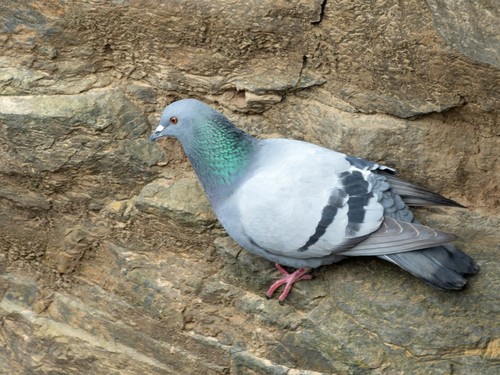
Other birds you may enjoy
Kiwi
35-55 cm (14-22 in) long; roughly chicken-sized
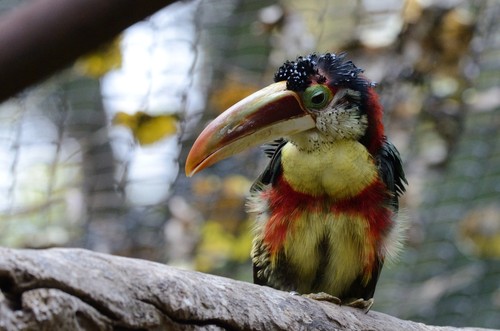
Curl-crested Aracari
41-46 cm (16-18 in) long, including a long bill and tail
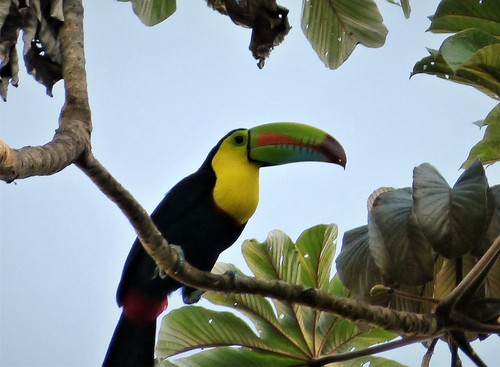
Keel-billed Toucan
42-55 cm (17-22 in) long including bill
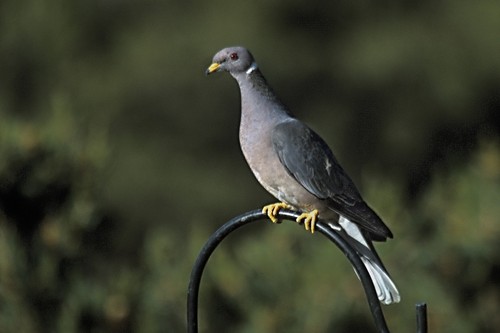
Band-tailed Pigeon
33-38 cm (13-15 in) long, wingspan about 66 cm (26 in)
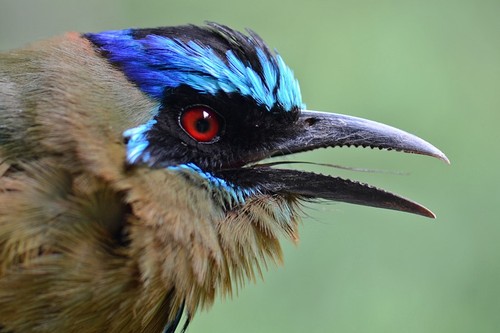
Blue-crowned Motmot
38-43 cm (15-17 in) long including tail
White-tipped Dove
27-30 cm (10.5-12 in) long, 38-43 cm wingspan
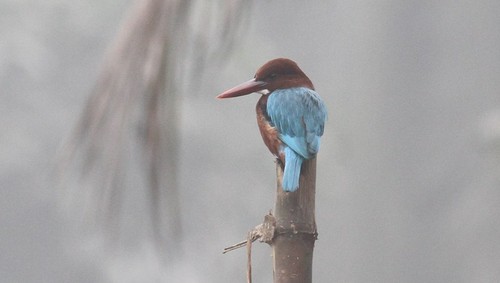
White-throated Kingfisher
27-28 cm (10.5-11 in) long
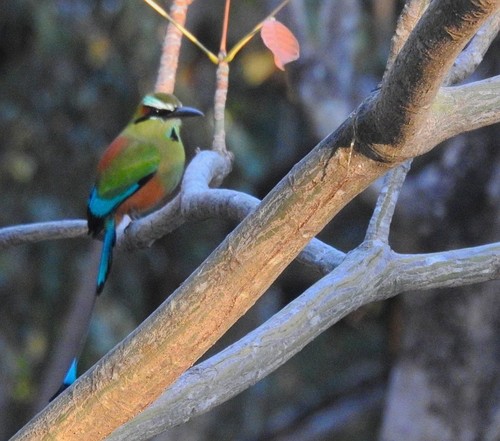
Turquoise-browed Motmot
34 cm (13 in) long including tail
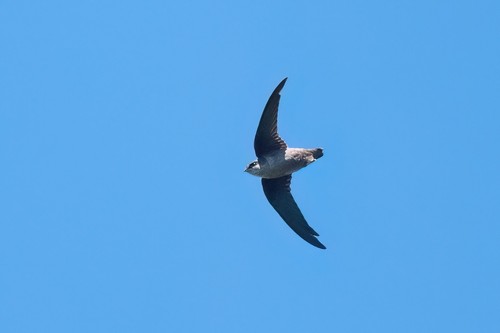
Vaux's Swift
10-12 cm (4-4.5 in) long, 27-30 cm wingspan
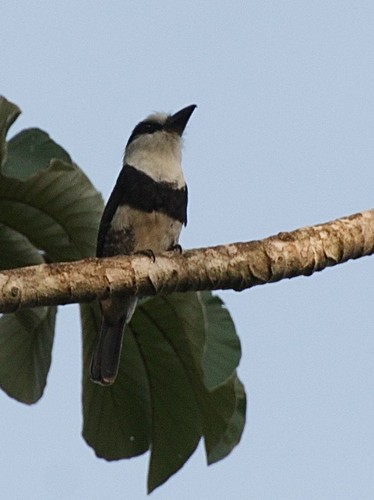
White-necked Puffbird
22-24 cm (8.5-9.5 in) long
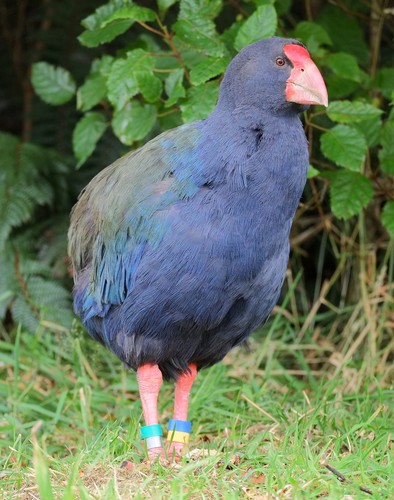
Takahe
50 cm (20 in) long, up to 3.5 kg; flightless
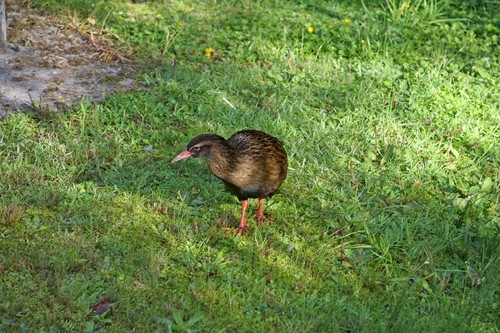
Weka
50-60 cm (20-24 in) long; flightless