
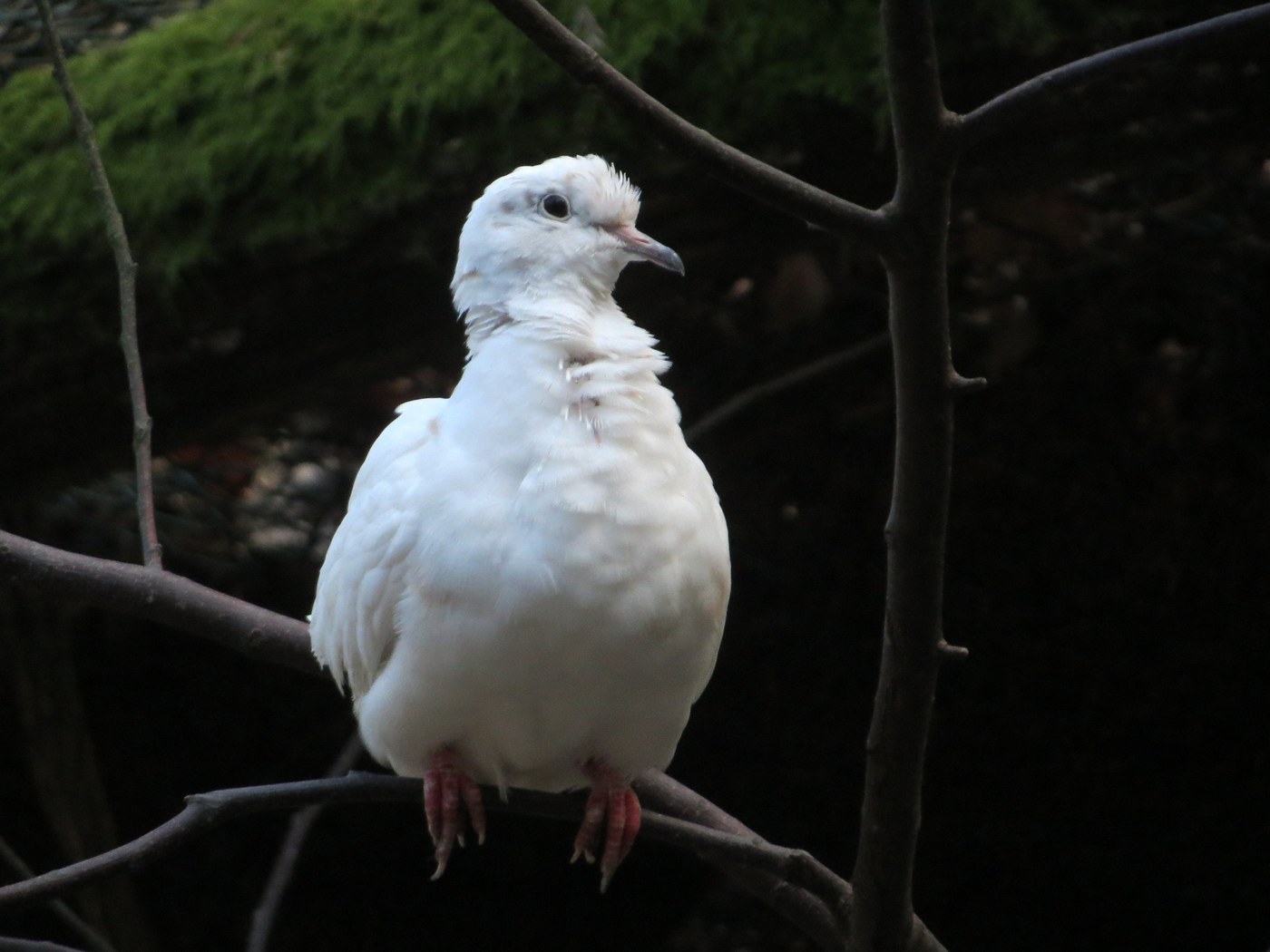
Ringneck Dove
Streptopelia risoria
A pale, gentle dove marked by a narrow black half-collar on its nape, long domesticated from wild African collared-dove stock and popular in aviculture.
- Size
- Length about 30-32 cm (12-13 in) including tail; wingspan approximately 45-50 cm (18-20 in)
- Habitat
- Kept in aviaries and dovecotes; not established as a wild species in most regions
- Type
- other
Spotted a bird like this?
Identify any bird from a photo, free.
Overview
Overview
The Ringneck Dove is a domesticated dove believed to derive from the African Collared-Dove complex, developed over centuries of captive breeding. It is not typically found as an established wild species and is best known as a gentle, long-kept aviary bird.
Appearance
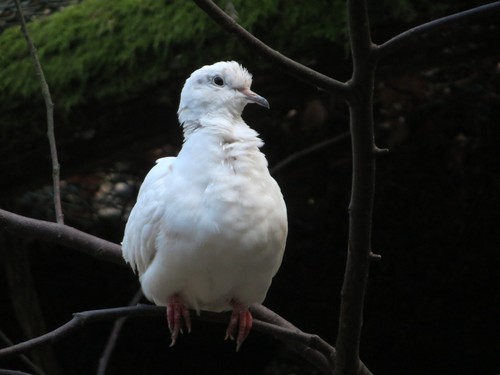
Plumage is soft buff to pale grey-fawn overall, lighter on the underside, with a narrow black half-collar across the back of the neck that gives the bird its name. Selectively bred color forms also exist, including an all-white form. The bill is slim and dark, and the eyes are dark with a thin pale eye-ring.
How to identify it
Key Field Marks
- Narrow black crescent-shaped collar on the back of the neck, not meeting at the front
- Overall pale buff or fawn plumage, often paler below
- Slim build and long, graduated tail compared to compact pigeons
- White color forms lack visible plumage markings but retain the same shape and soft cooing voice
Similar Species
The Ringneck Dove resembles the wild Eurasian Collared-Dove but is generally paler and gives a different voice; the wild Eurasian Collared-Dove is a distinct species found naturally across Eurasia, whereas the Ringneck Dove is a captive-bred form. It is smaller and slimmer than Domestic and Rock Pigeons, which lack a neck collar.
Habitat & range
Habitat and Range
As a domesticated bird, the Ringneck Dove has no natural wild range of its own; its presumed wild ancestor, the African Collared-Dove, occurs across sub-Saharan Africa. Escaped or released Ringneck Doves have established small local feral populations in a few warm-climate areas, but these are limited and localized.
Distribution
Kept in aviaries and by breeders worldwide, with any free-living populations restricted to isolated, mild-climate localities.
Behavior & voice
Behavior
Ringneck Doves are calm, social birds that pair readily and can be kept in mixed flocks with other small doves. They are less flighty than many wild dove species, a trait reinforced through generations of captive breeding.
Voice
Produces a soft, rolling coo, often described as a gentle "coo-COO-coo," used in courtship displays and to maintain contact between mates.
Nesting and Breeding
Builds a simple, loosely constructed twig nest and lays two white eggs per clutch, with both parents sharing incubation duties and feeding the young with crop milk, similar to other dove species.
Frequently asked questions
What is the black marking on a Ringneck Dove's neck?
A narrow, crescent-shaped black half-collar across the back of the neck that does not meet in front.
Is the Ringneck Dove a wild species?
No, it is a domesticated dove believed to derive from the wild African Collared-Dove, and it is not established as a wild species in most areas.
Why are white Ringneck Doves so familiar?
A selectively bred white color form has long been kept in aviculture for its calm nature and pale, uniform plumage.
How is the Ringneck Dove different from the Eurasian Collared-Dove?
The Eurasian Collared-Dove is a separate wild species found naturally across Eurasia, while the Ringneck Dove is a paler, captive-bred form.
Ringneck Dove guides
In-depth guides for identifying, finding, and understanding Ringneck Dove.
Other birds you may enjoy
Kiwi
35-55 cm (14-22 in) long; roughly chicken-sized
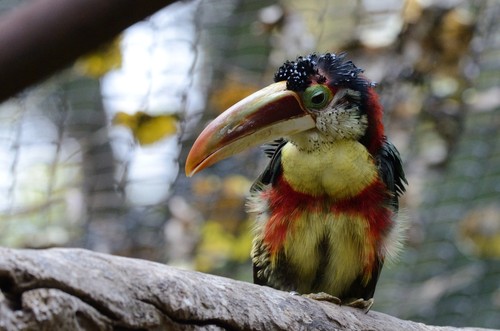
Curl-crested Aracari
41-46 cm (16-18 in) long, including a long bill and tail
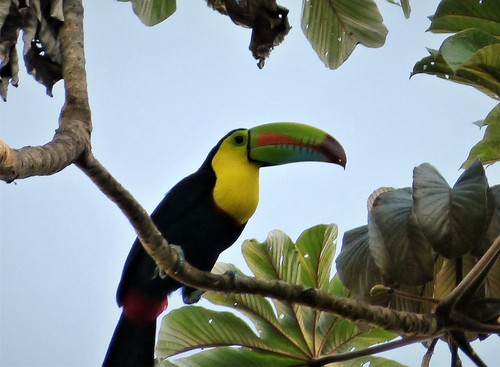
Keel-billed Toucan
42-55 cm (17-22 in) long including bill
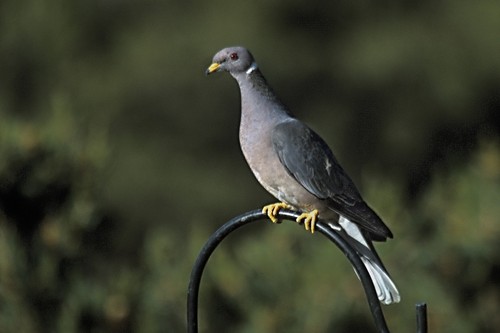
Band-tailed Pigeon
33-38 cm (13-15 in) long, wingspan about 66 cm (26 in)
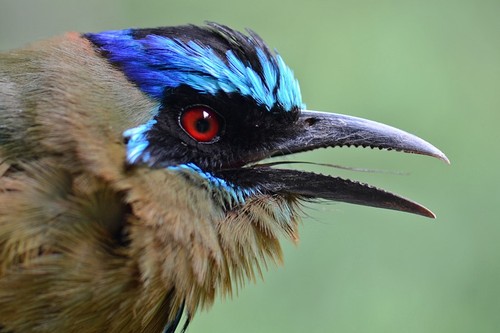
Blue-crowned Motmot
38-43 cm (15-17 in) long including tail
White-tipped Dove
27-30 cm (10.5-12 in) long, 38-43 cm wingspan
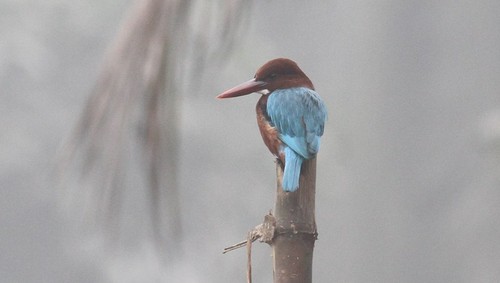
White-throated Kingfisher
27-28 cm (10.5-11 in) long
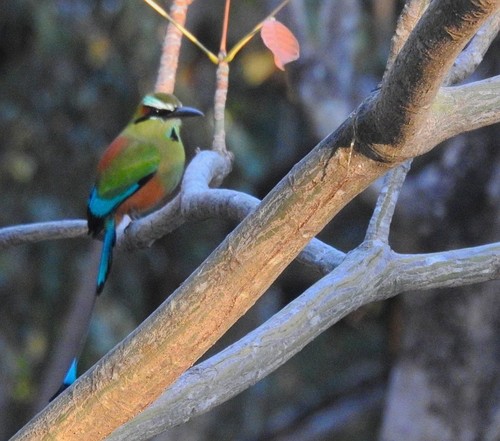
Turquoise-browed Motmot
34 cm (13 in) long including tail
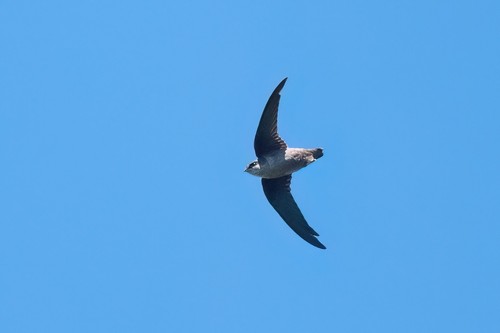
Vaux's Swift
10-12 cm (4-4.5 in) long, 27-30 cm wingspan
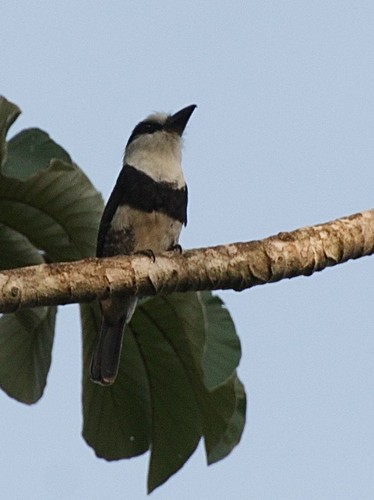
White-necked Puffbird
22-24 cm (8.5-9.5 in) long
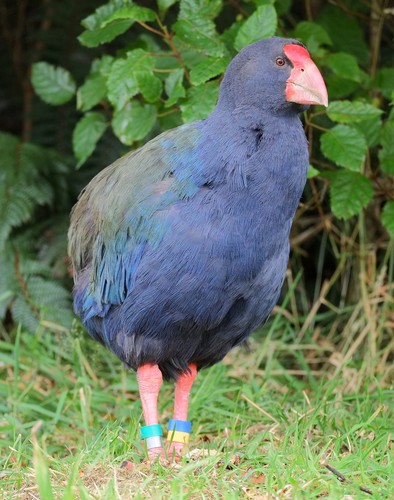
Takahe
50 cm (20 in) long, up to 3.5 kg; flightless
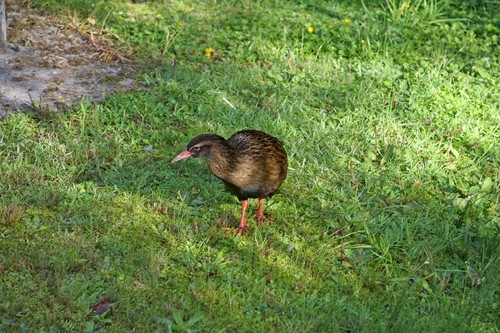
Weka
50-60 cm (20-24 in) long; flightless