
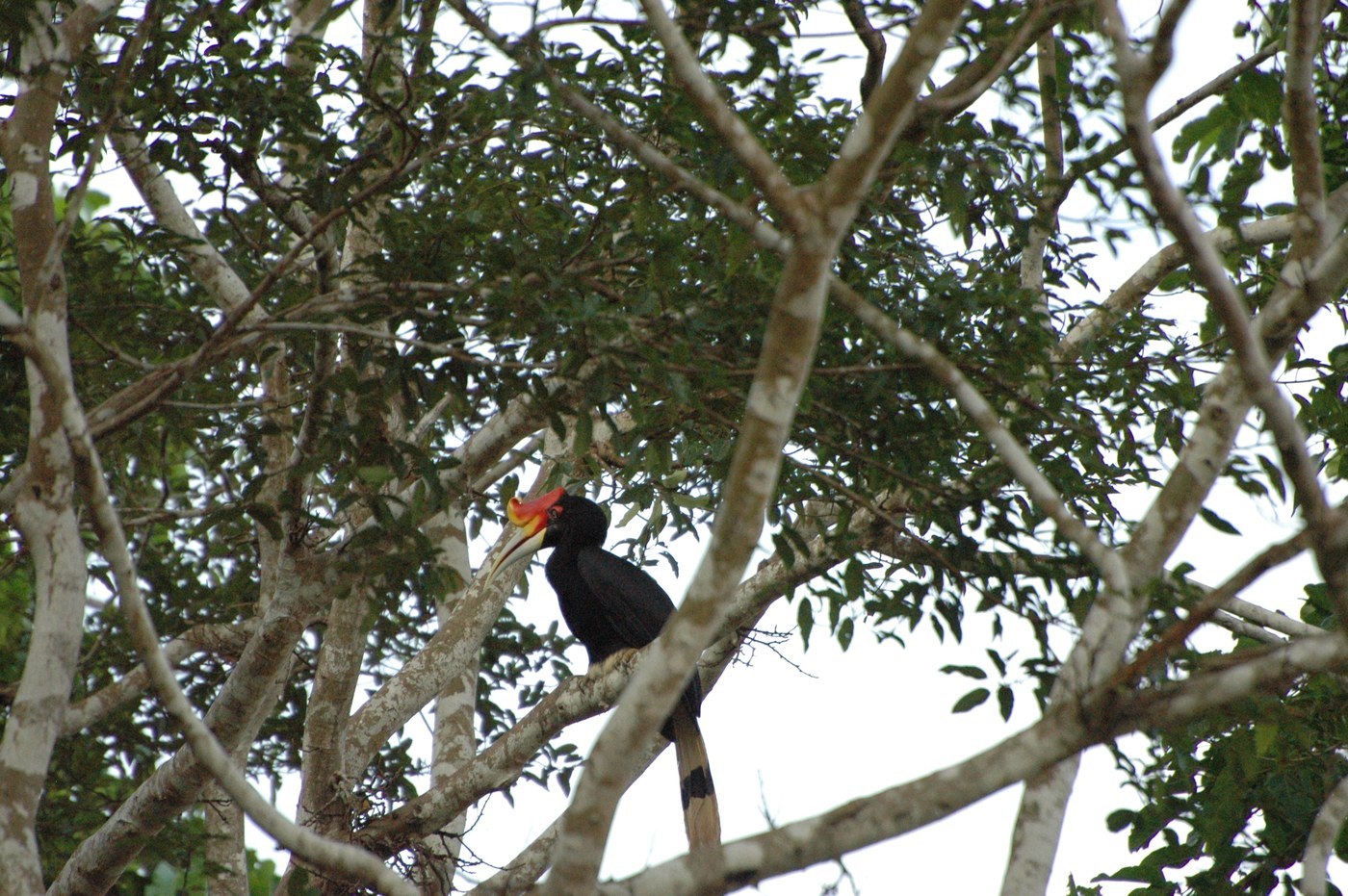
Rhinoceros Hornbill
Buceros rhinoceros
A striking Southeast Asian rainforest hornbill named for its large, upward-curving red-and-yellow casque resembling a rhinoceros horn.
- Size
- About 80-90 cm long, with a large upturned casque
- Habitat
- Lowland and hill rainforest of the Sunda region
- Type
- other
Spotted a bird like this?
Identify any bird from a photo, free.
Overview
The Rhinoceros Hornbill is a large, spectacular hornbill of Sundaic rainforests, named for the prominent upcurved casque that rises above its bill and points forward like a horn. It is the state bird of Sarawak, Malaysia, and a culturally significant species across Borneo.
Plumage is mostly glossy black with a white belly, white leg feathers, and a white tail crossed by a black band, though wild birds often show a yellowish tinge from preen oil. The large bill is pale yellow to orange, and the casque is red at the base fading to yellow or cream at the tip, curving distinctly upward.
How to identify it
Key field marks
- Large, upward-curving casque, red at the base and yellow toward the tip
- Black body with white lower belly, thighs, and white tail with a black band
- Reddish eyes ringed with bare skin
Similar species
- Great Hornbill: casque is flatter and more concave, not sharply upturned, and has a white (not black-banded near the base) tail pattern differing in detail; ranges overlap only marginally.
- Helmeted Hornbill: has a much smaller, solid ivory-like casque and extremely long central tail streamers, unlike the Rhinoceros Hornbill's shorter tail.
Habitat & range
Habitat
Rhinoceros Hornbills inhabit lowland and hill dipterocarp rainforest with tall emergent trees used for nesting and roosting.
Range
Found on Borneo, Sumatra, and the Malay Peninsula, with a small population historically on Java.
Migration
The species is non-migratory, though pairs and family groups may range widely in search of fruiting trees.
Behavior & voice
Behavior
Rhinoceros Hornbills are typically seen in pairs or small groups, flying between forest patches with slow, heavy wingbeats.
Voice
Calls are loud, harsh barking and honking notes, often given in duet and carrying far through the forest canopy.
Feeding
The diet is dominated by figs and other fruit, supplemented with insects, small reptiles, and occasionally small mammals or birds.
Nesting and breeding
Like other large hornbills, the female seals herself into a tree cavity nest using mud and droppings, leaving a narrow slit through which the male delivers food throughout incubation and early chick-rearing.
Frequently asked questions
Why is it called the Rhinoceros Hornbill?
It is named for its large, upward-curving casque that resembles the horn of a rhinoceros.
Where does the Rhinoceros Hornbill live?
It is native to the rainforests of Borneo, Sumatra, and the Malay Peninsula.
Is the Rhinoceros Hornbill endangered?
It is classified as Vulnerable, primarily due to deforestation and loss of large nesting trees.
What is the state bird of Sarawak?
The Rhinoceros Hornbill is the official state bird of Sarawak, Malaysia.
What does the Rhinoceros Hornbill eat?
It primarily eats figs and other fruit, along with small animals and insects.
Rhinoceros Hornbill guides
In-depth guides for identifying, finding, and understanding Rhinoceros Hornbill.
Other birds you may enjoy
Kiwi
35-55 cm (14-22 in) long; roughly chicken-sized
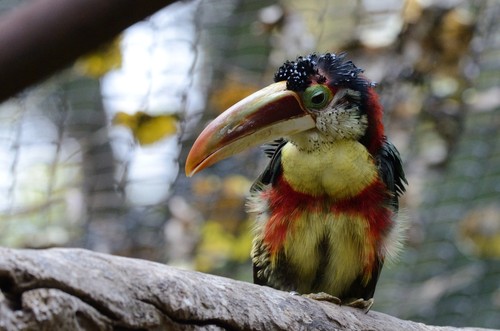
Curl-crested Aracari
41-46 cm (16-18 in) long, including a long bill and tail
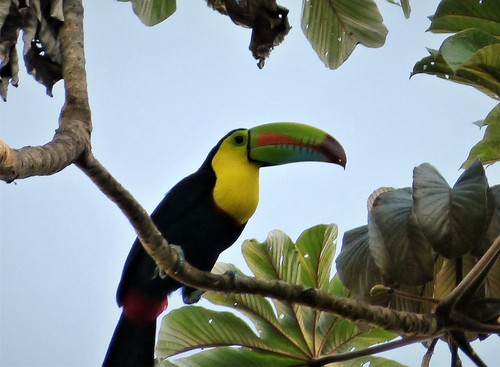
Keel-billed Toucan
42-55 cm (17-22 in) long including bill
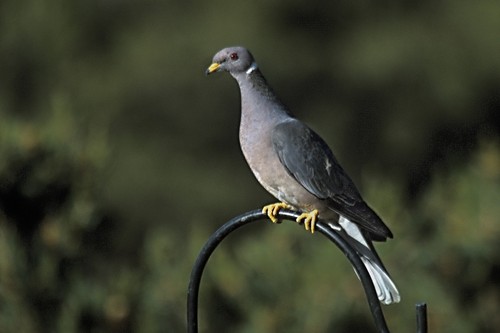
Band-tailed Pigeon
33-38 cm (13-15 in) long, wingspan about 66 cm (26 in)
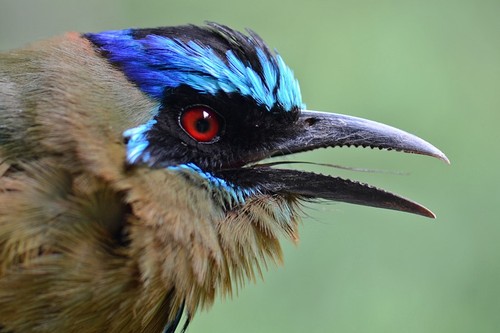
Blue-crowned Motmot
38-43 cm (15-17 in) long including tail
White-tipped Dove
27-30 cm (10.5-12 in) long, 38-43 cm wingspan
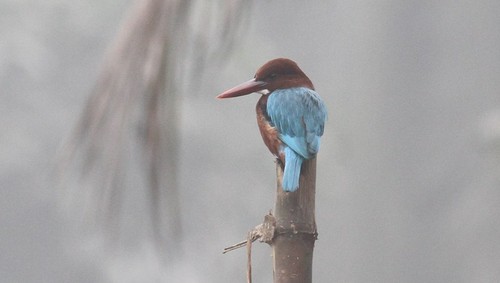
White-throated Kingfisher
27-28 cm (10.5-11 in) long
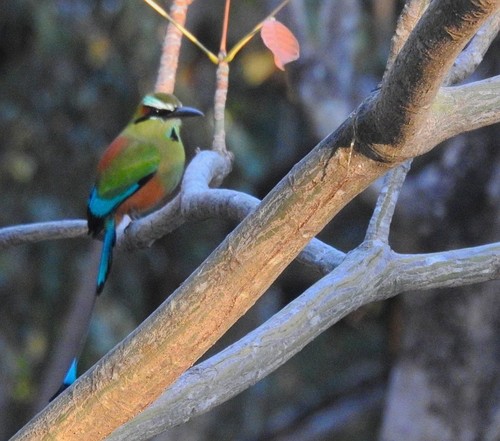
Turquoise-browed Motmot
34 cm (13 in) long including tail
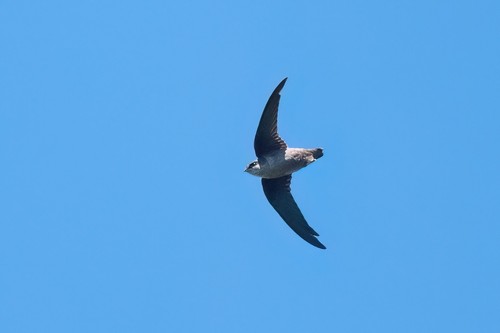
Vaux's Swift
10-12 cm (4-4.5 in) long, 27-30 cm wingspan
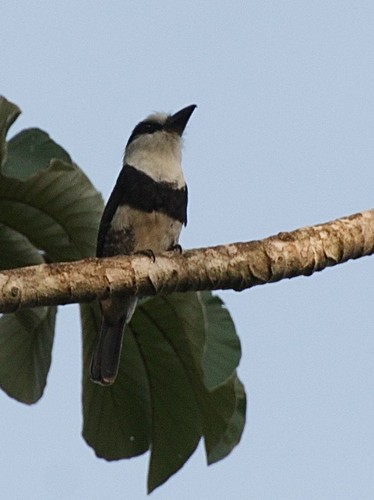
White-necked Puffbird
22-24 cm (8.5-9.5 in) long
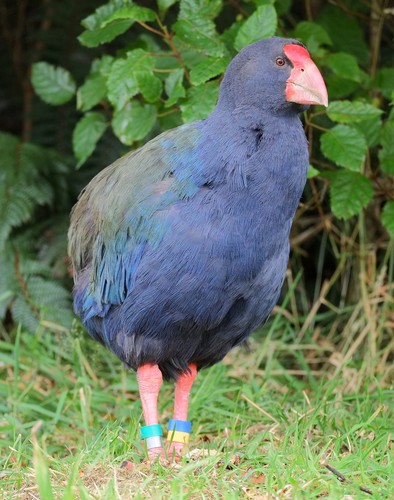
Takahe
50 cm (20 in) long, up to 3.5 kg; flightless
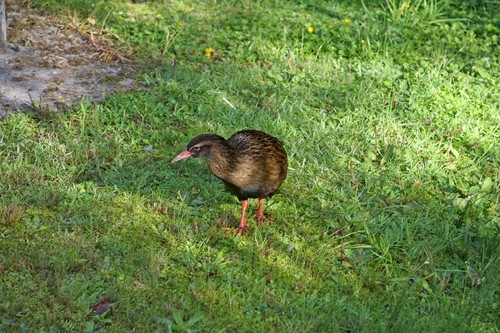
Weka
50-60 cm (20-24 in) long; flightless